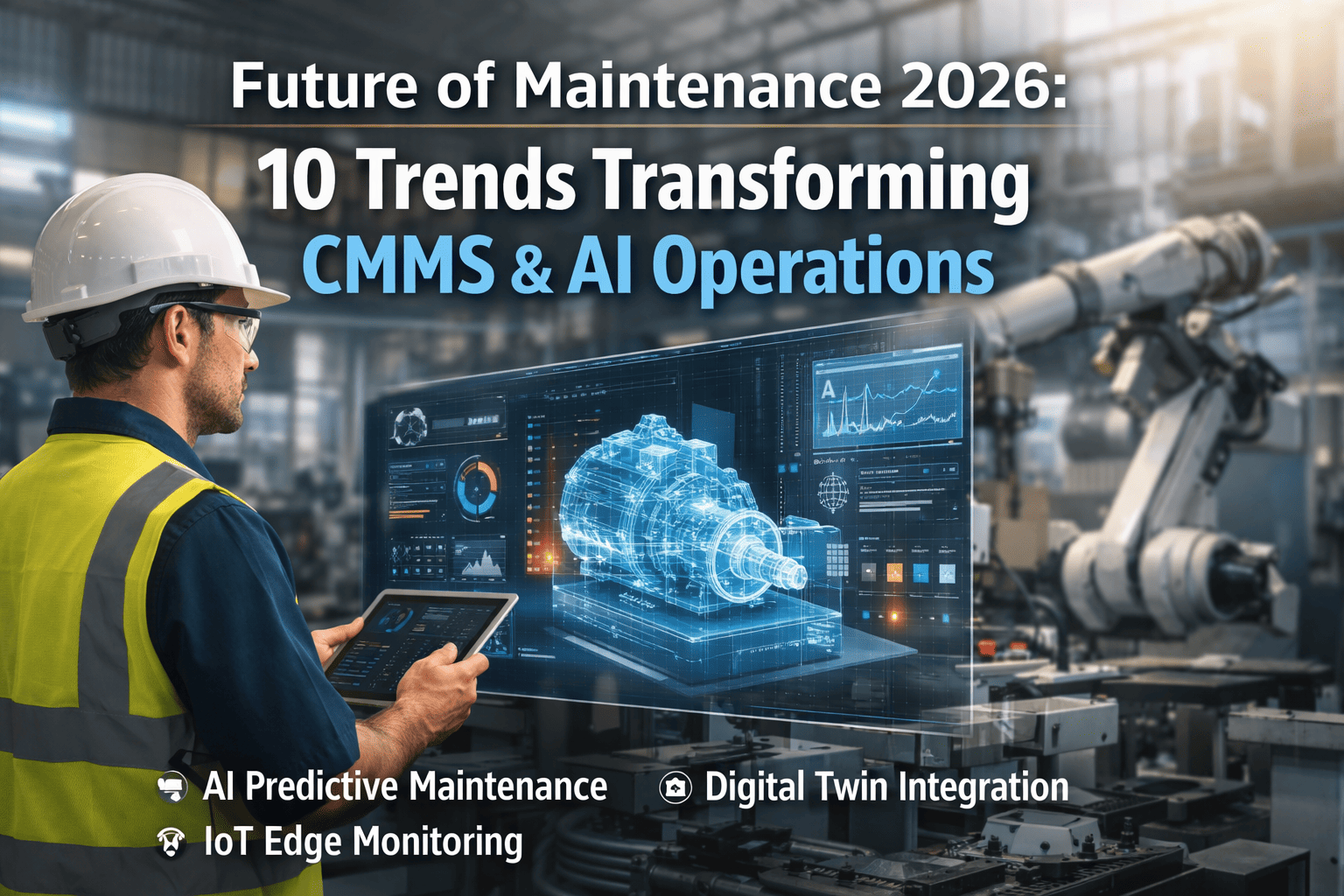
Industrial maintenance is experiencing a revolutionary transformation as we move through 2025, driven by emerging technologies, evolving business priorities, and the relentless pursuit of operational excellence. Modern manufacturing facilities implementing cutting-edge maintenance strategies are achieving an average of 82% reduction in unexpected equipment failures, 55% improvement in maintenance efficiency, and $25,000+ annual cost savings per critical asset. Industry leaders recognize that industrial maintenance trends in 2025 focus on predictive capabilities, AI integration, and sustainable practices while establishing foundations for autonomous asset management, and operational resilience.
The industrial landscape of 2025 demands sophisticated maintenance approaches that integrate artificial intelligence, Internet of Things connectivity, and sustainable practices into cohesive operational frameworks. These emerging trends represent more than technological upgrades—they signify fundamental shifts toward intelligent, autonomous, and environmentally responsible maintenance operations that maximize asset performance while minimizing environmental impact.
Manufacturing organizations worldwide are recognizing that traditional maintenance approaches cannot meet the demands of Industry 4.0 environments, sustainability requirements, and competitive pressures of modern markets. Forward-thinking companies are embracing comprehensive maintenance transformation strategies that position them at the forefront of industrial innovation. Oxmaint leads this transformation by providing next-generation maintenance solutions that align with 2025's most impactful trends and deliver measurable business results.
Ready to embrace the future of industrial maintenance? Transform your traditional maintenance approach into an intelligent, trend-aligned operation. Discover how progressive manufacturers are implementing 2025's breakthrough maintenance innovations.
Start Trend Assessment Schedule ConsultationAI-Powered Predictive Maintenance: The Intelligence Revolution
Artificial Intelligence integration represents the most transformative trend reshaping industrial maintenance in 2025, enabling unprecedented prediction accuracy, autonomous decision-making, and intelligent optimization of maintenance operations. AI-powered systems are revolutionizing how organizations approach asset management through machine learning algorithms that continuously evolve and improve maintenance strategies based on real-world performance data.
Advanced Machine Learning
Sophisticated algorithms that analyze vast datasets to identify complex failure patterns, predict equipment degradation, and optimize maintenance timing with 95%+ accuracy rates.
Computer Vision Diagnostics
AI-powered visual inspection systems that detect equipment anomalies, wear patterns, and potential failures through automated image analysis and pattern recognition.
Natural Language Processing
Intelligent systems that analyze maintenance reports, work orders, and technical documentation to extract insights and automate knowledge management processes.
Autonomous Decision Making
AI systems that automatically generate maintenance schedules, allocate resources, and coordinate activities based on real-time equipment conditions and operational priorities.
Revolutionary AI Applications in Maintenance
AI implementation in maintenance extends beyond simple automation to encompass intelligent decision-making, predictive analytics, and autonomous operations that transform maintenance from reactive processes into proactive strategic functions. Organizations leveraging advanced AI technologies report dramatic improvements in maintenance effectiveness and operational efficiency.
Intelligent Fault Detection
AI systems that identify equipment faults and anomalies in real-time, often detecting issues weeks before traditional methods, enabling proactive interventions that prevent costly failures.
Dynamic Maintenance Scheduling
Machine learning algorithms that optimize maintenance schedules based on equipment condition, production demands, and resource availability, maximizing operational efficiency while minimizing costs. Companies implementing these systems often start their AI transformation journey within the first quarter.
Predictive Parts Management
AI-driven inventory optimization that predicts spare parts needs, manages supply chains, and ensures critical components are available precisely when needed.
Performance Optimization
Intelligent systems that continuously optimize equipment performance parameters, maintenance intervals, and operational settings to maximize asset effectiveness and longevity.
IoT Connectivity and Smart Sensor Networks
The Connected Maintenance Ecosystem
Internet of Things integration creates comprehensive maintenance ecosystems where every asset, component, and system communicates continuously to provide real-time insights, automated diagnostics, and intelligent coordination across entire facilities. Smart sensor networks enable unprecedented visibility into equipment health, performance, and operational conditions. Oxmaint leverages cutting-edge IoT technologies to create integrated maintenance platforms that deliver actionable insights and autonomous capabilities.
Advanced Sensor Integration
Comprehensive sensor networks monitoring vibration, temperature, pressure, acoustic signatures, and performance metrics to provide complete equipment health assessment.
Edge Computing Capabilities
Local processing power that enables real-time decision-making, reduces latency, and provides immediate responses to critical equipment conditions and anomalies.
Wireless Communication
Robust wireless networks that connect distributed equipment, enable remote monitoring, and facilitate seamless data transmission across industrial environments.
Cloud Integration
Scalable cloud platforms that aggregate data, enable advanced analytics, and provide centralized maintenance management across multiple facilities and locations.
Sustainable Maintenance Practices
Environmental Responsibility and Efficiency
Sustainability integration represents a critical trend transforming maintenance operations in 2025, as organizations recognize the importance of environmental responsibility, resource conservation, and sustainable business practices. Sustainable maintenance strategies deliver both environmental benefits and significant cost savings through optimized resource utilization and waste reduction. Leading manufacturers are scheduling sustainability consultations to explore how green maintenance practices can drive profitability.
Energy-Efficient Operations
Maintenance practices that optimize energy consumption, reduce waste, and minimize environmental impact while maintaining peak equipment performance and operational effectiveness.
Circular Economy Principles
Asset lifecycle management that maximizes equipment utilization, enables component reuse, and implements recycling programs that reduce waste and environmental impact.
Green Technology Integration
Implementation of environmentally friendly maintenance technologies, biodegradable lubricants, and sustainable materials that reduce environmental footprint.
Carbon Footprint Reduction
Maintenance strategies that minimize carbon emissions through optimized scheduling, reduced travel, and energy-efficient equipment operation and maintenance practices.
Digital Twins and Virtual Maintenance
Virtual Asset Management Revolution
Digital twin technology creates virtual replicas of physical assets that enable advanced simulation, predictive modeling, and virtual maintenance planning without disrupting actual operations. This revolutionary approach allows organizations to test maintenance strategies, optimize procedures, and predict outcomes in virtual environments before implementing changes in real-world operations.
Virtual Simulation
Comprehensive digital models that simulate equipment behavior, test maintenance scenarios, and predict outcomes before implementing changes in actual operations.
Predictive Modeling
Advanced analytics that use digital twin data to predict equipment failures, optimize maintenance timing, and improve overall asset performance and reliability.
Remote Diagnostics
Virtual troubleshooting capabilities that enable remote equipment diagnosis, reduce on-site visits, and accelerate problem resolution through digital analysis.
Training and Development
Virtual reality environments that provide realistic maintenance training, skill development, and procedure optimization without risking equipment damage or safety.
Autonomous Maintenance Systems
Self-Managing Equipment Evolution
Autonomous maintenance capabilities represent the future of industrial asset management, where equipment can self-diagnose problems, schedule maintenance activities, and even perform basic maintenance tasks without human intervention. Organizations investing in autonomous maintenance technologies position themselves at the forefront of industrial innovation. Smart manufacturers are booking strategy sessions to explore autonomous solutions and gain significant competitive advantages.
- Self-Diagnosing Equipment that automatically identifies problems, analyzes root causes, and initiates appropriate maintenance responses without human intervention
- Automated Scheduling Systems that optimize maintenance timing based on real-time conditions, production schedules, and resource availability
- Robotic Maintenance Tasks that perform routine inspections, basic repairs, and preventive maintenance activities with precision and consistency
- Intelligent Resource Management that automatically orders parts, schedules technicians, and coordinates maintenance activities across entire facilities
- Continuous Learning Capabilities that improve maintenance strategies through experience, data analysis, and performance optimization
Advanced Analytics and Big Data
Data-Driven Maintenance Intelligence
Big data analytics transforms maintenance operations by processing vast amounts of operational data, historical records, and real-time information to generate actionable insights that drive strategic decision-making and operational optimization. Advanced analytics capabilities enable organizations to identify patterns, predict trends, and optimize maintenance strategies with unprecedented precision. Oxmaint employs cutting-edge analytics platforms that transform raw data into strategic maintenance intelligence.
Predictive Analytics
Advanced statistical models and machine learning algorithms that analyze historical data patterns to predict equipment failures and optimize maintenance timing.
Real-Time Processing
High-speed data processing capabilities that analyze streaming sensor data, identify anomalies, and trigger immediate responses to critical conditions.
Pattern Recognition
Sophisticated algorithms that identify complex patterns in equipment behavior, maintenance history, and operational conditions to improve prediction accuracy.
Performance Benchmarking
Comprehensive analytics that compare equipment performance across facilities, identify best practices, and optimize maintenance strategies based on proven results.
Cybersecurity in Connected Maintenance
Protecting Digital Maintenance Infrastructure
Cybersecurity represents a critical consideration as maintenance systems become increasingly connected and digitized, requiring comprehensive security frameworks that protect sensitive operational data, prevent unauthorized access, and ensure system integrity across connected maintenance ecosystems. Progressive companies are securing their maintenance systems through advanced cybersecurity implementations.
Multi-Layer Security
Comprehensive security frameworks that protect maintenance systems through encryption, access controls, network segmentation, and continuous monitoring for threats and vulnerabilities.
Identity Management
Advanced authentication systems that ensure only authorized personnel can access maintenance systems, data, and control functions while maintaining operational efficiency.
Threat Detection
Intelligent security systems that monitor for unusual activities, detect potential cyber threats, and respond automatically to protect maintenance infrastructure and data.
Compliance Standards
Security frameworks that meet industry standards and regulatory requirements while enabling secure digital maintenance operations and data management.
Workforce Transformation and Skills Development
Preparing Teams for Future Maintenance
Workforce development becomes increasingly important as maintenance operations evolve to incorporate advanced technologies, requiring new skills, training programs, and organizational capabilities that enable successful transformation and sustainable competitive advantages. Forward-thinking organizations are planning workforce transformation initiatives to ensure their teams are ready for 2025's maintenance innovations.
Digital Skills Training
Comprehensive training programs that develop technical competencies in AI, IoT, data analytics, and digital maintenance technologies required for 2025 operations.
Augmented Reality Tools
Advanced AR systems that provide real-time guidance, digital work instructions, and remote expert support to enhance maintenance technician capabilities and effectiveness.
Collaborative Platforms
Digital collaboration tools that connect maintenance teams, enable knowledge sharing, and facilitate coordination across distributed operations and multiple facilities.
Continuous Learning
Ongoing education programs that keep maintenance teams current with emerging technologies, best practices, and industry developments essential for competitive advantage.
Implementation Strategy for 2025 Trends
Strategic Roadmap for Maintenance Transformation
Successful implementation of 2025 maintenance trends requires systematic approaches that balance innovation with operational stability, ensuring organizations can adopt new technologies while maintaining current operations and achieving measurable results. Progressive companies are beginning their digital transformation to secure competitive advantages before market saturation occurs.
Strategic Assessment
Comprehensive evaluation of current maintenance capabilities, technology readiness, and organizational preparedness for trend adoption and transformation.
Phased Implementation
Systematic deployment approach that introduces new technologies and practices gradually, ensuring successful adoption while minimizing operational disruption.
Technology Integration
Careful coordination of new technologies with existing systems, ensuring compatibility, functionality, and seamless operation across maintenance platforms.
Performance Monitoring
Continuous assessment of implementation progress, technology effectiveness, and business impact to ensure successful transformation and ROI achievement.
The future of industrial maintenance is happening now, and early adopters are capturing significant competitive advantages. Every month of delay means missing opportunities for breakthrough improvements and cost savings. Progressive manufacturers are implementing 2025's transformative maintenance trends today to dominate tomorrow's markets. Don't let competitors establish unassailable leads while you wait.
Explore Maintenance Innovations Discuss Trends Implementation