Every hour a vehicle sits idle waiting for unplanned repair is revenue lost and schedules broken. Sign up for Oxmaint to set mileage-based alerts, log inspections, and track service history so your fleet stays moving and breakdowns stop surprising you.
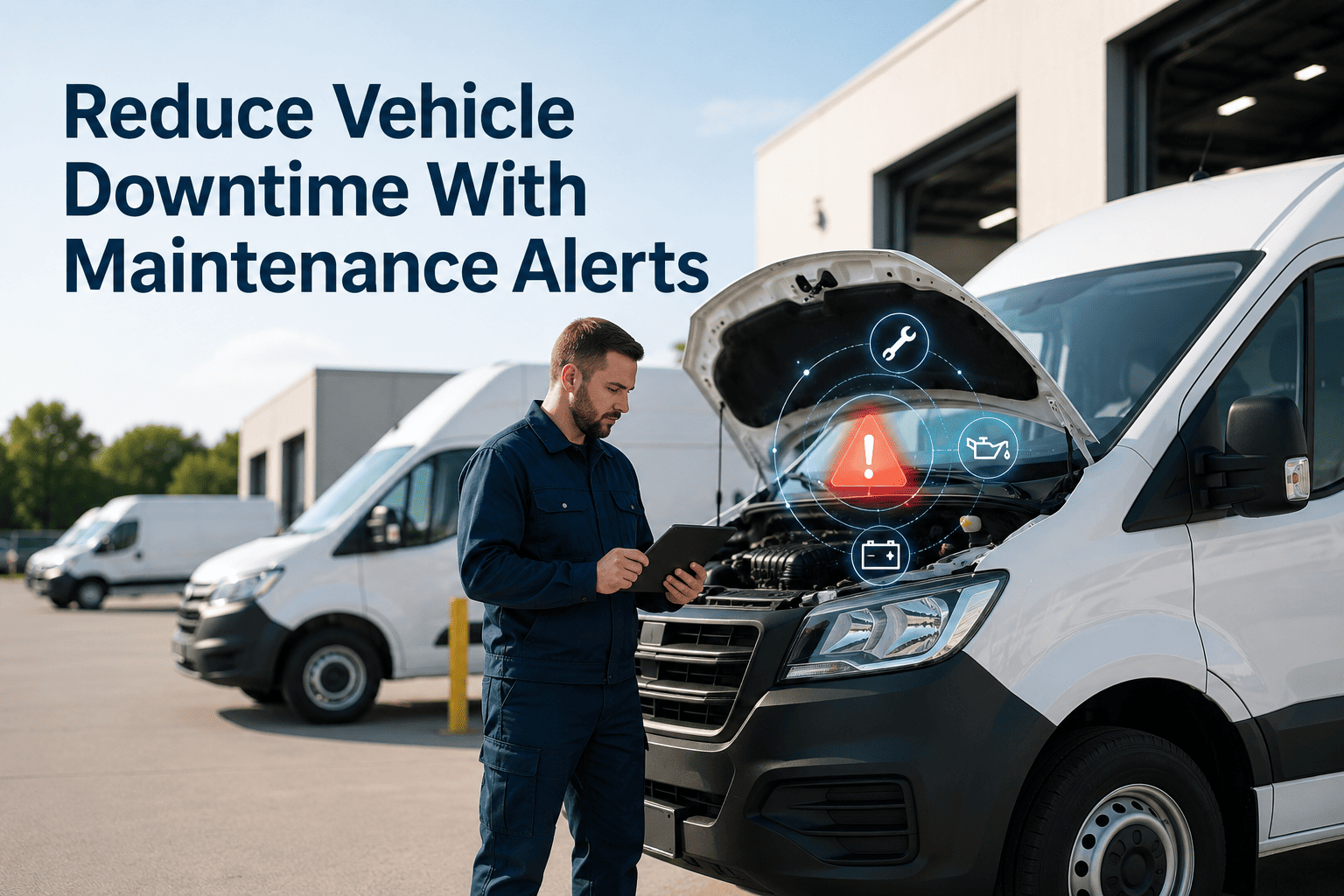
How to Reduce Vehicle Downtime With Maintenance Alerts
Reactive fleet maintenance is expensive. This guide covers mileage triggers, DVIR inspection workflows, service history tracking, and automated reminders — the exact system that keeps high-utilization fleets running without emergency repairs.
The Real Causes of Preventable Fleet Downtime
Most fleet downtime is not caused by mechanical failure beyond control. It is caused by maintenance that was due and not performed — because there was no reliable system to trigger, schedule, and confirm it.
No mileage or time trigger defined per vehicle
Flagged in inspection but no work order created
Service intervals tracked on spreadsheet — missed
Driver reported issue not linked to a work order
No central record of past repairs on asset
Five Alert Types Every Fleet Needs Configured
Set oil change, filter, and transmission service triggers at specific odometer intervals per vehicle model. When the vehicle hits the threshold, a work order is auto-created and assigned to the scheduled maintenance technician — no manual monitoring required.
For vehicles with low mileage that still age by calendar time — coolant flushes, belts, inspections — set date-based triggers that fire regardless of odometer. Age-related failures are most often missed on low-utilization vehicles.
Driver Vehicle Inspection Reports that flag defects should automatically create maintenance work orders. Manual DVIR processes break because defects are reported but never formally routed. Automated routing closes that gap on the same day the driver reports.
Vehicle registration, insurance, and roadworthiness certificate expiry dates should alert 30 and 7 days in advance. Running compliance-expired vehicles is a legal liability — automated calendar alerts cost nothing to set up and prevent a significant risk.
When parts used across the fleet — filters, brake pads, belts — drop below a defined reorder point, a purchase request should auto-generate. Delayed maintenance caused by parts unavailability is a procurement problem, not a maintenance problem.
Preventive vs Reactive Fleet Maintenance Cost Data
| Maintenance Task | Preventive Cost | Reactive / Breakdown Cost | Cost Multiplier | Alert Type Needed |
|---|---|---|---|---|
| Engine Oil and Filter | $80 – $140 | $3,200 – $8,000 (engine failure) | 25x – 57x | Mileage trigger |
| Brake Pads and Rotors | $180 – $320 | $900 – $1,800 (rotor and caliper) | 5x – 6x | DVIR + mileage |
| Tyre Rotation | $60 – $100 | $600 – $900 (premature replacement) | 9x – 10x | Mileage trigger |
| Coolant System Flush | $100 – $180 | $1,400 – $3,500 (head gasket) | 14x – 19x | Calendar trigger |
| Transmission Service | $200 – $350 | $2,500 – $5,000 (rebuild) | 12x – 14x | Mileage trigger |
Set Up Your Fleet Alert System in Oxmaint
Mileage triggers, DVIR routing, service history, and parts alerts — all in one fleet CMMS. Book a demo to see a live fleet configured with full alert coverage.
How a Proper DVIR Process Stops Defects Becoming Breakdowns
Driver uses mobile app to complete structured pre-trip checklist covering brakes, tyres, lights, fluids, and cab. Each item is pass, fail, or needs attention — with photo attachment for defects.
Any failed or attention item instantly generates a maintenance work order in Oxmaint with the driver's notes and photos attached. The work order routes to the correct technician by defect category.
Fleet manager sees all open defect work orders before dispatch. Critical safety defects hold the vehicle from dispatch. Minor defects are scheduled. Every decision is logged for compliance records.
Technician completes repair and closes work order. Vehicle is cleared for dispatch with the repair record attached to its service history. Post-trip inspection confirms the defect was resolved.
Fleet Maintenance Professionals on Preventive Alert Systems
Fleet Maintenance Alerts — Frequently Asked Questions
Oxmaint supports both manual odometer entry at each service event and integration with telematics systems that push mileage data automatically. For fleets with telematics hardware already installed, mileage data flows into Oxmaint without any manual input — alerts fire when the vehicle hits the threshold regardless of whether anyone checked the record. Sign up to explore the mileage tracking setup.
Each vehicle in Oxmaint carries its own maintenance schedule configured by vehicle type, make, model, and OEM specifications. A heavy truck and a light van have completely different service intervals — both can run simultaneously with no interference. Service templates can be applied across vehicle classes to set up large fleets quickly, then customized per individual vehicle where needed. Book a demo to see a multi-class fleet configured live.
Yes. Drivers complete DVIR checklists through the Oxmaint mobile app on any iOS or Android device. The inspection form is fully customizable to match your regulatory requirements, vehicle categories, and company standards. Photo attachments, defect severity ratings, and driver signature capture are all included. Defect work orders route to the maintenance team in real time as soon as the inspection is submitted — no paper, no delay, and no lost reports.
Oxmaint produces per-vehicle cost history showing total maintenance spend by year, category breakdown between preventive and corrective, parts consumption trends, and unplanned downtime frequency over any date range. These reports are the data foundation for fleet replacement decisions — when a vehicle's annual maintenance cost approaches a defined percentage of replacement value, the data surfaces automatically rather than requiring manual analysis. Start free to access the fleet reporting module.
Stop Reactive Fleet Maintenance for Good
Oxmaint fleet management gives you mileage alerts, DVIR routing, service history, and cost tracking in one system. Book a 30-minute demo and see a live fleet configured with complete preventive coverage.