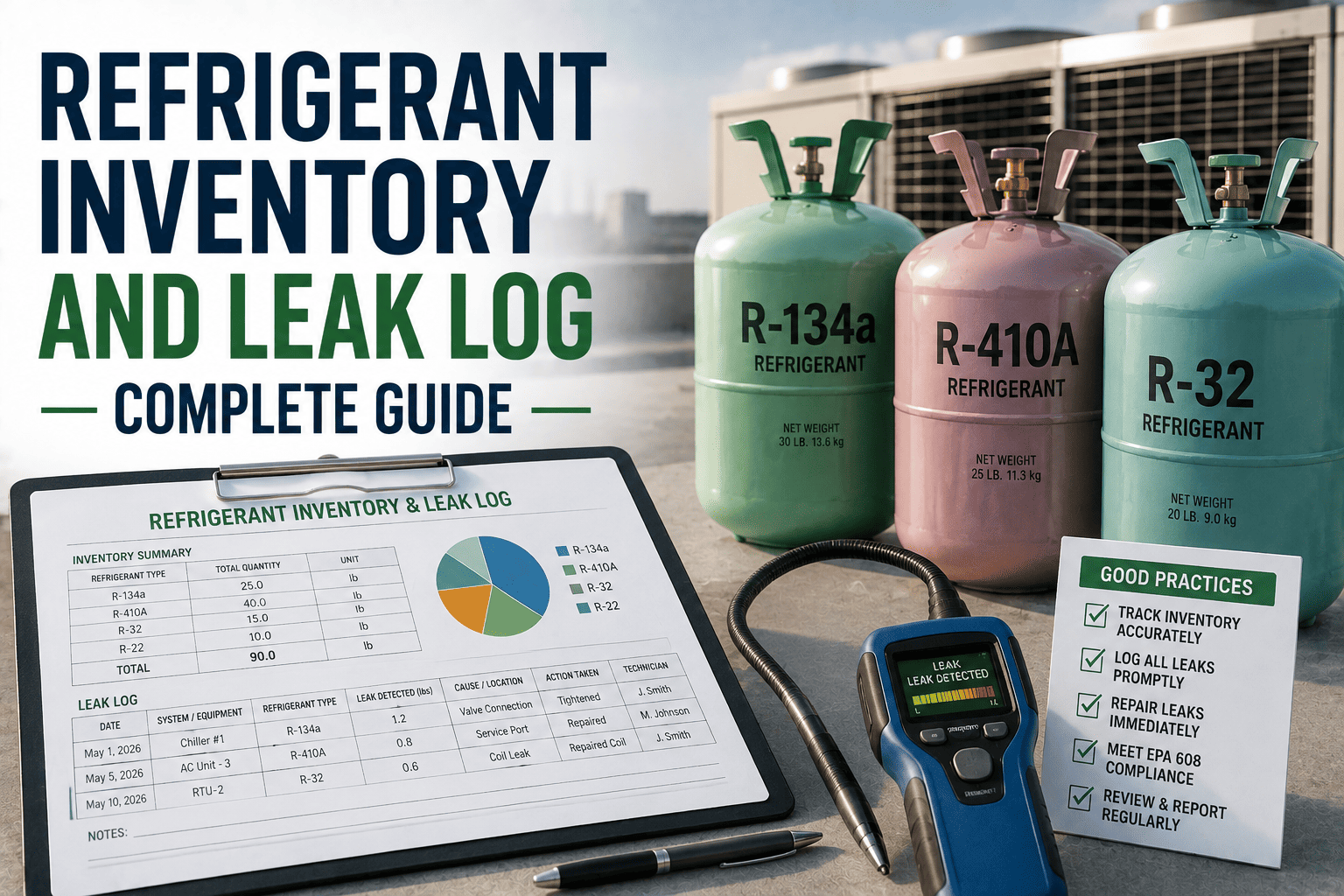
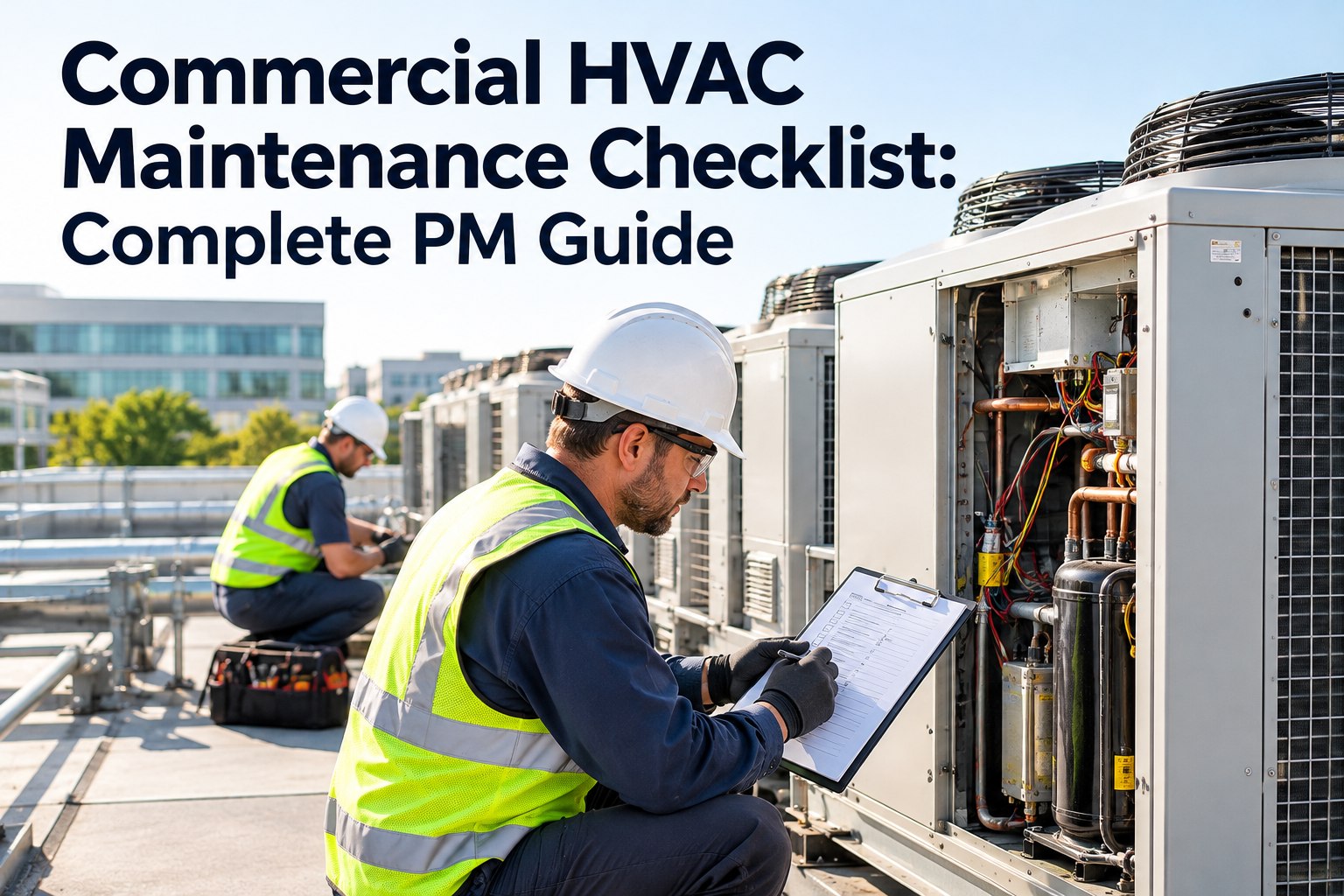
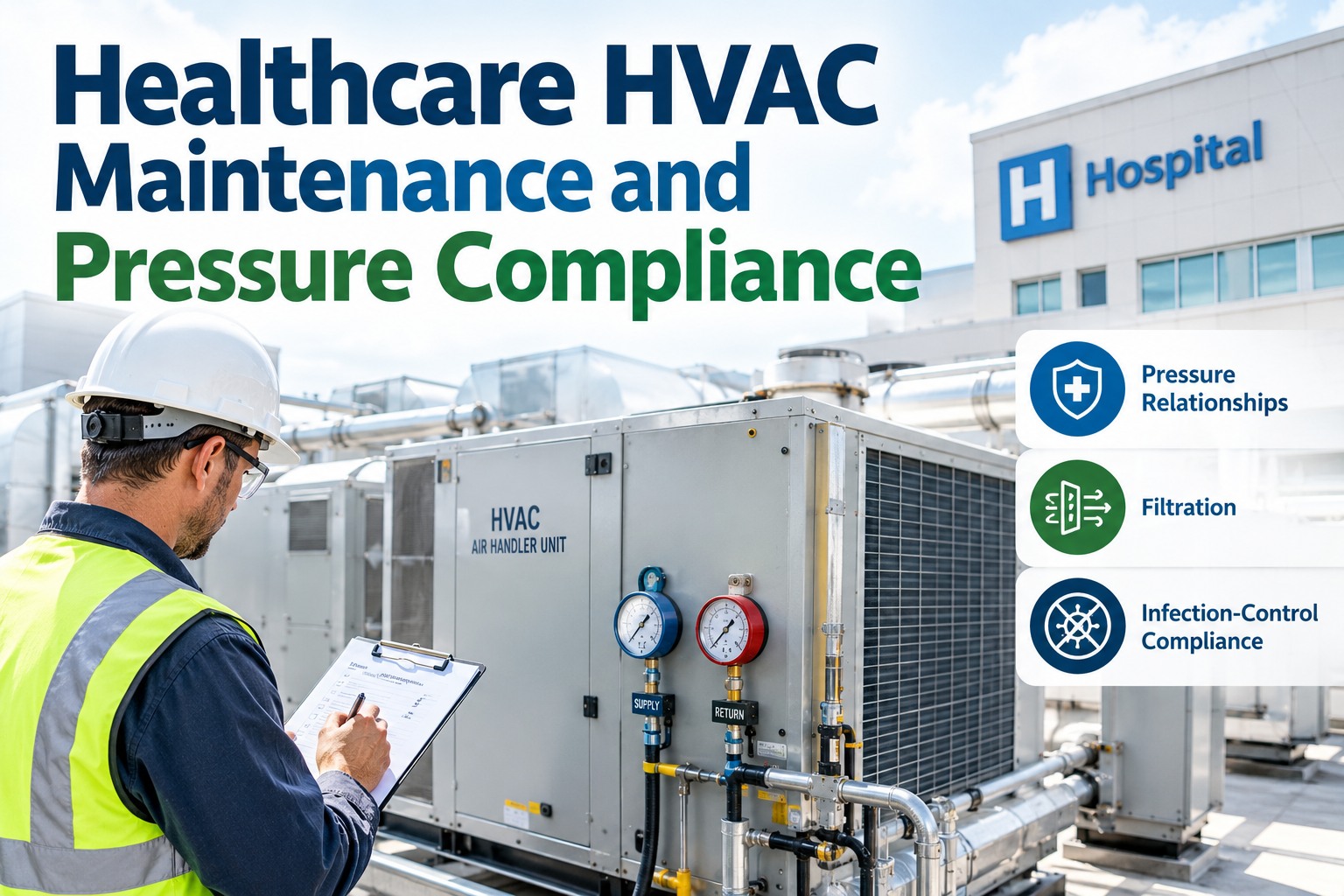
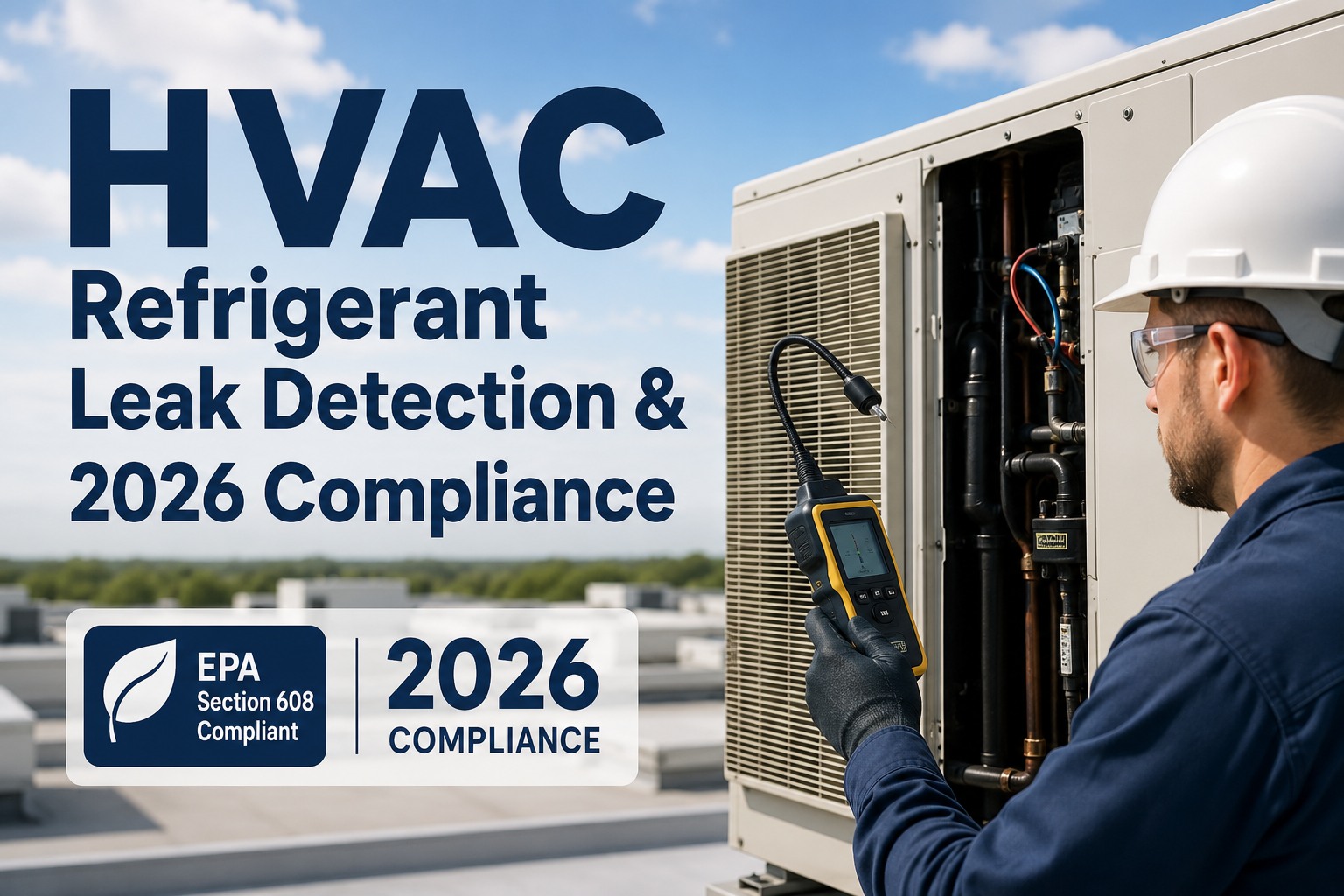
A refrigerant inventory and leak log either holds up in front of an auditor or it doesn't, and the difference almost always comes down to the checklist behind it. The refrigerant itself rarely causes the audit finding — a missing photo, an unsigned entry, or a leak that was noted but never closed out is what does.
The Checklist Is The Program
EPA 608 compliance isn't proven by good intentions, it's proven by a log that shows every check, every leak, and every corrective action tied to a specific asset with clear pass/fail criteria. A checklist with gaps is functionally the same as no checklist once an auditor starts asking questions.
Three Things Every Entry Needs
A leak log entry is only as strong as its weakest documentation point. These three are non-negotiable.
Photo Evidence
A timestamped photo of the leak point or inspection location backs up the written finding with something an auditor can actually verify.
E-Signature
A signed entry ties the finding to a specific technician, closing the gap a blank or initialed line always leaves open.
Pass/Fail Criteria
A clear standard for what counts as a pass removes ambiguity that otherwise varies from technician to technician.
Finding, Required Entry, Follow-Up Action
| Finding |
Required Log Entry |
Follow-Up Action |
| Leak rate above threshold |
Detection date, location, and estimated rate |
Repair within required timeline, then re-verify |
| Refrigerant added to system |
Type, quantity, and technician logged per event |
Confirm against total inventory on record |
| Inspection completed with no leak found |
Pass result, photo, and technician signature |
No action needed, entry stands as the record |
What Auditors Look For Beyond The Checklist
Asset-Linked Records
Every inspection and leak entry tied to a specific unit, so its full history can be reviewed on its own.
Corrective-Action Trail
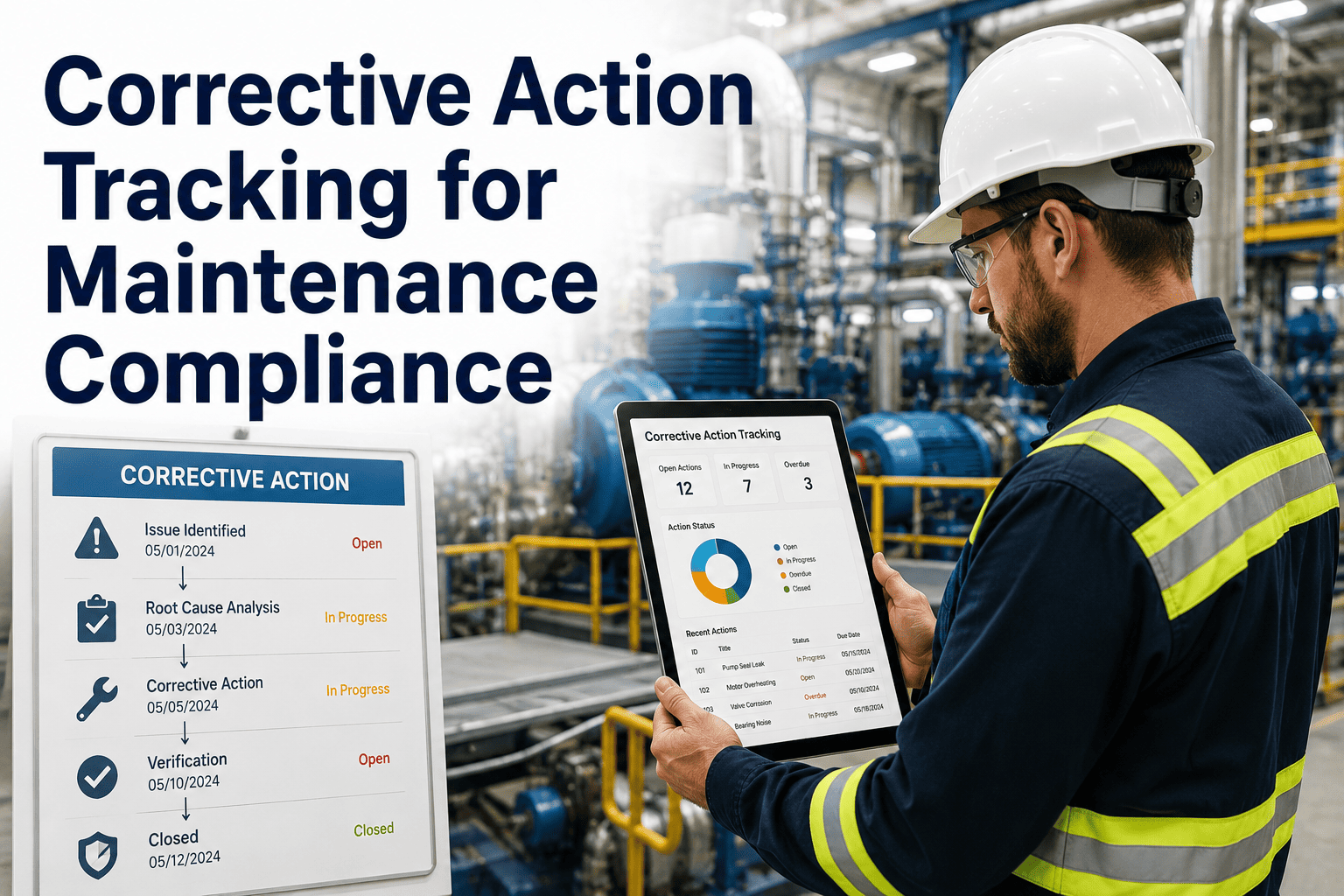
A visible path from finding to fix to re-verification, not just a flagged issue with no documented resolution.
Real-Time Availability
Records produced instantly when requested, instead of assembled the week before an audit under pressure.
A checklist only protects an EHS team when every check, photo, and signature is captured the moment it happens, not reconstructed later. Teams that sign up for Oxmaint run refrigerant inventory and leak checks with mandatory photo capture, e-signatures, and asset-linked records automatically, or book a demo to see a defensible refrigerant compliance workflow running live.
Q
Why does a photo matter if the log already describes the finding?
A written description can be disputed or misremembered later, while a timestamped photo gives an auditor something they can independently verify against the log entry.
Q
What makes a corrective-action trail complete?
It needs to show the original finding, the repair or action taken, and a re-verification confirming the issue was actually resolved, all linked together rather than sitting as separate records.
Q
How far back should refrigerant records be kept?
Retention requirements vary by jurisdiction and equipment type, so it's worth confirming the specific timeline that applies to your facility rather than assuming a single default across every unit.
Make Your Refrigerant Log Audit-Ready Every Shift
Run refrigerant inventory and leak checks with mandatory photo capture, e-signatures, and asset-linked records, backed by a corrective-action trail auditors can follow instantly. Sign up for a free trial to set up your first refrigerant log, or book a demo to see it running live.