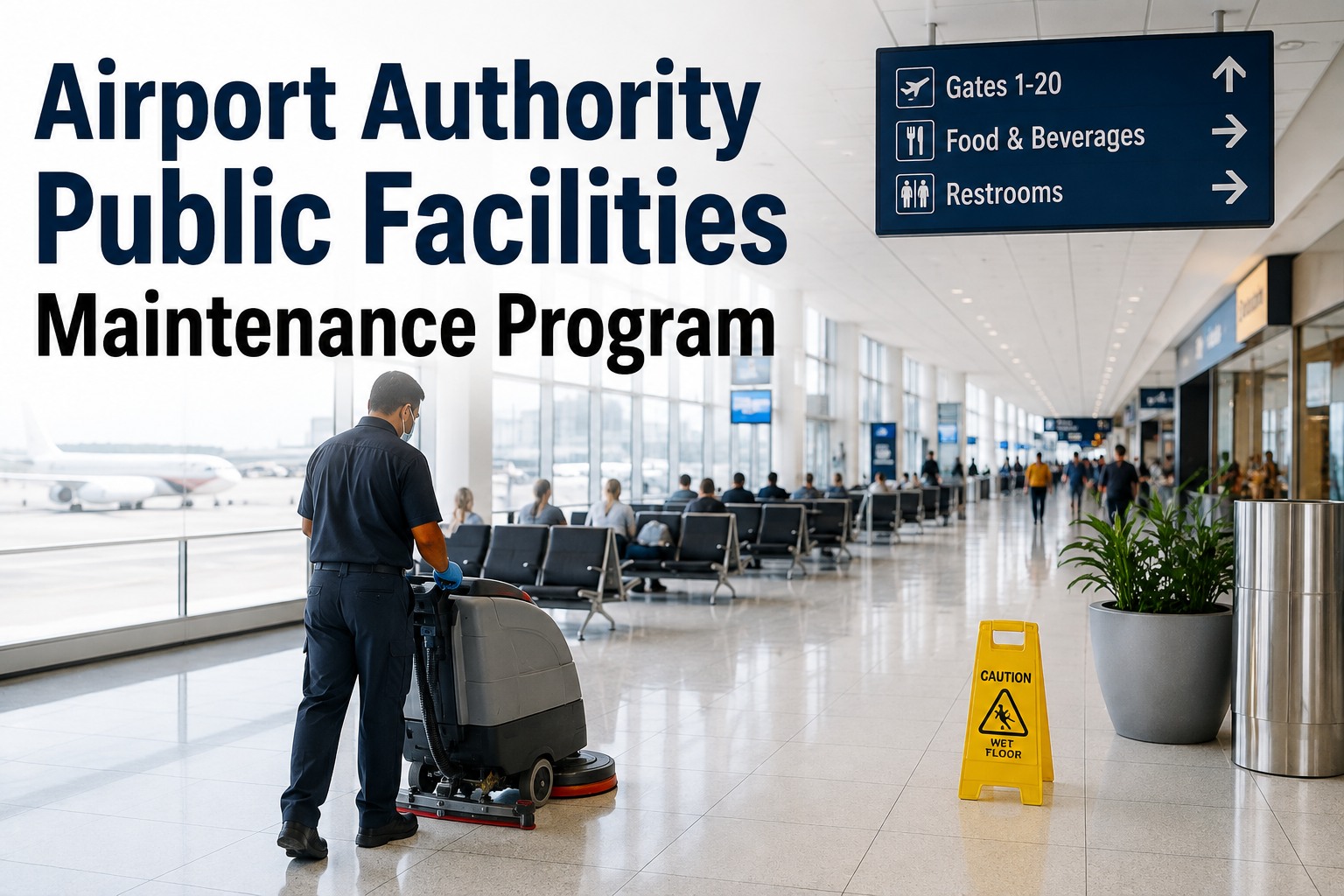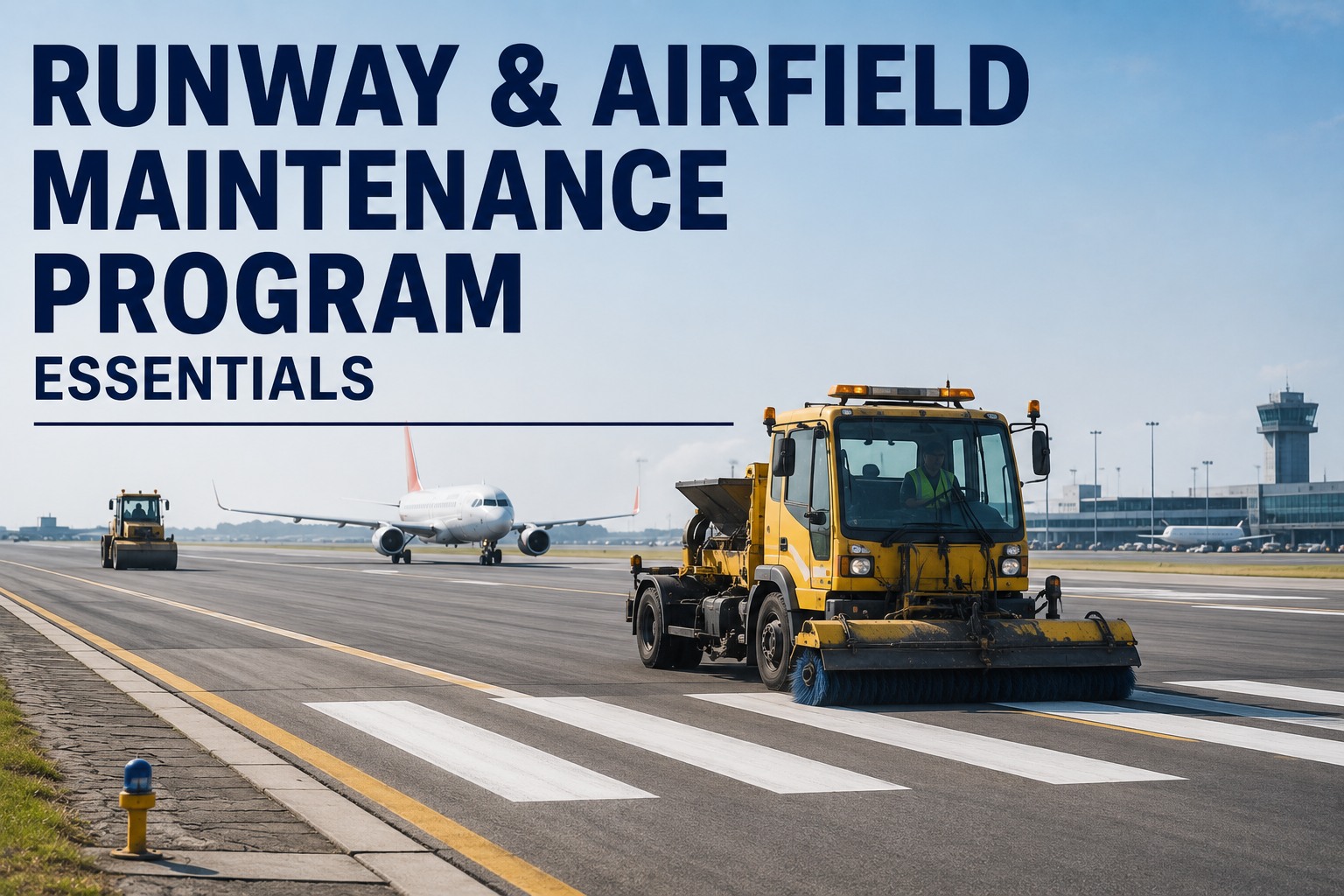
A structured runway maintenance program is the backbone of airfield safety and FAA Part 139 compliance, governing everything from daily runway inspection routines to long-term airport pavement preservation. Airfield maintenance teams face relentless pressure to keep runway lighting, markings, and surfaces operational under continuous FAA oversight, where a single missed preventive maintenance task can trigger operational closures or audit findings. Transitioning from reactive spreadsheets to a centralized computerized maintenance management system (CMMS) eliminates paper work orders, automates inspection cadence, and predicts equipment failures before they disrupt flight schedules. OxMaint empowers airport operations and engineering teams to digitize their entire airfield maintenance program, ensuring zero-gap compliance and measurable ROI. You can Start Free Trial today to see how AI-driven asset tracking transforms your airside operations.
Is your runway maintenance program ready for the next Part 139 inspection?
A single unrecorded pavement defect or burnt-out edge light can ground operations and trigger FAA compliance findings. Centralize your airfield maintenance, automate inspection cadence, and keep every asset audit-ready with OxMaint.
What a high-performing runway maintenance program includes
Airports operating under FAA Part 139 must maintain continuous compliance across pavements, lighting, and markings. Here is the core structure of a compliant airfield maintenance program.
Runway & Taxiway Inspections
- Daily morning airfield inspection for FOD, rubber buildup, and surface defects
- Verify approach lighting and runway edge lights are 100% operational
- Document pavement spalling, cracking, and joint sealant degradation
- Log friction levels and trigger rubber removal work orders when below threshold
Airfield Lighting Maintenance
- Inspect PAPI and REIL systems for alignment and brightness consistency
- Test constant current regulators and CCR backup switching
- Check circuit continuity and isolate ground faults in series circuits
- Replace burnt-out lamps before they drop a circuit below 70% capacity
Markings & Signage Audit
- Assess runway holding position signs and mandatory instruction signs
- Evaluate pavement marking retroreflectivity and trigger repainting
- Inspect wind cones and segmented circles for visibility and damage
- Verify taxiway guidance signs are clean, lit, and unobstructed
Pavement Condition Index
- Conduct full PCI survey to identify distress types and severity levels
- Update the airport pavement management system (APMS) database
- Prioritize runway repair projects based on PCI scores and traffic volume
- Schedule crack sealing, patching, and overlay rehabilitation cycles
The true cost of reactive airport runway maintenance
A mid-sized hub spending $1.2M annually on emergency runway repair can save up to 35% by shifting to preventive maintenance. Reactive airfield maintenance costs 3–4x more than planned work and introduces severe safety risks.
| Maintenance Factor | Reactive / Spreadsheet Approach | OxMaint CMMS Program |
|---|---|---|
| Inspection Compliance | Clipboard logs, missed signatures, audit gaps | Digitized checklists, GPS-stamped, auto-archived |
| Runway Closure Time | 4–8 hours per unplanned lighting failure | Under 60 minutes with predictive fault alerts |
| Pavement Lifespan | 12–15 years due to unaddressed micro-cracking | 18–20 years with scheduled seal coats and crack fills |
| FAA Audit Prep Time | 2–3 weeks of manual record reconstruction | Instant report generation with one-click audit trails |
| Annual Maintenance Cost | $1.2M+ with frequent emergency callouts | $780K via optimized PM scheduling and inventory control |
| Spare Parts Availability | Stockouts delay critical runway repair by days | Auto-reorder points keep lamps and regulators on hand |
How OxMaint powers your airfield maintenance program
OxMaint replaces fragmented spreadsheets and paper logs with an AI-powered CMMS built for the demands of 24/7 airside operations. Here is how maintenance teams use it to eliminate downtime and pass Part 139 inspections without scrambling.
Part 139-Compliant Inspection Scheduling
Automate daily, weekly, and monthly runway inspection cadence. OxMaint triggers digital checklists directly to technicians' mobile devices, capturing GPS-stamped completion data that satisfies FAA inspectors instantly.
Outcome: 100% inspection compliance, zero audit gapsPredictive Airfield Lighting PM
Monitor CCR run-hours and lamp burn-in cycles. OxMaint's AI predicts when series circuit components will fail, generating preventive work orders before a lighting system drops below FAA visibility mandates.
Outcome: Cut lighting-related runway closures by 80%Airport Pavement Condition Tracking
Map PCI scores, distress types, and repair history directly to geotagged asset records. Track crack sealing and rubber removal cycles against traffic volume to extend pavement lifespan by up to 40%.
Outcome: Extend pavement life from 15 to 20+ yearsOne-Click FAA Audit Documentation
Every runway maintenance log, work order, and inspection record is time-stamped and securely archived. Generate comprehensive Part 139 compliance reports in seconds, eliminating weeks of manual preparation.
Outcome: Reduce audit prep time from 3 weeks to 1 hourA 14-gate regional airport cuts closure time by 85%
Consider a regional airport managing 14 gates, two runways, and 18 miles of taxiway. Their maintenance team relied on spreadsheets and clipboards, resulting in frequent compliance gaps and an average of 6 hours of unplanned runway closure per month due to lighting failures and untracked pavement defects.
By deploying OxMaint, the airport digitized its daily runway inspection routine and automated airfield lighting PM based on CCR run-hours. Predictive alerts flagged a failing regulator two weeks before it would have darkened Runway 9L, allowing the team to schedule a replacement during a planned overnight window. The airport reduced unplanned closures from 6 hours to under 45 minutes per month and passed their next FAA inspection with zero findings.
See OxMaint on your airfield — book a 30-min demo
Discover how AI-powered CMMS transforms runway maintenance, automates Part 139 compliance, and eliminates unplanned airside closures.
Runway maintenance program FAQs
How often should runway inspections be conducted under FAA Part 139?
FAA Part 139 requires daily airfield inspections for commercial service airports, typically conducted before the first scheduled departure and after any significant weather event. High-traffic hubs may require multiple daily runway inspections. OxMaint automates this cadence by pushing digital checklists to technicians' mobile devices, ensuring no inspection window is ever missed and every log is GPS-stamped for compliance.
What is included in an airfield maintenance program?
A comprehensive airfield maintenance program covers runway pavement condition monitoring, airfield lighting and electrical systems, pavement markings and signage, rubber removal, snow and ice control, and wildlife hazard management. It also mandates a documented airport pavement management system (APMS) and strict spare-parts inventory control. OxMaint centralizes all these workflows into a single AI-powered CMMS platform. Book a Demo to see the full platform.
How does CMMS software improve airport pavement maintenance?
CMMS software improves airport pavement maintenance by tracking Pavement Condition Index (PCI) scores over time, automatically triggering preventive work orders for crack sealing and patching before distress levels escalate. It maps distress types to specific GPS coordinates, prioritizes runway repair based on traffic volume, and maintains a complete historical record that satisfies FAA audit requirements while extending pavement lifespan by up to 40%.
What are the most common FAA Part 139 maintenance violations?
The most common Part 139 violations involve undocumented inspections, burnt-out runway edge lights not replaced within 15 minutes, faded pavement markings falling below retroreflectivity standards, and unmitigated pavement spalling. These issues typically stem from paper-based tracking systems. OxMaint prevents violations by digitizing inspection logs, setting automated PM triggers for lighting and markings, and generating real-time compliance dashboards. Start Free Trial to close your compliance gaps.
How long does it take to implement OxMaint for an airport maintenance team?
Most airport maintenance teams are fully operational on OxMaint within 2 to 4 weeks. The platform imports existing asset registries, preventive maintenance schedules, and spare-parts data. Because OxMaint is cloud-based and mobile-ready, technicians can begin logging digital runway inspections on day one. Our team provides dedicated onboarding to map your Part 139 inspection cadence and ensure a seamless transition from spreadsheets.
Transform your airfield maintenance program today
Join airport operations teams using OxMaint to achieve 100% Part 139 compliance, extend pavement lifespan, and eliminate unplanned runway closures.
Free 14-day trial · No credit card