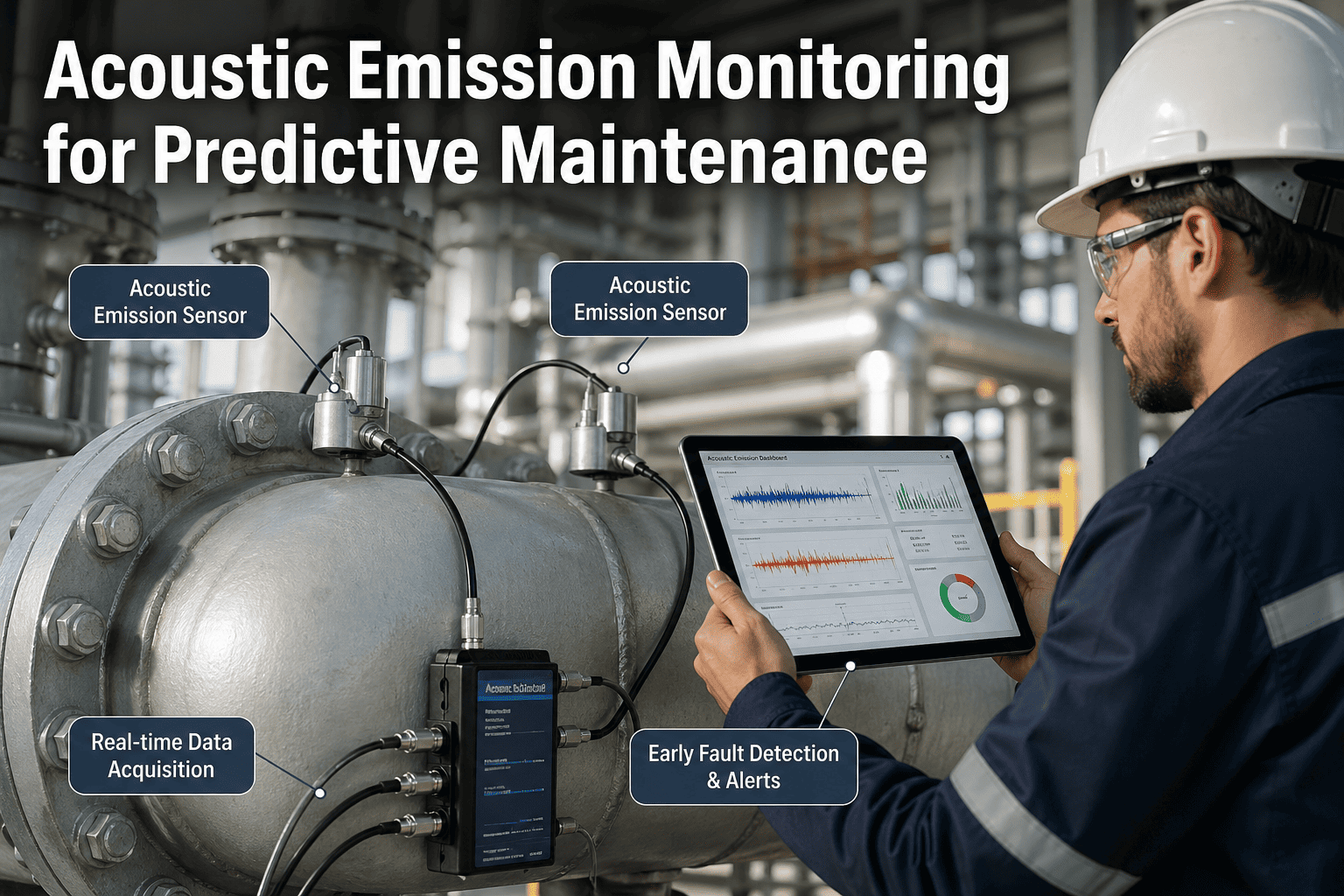
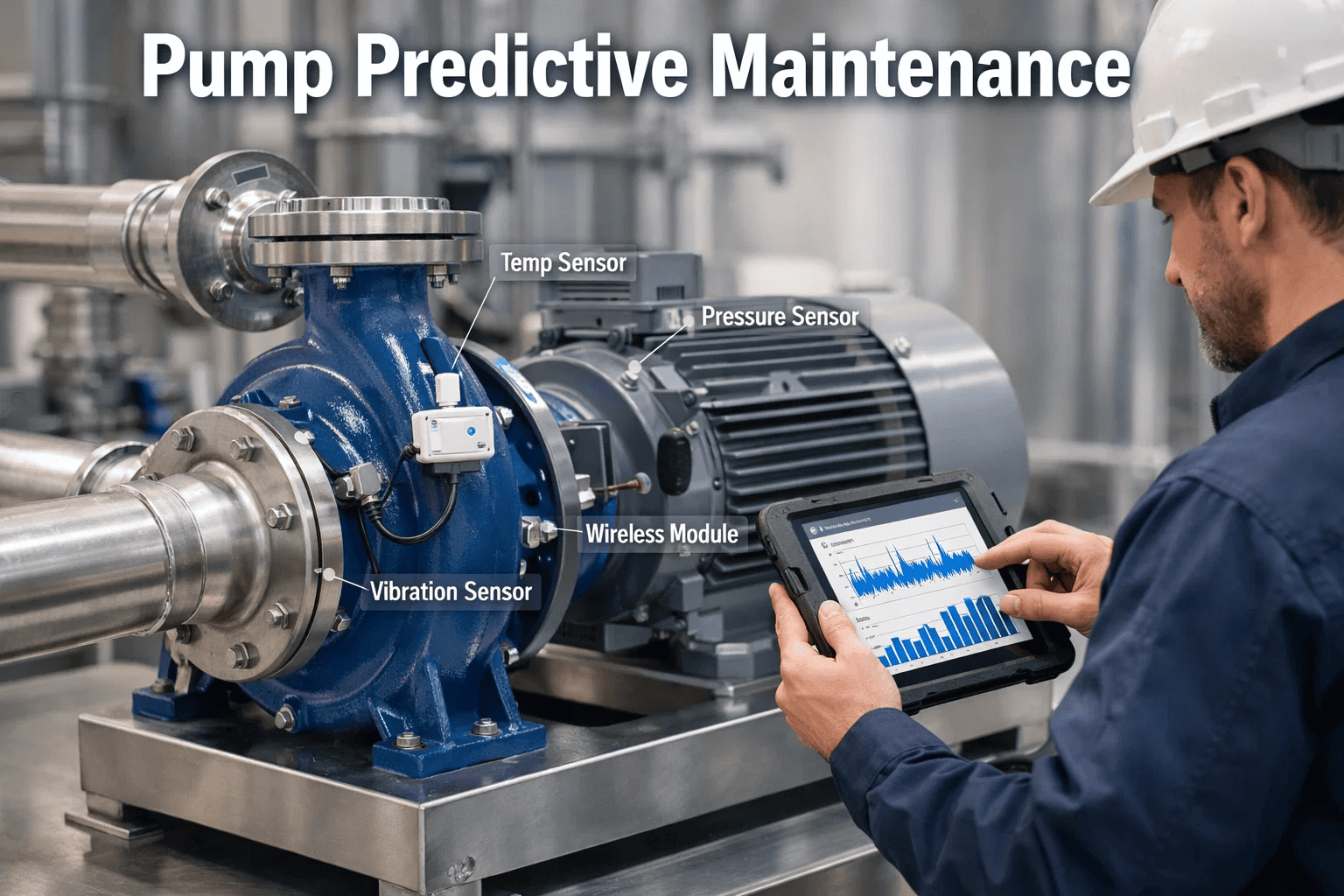
Industrial facilities lose an average of $260,000 per hour to unplanned downtime. The culprit is usually not catastrophic failure but the inability to detect problems early enough to prevent them. Traditional maintenance approaches respond to symptoms after equipment has already degraded, when repair costs have multiplied and production has stopped. IoT sensors for predictive maintenance reverse this equation entirely by detecting microscopic changes in vibration, temperature, pressure, and acoustics that signal degradation weeks or months before failure occurs. Start tracking equipment health in real time and transform every motor, pump, compressor, and conveyor into a continuously monitored asset with automated alerts that route directly to your maintenance team.
Stop Guessing When Equipment Will Fail.
Start Knowing.
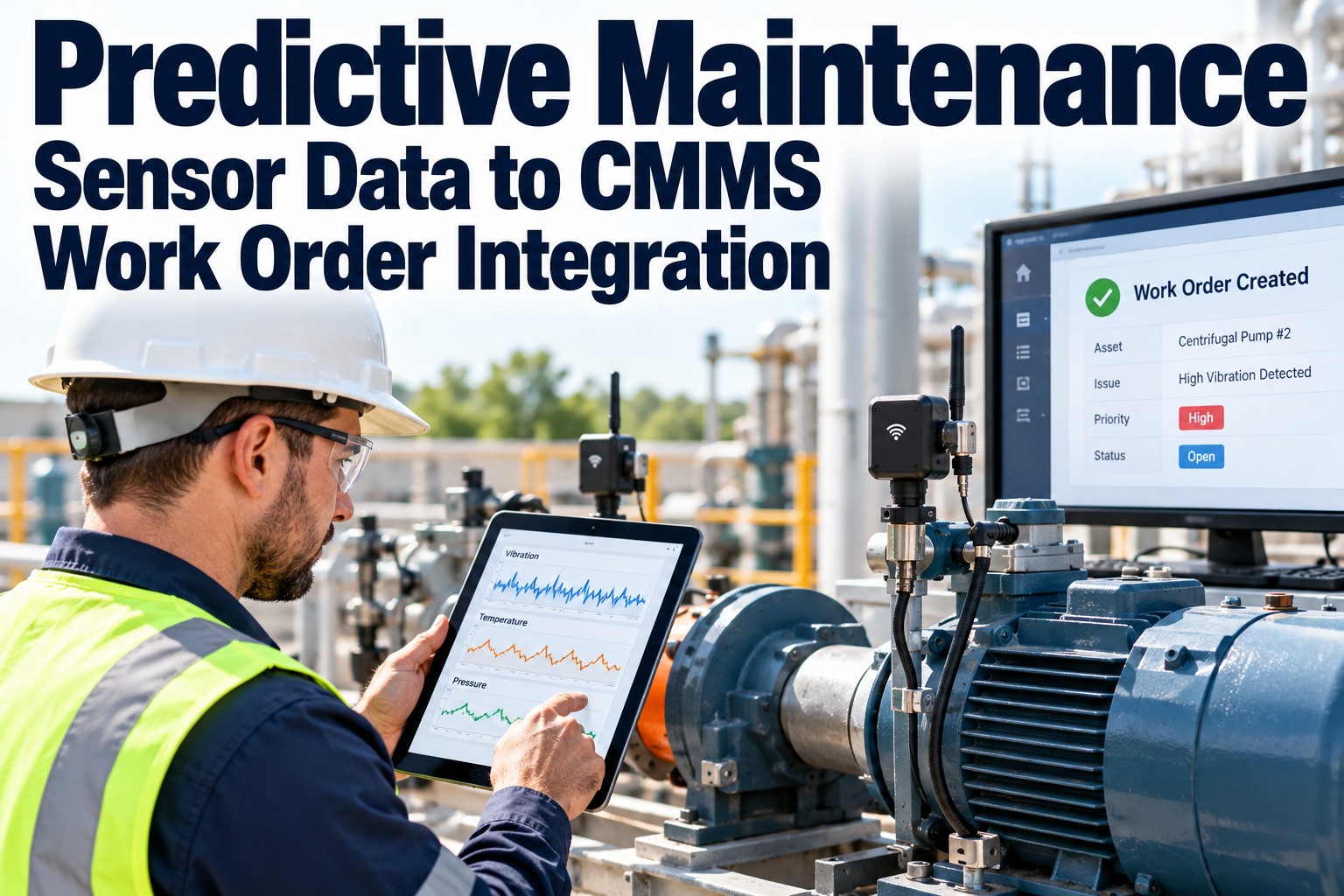
IoT sensors monitor the health signatures of critical equipment 24/7, detecting bearing wear, thermal drift, pressure anomalies, and vibration patterns that precede failure by weeks or months. When integrated with OxMaint's CMMS platform, sensor alerts trigger automatic work orders with prescriptive maintenance procedures, closing the loop from detection to resolution in minutes instead of days.
What IoT Sensors Actually Measure in Predictive Maintenance Programs
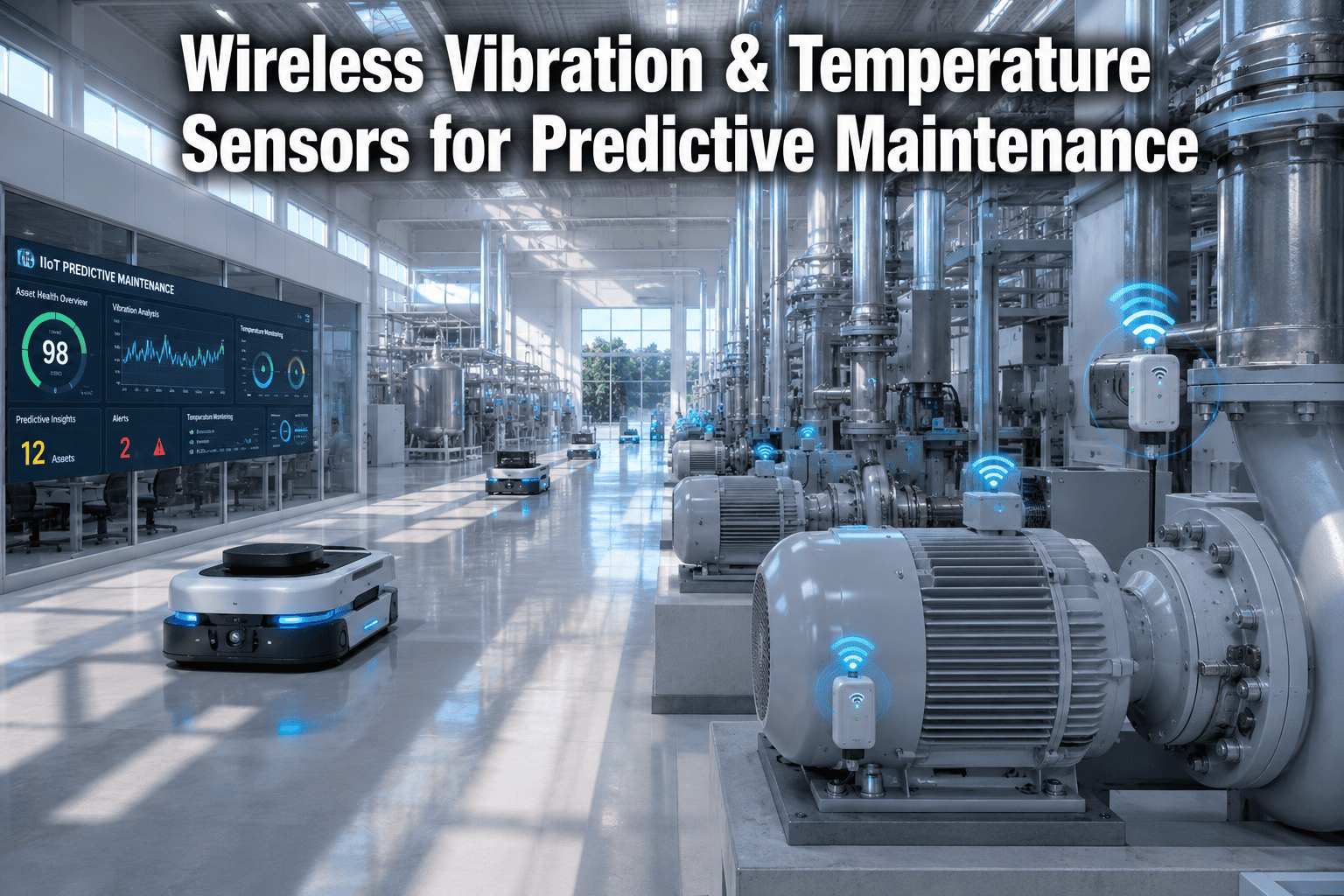
Industrial IoT sensors continuously monitor equipment condition parameters that correlate with specific failure modes. Each sensor type detects a different failure signature, and combining multiple sensor modalities provides comprehensive fault coverage across the degradation timeline. Modern predictive maintenance programs use multimodal sensing to catch failures that single-parameter monitoring would miss. Ready to implement sensor-driven maintenance? Book a demo to see how OxMaint integrates with industrial IoT platforms.
Vibration Sensors
Measure: Acceleration, velocity, displacement
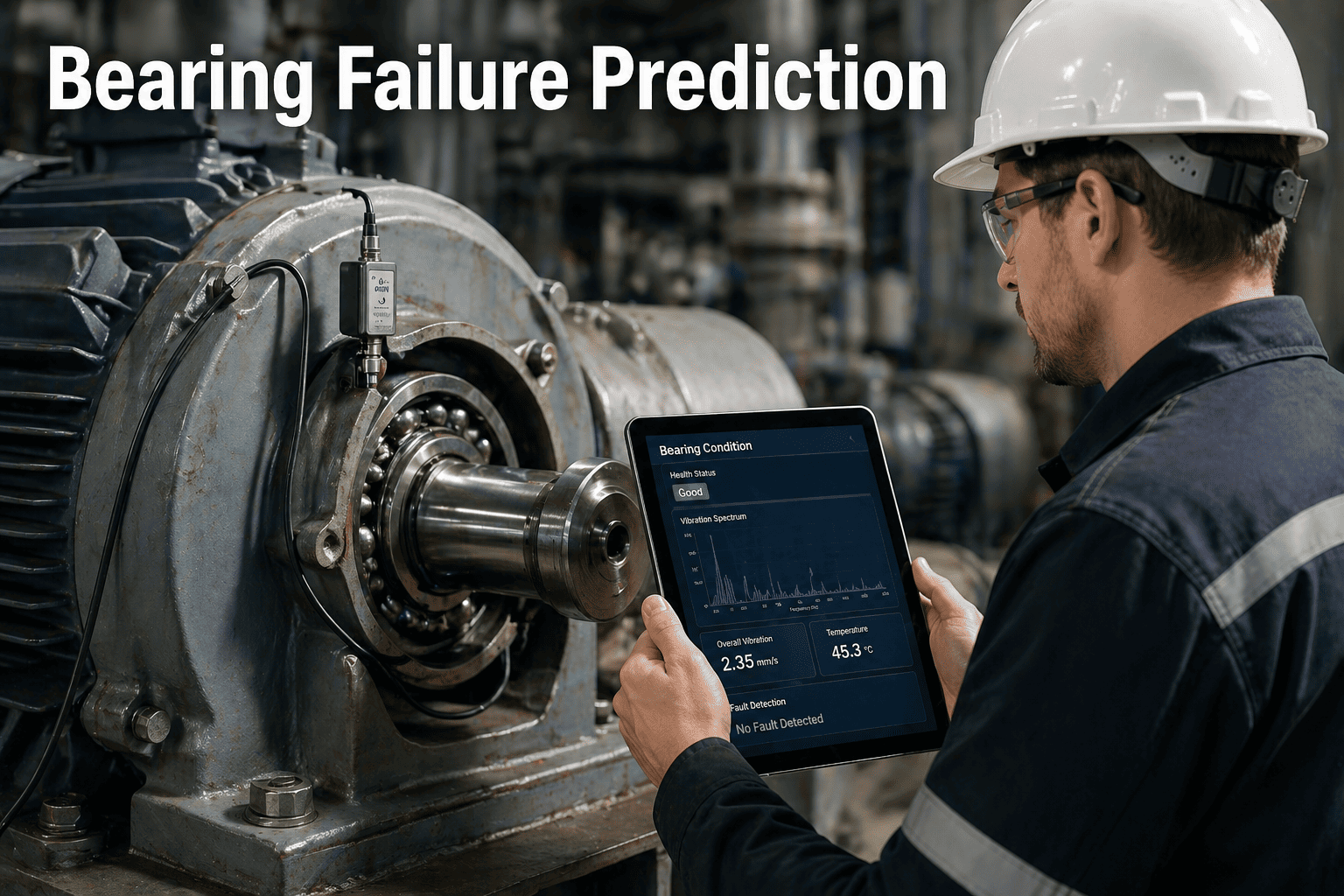
Detect bearing wear, misalignment, imbalance, looseness, and cavitation in rotating equipment. Wireless MEMS accelerometers provide three-axis monitoring with sampling rates from 1 kHz to 50 kHz depending on asset speed.
Temperature Sensors
Measure: Surface and ambient temperature
Track thermal drift in motors, bearings, electrical connections, and heat exchangers. RTD and thermocouple variants offer industrial-grade accuracy with response times under 5 seconds for rapid fault detection.
Pressure Sensors
Measure: Hydraulic and pneumatic system pressure
Monitor pump performance, detect leaks, and validate valve operation. Industrial pressure transducers withstand harsh environments with measurement ranges from vacuum to 20,000 PSI and accuracy within 0.25%.
Ultrasonic Sensors
Measure: High-frequency acoustic emissions
Detect friction, lubrication deficiency, compressed air leaks, and electrical arcing before vibration becomes measurable. Ultrasonic inspection provides earlier warning signals than any other sensing modality.
Current Sensors (MCSA)
Measure: Motor stator current waveforms
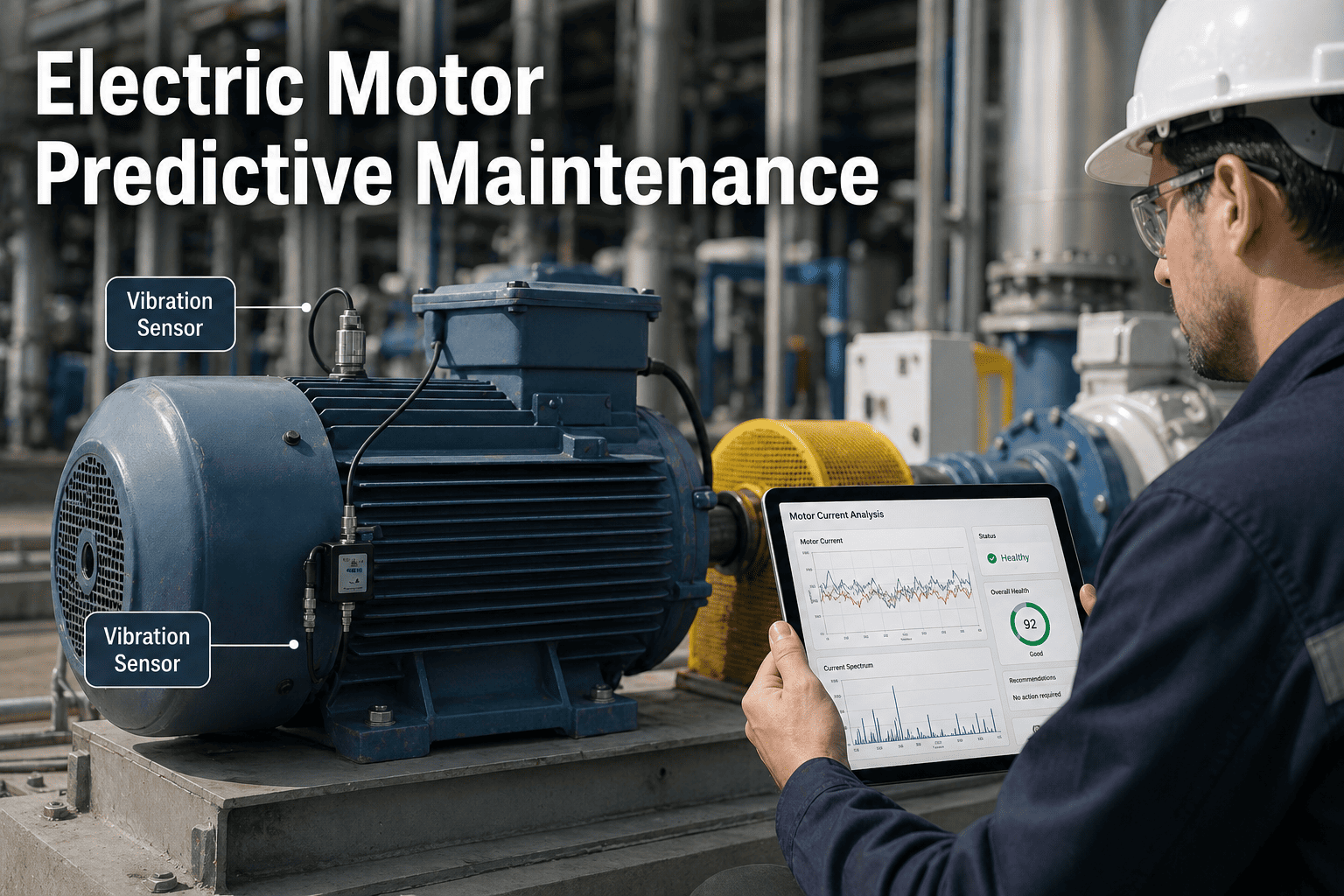
Motor Current Signature Analysis detects rotor bar cracks, stator faults, and mechanical load anomalies through frequency sideband analysis without physical asset contact or installation labor.
Acoustic Sensors
Measure: Audible frequency sound levels
Capture sound signatures that indicate gear tooth wear, belt slippage, and component impacts. Machine learning models trained on acoustic data achieve failure classification accuracy above 85% across diverse asset types.
The Four Layers of an IoT Predictive Maintenance System
A functional IoT predictive maintenance program requires integration across four dependent layers. Each must deliver reliable output to the next stage or the entire pipeline fails to produce actionable maintenance decisions. Organizations evaluating IoT predictive maintenance should assess capability depth at each layer before committing to hardware deployment.
Sensing and Data Acquisition
Industrial IoT sensors installed directly on equipment continuously measure condition parameters. Wireless sensors transmit data via BLE, LoRaWAN, NB-IoT, or cellular connectivity with battery life ranging from 6 months to 5 years depending on sampling frequency and transmission intervals.
Edge and Cloud Processing
Edge computing processes high-frequency sensor data locally to reduce latency and bandwidth costs. Anomaly detection algorithms run at the edge while machine learning model training occurs in the cloud. This hybrid architecture enables real-time alerts with sub-second response times while maintaining continuous model improvement.
AI Diagnostics and Fault Detection
Machine learning models analyze sensor data streams to identify degradation patterns that precede failure. Statistical methods like Fast Fourier Transform (FFT) detect frequency anomalies while neural networks learn asset-specific failure signatures from historical maintenance records and sensor baselines.
CMMS Integration and Work Order Execution
Fault alerts from the AI layer trigger automated work orders in the CMMS platform with asset context, failure mode diagnosis, and prescriptive maintenance procedures. OxMaint closes the execution loop by linking sensor alerts directly to technician mobile apps with step-by-step repair guidance and parts lists.
Matching Sensor Type to Failure Mode and Asset Category
Different failure modes require different sensing modalities. Effective predictive maintenance programs deploy sensors strategically based on asset criticality, failure consequences, and dominant failure mechanisms rather than installing sensors on every piece of equipment indiscriminately.
Motors, pumps, fans, compressors
Presses, cylinders, pumps
Switchgear, panels, transformers
Gearboxes, bearings, turbines
Actuators, air compressors
Belt systems, chain drives
Total Cost of Ownership for IoT Predictive Maintenance
Evaluating predictive maintenance ROI requires accounting for all cost layers from hardware through software subscriptions and implementation services. Sensor hardware represents just 20 to 30 percent of total deployment costs, with connectivity, platform fees, and integration labor comprising the majority of year-one spend.
Industrial-grade wireless IoT sensors with 2 to 5 year battery life. Costs vary by sensing modality, accuracy requirements, environmental rating, and communication protocol. Volume discounts reduce per-unit costs by 20 to 40 percent for deployments above 50 sensors.
Cellular IoT (NB-IoT, LTE-M) subscriptions or LoRaWAN gateway hardware and network server licenses. Cellular offers plug-and-play deployment while LoRaWAN provides lower ongoing costs but requires upfront gateway investment of $400 to $1,500 per site.
Cloud platform for data ingestion, storage, AI model execution, and alerting. Pricing models vary from per-sensor to per-site to usage-based. Enterprise platforms with advanced analytics and digital twin capabilities command premium pricing.
API integration development to connect IoT platform alerts with CMMS work order generation. OxMaint offers pre-built integrations with major IoT platforms, reducing implementation time from weeks to hours and eliminating custom development costs entirely. Start your free trial to explore native IoT integrations.
Wireless sensors reduce installation labor by 60 to 80 percent compared to wired alternatives. Mounting, configuration, and network commissioning typically requires 15 to 45 minutes per sensor depending on asset accessibility and site connectivity infrastructure.
Technician training on interpreting sensor alerts, updating work order completion data, and adjusting alert thresholds. Successful deployments allocate 2 to 3 days of training for maintenance teams plus ongoing reinforcement during the first 90 days of operation.
Five-Phase Deployment Strategy for IoT Predictive Maintenance
Successful IoT predictive maintenance deployments follow a phased approach that prioritizes high-value assets, validates sensor selection and placement, and scales systematically after proving ROI on initial pilots. Organizations that attempt facility-wide sensor deployments without piloting experience significantly higher failure rates and lower adoption.
Asset Criticality Assessment
Identify the 10 to 20 assets where unplanned downtime creates the highest production impact and repair costs. Maintenance teams already know these assets — they are the ones that trigger emergency calls, halt production lines, and consume disproportionate reactive maintenance budgets. Document failure modes, downtime costs, and current maintenance intervals for each.
Sensor Pilot on Critical Assets
Deploy wireless vibration and temperature sensors on 5 to 10 pilot assets representing different equipment types. Configure baseline thresholds, validate data transmission, and confirm alert delivery to maintenance team email or mobile apps. Run sensors for 30 days to establish normal operating baselines before enabling anomaly detection.
CMMS Integration and Workflow Design
Connect IoT platform API to OxMaint CMMS to auto-generate work orders from sensor alerts. Define which alert severity levels trigger immediate notification versus next-day PM scheduling. Train technicians on work order completion protocols that feed data back into AI models for continuous diagnostic improvement. Want to see this integration in action? Book a demo with our team.
Scale to Full Asset Coverage
Expand sensor deployment to 50 to 100 critical assets across multiple equipment categories. Install additional sensor types (pressure, ultrasonic, current) for multimodal monitoring on high-consequence assets. Refine alert thresholds based on pilot learnings to minimize false positives while maintaining early warning capability.
Continuous Optimization and Expansion
Review sensor alert accuracy and work order completion rates monthly. Identify assets with high false positive rates for threshold tuning or sensor repositioning. Calculate avoided downtime costs from early fault detection to quantify program ROI. Expand coverage to additional sites or lower-criticality assets as budget and team capacity allow.
How OxMaint Connects Sensor Alerts to Maintenance Execution
The distance between sensor alert and completed repair determines predictive maintenance ROI. OxMaint bridges this gap with native integrations that transform IoT platform alerts into dispatched work orders with technician assignment, parts reservation, and mobile-accessible repair procedures in under 60 seconds.
Sensor Detects Anomaly
IoT vibration sensor on production line motor detects bearing frequency deviation 3 standard deviations above baseline. AI diagnostic model classifies fault as inner race bearing defect with 89% confidence and estimates 2 to 4 week failure horizon.
Alert Triggers Work Order
IoT platform sends webhook to OxMaint API with asset ID, fault classification, severity level, and recommended intervention timeline. OxMaint creates high-priority work order, assigns to mechanical technician with bearing replacement skills, and reserves parts from inventory.
Technician Receives Mobile Dispatch
OxMaint mobile app notifies assigned technician with work order details, asset location QR code, bearing specification, and step-by-step replacement procedure. Technician schedules intervention during next planned production downtime window to avoid emergency shutdown.
Completion Feeds Back to AI
Technician confirms bearing replacement, attaches photos of damaged component, and closes work order in OxMaint. Completion data syncs back to IoT platform to validate AI diagnostic accuracy and retrain model with confirmed failure mode, improving future prediction precision.
What Changes When Equipment Health Becomes Visible
IoT predictive maintenance programs that integrate sensor data with CMMS execution platforms deliver measurable improvements in asset availability, maintenance cost efficiency, and safety outcomes within the first 6 to 12 months of operation.
Early fault detection allows scheduling repairs during planned maintenance windows instead of responding to emergency breakdowns that halt production lines.
Catching failures early reduces repair scope and labor hours. Replacing a $200 bearing during planned downtime costs less than repairing a $15,000 motor after catastrophic failure.
Condition-based maintenance extends equipment runtime between interventions while reducing the frequency and duration of maintenance-related production stoppages.
Organizations achieve positive ROI within 4 months on average through avoided downtime costs, reduced emergency repair expenses, and extended asset lifecycles.
Frequently Asked Questions About IoT Predictive Maintenance Sensors
Do IoT sensors require Wi-Fi or can they work in facilities without wireless infrastructure?
Modern industrial IoT sensors support multiple connectivity options including cellular (NB-IoT, LTE-M), LoRaWAN, and Bluetooth. Cellular sensors connect directly to carrier networks without requiring site infrastructure. LoRaWAN sensors require a single gateway per facility that costs $400 to $1,500 but can support hundreds of sensors with ranges up to 10 kilometers in open environments.
How accurate are IoT sensors at predicting equipment failures?
Diagnostic accuracy varies by sensor type and failure mode but modern systems achieve 85 to 95 percent accuracy in identifying degradation patterns. False positive rates under 5 percent are standard for properly configured systems. Accuracy improves over time as AI models learn from completed work orders that validate or correct initial predictions.
Can IoT sensors be installed on existing equipment or only new assets?
Wireless IoT sensors retrofit onto existing equipment without modifications to asset wiring or control systems. Sensors mount externally using magnetic bases, adhesive pads, or bolt-on brackets. Installation typically takes 15 to 45 minutes per sensor and requires no specialized tools or equipment shutdowns.
What is the battery life of wireless IoT sensors and how are they replaced?
Battery-powered industrial IoT sensors last 2 to 5 years depending on sampling frequency and transmission intervals. Sensors report battery status through the IoT platform, allowing proactive replacement scheduling. Some sensor models support in-field battery swaps while others use sealed enclosures and are fully replaced at end of battery life.
Does OxMaint work with any IoT sensor platform or only specific vendors?
OxMaint integrates with major industrial IoT platforms through REST API and webhook connections. Pre-built integrations exist for leading sensor vendors while custom integrations can be configured for specialized platforms. The integration connects sensor alerts to automatic work order generation with asset context and recommended procedures.
What is the minimum number of sensors needed to see ROI from predictive maintenance?
Pilot deployments start with 5 to 10 sensors on the highest-criticality assets where downtime costs exceed $5,000 per hour. These targeted deployments often achieve positive ROI within 2 to 3 months by preventing even a single unplanned failure. Full-facility programs with 50 to 100 sensors deliver facility-wide benefits within 6 to 12 months.
Every Sensor Alert. Every Work Order. Every Repair. Connected.
Sensor data without execution is just expensive noise. OxMaint transforms IoT alerts into dispatched work orders with the parts, procedures, and technician skills needed to prevent failures before they halt production. Start monitoring your critical assets today and see how predictive maintenance changes your maintenance strategy from reactive firefighting to proactive optimization.
Implementing IoT sensors across your facility? Get started with a free trial and connect your first sensors in under an hour.