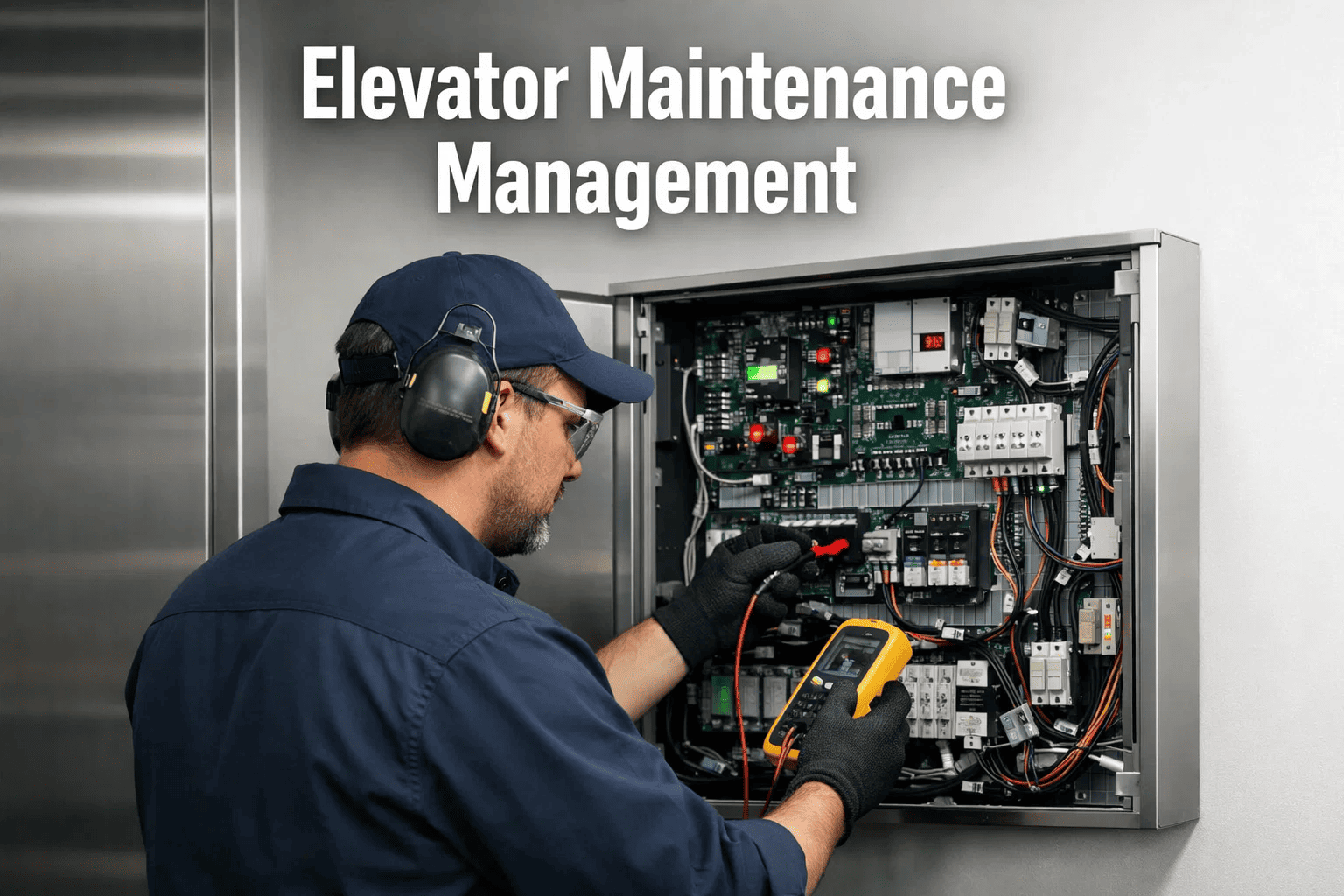
A well-structured elevator preventive maintenance checklist is the difference between reliable, compliant vertical transport and costly unplanned downtime. Technicians who inspect elevators from memory or photocopied paper forms miss critical wear indicators, turning minor adjustments into major equipment breakdowns. This guide outlines exactly what to inspect, how often to schedule visits, and how a digital elevator preventive maintenance checklist procedure can drive MTTR reduction and NFPA 70B compliance. Ready to standardize your PM program? You can Start Free Trial of OxMaint and digitize your work orders today.
ELEVATOR PM CHECKLIST
Stop Inspecting Elevators From Memory. Standardize Every PM Visit.
Missed steps become missed failures, and missed failures become unplanned downtime. Turn your elevator preventive maintenance checklist into a mobile, auditable, photo-verified workflow.
COMPLETE INSPECTION GUIDE
What to Inspect: Digital Elevator Preventive Maintenance Checklist
Every elevator preventive maintenance checklist procedure must cover six core domains. Missing just one domain increases equipment breakdown risk by up to 40% and compromises NFPA 70B compliance.
1. Mechanical Drive & Brakes
- Inspect steel ropes or belts for fraying, broken wires, and diameter reduction (replace at 6% wear).
- Measure sheave groove wear; verify alignment with a laser tool.
- Test brake torque, stroke, and spring tension; confirm brake pads exceed 3mm thickness.
- Check guide rails for lubrication and abnormal wear patterns.
2. Electrical & NFPA 70B Safety
- Perform infrared thermography on controllers and contactors to spot hot connections.
- Megger test motor windings for insulation resistance (minimum 1 Megohm).
- Verify door interlock continuity and safety circuit resistance.
- Inspect phase reversal, overload relays, and emergency power transfer.
3. Lubrication & Fluids
- Lubricate guide rails, sheave bearings, and door operators with OEM-specified grease.
- Check hydraulic fluid levels and inspect for leaks in cylinder seals.
- Verify oil viscosity and condition in geared reducers.
- Clean lubricator reservoirs and adjust drip rates to manufacturer specs.
4. Door Operators & Thresholds
- Measure door opening and closing speeds; adjust acceleration curves.
- Test door reopen devices (photoelectric edges and safety edges).
- Inspect sill grooves for debris that prevents proper interlocking.
- Check hall door hanger rollers and cam engagement tolerances.
5. Cab & Signal Fixtures
- Test emergency lighting, alarms, and hands-free communication.
- Verify floor leveling accuracy within 13mm (1/2 inch) under full load.
- Inspect ventilation fans and cab lighting for proper operation.
- Test load weighing sensor calibration and overload warnings.
6. Calibration & Replacement Thresholds
- Calibrate speed governor and test overspeed switch activation.
- Test buffer engagement and stroke for oil and spring buffers.
- Document replacement thresholds for ropes, pads, and sensors.
- Validate controller logic via diagnostic software for fault history.
PM FREQUENCY MATRIX
How Often Should You Schedule Elevator Preventive Maintenance?
Reliability engineering dictates that maintenance intervals should be driven by asset criticality, usage cycles, and environmental conditions, not just a generic calendar.
| Inspection Task | Recommended Frequency | Compliance Standard | OxMaint Trigger |
|---|---|---|---|
| Routine cleaning, lubrication, and visual safety check | Monthly | ASME A17.1 | Auto-generated Work Order |
| Mechanical drive, brake tolerance, and door operator test | Quarterly | OEM Spec / ISO 55000 | Mandatory Checklist Form |
| Electrical thermography, motor meggering, safety circuits | Semi-Annually | NFPA 70B | Photo Evidence Required |
| Full load weighing test, buffer strike, governor calibration | Annually | ASME A17.1 / FMCSA | Dedicated Asset History |
| Complete rope renewal and controller logic upgrade audit | Every 5 Years | Manufacturer Lifecycle | Predictive AI Alert |
32%
Average MTTR Reduction
Dropping from 4.2 hours to 2.8 hours via mobile PM execution.
$8.4K
Cost Avoided Per Downtime Event
Direct labor, lost productivity, and tenant remediation costs.
100%
NFPA 70B Audit Pass Rate
Digital logs provide instant proof of electrical safety checks.
FEATURE MAPPING
How OxMaint Powers Your Elevator PM Program
A 180-asset facility spending $42K annually on reactive elevator repairs can cut unplanned downtime by 30–50% by shifting to OxMaint’s standardized PM workflows.
Automated PM Scheduling
Eliminate paper checklists. OxMaint auto-generates elevator preventive maintenance checklist forms based on meter readings or calendar intervals, ensuring no asset is ever missed.
Outcome: Zero missed PM cycles, 100% schedule compliance.
Mobile Execution & Capture
Technicians complete the digital elevator preventive maintenance checklist on mobile devices. Mandatory fields force photo capture of worn brake pads and require e-signatures before work orders close.
Outcome: Eliminate paper, achieve real-time MTTR reduction.
Predictive Maintenance Analytics
OxMaint’s AI analyzes vibration, cycle counts, and thermography data to predict equipment breakdown before it happens—moving you from calendar-based PM to condition-based reliability engineering.
Outcome: Catch failures early, extend asset life by 20%+.
Spare Parts & Inventory Sync
Automatically deduct ropes, grease, and contactors from spare parts management modules as technicians log their work. Never halt an elevator PM because a critical part is out of stock.
Outcome: 45% lower inventory holding costs, zero stockouts.
See OxMaint on Your Elevators — Book a 30-Min Demo
Watch how fast you can deploy a fully compliant, photo-verified elevator preventive maintenance checklist template across your entire portfolio.
FAQS
Elevator Preventive Maintenance Checklist Requirements
What are the standard elevator preventive maintenance checklist requirements?
A compliant checklist must cover mechanical drive systems, electrical safety circuits, lubrication, door operators, cab fixtures, and calibration thresholds. It must align with ASME A17.1 and NFPA 70B compliance standards, requiring documented evidence like photos and e-signatures to verify each step was completed during the inspection.
How does a digital elevator preventive maintenance checklist form improve reliability?
Digital forms enforce standardization by using mandatory fields that prevent technicians from closing work orders without inputting required data or photos. This eliminates human error, ensures every asset receives the same quality of care, and feeds historical data back into reliability engineering for continuous MTTR reduction.
How often should elevator preventive maintenance be performed?
Routine cleaning and lubrication should occur monthly, while deep mechanical and electrical testing should happen quarterly or semi-annually. Full load tests and safety governor calibrations are required annually. To see how OxMaint automates these exact intervals, Book a Demo today.
Can I use an elevator preventive maintenance checklist example for NFPA 70B audits?
Yes, but only if the example captures thermography scans, megger test results, and safety circuit verifications. OxMaint stores every checklist form against the specific asset's profile, giving you an immutable, time-stamped record that satisfies even the most rigorous NFPA 70B audit requirements instantly.
What maintenance KPI should I track for elevator PM?
The most critical maintenance KPI metrics for elevators are Mean Time Between Failures (MTBF), Mean Time To Repair (MTTR), PM schedule compliance, and equipment breakdown frequency. Tracking these KPIs helps identify poorly performing assets and validates that your preventive maintenance program is actually reducing reactive maintenance costs.
Ready to Modernize Your Elevator PM Strategy?
Join reliability teams using OxMaint to cut downtime, enforce compliance, and predict failures before they happen.
Free 14-day trial · No credit card required