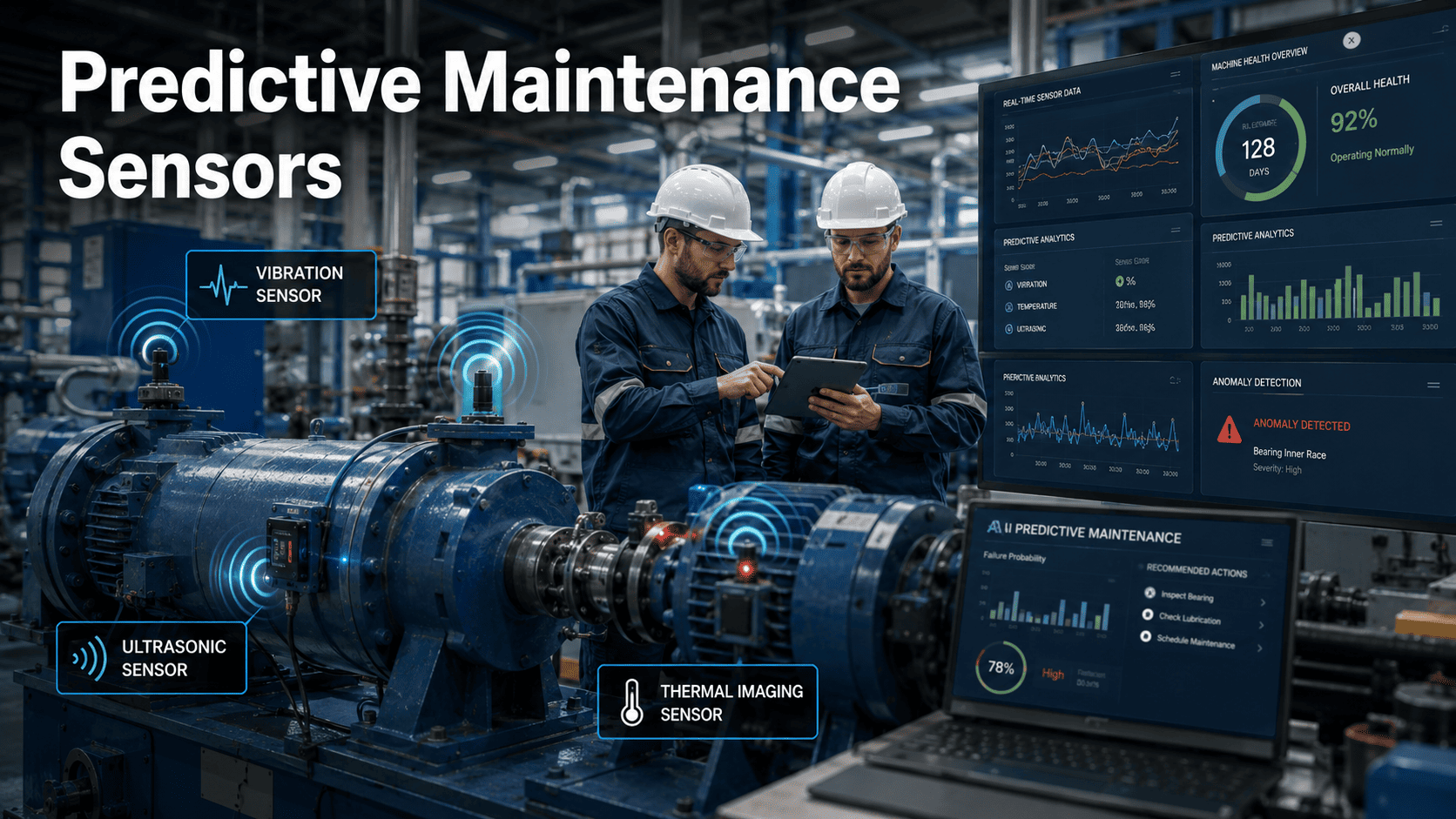
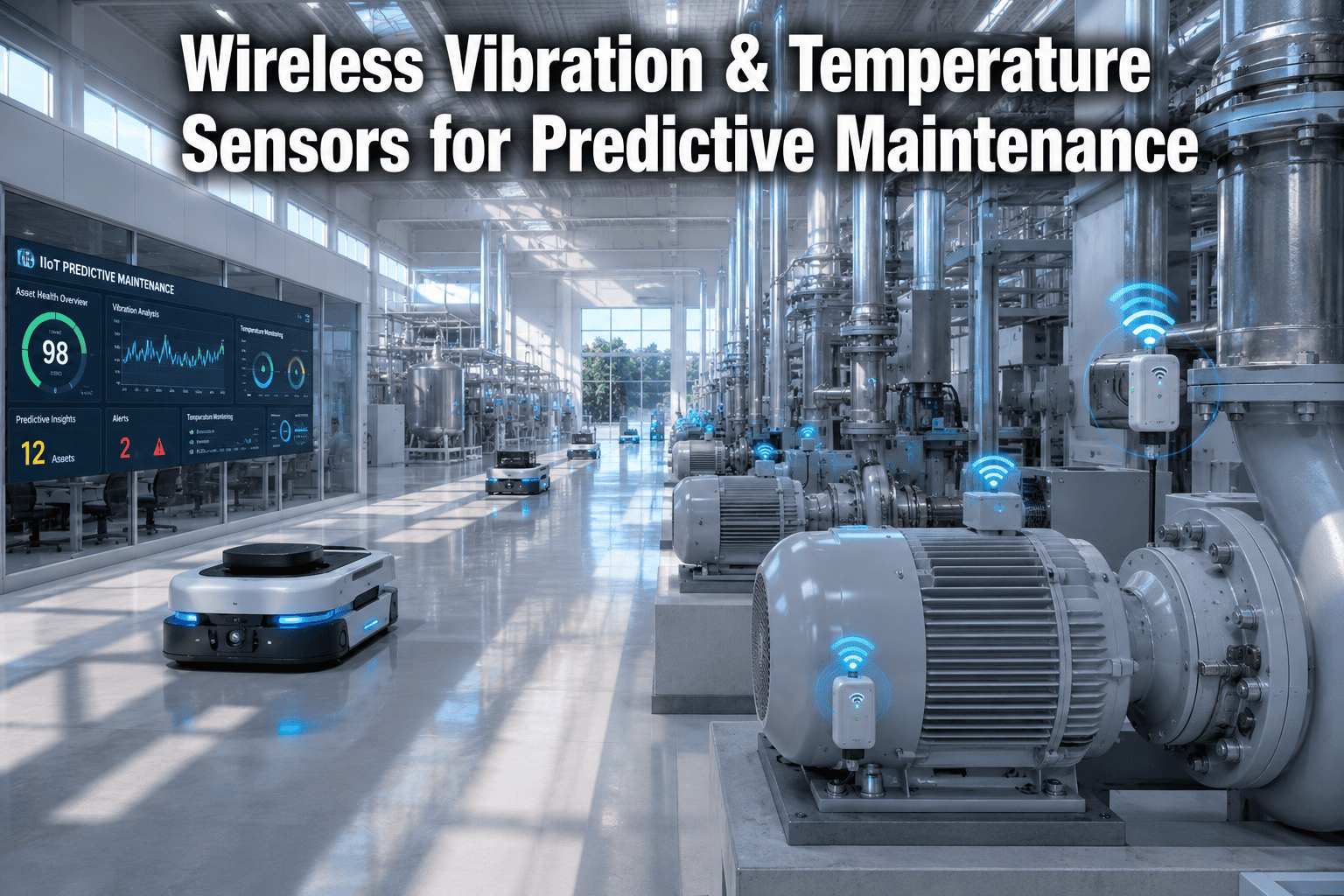
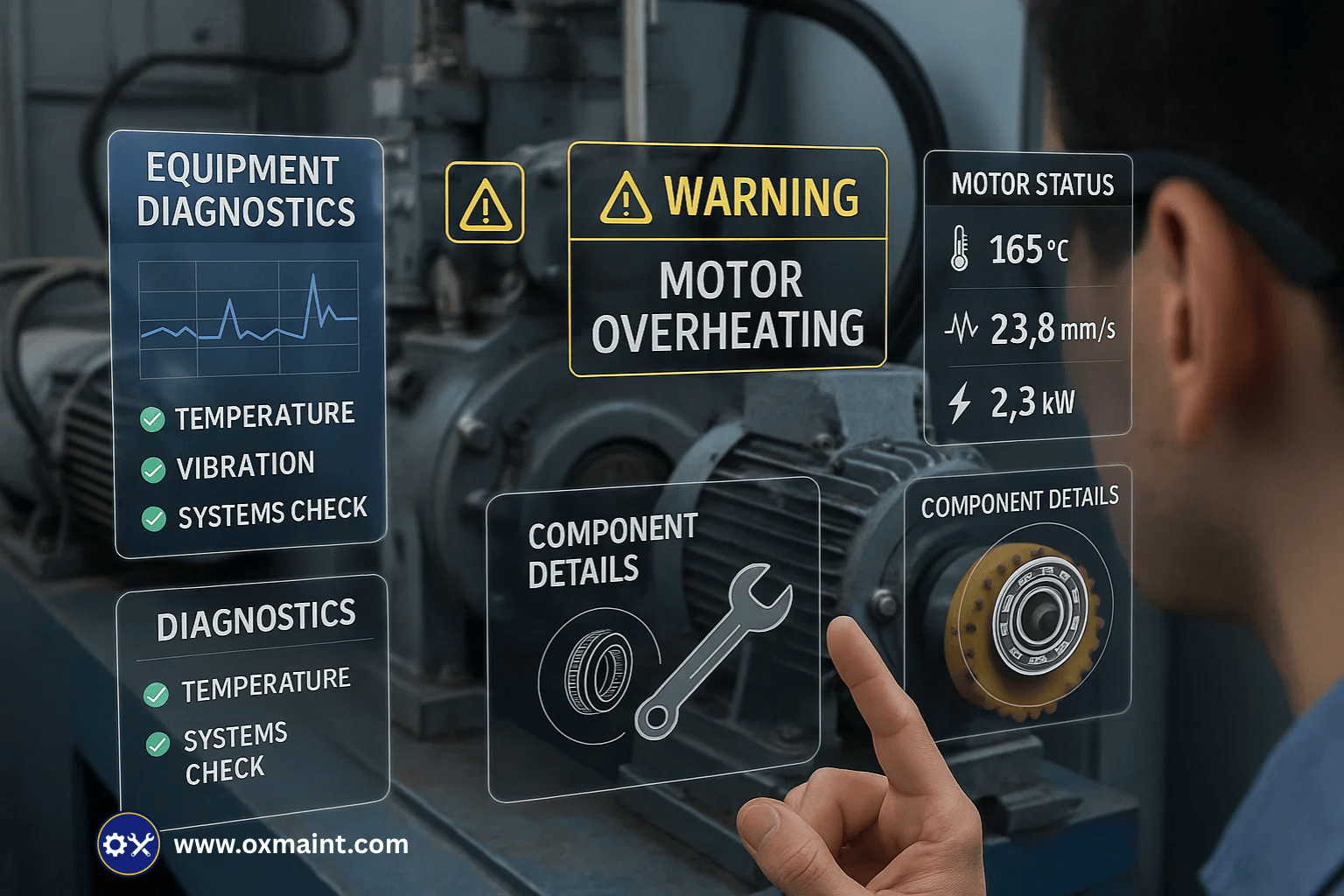
The manufacturing industry stands at the precipice of a sensor revolution. As Industry 4.0 continues to reshape production floors across America, the demand for continuous monitoring and data collection has never been higher. However, traditional battery-powered sensors present significant challenges: frequent maintenance, replacement costs, and the risk of unexpected downtime when batteries fail at critical moments.
Energy harvesting technology offers a compelling solution to these challenges, enabling sensors to operate indefinitely by capturing and converting ambient energy from their environment. This breakthrough technology is transforming how manufacturing professionals approach sensor deployment, maintenance, and long-term operational strategy.
Understanding Energy Harvesting in Manufacturing Environments
Energy harvesting, also known as energy scavenging, refers to the process of capturing small amounts of energy from ambient sources and converting them into usable electrical power. In manufacturing settings, these energy sources are abundant and include vibrations from machinery, temperature differentials, electromagnetic fields, and even light from facility lighting systems.
Key Energy Sources in Manufacturing:
Mechanical Vibrations: Motors, pumps, conveyor systems, and rotating equipment generate consistent vibrational energy that can be converted to electrical power through piezoelectric or electromagnetic transducers.
Thermal Gradients: Temperature differences between hot machinery and ambient air create opportunities for thermoelectric generators to produce steady power output.
Electromagnetic Fields: Industrial equipment generates electromagnetic radiation that can be captured using specialized antennas and rectifier circuits.
Photovoltaic Sources: Even indoor lighting can provide sufficient energy for low-power sensor applications through small solar cells.
Types of Self-Powered Sensor Technologies
Modern energy harvesting sensors employ various technologies to match the specific energy sources available in different manufacturing environments. Understanding these technologies helps manufacturing professionals make informed decisions about sensor deployment strategies.
Piezoelectric Sensors excel in environments with consistent mechanical vibrations. These sensors convert mechanical stress directly into electrical energy, making them ideal for monitoring rotating equipment, conveyor systems, and vibrating machinery. The power output scales with vibration amplitude, providing more energy during periods of high activity.
Thermoelectric Sensors leverage temperature differences to generate power through the Seebeck effect. These sensors are particularly effective near heat-generating equipment such as furnaces, engines, or electrical panels where temperature gradients remain consistent throughout operations.
Electromagnetic Sensors capture energy from radio frequency emissions and magnetic fields present in industrial environments. These sensors can operate in locations where mechanical vibrations are minimal but electromagnetic activity is high, such as near motor control centers or high-power electrical equipment.
Operational Benefits and Cost Savings
The implementation of energy harvesting sensors delivers substantial operational benefits that directly impact manufacturing efficiency and profitability. These benefits extend beyond simple cost savings to encompass improved reliability, enhanced data quality, and reduced operational complexity.
Maintenance Cost Reduction
Traditional battery-powered sensors require regular maintenance schedules, with typical industrial batteries lasting 1-3 years depending on usage patterns. Energy harvesting sensors eliminate this maintenance burden entirely, reducing labor costs and preventing unexpected sensor failures that could compromise critical monitoring systems.
Deployment flexibility represents another significant advantage. Self-powered sensors can be installed in previously inaccessible locations where battery replacement would be difficult or dangerous. This expanded deployment capability enables more comprehensive monitoring coverage and better data collection across entire manufacturing operations.
Data reliability improves dramatically when sensors maintain consistent power supply. Battery-powered sensors often experience data gaps as batteries degrade, while energy harvesting sensors provide continuous operation as long as their energy source remains available. This consistency is crucial for predictive maintenance algorithms and quality control systems that depend on uninterrupted data streams.
Implementation Considerations and Best Practices
Successful deployment of energy harvesting sensors requires careful consideration of environmental factors, power requirements, and integration with existing systems. Manufacturing professionals must evaluate these factors to ensure optimal sensor performance and return on investment.
Energy source assessment forms the foundation of any successful implementation. Facilities should conduct thorough energy audits to identify the most reliable and abundant energy sources in target monitoring locations. This assessment should include vibration amplitude measurements, temperature differential analysis, and electromagnetic field strength evaluation.
Power management strategies must align sensor power consumption with available harvested energy. Modern energy harvesting sensors incorporate sophisticated power management circuits that optimize energy storage and consumption patterns. These systems often include energy storage components such as supercapacitors or rechargeable batteries that store excess energy during high-generation periods for use during low-generation intervals.
Integration Requirements:
Communication protocols must be compatible with existing manufacturing execution systems and data collection platforms. Many energy harvesting sensors support standard industrial protocols including Modbus, Ethernet/IP, and wireless standards such as LoRaWAN or Zigbee.
Data processing capabilities should match the intended application requirements. Some sensors provide raw data output, while others include onboard processing for alarm generation, trend analysis, or predictive maintenance calculations.
Future Trends and Technology Evolution
The energy harvesting sensor market continues to evolve rapidly, driven by advances in materials science, power electronics, and sensor miniaturization. Manufacturing professionals should understand these trends to make informed long-term technology investments.
Multi-source energy harvesting represents an emerging trend where sensors combine multiple energy collection methods to maximize power availability and reliability. These hybrid systems might combine piezoelectric and thermoelectric generators, or incorporate photovoltaic cells alongside electromagnetic harvesting to ensure consistent power supply across varying operational conditions.
Artificial intelligence integration is becoming increasingly common in energy harvesting sensors. AI algorithms optimize energy collection and consumption patterns while providing advanced analytics capabilities for predictive maintenance and process optimization. These smart sensors can adapt their operation based on available energy and critical monitoring requirements.
Wireless communication advances continue to reduce power consumption requirements, making energy harvesting more viable for data-intensive applications. New low-power wide-area network technologies enable sensors to transmit data over long distances while consuming minimal power, expanding deployment possibilities throughout large manufacturing facilities.
Conclusion
Energy harvesting technology represents a fundamental shift in manufacturing sensor deployment strategy. By eliminating battery dependency, these self-powered sensors offer unprecedented operational flexibility, reduced maintenance costs, and improved data reliability. As manufacturing facilities continue to embrace digital transformation and Industry 4.0 initiatives, energy harvesting sensors provide the foundation for comprehensive, maintenance-free monitoring systems.
The technology has matured to the point where deployment risks are minimal, and the operational benefits are well-documented across various manufacturing sectors. Forward-thinking manufacturing professionals who implement energy harvesting sensors today will gain significant competitive advantages through improved operational efficiency, reduced maintenance costs, and enhanced data-driven decision-making capabilities.
Success with energy harvesting sensors requires careful planning, proper energy source assessment, and integration with existing systems. However, the long-term benefits far outweigh the initial implementation considerations, making this technology an essential component of modern manufacturing operations.