Manufacturing plants face unprecedented scrutiny when it comes to food safety at work. With regulatory requirements becoming more stringent and consumer awareness at an all-time high, having a comprehensive safety inspection template and robust safety management system is no longer optional—it's essential for business survival.
The FDA now conducts over 20,000 inspections annually with penalties reaching millions of dollars.
The Food Safety Modernization Act requires proactive safety management through preventive controls rather than reactive responses. Major retailers demand extensive safety documentation before carrying products, while social media can amplify food safety incidents globally within hours.
The Critical Importance of Food Safety in Manufacturing Plants
Food safety in the workplace has evolved from a basic requirement to a complex, multi-layered discipline that encompasses every aspect of manufacturing operations. Modern manufacturing facilities must integrate comprehensive workplace health protocols, site safety measures, and rigorous hygiene and safety standards to protect both workers and consumers.
Critical Warning
The consequences of food safety failures extend far beyond regulatory fines. A single contamination incident can result in product recalls costing millions, permanent brand damage, legal liability, and potential criminal charges. Moreover, poor safety management puts workers at risk and can lead to serious workplace injuries, OSHA violations, and workers' compensation claims.
Key Benefits of Effective Safety Inspection
- Ensure compliance with FDA, USDA, and local health department regulations
- Protect the health and safety of employees
- Identify potential hazards before they become serious problems
- Support continuous improvement initiatives
- Demonstrate due diligence to regulatory authorities
Understanding Regulatory Framework and Compliance Requirements
Manufacturing plants must navigate a complex web of regulations that govern food safety at work. The Food Safety Modernization Act (FSMA) has fundamentally changed how facilities approach preventive controls, requiring science-based hazard analysis and risk-based preventive controls.
FSMA Requirements
Emphasizes proactive safety management rather than reactive responses to contamination events
OSHA Regulations
Cover work safety and workplace health including PPE requirements and emergency protocols
cGMPs
Provide foundation for personnel hygiene, facility maintenance, and equipment sanitation
Comprehensive Food Safety Inspection Framework
Developing an effective safety inspection template requires understanding the critical control points throughout manufacturing operations. A comprehensive framework should address all aspects of workplace safety and food protection.
Essential Framework Components
Pre-Inspection Preparation and Planning
Pro Tip
Successful safety inspections begin long before the inspector arrives. Comprehensive preparation involves reviewing all documentation, conducting internal pre-inspections, and ensuring all safety equipment is properly maintained and calibrated.
Essential Document Preparation
Document preparation is critical for demonstrating compliance with food safety regulations. Having these documents organized and readily accessible shows inspectors that your facility takes compliance seriously.
| Document Type | Purpose | Retention Period |
|---|---|---|
| HACCP Plans | Hazard analysis and critical control points | 2+ years |
| Training Records | Employee competency verification | Duration of employment + 3 years |
| Calibration Records | Equipment accuracy verification | 2+ years |
| Supplier Verification | Incoming material safety assurance | 2+ years |
Detailed Inspection Checklist Categories
Personnel Hygiene and Training
Personnel hygiene forms the foundation of food safety in the workplace. Workers must understand and consistently follow proper hygiene protocols to prevent contamination.
Personnel Hygiene Checklist
Facility and Infrastructure
Building maintenance directly impacts food safety through its effect on pest control, cleaning effectiveness, and contamination prevention.
Structural Integrity
- No cracks in walls or floors
- Adequate lighting in all work areas
- Proper ventilation systems
Water Quality
- Potable water meets standards
- Non-potable systems clearly marked
- Regular testing documentation
Waste Management
- Appropriate waste containers
- Regular removal schedules
- Clean waste storage areas
Equipment and Sanitation
Equipment design, installation, and maintenance significantly impact food safety outcomes. All safety equipment must be properly maintained to ensure effective operation.
Critical Equipment Requirements
Food contact surfaces must be smooth, non-absorbent, and easily cleanable. Equipment must be installed to allow thorough cleaning and inspection. Regular maintenance prevents equipment failures that could compromise food safety.
Chemical Control and Storage
Chemical management encompasses everything from cleaning chemicals to pest control materials and maintenance supplies. Proper storage prevents cross-contamination while ensuring chemicals remain effective and safe to use.
Chemical Management Checklist
Pest Control Management
Integrated Pest Management (IPM) programs provide comprehensive pest control while minimizing risks associated with pesticide use in food facilities.
Creating Effective Safety Audit Templates
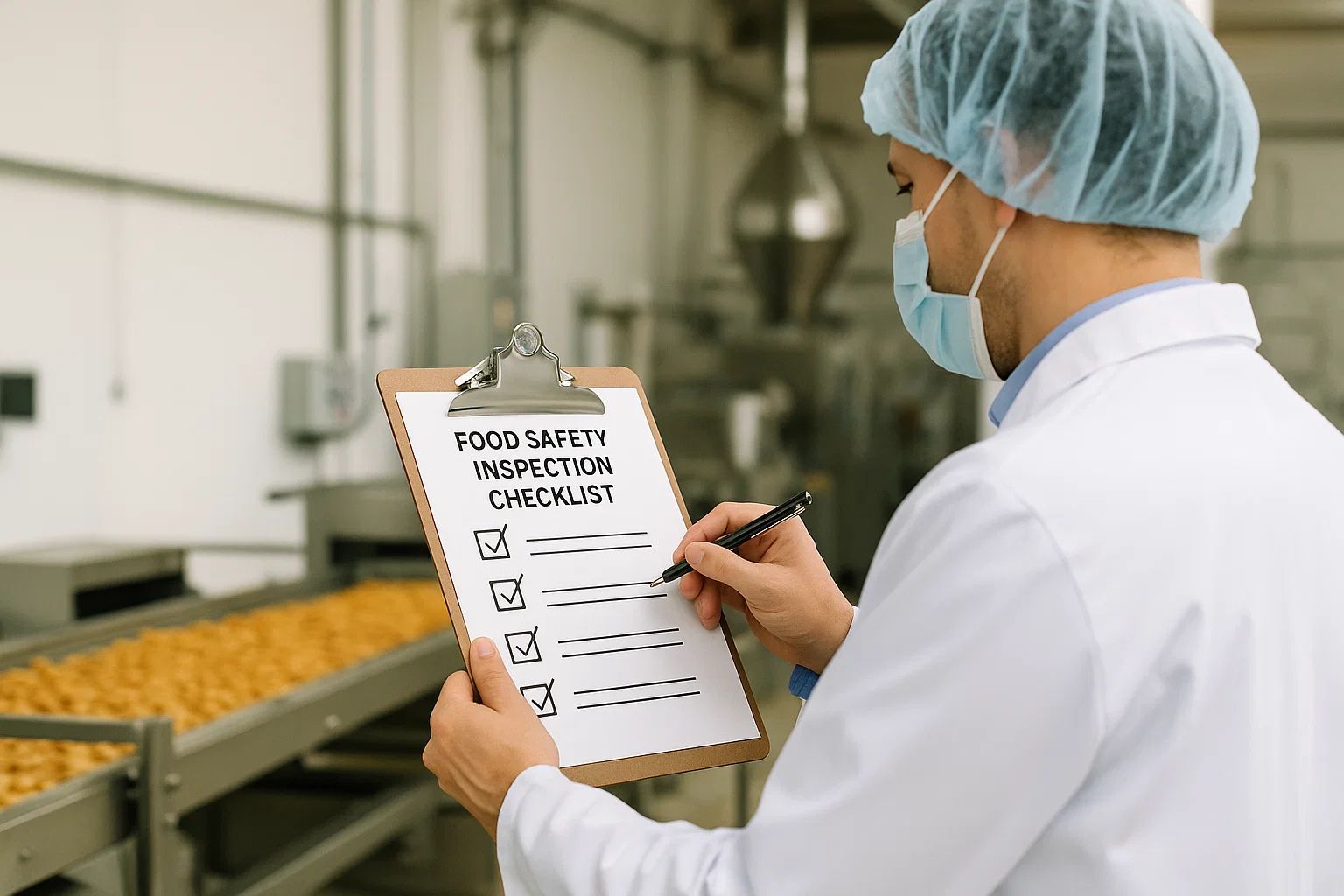
A well-designed health and safety audit template streamlines inspection processes while ensuring comprehensive coverage of all critical areas.
Template Design Best Practices
- Include clear inspection criteria
- Provide space for documenting observations
- Include provisions for follow-up actions
- Enable digital capabilities for photos and reports
- Allow customization for specific facility needs
Technology Integration and Digital Solutions
Modern technology offers significant advantages for managing food safety inspection programs. Digital inspection tools can improve efficiency while providing better documentation and analysis capabilities.
Mobile Applications
Conduct inspections using tablets or smartphones with immediate access to checklists and documentation
Cloud-Based Systems
Enable real-time data sharing and analysis for faster decision-making
IoT Sensors
Provide continuous monitoring of critical parameters like temperature and humidity
Common Inspection Violations and Prevention
Understanding common inspection violations helps facilities focus their prevention efforts on the most likely problem areas.
Most Frequent Violations
- Inadequate handwashing facilities
- Improper chemical storage
- Insufficient cleaning procedures
- Incomplete documentation
- Temperature control failures
Training and Implementation Strategies
Successful implementation of food safety inspection programs requires comprehensive training at all organizational levels. Work health and safety training must be practical, relevant, and regularly reinforced.
Management Training
Focus on regulatory requirements, program management, and resource allocation
Supervisor Training
Emphasize implementation, corrective actions, and employee coaching
Employee Training
Include hands-on practice with safety equipment and hygiene techniques
Cost-Benefit Analysis of Comprehensive Food Safety Programs
Investment in comprehensive food safety programs provides significant returns through reduced recall risks, lower insurance premiums, and improved operational efficiency.
Return on Investment Benefits
- Reduced product recall risks
- Lower insurance premiums
- Improved operational efficiency
- Enhanced customer confidence
- Reduced regulatory fines
- Lower maintenance costs
Industry Best Practices and Benchmarking
Learning from industry best practices helps facilities improve their food safety programs beyond minimum compliance requirements. Workplace safety excellence requires continuous learning and improvement.
Third-Party Certifications
Certifications like SQF, BRC, or FSSC 22000 provide structured frameworks for food safety management and can enhance customer confidence. These certifications require comprehensive documentation, regular audits, and continuous improvement activities.
Implementation Roadmap
Implementing a comprehensive food safety inspection program requires commitment from all organizational levels, adequate resources, and a systematic approach to program development. Success depends on understanding regulatory requirements, developing appropriate procedures, training personnel effectively, and maintaining consistent implementation over time.
The foundation of any successful program is management commitment and resource allocation. This includes providing adequate staffing, appropriate safety equipment, and ongoing training to ensure program effectiveness.
Conclusion
Your facility's food safety program should be viewed as a competitive advantage that protects your brand, your customers, and your employees. The investment in comprehensive food safety programs provides returns far beyond regulatory compliance, supporting long-term business success and sustainability.
Key Takeaways
- Use comprehensive safety audit checklists for all inspections
- Implement robust safety management systems
- Maintain detailed documentation with safety inspection templates
- Invest in proper safety equipment and training
- Focus on workplace health and employee protection
- Conduct regular health and safety audits
- Ensure hygiene and safety protocols are followed consistently
The time to act is now—begin implementing these comprehensive inspection procedures today to protect your operation's future.