Manufacturing facilities face unprecedented challenges in maintaining optimal indoor air quality while balancing productivity, worker health, and regulatory compliance. As industrial operations become more complex and environmental standards more stringent, facility managers are turning to advanced air quality technologies to create healthier work environments and drive operational excellence.
The integration of smart air quality monitoring systems, automated ventilation controls, and real-time environmental tracking represents a fundamental shift in how manufacturing facilities approach worker wellness and operational efficiency. These technologies not only protect employee health but also contribute to reduced absenteeism, improved productivity, and enhanced regulatory compliance.
Modern manufacturing facilities that implement comprehensive air quality management systems report up to 25% reduction in respiratory-related sick days and 15% improvement in overall worker productivity. The return on investment typically occurs within 18-24 months through reduced healthcare costs and increased operational efficiency.
The Critical Role of Indoor Air Quality in Manufacturing Facilities
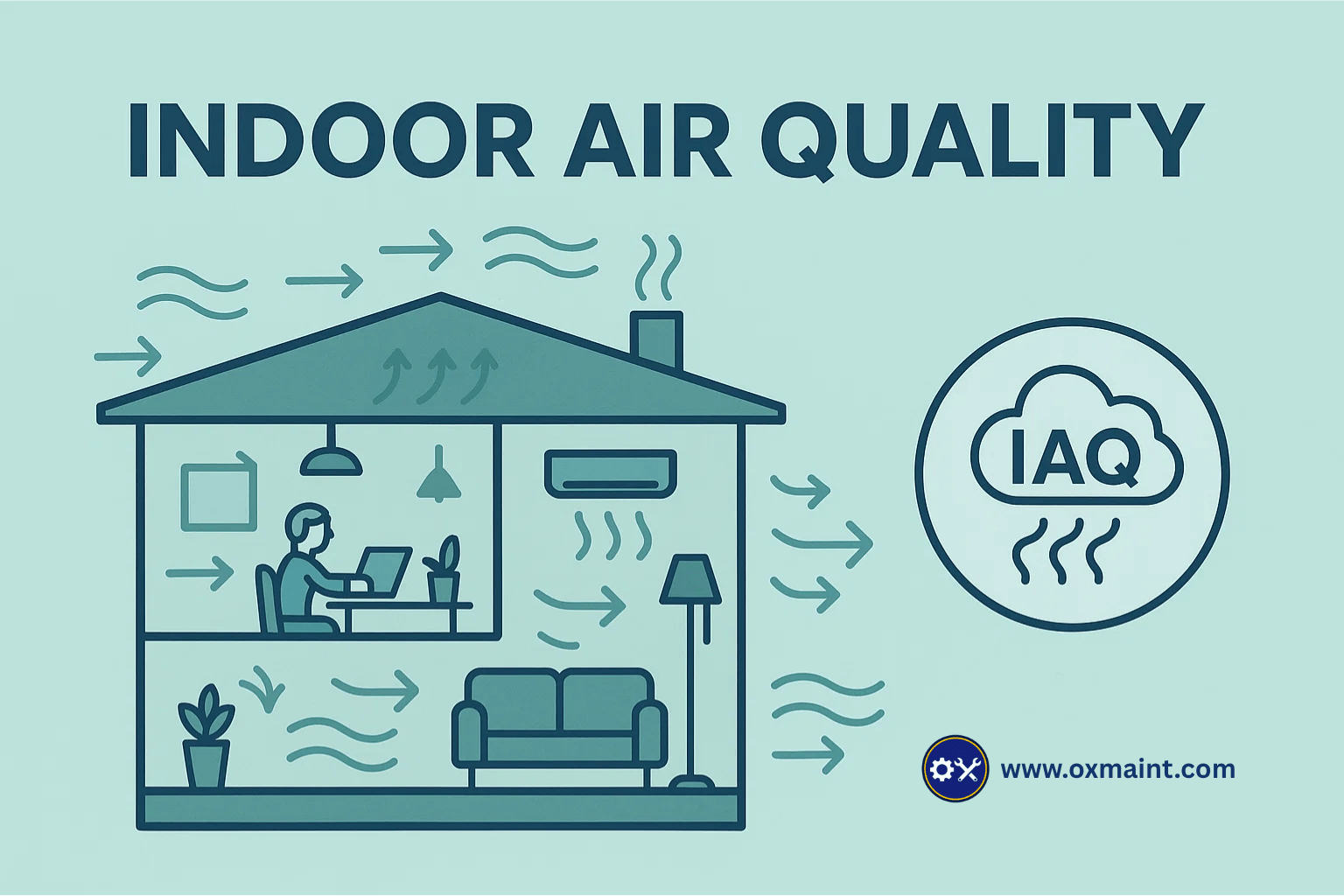
Manufacturing environments present unique air quality challenges due to the presence of chemical vapors, particulate matter, volatile organic compounds (VOCs), and varying temperature and humidity levels. Poor indoor air quality directly impacts worker health, leading to increased respiratory issues, fatigue, and decreased cognitive function that ultimately affects production quality and efficiency.
Advanced air quality monitoring systems provide real-time data on multiple environmental parameters including PM2.5 and PM10 particulate levels, CO2 concentrations, VOC measurements, temperature, and humidity. This continuous monitoring enables facility managers to identify air quality issues before they impact worker health or production processes.
Particulate Matter (PM2.5/PM10), Volatile Organic Compounds (VOCs), Carbon Dioxide (CO2), Carbon Monoxide (CO), Nitrogen Dioxide (NO2), Ozone (O3), Temperature and Humidity Levels, Chemical-specific contaminants based on manufacturing processes.
Advanced Air Quality Monitoring Technologies
Today's air quality monitoring systems leverage Internet of Things (IoT) sensors, artificial intelligence, and cloud-based analytics to provide comprehensive environmental oversight. These systems integrate seamlessly with existing facility management platforms, offering automated alerts, predictive maintenance scheduling, and detailed reporting capabilities.
Smart ventilation systems automatically adjust airflow rates based on real-time air quality readings, occupancy levels, and production schedules. This dynamic approach ensures optimal air quality while minimizing energy consumption and operational costs. Advanced filtration systems with HEPA and activated carbon filters remove specific contaminants based on manufacturing processes.
Health Benefits and Worker Productivity Impact
Implementing comprehensive air quality management systems delivers measurable improvements in worker health and productivity. Reduced exposure to airborne contaminants decreases the incidence of respiratory conditions, headaches, and eye irritation commonly associated with poor indoor air quality in manufacturing environments.
Studies demonstrate that optimal indoor air quality correlates with improved cognitive function, better decision-making capabilities, and enhanced focus among manufacturing workers. These improvements translate directly to reduced error rates, improved product quality, and increased overall operational efficiency.
15-25% reduction in respiratory-related absences, 10-15% improvement in cognitive performance, 20-30% decrease in workplace accidents related to air quality, Enhanced worker satisfaction and retention rates, Reduced healthcare costs and workers' compensation claims.
Compliance and Regulatory Considerations
Manufacturing facilities must comply with Occupational Safety and Health Administration (OSHA) standards, Environmental Protection Agency (EPA) regulations, and industry-specific air quality requirements. Advanced monitoring systems provide the documentation and reporting capabilities necessary to demonstrate ongoing compliance with these regulatory frameworks.
Automated compliance reporting features generate detailed logs of air quality measurements, system maintenance activities, and corrective actions taken. This comprehensive documentation streamlines regulatory inspections and provides evidence of proactive environmental management practices.
Implementation Strategies for Manufacturing Facilities
Successful air quality technology implementation requires a systematic approach that begins with comprehensive facility assessment and baseline air quality measurements. This initial evaluation identifies specific contamination sources, airflow patterns, and areas requiring enhanced monitoring or remediation.
Phased implementation allows facilities to prioritize critical areas while managing capital expenditure and minimizing operational disruption. Integration with existing facility management systems ensures seamless operation and maximizes the value of current technology investments.
Effective implementation includes worker training programs, clear protocols for responding to air quality alerts, and regular system maintenance schedules. Engaging employees in air quality initiatives increases awareness and supports overall program success.
Conclusion
Indoor air quality technology represents a critical investment in worker health, operational efficiency, and regulatory compliance for manufacturing facilities. The integration of advanced monitoring systems, smart ventilation controls, and automated reporting capabilities creates a comprehensive approach to environmental management that delivers measurable returns on investment.
As manufacturing operations continue to evolve, facilities that prioritize air quality management will gain competitive advantages through improved worker productivity, reduced operational costs, and enhanced regulatory compliance. The technology solutions available today make it possible to create healthier work environments while maintaining operational excellence and profitability.