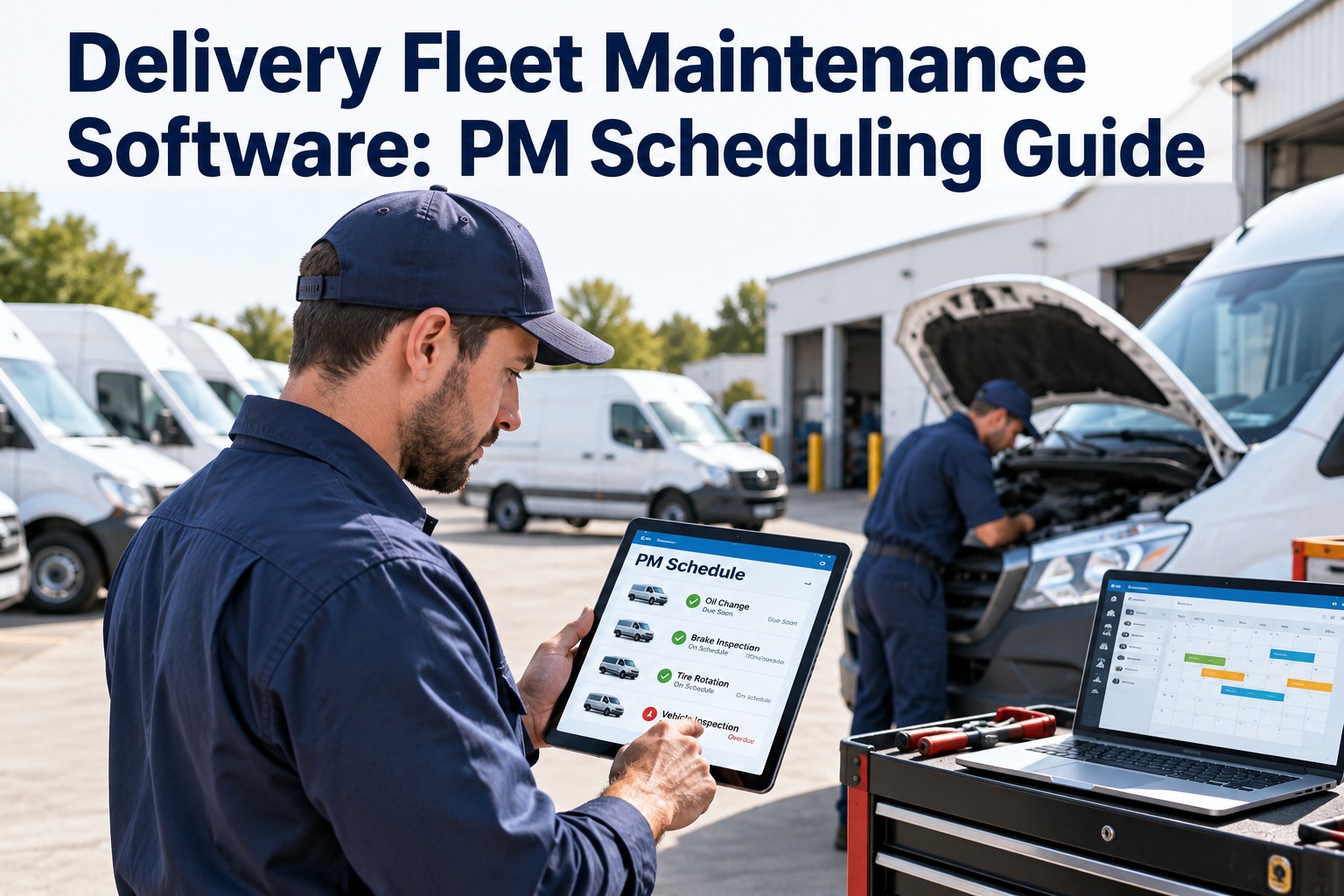
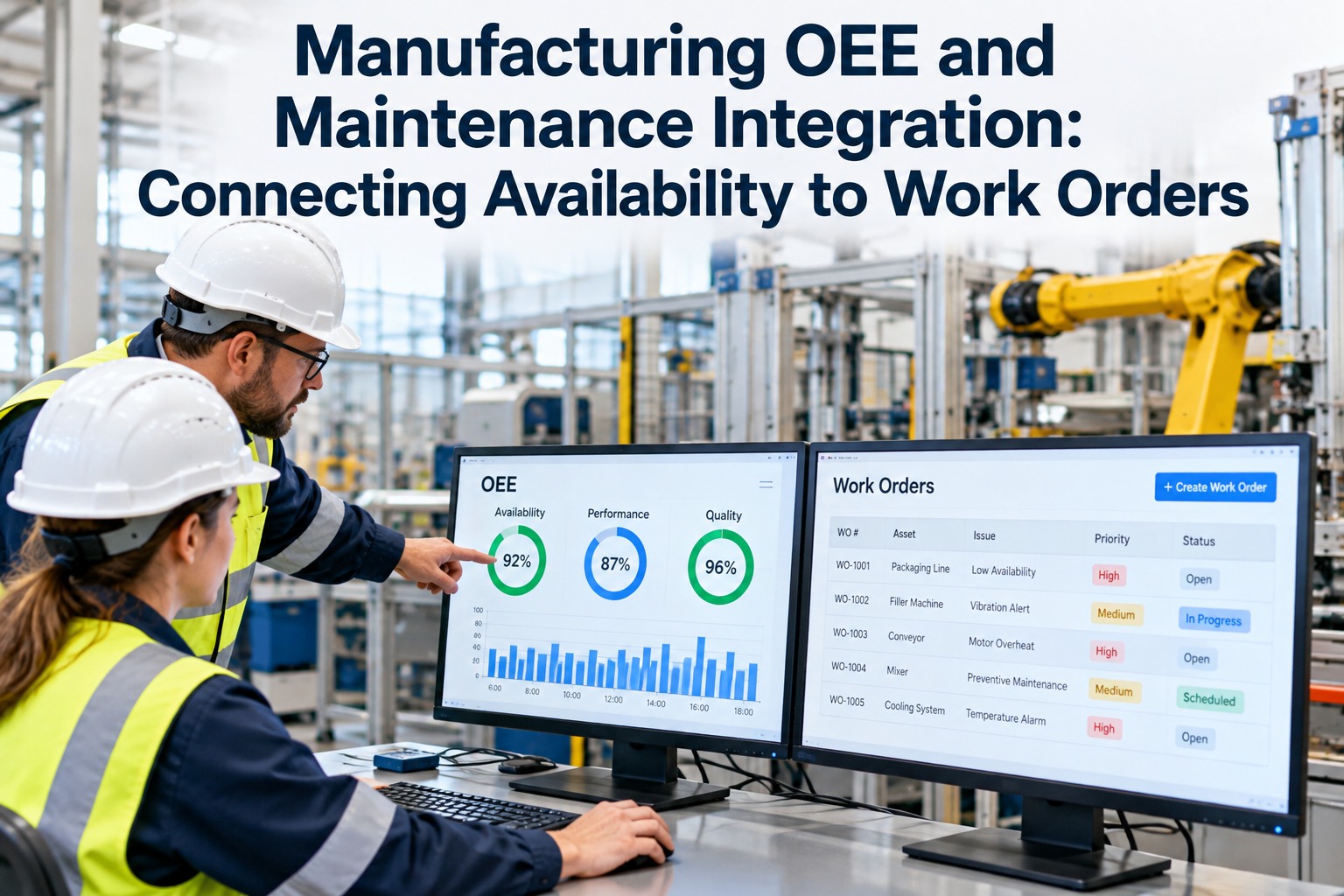
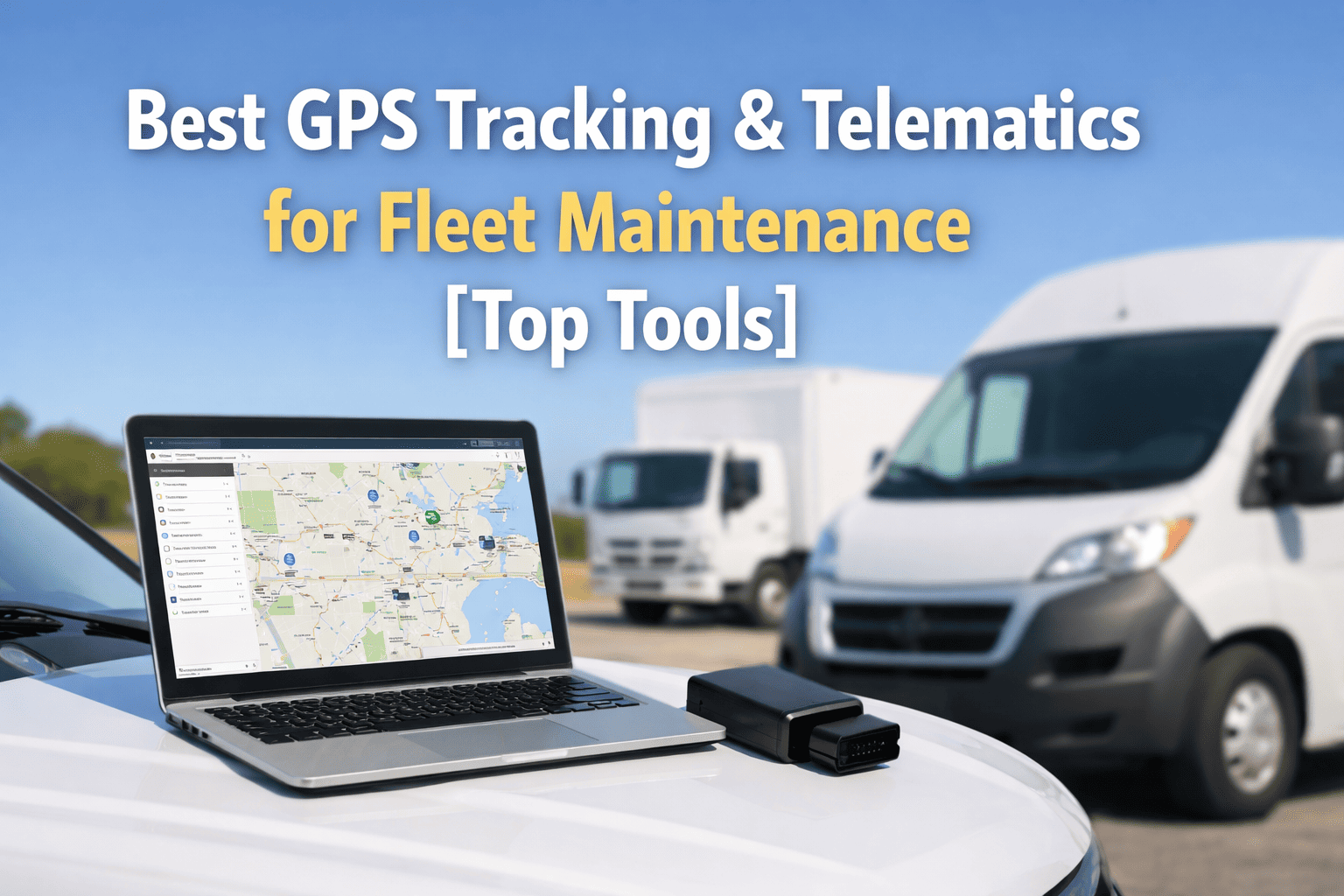
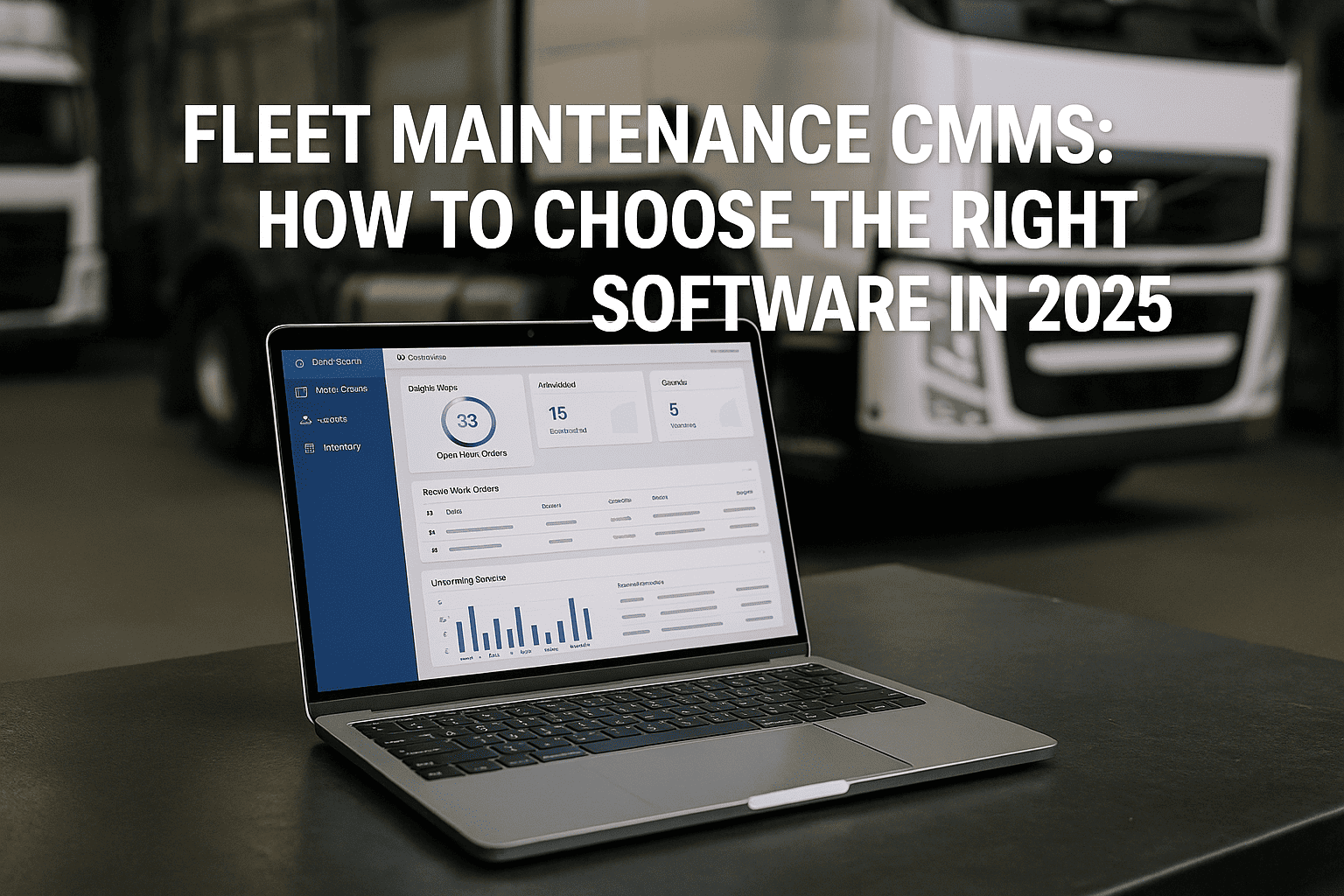
In 2026, fleet management has moved beyond simple mileage tracking. With vehicle complexity rising and downtime costs soaring, reactive "wait for the light" maintenance is no longer sustainable. Real-time data is the new fuel for operational efficiency. When your vehicles are on the road, every undetected fault code (DTC) is a ticking clock toward a roadside breakdown. The key to moving from reactive to predictive maintenance lies in a seamless bridge between your vehicle's onboard computer and your maintenance management system. This is the power of OBD Hardware Integration—and how OXmaint's platform transforms raw diagnostic data into actionable maintenance workflows.
Traditional Fleet Management
Manual tracking and reactive repairs
Rely on drivers to report Check Engine lights
Manual entry of odometer and fuel data
Maintenance based on static calendar dates
No visibility into engine health until failure
High frequency of emergency roadside repairs
Outcome: Unplanned downtime increases by 40%. Vehicles are often over-serviced or ignored until critical failure, leading to massive repair bills.
The Connected Fleet
OBD-Integrated Intelligent Maintenance
Real-time DTC fault code alerts in the CMMS
Automated meter readings for precise PMs
Live engine parameter monitoring (temp, oil, load)
Usage-based scheduling—not just calendar
Predictive failure detection via AI analysis
Outcome: 25–35% reduction in unplanned downtime. Vehicle lifespan extends by 2+ years. Maintenance costs drop due to early intervention.
100%
Accuracy in Odometer/Meter Tracking
45 Days
Early Warning for Major Component Failures
$2,500+
Average Savings per Vehicle/Year
Why OBD Integration is the Backbone of Fleet Reliability
Connecting an OBD-II hardware device to OXmaint removes the human error from fleet maintenance. Instead of waiting for a driver to notice a performance issue, the vehicle speaks directly to the maintenance team. By the time a fault code is generated, a work order can be automatically staged with the necessary parts and technician assigned. This "Closed-Loop Diagnostics" ensures that small issues never grow into engine replacements.
Disconnected Fleet (Manual)
Data Source:Paper logs / Driver reports
Accuracy:Low (Manual errors/delayed logs)
Reaction Time:Hours or Days after incident
Cost Impact:Frequent towing & emergency rates
Management is always playing "catch up." Critical failures are common because warning signs were missed in transit.
Integrated Fleet (OBD + OXmaint)
Data Source:Direct OBD-II Live Stream
Accuracy:99.9% (Direct from ECU)
Reaction Time:Instant (Real-time triggers)
Cost Impact:Scheduled, low-cost repairs
Every mile is monitored. Preventive Maintenance is triggered by actual wear and tear, ensuring 100% fleet readiness for operations.
"In the modern fleet environment, the OBD port is more than a diagnostic tool—it’s a data goldmine. Integrating this with your CMMS transforms your maintenance department from a cost center into a strategic advantage that keeps your assets on the road longer."
Six Ways OBD Integration Revolutionizes Your Workflow
Integrating hardware diagnostics with OXmaint's fleet platform allows you to automate the entire lifecycle of a vehicle. These six features bridge the gap between telematics and maintenance execution.
01
Automated Work Order Triggers from DTCs
When a vehicle's Engine Control Unit (ECU) detects a fault, the OBD hardware sends the specific Diagnostic Trouble Code (DTC) to OXmaint. The system immediately cross-references the code and generates a prioritized work order before the driver even returns to the yard.
Efficiency: Zero manual reporting required
Reliability: 100% of engine faults are captured
OXmaint enables this: Custom logic maps specific fault codes to repair procedures, automatically attaching digital SOPs and parts lists to the resulting work order.
02
Live Odometer & Engine Hour Sync
Forget manual logbooks. OBD integration provides real-time updates of miles driven and engine hours. This ensures that preventive maintenance schedules—like oil changes or tire rotations—are triggered exactly when they are due based on actual usage.
OEE Impact: +15% vehicle availability
Cost Impact: $500–$1,200 saved in over-maintenance per vehicle
OXmaint enables this: The platform creates a "Digital Twin" of your vehicle's odometer, updating every minute the ignition is on, ensuring PM compliance is always accurate.
Stop Guessing. Start Connecting.
OXmaint integrates with leading OBD-II and J1939 hardware to bring your vehicle diagnostics directly into your maintenance dashboard.
03
Real-Time Fuel Efficiency & Emissions Tracking
OBD hardware monitors fuel flow and oxygen sensor data. Drops in fuel efficiency often signal maintenance issues like clogged filters or fuel injector problems long before a failure occurs. Tracking this helps reduce the fleet's carbon footprint and operational costs.
Cost Impact: 5–10% reduction in annual fuel spend
Compliance: Easy reporting for emissions standards
OXmaint enables this: Use the
Maintenance KPI Dashboard to correlate fuel consumption spikes with equipment age and maintenance history.
04
Driver Behavior & Asset Protection
Hard braking, rapid acceleration, and excessive idling are captured by OBD sensors. These behaviors accelerate mechanical wear. Integrating this data allows maintenance managers to identify vehicles that will require more frequent inspections due to operator usage.
Safety: 20% reduction in wear-related accidents
Asset Life: 15% increase in brake and tire life
OXmaint enables this: Link driver behavior data to specific asset health scores, allowing for targeted training and predictive parts ordering.
05
Remote Diagnostic Troubleshooting
When a truck is 500 miles away, your lead mechanic can view the live diagnostic stream through OXmaint. This "remote triage" helps decide if a vehicle can safely return to the yard or if it needs an immediate tow to the nearest service center.
Response Time: 80% faster diagnostic decisions
Savings: Avoids $1k+ in unnecessary towing fees
OXmaint enables this: View real-time "freeze frame" data associated with fault codes via the
mobile app interface.
06
Automated Parts Inventory Staging
The moment a fault is detected (e.g., a failing alternator), OXmaint checks your current inventory for the required part. If it's not in stock, it can trigger a purchase order immediately, ensuring the part arrives by the time the vehicle pulls into the shop.
Inventory: 25% reduction in carrying costs
Uptime: 30% faster repair turnaround
OXmaint enables this: Automated inventory replenishment logic is synced with diagnostic triggers for high-failure components.
The Implementation Roadmap: 30 Days to a Connected Fleet
Hardware Setup & Baseline
✓ Install OBD-II/J1939 dongles in target fleet units
✓ Link hardware IDs to OXmaint Asset records
✓ Establish baseline fuel and odometer readings
✓ Configure real-time data sync intervals
Logic & Automation Configuration
✓ Map critical DTC codes to automated Work Orders
✓ Set up threshold alerts for engine temp and oil pressure
✓ Train mechanics on the digital mobile work order interface
✓ Define "Usage-Based" PM triggers (e.g., Every 5k miles)
Optimization & AI Training
✓ Review first 30 days of diagnostic data for trends
✓ Activate AI failure prediction for high-value components
✓ Deploy Fleet KPI dashboards to management
✓ Refine spare parts stocking based on real-world wear
Financial Impact Summary
$30k–$100k
Annual savings for a 20-vehicle fleet
30% ↓
Reduction in emergency breakdown events
100%
Elimination of manual meter entry errors
~3 Months
Average ROI for hardware + software investment
Connected Maintenance Advantage
Plug-and-Play Integration
Compatible with Geotab, Samsara, Verizon Connect, and Generic OBD-II Hardware
Turn Your Vehicles into Data-Driven Assets
OXmaint provides the seamless bridge between your OBD hardware and your maintenance execution. Reduce downtime and extend asset life today.
Frequently Asked Questions
Which OBD-II hardware devices are compatible with OXmaint?
OXmaint supports a wide range of hardware, including plug-and-play OBD-II dongles, hardwired J1939 trackers for heavy equipment, and integrations with major telematics providers like Geotab and Samsara. If your device can export data via API or Webhook, we can connect it.
Does the integration require a constant internet connection?
The OBD hardware typically uses cellular data to send information to the cloud. OXmaint processes this data as it arrives. If a vehicle enters a "dead zone," the hardware buffers the data and syncs it as soon as connectivity is restored.
Will this integration help with DOT compliance?
Yes. By automating odometer readings and fault code logging, you have a digital, tamper-proof record of vehicle maintenance and engine health, which is essential for DOT audits and Preventive Maintenance Inspections (PMI).