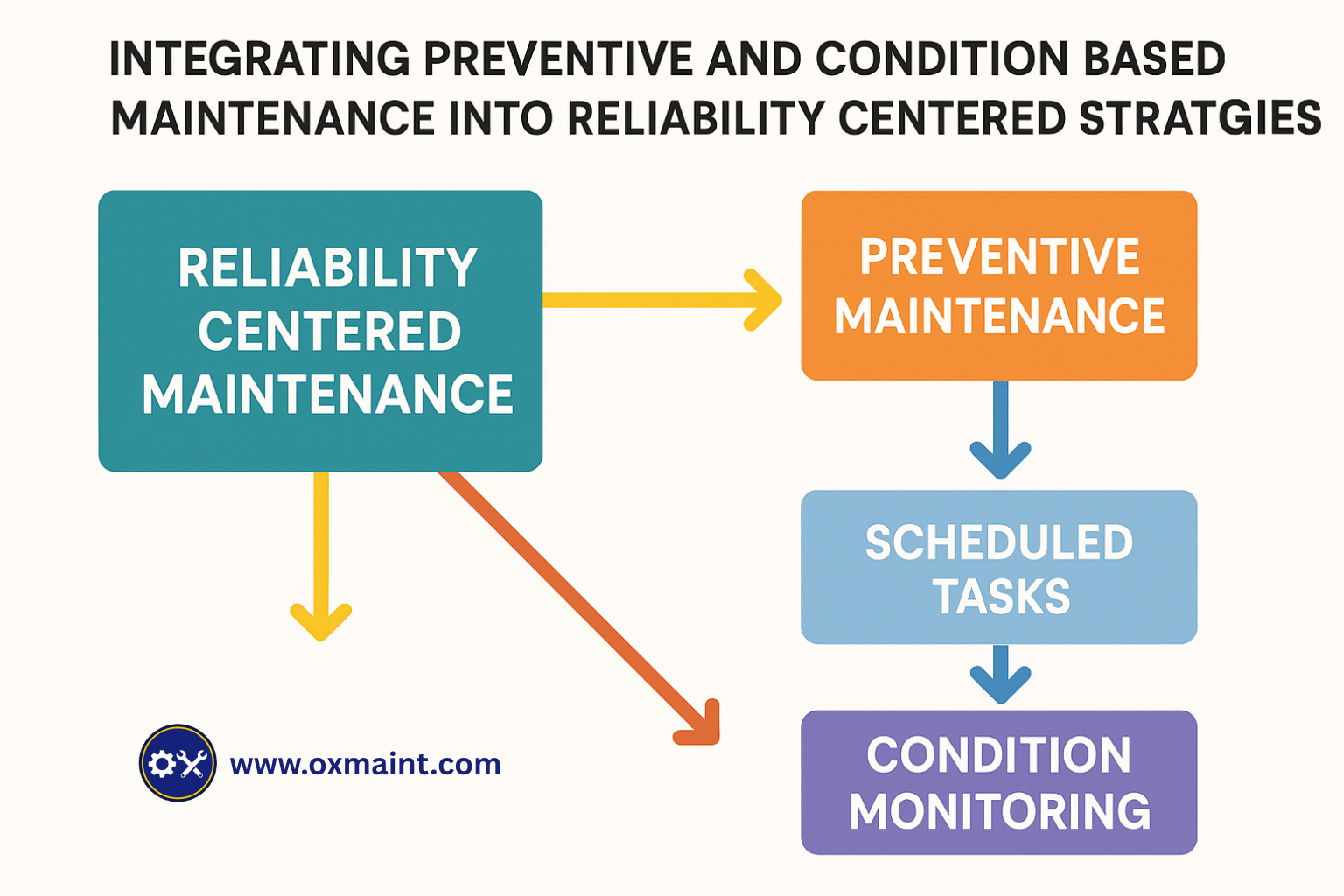
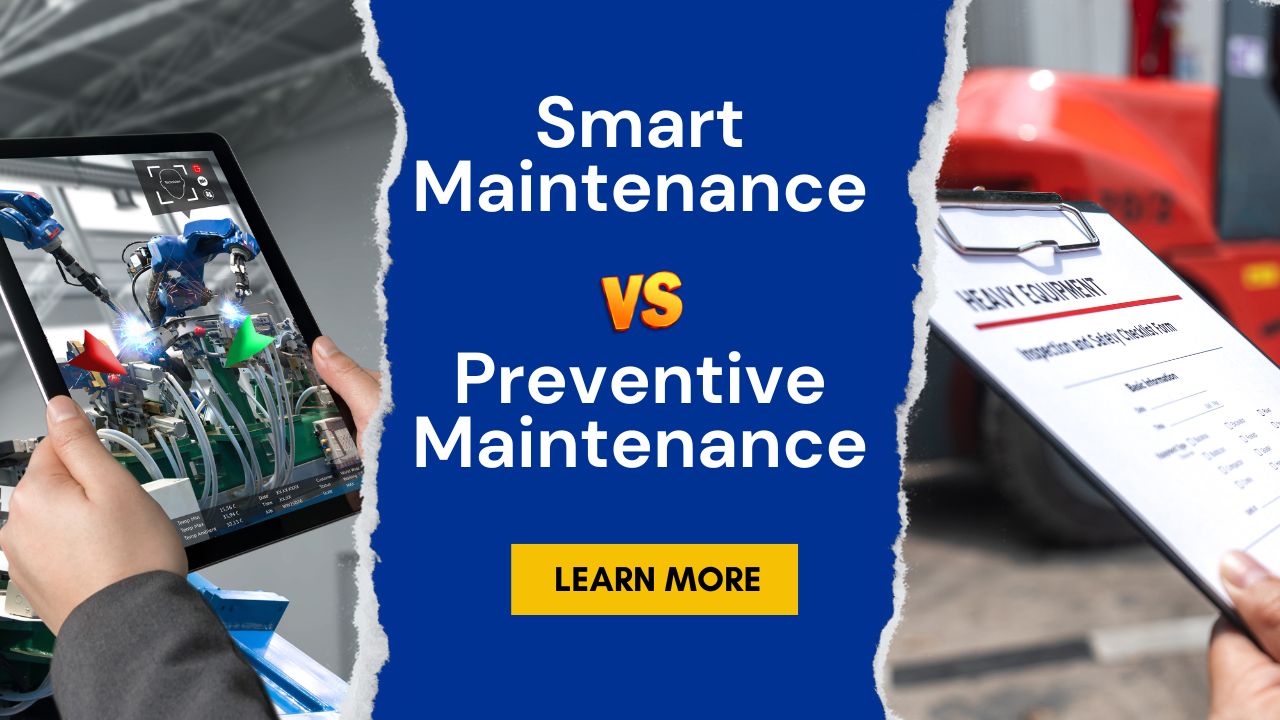
Your city engineer walks into the budget meeting with alarming data: "Bridge #47 needs emergency repairs costing $2.8 million and we have three water main failures this quarter alone." You review the infrastructure assessment report—$847 million in deferred maintenance across 1,200 assets—but struggle to explain how preventive strategies could have avoided these costly emergencies. Without systematic preventive maintenance programs and asset lifecycle management, municipalities are essentially playing infrastructure roulette with public safety and taxpayer dollars.
This scenario repeats across American municipalities as aging infrastructure demands immediate attention while budgets remain constrained. The average US city now faces infrastructure replacement costs exceeding $3.2 billion, but strategic preventive maintenance can extend asset lifespans by 40-60% while reducing total lifecycle costs by 25-35%.
Cities implementing comprehensive preventive maintenance programs achieve 50-70% fewer emergency repairs while extending infrastructure lifespans 15-25 years beyond original design specifications. The key lies in understanding asset deterioration patterns, implementing condition-based maintenance protocols and leveraging technology for predictive asset management that prevents failures before they occur.
Ready to eliminate costly emergency repairs and extend your infrastructure lifespan by decades?
Join over 500+ municipalities already saving millions through strategic preventive maintenance programs. Our proven framework has helped cities reduce emergency repairs by 70% while extending asset life 15-25 years beyond design specifications.
Start Your Infrastructure TransformationSee Our Success Stories - Book Demo
Understanding Infrastructure Asset Deterioration and Maintenance Economics
Effective infrastructure maintenance requires comprehensive understanding of how different assets deteriorate over time and the economic impact of various maintenance strategies. Infrastructure assets follow predictable deterioration curves, but maintenance interventions can significantly alter these trajectories and extend useful life well beyond original design parameters.
Preventive maintenance economics demonstrate that every dollar invested in early-stage preventive care typically saves $4-7 in future rehabilitation or replacement costs. However, this return on investment varies dramatically based on asset type, environmental conditions, usage patterns and the timing of interventions.
Transportation Infrastructure
Roads, bridges, and transit systems requiring surface treatments, structural inspections, and component replacements. Preventive care can extend pavement life 3-5x while reducing user costs from delays and detours.
Water and Wastewater Systems
Pipes, treatment facilities and pumping stations with complex interdependencies. Proactive valve and pipe maintenance prevents catastrophic failures costing millions in emergency repairs and service disruptions.
Energy Infrastructure
Electrical grids, substations, and distribution networks critical for economic activity. Predictive maintenance prevents outages affecting thousands of residents and businesses simultaneously.
Public Buildings
Schools, hospitals, and government facilities serving essential community functions. HVAC, roofing, and structural maintenance ensures continuous operations while avoiding costly emergency closures.
Parks and Recreation
Green spaces, athletic facilities, and recreational infrastructure supporting community health. Regular maintenance preserves property values and prevents liability issues from deteriorated conditions.
Stormwater Management
Drainage systems, retention ponds, and flood control infrastructure protecting communities from weather events. Preventive clearing and repairs prevent flooding damage costing millions annually.
Asset condition assessment and deterioration modeling provide the foundation for strategic maintenance planning. Cities utilizing systematic condition assessment achieve 30-40% better resource allocation efficiency compared to those relying on reactive maintenance or simple age-based schedules.
Lifecycle cost analysis reveals that infrastructure assets typically consume 80-85% of total costs during the operations and maintenance phase, making preventive strategies far more impactful than initial construction cost optimization. This economic reality drives the business case for comprehensive preventive maintenance programs.
2025 Preventive Maintenance Benchmarks and Cost Analysis
Establishing effective preventive maintenance budgets requires understanding industry benchmarks while adjusting for local conditions, asset age, and service level requirements. Maintenance investment ratios vary significantly based on asset type, environmental exposure, and historical maintenance practices.
Leading municipalities typically invest 2-4% of asset replacement value annually in preventive maintenance, achieving superior long-term outcomes compared to those spending 1-2% and experiencing frequent emergency repairs. However, optimal investment levels depend on asset condition, remaining useful life, and strategic priorities.
| Infrastructure Type | Annual Maintenance (% of Replacement Value) | Preventive ROI | Lifespan Extension Potential |
|---|---|---|---|
| Roadway Pavement | 2.5% - 4.5% | 1:5 to 1:8 | 15-25 years beyond design life |
| Bridge Structures | 1.5% - 3.0% | 1:6 to 1:12 | 20-40 years with deck rehabilitation |
| Water Distribution | 3.0% - 5.5% | 1:4 to 1:7 | 25-50 years with valve/hydrant care |
| Wastewater Treatment | 4.0% - 7.0% | 1:3 to 1:6 | 10-20 years through equipment rotation |
| Public Buildings | 1.8% - 3.2% | 1:5 to 1:9 | 20-30 years with HVAC/envelope care |
| Electrical Systems | 2.2% - 4.8% | 1:7 to 1:15 | 15-25 years through transformer maintenance |
Climate and environmental factors significantly impact maintenance requirements, with coastal areas experiencing 25-40% higher maintenance needs due to salt exposure, while northern regions face freeze-thaw cycle challenges requiring specialized treatment protocols.
Asset age distribution affects maintenance strategy and budget allocation. Cities with predominantly older infrastructure (30+ years) may need to invest 40-60% more initially to stabilize conditions before transitioning to standard preventive programs.
Technology integration in maintenance programs can reduce total costs 15-25% through improved scheduling, condition monitoring, and resource optimization. Modern asset management systems enable data-driven decision making that maximizes maintenance effectiveness while minimizing resource requirements.
Building Comprehensive Preventive Maintenance Programs: Strategic Framework
Creating sustainable preventive maintenance programs requires systematic development of policies, procedures, and performance metrics that align with municipal objectives and resource constraints. Successful programs integrate asset management principles with operational realities and community service expectations.
Asset inventory and condition assessment provide the foundation for preventive maintenance planning. Cities must understand current conditions, deterioration rates, and criticality rankings before developing maintenance schedules and resource allocation strategies.
Program Development Framework
Resource allocation strategies must balance competing priorities while ensuring critical infrastructure receives appropriate attention. Risk-based prioritization considers both probability of failure and consequence of failure to optimize maintenance investments for maximum public benefit.
Condition-Based Maintenance
50-60% of activities triggered by actual asset condition rather than arbitrary time schedules, optimizing intervention timing
Predictive Technologies
20-30% utilizing sensors, drones, and analytics to identify problems before they cause failures or service disruptions
Routine Inspections
15-20% focused on systematic visual inspections and basic maintenance preventing accelerated deterioration
Emergency Response
10-15% reserved for unexpected failures and urgent repairs that cannot be prevented through proactive measures
Capital Integration
Coordination with capital improvement programs ensuring maintenance and replacement decisions align strategically
Performance Monitoring
Continuous tracking of asset conditions, maintenance effectiveness, and program ROI for optimization opportunities
Workforce development and training ensure maintenance teams possess skills necessary for modern preventive maintenance practices. Technology adoption requires corresponding workforce capability development to achieve intended benefits.
Vendor partnerships and contracting strategies significantly impact program effectiveness and cost efficiency. Strategic partnerships with specialized service providers can extend internal capabilities while maintaining quality standards and cost control.
Technology Integration and Performance Optimization Strategies
Modern preventive maintenance programs leverage technology to improve decision-making, optimize resource allocation, and predict failure patterns before they impact service delivery. Technology integration extends beyond simple computerization to include advanced analytics, remote monitoring, and automated scheduling systems.
Predictive analytics and condition monitoring technologies enable maintenance teams to identify optimal intervention timing, reducing both premature maintenance and unexpected failures. Cities implementing comprehensive monitoring achieve 40-60% reductions in emergency repairs while extending asset life 20-30% beyond traditional programs.
Proven Technology Applications
- IoT sensors monitoring structural health, vibration, and environmental conditions continuously
- Drone inspections reducing inspection costs 60-80% while improving safety and data quality
- AI-powered predictive models identifying failure patterns 6-18 months before occurrence
- Mobile work management systems improving technician productivity 25-35%
- GIS-integrated asset management enabling spatial analysis and route optimization
- Automated scheduling systems balancing workloads and minimizing travel time
- Performance dashboards providing real-time visibility into program effectiveness
- Citizen reporting platforms enabling community participation in asset monitoring
Data integration and analytics platforms transform maintenance from reactive to strategic by providing insights into asset performance patterns, maintenance effectiveness, and resource optimization opportunities. Comprehensive data analysis typically reveals 15-25% improvement opportunities in existing programs.
Performance measurement systems must evolve beyond simple work order completion to include asset condition improvements, service level achievements, and lifecycle cost optimization. Leading municipalities track 15-20 key performance indicators across efficiency, effectiveness, and customer satisfaction dimensions.
Sustainability integration in maintenance programs addresses environmental impacts while reducing long-term costs through energy efficiency, material optimization, and waste reduction. Green maintenance practices typically reduce environmental impact 30-50% while achieving comparable or superior performance outcomes.
2025 Optimization Trends and Innovations
- Digital twin technology enabling virtual testing of maintenance strategies and scenarios
- Machine learning algorithms optimizing maintenance schedules based on real-world performance data
- Augmented reality systems providing technicians with real-time guidance and documentation
- Climate adaptation strategies adjusting maintenance protocols for changing environmental conditions
- Circular economy principles reducing material waste and extending component lifecycles
- Public-private partnerships leveraging private sector innovation and investment
Continuous improvement processes ensure maintenance programs adapt to changing conditions, new technologies, and evolving community needs. Regular program evaluation and optimization typically identify 10-20% annual improvement opportunities in mature programs.
Collaboration and knowledge sharing between municipalities accelerate learning and best practice adoption. Regional cooperation and professional networks provide access to expertise and resources that individual cities cannot develop independently.
Conclusion
Public infrastructure maintenance in 2025 requires comprehensive preventive strategies that extend asset lifespans while reducing total lifecycle costs through systematic condition assessment, technology integration, and performance optimization. Successful municipalities achieve 50-70% fewer emergency repairs while extending infrastructure lifespans 15-25 years beyond original design specifications through strategic preventive maintenance programs.
Understanding asset deterioration economics reveals that preventive maintenance investments of 2-4% of replacement value annually prevent emergency repairs costing 10-15x more while delivering superior service levels. Comprehensive programs must address diverse asset categories including transportation, water, energy, and building infrastructure with tailored strategies reflecting unique deterioration patterns and service requirements.
Building effective programs requires systematic development combining asset inventory, condition assessment, lifecycle modeling, and resource allocation frameworks. Technology integration through IoT monitoring, predictive analytics, and automated systems enables data-driven decision making that optimizes maintenance timing and resource utilization.
Performance optimization through technology adoption, workforce development, and continuous improvement processes ensures programs deliver maximum value while adapting to changing conditions and community needs. Leading cities leverage predictive technologies, data analytics, and performance measurement systems to achieve superior outcomes.
The 2025 infrastructure environment rewards early adopters of preventive maintenance strategies while penalizing those maintaining reactive approaches. Success requires balancing immediate service needs with long-term sustainability through comprehensive programs that prevent failures before they impact community welfare and economic vitality.
Ready to transform your municipality into a preventive maintenance leader and save millions in emergency repairs?
Don't let another infrastructure emergency drain your budget. Our proven system has helped 500+ cities achieve 70% fewer emergency repairs and extend asset life by decades. Your community's safety and your budget depend on making this change now.
Implement Your Preventive Strategy TodayGet Your Custom Action Plan - Free Demo