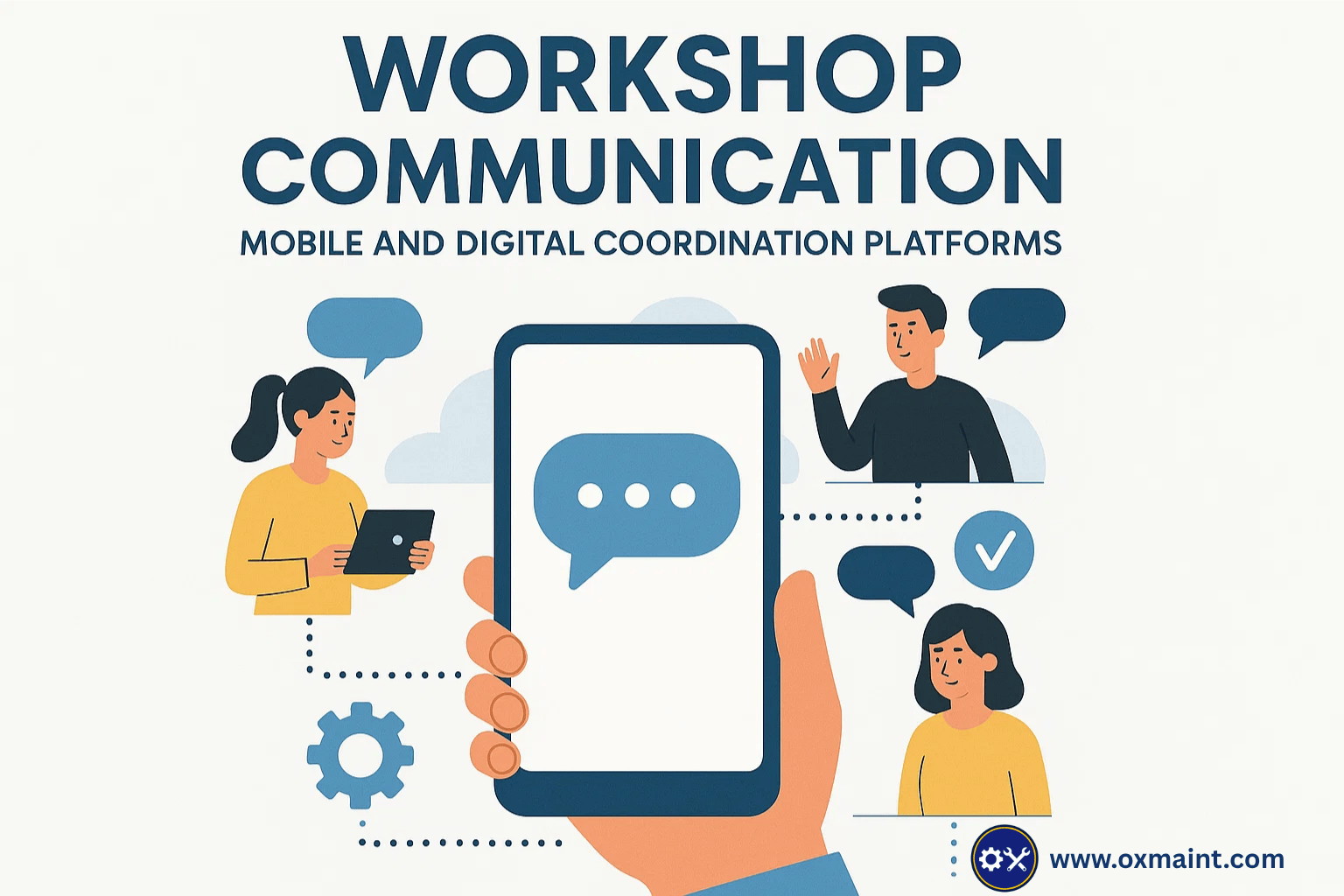
Manufacturing environments have evolved dramatically over the past decade, yet many workshops still rely on outdated communication methods that create bottlenecks, miscommunication, and operational inefficiencies. The shift toward mobile and digital coordination platforms represents more than just a technological upgrade—it's a fundamental transformation in how manufacturing teams collaborate, coordinate maintenance activities, and respond to operational challenges.
Today's manufacturing professionals need real-time visibility into workshop operations, instant access to critical information, and the ability to coordinate seamlessly across shifts and departments. Traditional methods like paper logs, radio communications, and email chains simply cannot meet the demands of modern production environments where every minute of downtime can cost thousands of dollars.
The Current Communication Challenge in Manufacturing Workshops
Manufacturing workshops face unique communication challenges that directly impact productivity and profitability. Equipment failures often occur during off-hours when key personnel aren't immediately available, leading to extended downtime while teams scramble to understand the issue and coordinate response efforts. Work orders get lost in paperwork, critical maintenance schedules slip through the cracks, and valuable tribal knowledge remains trapped in individual team members' heads.
The consequences are measurable and significant. According to industry data, unplanned downtime costs manufacturers an average of $50,000 per hour, with communication failures contributing to approximately 30% of these incidents. When technicians can't quickly access equipment histories, maintenance procedures, or coordinate with specialists, simple repairs extend into major operational disruptions.
Key Communication Pain Points: Delayed response times during emergencies, inconsistent documentation across shifts, difficulty tracking work order status, limited visibility into equipment performance trends, and challenges coordinating between maintenance, operations, and management teams.
Mobile Platform Advantages for Workshop Coordination
Mobile coordination platforms address these challenges by putting powerful communication and data access tools directly into the hands of workshop personnel. Technicians can instantly report issues, access equipment documentation, and coordinate with team members without leaving the shop floor. This immediate connectivity transforms how workshops respond to both routine maintenance and emergency situations.
Real-time notifications ensure that critical issues reach the right personnel immediately, regardless of their location within the facility. Digital work orders eliminate paperwork confusion and provide complete visibility into task status, priority levels, and resource requirements. Mobile access to equipment histories, maintenance procedures, and technical documentation empowers technicians to make informed decisions quickly and confidently.
The mobility aspect is particularly valuable in large manufacturing facilities where teams may be spread across multiple buildings or production areas. Instead of returning to a central computer terminal to update records or request assistance, technicians can maintain continuous communication and documentation throughout their work activities.
Essential Features for Digital Workshop Communication
Effective digital coordination platforms must include several core capabilities to meet the demanding requirements of manufacturing environments. Real-time messaging and notification systems ensure urgent communications reach appropriate personnel instantly, while comprehensive work order management provides complete visibility into maintenance activities from initiation through completion.
Asset management integration allows teams to access equipment histories, maintenance schedules, and performance data directly within the communication platform. This integration eliminates the need to switch between multiple systems and ensures that all relevant information is available when making critical decisions.
Critical Platform Features:
Offline capability for areas with limited connectivity, role-based access controls to protect sensitive information, integration with existing ERP and CMMS systems, comprehensive reporting and analytics tools, and customizable workflows that match existing operational procedures.
Document management capabilities enable teams to store, access, and update technical documentation, safety procedures, and equipment manuals digitally. This eliminates the common problem of outdated paper documents and ensures that technicians always have access to the most current information.
Implementation Best Practices for Manufacturing Environments
Successful implementation of digital coordination platforms requires careful planning and consideration of the unique requirements of manufacturing environments. Begin with a comprehensive assessment of current communication workflows, identifying specific pain points and inefficiencies that the new platform should address.
Pilot programs prove invaluable for testing platform functionality and gathering user feedback before full deployment. Start with a single department or shift to validate the system's effectiveness and identify any necessary customizations or training requirements. This approach minimizes disruption to ongoing operations while building confidence in the new technology.
Training and change management represent critical success factors that many organizations underestimate. Manufacturing teams often have deep expertise in their technical areas but may need support adapting to new digital tools. Comprehensive training programs, ongoing support, and clear communication about the benefits help ensure user adoption and maximize return on investment.
Measuring ROI and Operational Impact
Digital coordination platforms deliver measurable benefits that directly impact manufacturing profitability. Reduced downtime represents the most significant opportunity, with many organizations seeing 20-30% improvements in equipment availability after implementing comprehensive communication and coordination systems.
Improved maintenance efficiency translates to lower labor costs and better resource utilization. When technicians can access information quickly and coordinate effectively, routine maintenance tasks complete faster and with higher quality results. Better coordination also reduces emergency maintenance requirements by enabling more proactive approaches to equipment care.
Typical ROI Metrics: Reduced mean time to repair (MTTR), decreased unplanned downtime, improved first-time fix rates, lower maintenance labor costs, and enhanced regulatory compliance through better documentation.
Enhanced visibility into maintenance activities and equipment performance enables better decision-making around capital investments, maintenance strategies, and operational planning. This improved insight contributes to long-term cost reductions and operational optimization beyond immediate efficiency gains.
Future-Proofing Workshop Communication Strategies
Manufacturing technology continues evolving rapidly, with innovations like IoT sensors, predictive analytics, and artificial intelligence reshaping how workshops operate. Digital coordination platforms provide the foundation for integrating these advanced technologies by establishing robust data collection and communication infrastructure.
Cloud-based platforms offer particular advantages for organizations planning to expand or modernize their operations. These systems scale easily to accommodate new facilities, equipment additions, or increased user populations without requiring significant infrastructure investments.
API capabilities and integration flexibility ensure that coordination platforms can adapt to changing technology landscapes and connect with new tools and systems as they become available. This extensibility protects the investment in communication infrastructure while enabling continuous operational improvement.
Conclusion
Mobile and digital coordination platforms represent a fundamental shift in how manufacturing workshops communicate, coordinate, and operate. These systems address critical pain points that have long plagued manufacturing operations while providing the foundation for future technological advancement and operational excellence.
The benefits extend far beyond simple communication improvements. Digital platforms enable data-driven decision making, proactive maintenance strategies, and operational optimization that directly impact profitability and competitiveness. For manufacturing organizations serious about operational excellence, implementing comprehensive digital coordination capabilities is no longer optional—it's essential for remaining competitive in today's demanding marketplace.
The time to act is now. Every day of delayed implementation represents continued inefficiencies, missed opportunities, and competitive disadvantages. Start with a clear assessment of your current communication challenges, identify specific improvement objectives, and begin exploring platforms that can transform your workshop operations.
Frequently Asked Questions
How long does it typically take to implement a digital coordination platform in a manufacturing facility?
Implementation timelines vary based on facility size and complexity, but most organizations see initial benefits within 4-6 weeks of deployment. Complete integration with existing systems and full user adoption typically requires 3-6 months, depending on the scope of customization and training requirements.
What level of technical expertise is required for workshop personnel to use these platforms effectively?
Modern coordination platforms are designed for ease of use, requiring no specialized technical knowledge. Most manufacturing personnel can become proficient with basic functions within a few hours of training. Advanced features may require additional training, but core communication and coordination functions are intuitive and user-friendly.
Can digital coordination platforms integrate with existing ERP and CMMS systems?
Yes, most modern platforms offer robust integration capabilities through APIs and standard connectors. This integration ensures seamless data flow between systems and eliminates duplicate data entry. Integration complexity depends on the specific systems involved, but most common ERP and CMMS platforms have established integration pathways.
What happens to platform functionality in areas with poor cellular or Wi-Fi connectivity?
Leading platforms include offline functionality that allows users to continue working and recording information even without internet connectivity. Data synchronizes automatically when connectivity is restored, ensuring no information is lost and maintaining operational continuity throughout the facility.
How do these platforms handle sensitive operational data and comply with industry security requirements?
Enterprise-grade platforms include comprehensive security features such as role-based access controls, data encryption, audit trails, and compliance with industry standards like SOC 2 and ISO 27001. These security measures ensure that sensitive operational information remains protected while enabling necessary collaboration and communication.