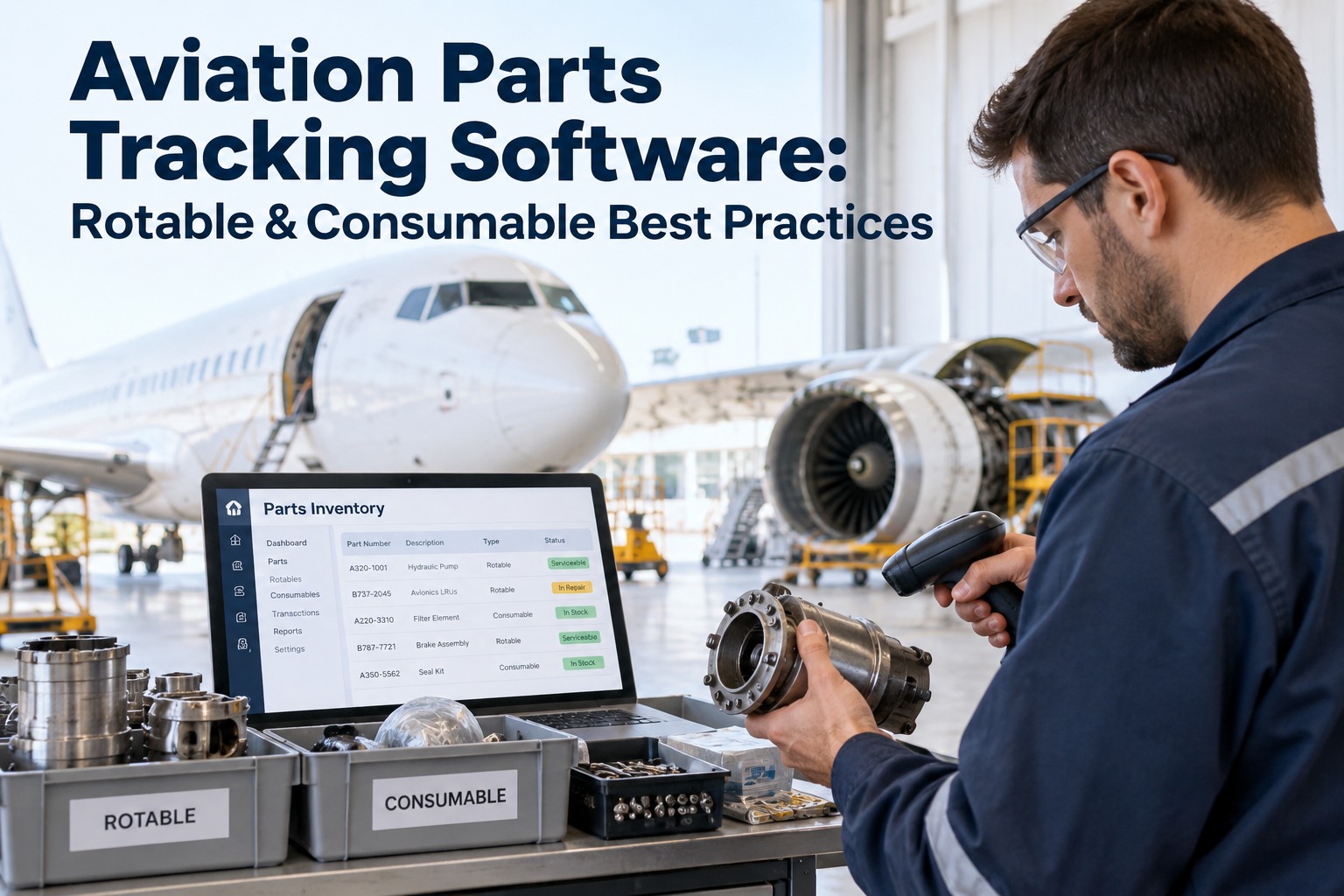
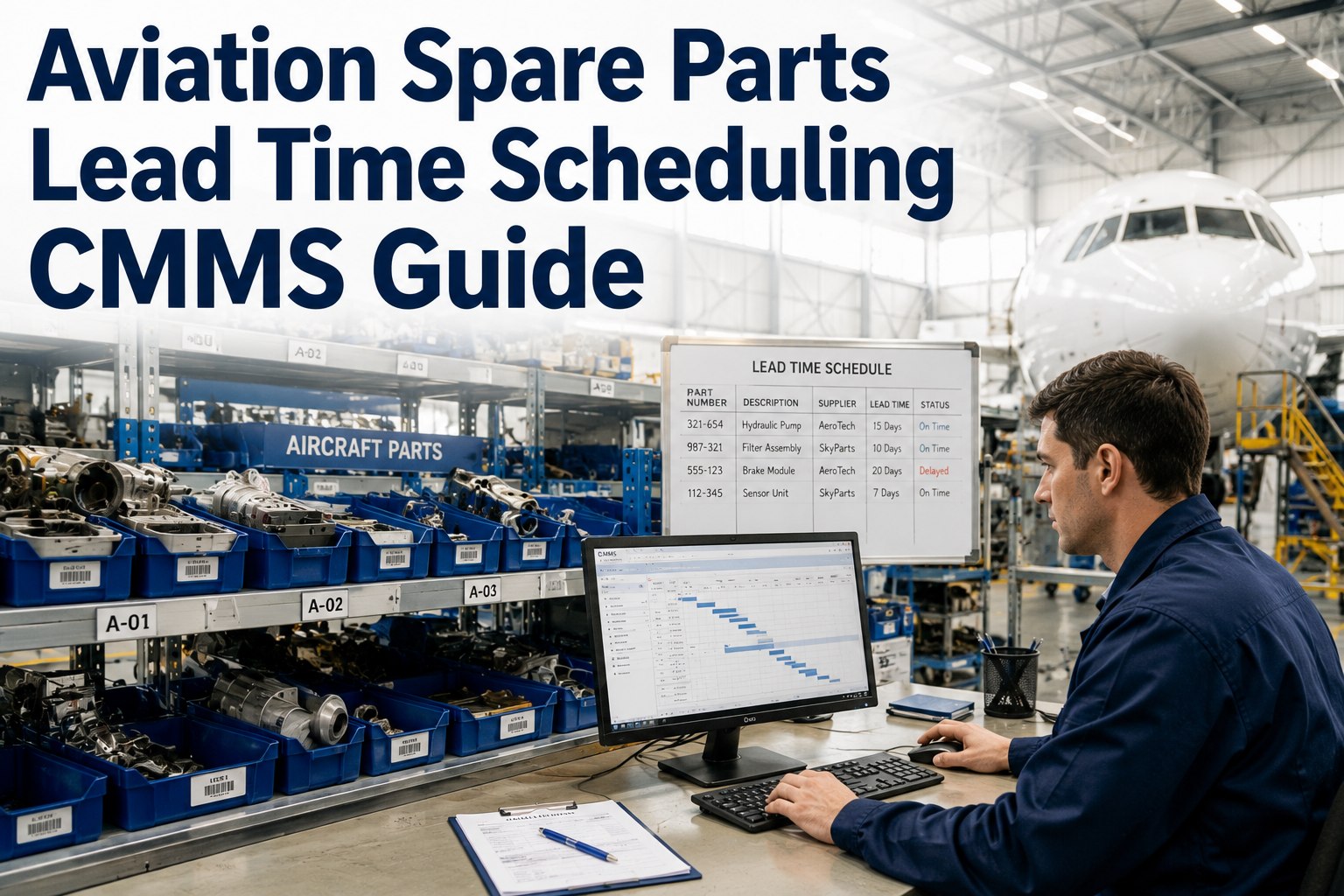
Aircraft component pooling transforms how airlines and MRO operators manage expensive rotable assets—from landing gear assemblies to avionics units—by sharing inventory across fleets instead of stockpiling duplicates at every base. A single APU (Auxiliary Power Unit) costs $750K to $1.2M, yet traditional inventory models require each maintenance station to hold spares "just in case." Component pooling slashes carrying costs by 40-60% while maintaining dispatch reliability above 99.5%. Modern CMMS platforms now integrate rotable lifecycle tracking, exchange coordination, and pooling agreements into unified asset management systems—giving airlines real-time visibility into component location, airworthiness status, and availability across their entire network. Book a demo to see how OxMaint's Rotable Management Module works for multi-fleet operations.
OxMaint's Rotable Management Module tracks component location, condition, and exchange windows across your entire fleet network in real time.
What is Aircraft Component Pooling?
Component pooling is a shared inventory strategy where multiple operators access a common pool of high-value rotable parts—such as landing gear, thrust reversers, flight control computers, and hydraulic pumps—instead of maintaining individual spares at each base. When an aircraft requires a component replacement, the operator draws from the pool, repairs or overhauls the removed unit, and returns it to circulation. This model is especially critical for expensive LRUs with long mean time between removal (MTBR) cycles, where outright ownership creates capital inefficiency. Airlines participate through commercial pooling agreements with OEMs, leasing companies, or third-party pool administrators who manage logistics, airworthiness documentation, and billing. The pooling coordinator tracks each component's serial number, time-since-overhaul, regulatory compliance status, and physical location across the network, ensuring availability without duplication. Start a free trial to see rotable pooling coordination in action.
The Rotable Inventory Challenge Airlines Face
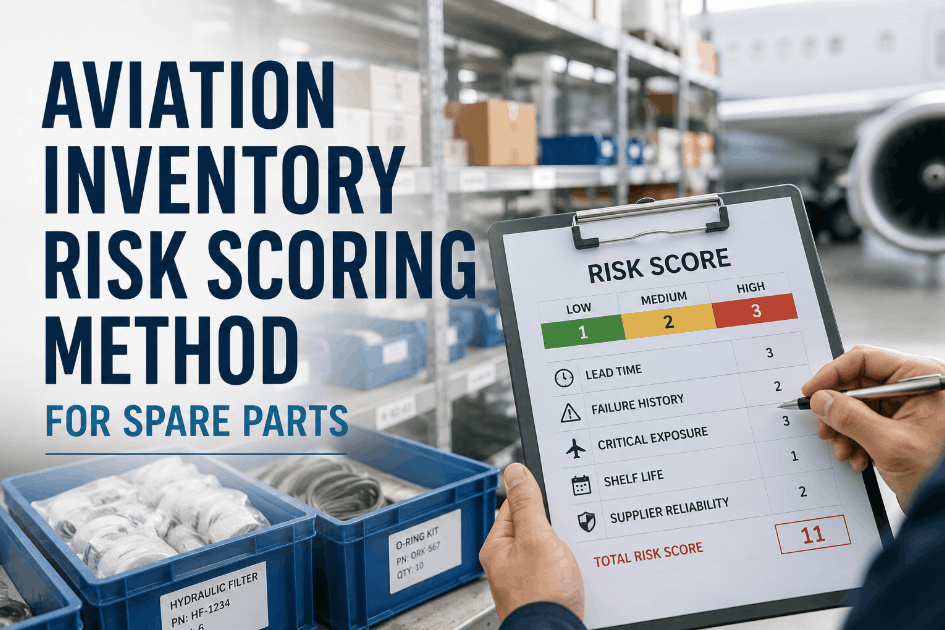
Without pooling, airlines face a brutal capital trap: stockpile enough rotables to cover AOG risk, or accept dispatch delays and customer compensation costs. A fleet of 50 narrow-body aircraft requires approximately $90M in rotable spares under traditional stocking models—yet 40% of that inventory sits idle at any given time, earning zero return while tying up working capital. Worse, components depreciate 8-12% annually, creating hidden losses on balance sheets. Regulatory complexity adds another layer: each component carries airworthiness certification, overhaul limits, and compliance tracking requirements that vary by jurisdiction. Airlines operating across FAA, EASA, and CAAC territories must maintain parallel documentation systems, often in spreadsheets that can't track real-time component status across the network. The result is overstocking at some bases, understocking at others, and constant fire-drills to locate serviceable units during unscheduled removals. Book a demo to see how OxMaint eliminates rotable visibility gaps.
Traditional stocking models require each maintenance base to hold full spare sets. For a 50-plane narrow-body fleet, that's $1.8M per aircraft in rotables—with 35-45% sitting unused while tying up working capital that could fund network expansion.
Components installed on FAA-registered aircraft can't simply move to EASA fleets without paperwork reconciliation. Airlines operating globally need real-time compliance status across jurisdictions—impossible with spreadsheet-based tracking systems.
During unscheduled removals, maintenance planners spend 3-6 hours locating serviceable spares across the network. Manual calls to regional bases, checking ERP systems that update once daily, and verifying airworthiness paperwork delay AOG responses.
Removed components enter shop repair cycles averaging 14-45 days depending on part complexity. Without accurate TAT forecasting, pools run thin during peak removal periods, forcing expensive AOG shipments or charter flights for emergency parts delivery.
How Component Pooling with CMMS Integration Works
Modern rotable management platforms integrate component pooling logistics with CMMS maintenance scheduling, creating closed-loop visibility from installation to removal to repair and back to serviceable stock. When a component reaches its time-based or condition-based limit, the CMMS auto-generates a work order and queries the pool network for replacement availability. The system checks serialized inventory across all participating bases, filters by airworthiness authority (FAA/EASA/CAAC), and identifies the nearest serviceable unit with compatible configuration. Upon removal, the outgoing component is logged with removal reason, flight hours, cycles, and destination shop. Pool administrators receive automatic alerts when TAT windows exceed forecast, triggering expedited repair or temporary leases from external pools. Settlement happens automatically based on pre-defined exchange fees, with monthly billing reconciliation across all pool participants. This workflow eliminates manual coordination, reduces phone-tag delays from hours to minutes, and ensures every component's status is visible in real time across the entire network. Start a free trial to explore integrated rotable workflows.
Flight hours, cycles, or calendar time triggers CMMS work order. System checks component hard-time limits, AD compliance, and SB status against maintenance program.
CMMS searches pool inventory for serviceable units matching aircraft tail number, configuration, and airworthiness authority. Returns availability at nearest base with shipping ETA.
Serviceable unit ships to aircraft location. Technician logs removal of old unit, installation of replacement, with digital sign-off and photo documentation in mobile CMMS app.
Removed component enters repair shop with tagged removal reason and condition notes. CMMS tracks TAT against forecast, alerts pool admin if delays risk future availability.
Post-repair, component re-enters pool as serviceable inventory. CMMS updates airworthiness status, resets maintenance counters, and makes unit available for next exchange.
Pool admin reconciles monthly exchange fees based on flight hours consumed per participant. CMMS exports usage reports for invoicing without manual data entry.
| Aspect | Traditional Airline-Owned Inventory | Component Pooling with CMMS |
|---|---|---|
| Capital Investment | $1.8M per aircraft in dedicated spares; each base holds duplicate stock for common failures | 45-60% reduction through shared pool; pay-per-use exchange fees instead of upfront purchase |
| Inventory Visibility | Regional ERP systems update once daily; phone calls required to locate spares across bases | Real-time serialized tracking across all pool participants; instant availability queries |
| AOG Response Time | 3-6 hours to locate serviceable unit; 12-24 hours for cross-base shipping coordination | 15-minute pool query; pre-positioned stock at hub bases cuts shipping time to 2-4 hours |
| Airworthiness Compliance | Manual paperwork reconciliation for multi-jurisdiction operations; audit trail gaps common | Automated compliance filtering by authority (FAA/EASA/CAAC); digital certificate tracking per serial |
| TAT Management | Spreadsheet forecasts updated weekly; no alerts when shop delays impact future availability | Live TAT tracking with automated alerts; predictive modeling flags shortage risk 30 days ahead |
| Billing and Settlement | Not applicable for owned inventory; capital depreciation 8-12% annually | Usage-based exchange fees auto-calculated from flight hours; monthly invoicing from CMMS reports |
Key Benefits of Rotable Pooling with OxMaint
Reduce rotable capital requirements from $1.8M to $700K-900K per aircraft through shared pooling. Free up working capital for fleet expansion, route development, or debt reduction.
Maintain industry-leading dispatch rates with optimized spare levels. Pool float stock sized to cover TAT variability and seasonal demand spikes without over-provisioning.
Reduce spare search time from 3-6 hours to under 15 minutes. Real-time pool visibility eliminates phone calls to regional bases and manual ERP checks across systems.
Pre-positioned pool stock at strategic hub locations cuts emergency shipping time by 70%. Avoid costly charter flights for overnight parts delivery during unscheduled removals.
Every pool component tracked with digital certificates, AD compliance status, and SB incorporation. Automated filtering by regulatory authority prevents cross-jurisdiction paperwork errors.
Predictive analytics flag potential shortages 30 days ahead based on removal forecasts and shop TAT trends. Trigger expedited repairs or temporary external leases before AOG events occur.
OxMaint Rotable Management Module Features
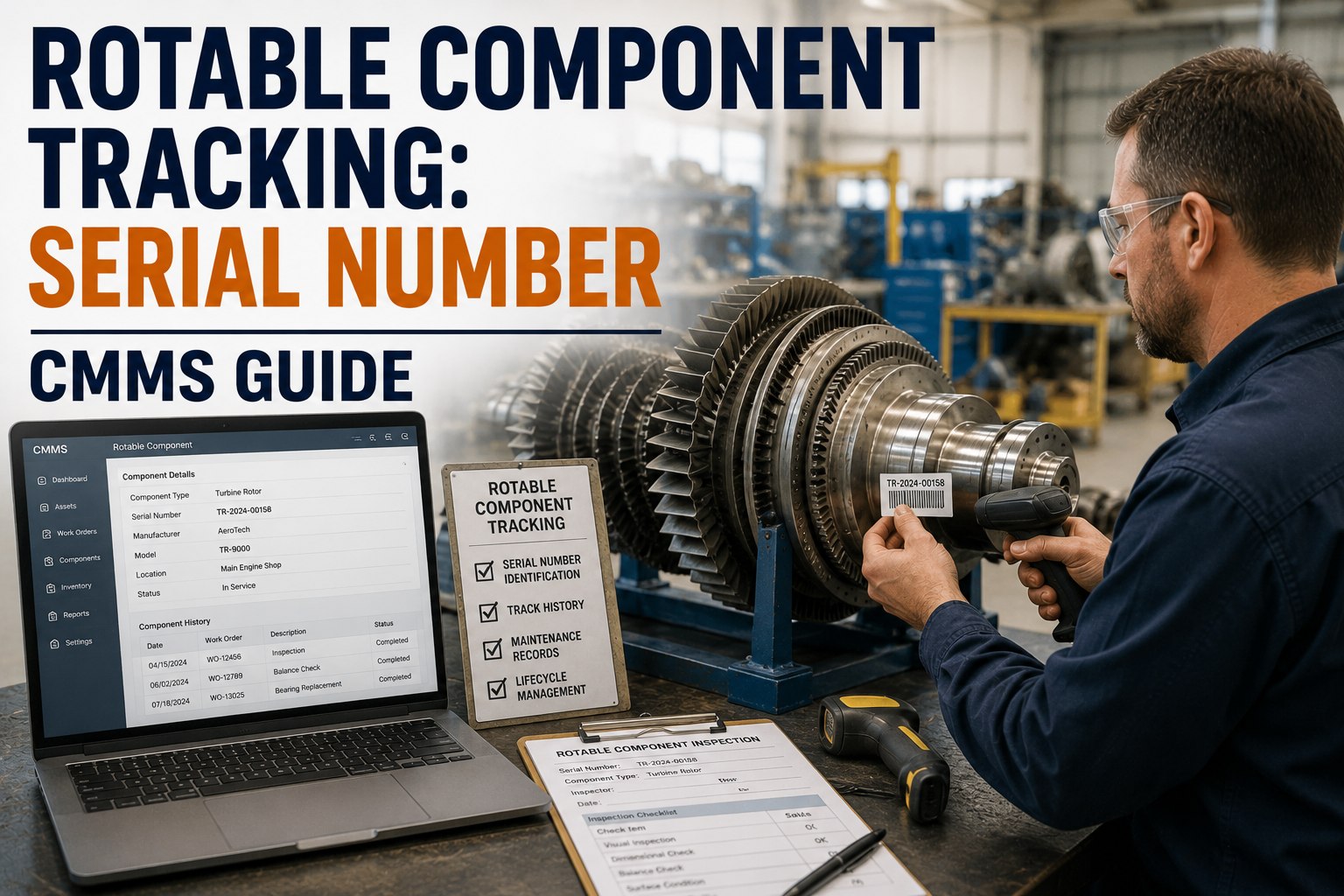
Track every LRU by serial number with complete installation history, flight hours, cycles, and configuration across your entire fleet and pool network.
Instant queries show serviceable component location, airworthiness status, and shipping ETA across all pool participants without phone calls or email chains.
Digital certificate management per serial number with automated filtering by regulatory authority (FAA, EASA, CAAC). AD and SB compliance status visible at a glance.
Live turnaround time monitoring for components in repair. Automated alerts when shop delays exceed forecast, with shortage prediction 30 days ahead.
Auto-generate removal and installation work orders when components reach limits. Mobile app for technician sign-off with photo documentation and condition notes.
Automated usage reports for monthly pool invoicing. Calculate exchange fees based on flight hours consumed per participant without manual spreadsheet reconciliation.
ROI Impact for Airlines and MRO Operators
OxMaint's Rotable Management Module gives you real-time visibility into component location, airworthiness status, and pool availability—from installation to shop and back to serviceable stock.