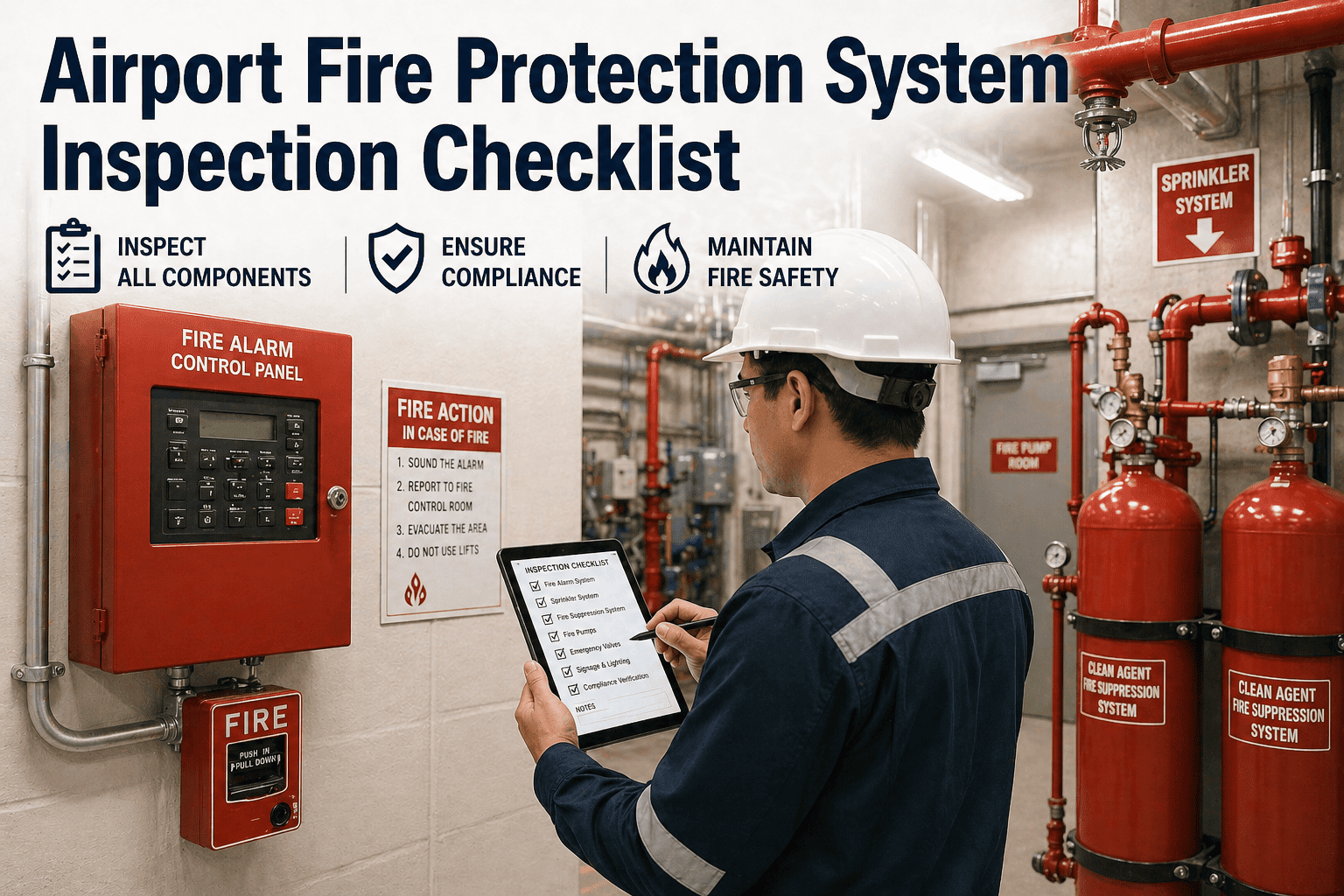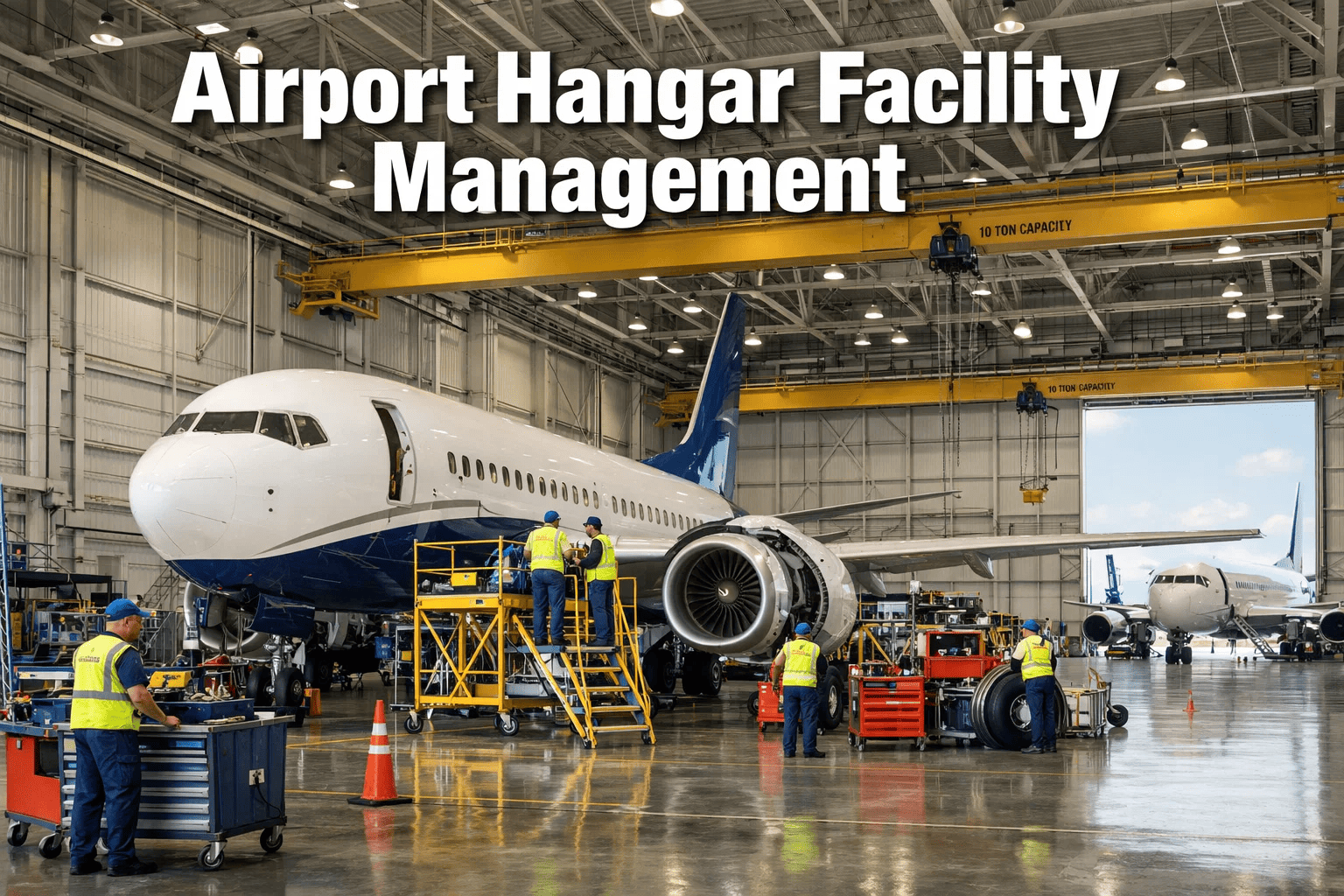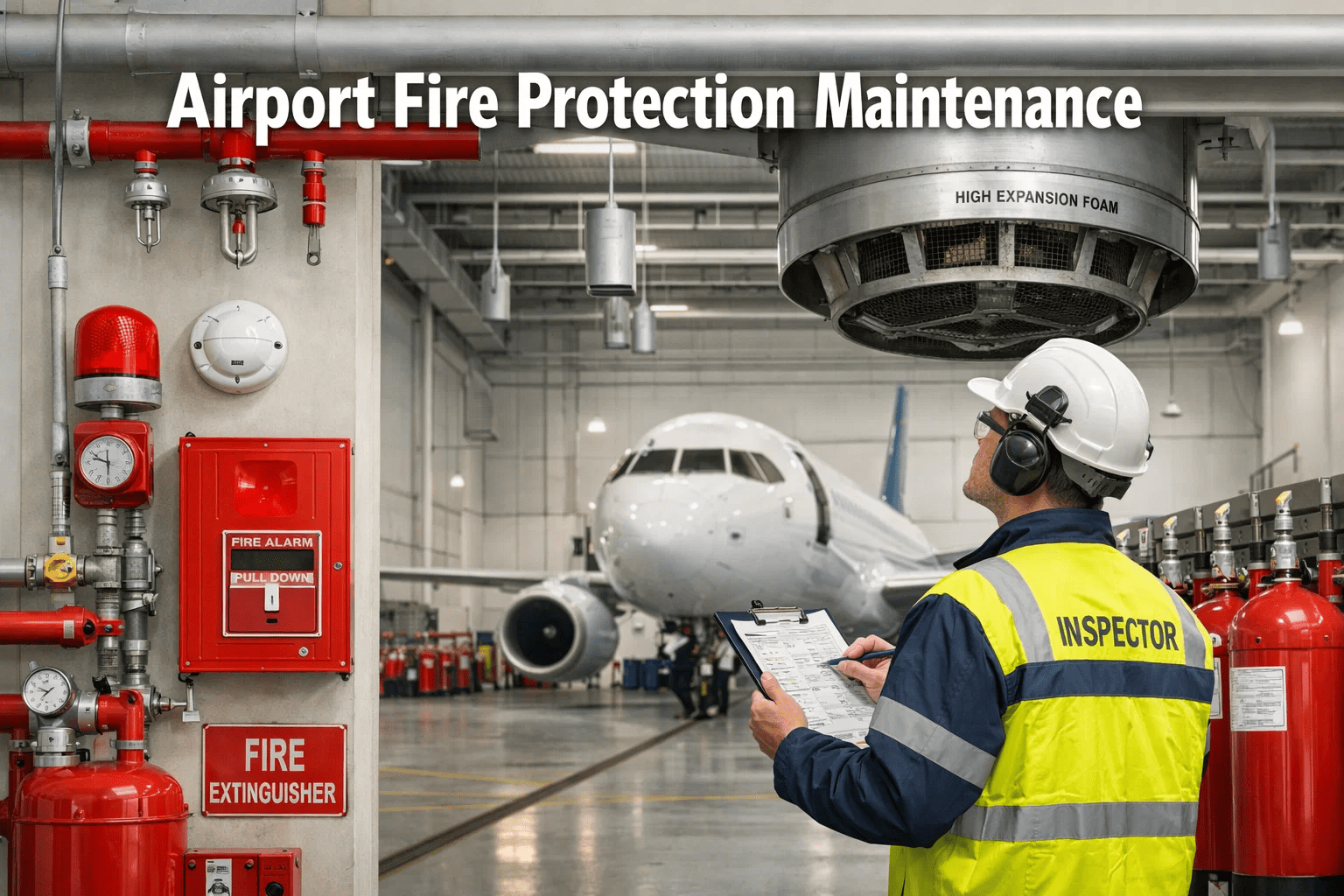
Airport fire protection failures do not announce themselves in advance. A foam system with corroded nozzles, a suppressed fire alarm that never reset, or a dry-pipe sprinkler zone that lost pressure overnight — these silent failures wait for the worst possible moment: peak passenger traffic, a fuel spill on an active apron, or a hangar with three wide-body aircraft parked inside. Airports managing fire suppression without a centralized maintenance platform are running on inspection paperwork that is weeks old. Start a free trial to digitize your airport fire system maintenance or book a demo to see how Oxmaint keeps every fire protection asset inspection-ready, every day.
Keep Every Fire Suppression System Audit-Ready — Without the Manual Paperwork
Oxmaint gives airport maintenance teams a single platform to schedule, execute, and document every fire protection inspection across terminals, hangars, fuel farms, and cargo facilities — meeting NFPA, FAA, and local AHJ requirements automatically. No more binders. No more missed service intervals. Start your free trial today or book a 30-minute demo to see the platform in action.
What Is Airport Fire Protection System Maintenance?
Airport fire protection maintenance is the structured program of inspections, testing, servicing, and documentation that keeps suppression, detection, and alarm systems ready to perform at full specification during an actual fire event. These systems span five distinct operating environments — passenger terminals, aircraft hangars, fuel storage and hydrant systems, cargo warehouses, and airside ground support areas — each with different suppression agents, activation triggers, and regulatory frameworks.
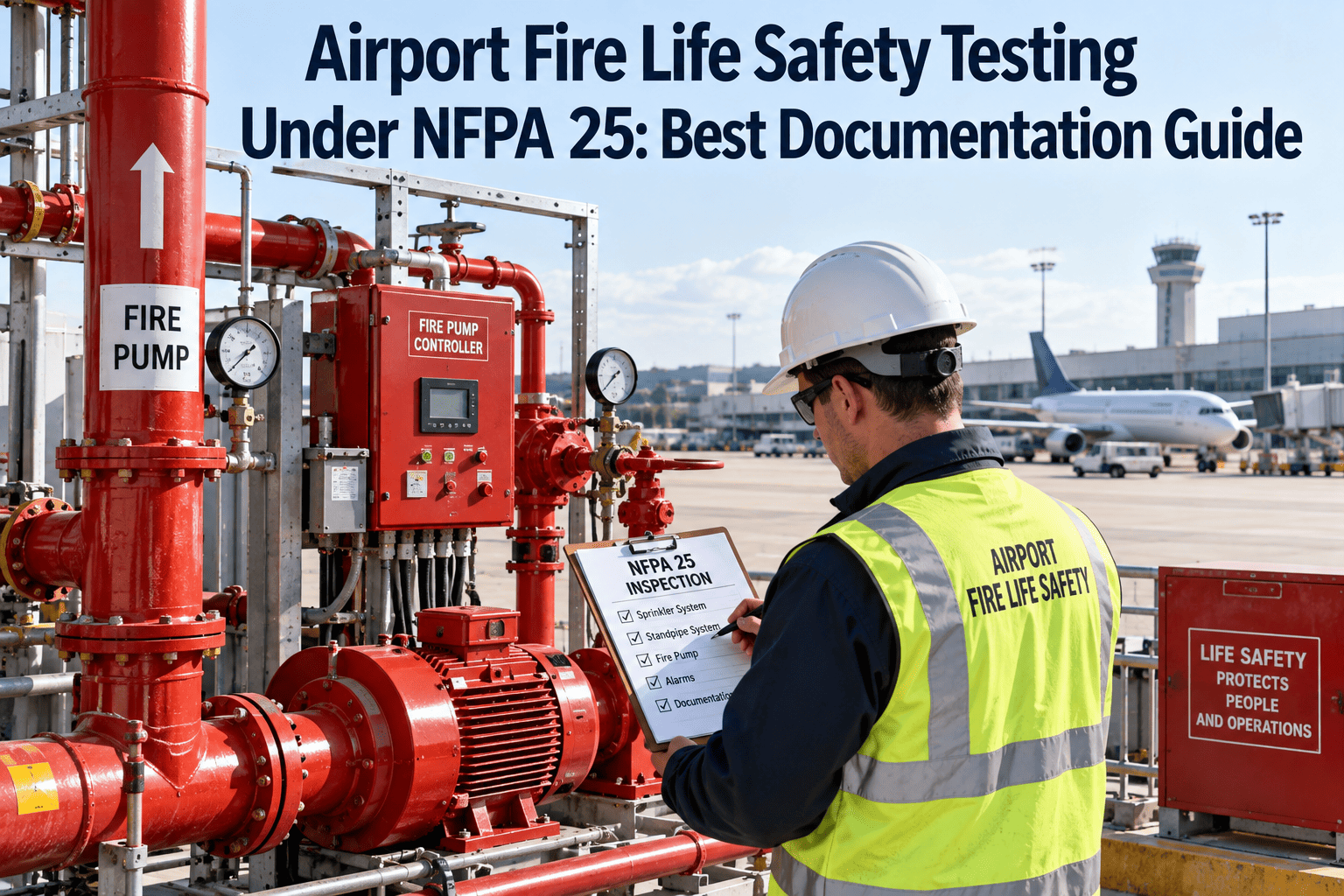
The stakes are categorically different from commercial building fire systems. Aircraft fuel burns at temperatures exceeding 1,000°C. A hangar foam deluge that activates at 50% design density instead of 100% because of a clogged nozzle line is not a maintenance deficiency — it is a life-safety failure. Airports operating under FAA Part 139 certification are required to maintain fire protection systems to manufacturer specifications and NFPA standards at all times, with documentation available for inspection on demand. Want to see how a modern CMMS handles this level of compliance complexity? Book a demo and we will walk through your specific facility configuration, or start a free trial to map your asset registry today.
The Five Fire Protection Zones Every Airport Must Maintain
Where Airport Fire Systems Fail — And Why
AFFF and FFFP concentrates degrade over time and must be tested annually per NFPA 11. Concentrates that test below 90% of specification remain in service at many airports simply because no PM trigger existed to flag them. Expired foam at full volume still looks compliant on paper.
Hangar deluge systems rely on hydraulic or pneumatic pilot lines to release the deluge valve. Mineral deposits and corrosion in pilot tubing are the leading cause of deluge non-activation in NFPA 409 systems. Quarterly flushing and pressure verification catches this — annual inspections alone miss it entirely.
Addressable fire alarm control panels at airports routinely accumulate unresolved trouble conditions — detector dirty alerts, supervising circuit faults, battery low warnings — that maintenance teams acknowledge and never clear. An alarm panel with 12 open troubles is 12 points of potential detection failure during an event.
Fire system shutdowns for construction, tenant fit-outs, or equipment maintenance require formal Fire Watch procedures under NFPA 25. Airports with manual impairment logs cannot consistently track which zones are offline, for how long, and whether fire watch is active — creating simultaneous compliance and safety exposure.
NFPA Compliance Inspection Intervals at a Glance
| System Component | Inspection Frequency | Governing Standard | Failure Risk if Missed |
|---|---|---|---|
| Hangar foam deluge — nozzle flow test | Annually | NFPA 409 / NFPA 11 | Suppression density below design minimum — fire not controlled |
| Foam concentrate sample and lab test | Annually (or after 3 years in storage) | NFPA 11 Section 12.3 | Degraded concentrate — system activates but fails to suppress |
| Fire pump — weekly churn run | Weekly | NFPA 25 Chapter 8 | Undetected mechanical failure — zero water supply at activation |
| Fire pump — full-flow annual test | Annually | NFPA 25 Chapter 8 | Inadequate flow rate — suppression system starved under load |
| Sprinkler heads — internal inspection | Every 5 years (sample) | NFPA 25 Section 5.3 | Corroded or painted heads — activation delay during fire |
| Fire alarm — initiating device test | Annually (all devices) | NFPA 72 Chapter 14 | Silent failure — fire spreads undetected to evacuation stage |
| Dry-pipe / deluge valve trip test | Annually | NFPA 25 Section 13.3 | Valve fails to trip — system does not activate on demand |
| Suppression system impairment log | Any time system is offline | NFPA 25 Chapter 15 | Unprotected area during maintenance — regulatory violation |
Reactive vs. Planned Fire System Maintenance: The Real Cost Gap
- Foam concentrate degradation found during incident — not before it
- Deluge valve failure discovered when system fails to activate on test day
- Fire pump problems surface during annual flow test — weeks of corrective downtime
- Alarm panel trouble conditions accumulate — nobody owns resolution
- Inspection records in three separate binders across two maintenance offices
- AHJ audit requires 4 weeks to assemble documentation package
- Emergency repair costs 4–5x planned maintenance equivalent
- NFPA 25 citations issued — corrective action plan required within 30 days
- Foam concentrate lab results logged — PM triggers test 60 days before expiry
- Quarterly pilot line flush auto-scheduled per asset — never skipped
- Fire pump weekly churn results tracked — trending alerts flag early degradation
- Panel trouble events generate work orders automatically — resolution tracked to closure
- All inspection records in one platform — searchable by asset, date, or technician
- Audit package generated in under 2 hours with digital signatures attached
- Planned maintenance runs at full cost discipline — no emergency markup
- Zero NFPA citations — continuous compliance monitoring catches gaps before inspectors do
How Oxmaint Manages Airport Fire Protection End-to-End
Every sprinkler zone, foam system, fire panel, pump, suppression cylinder, and detection device gets a unique asset record — with manufacturer specs, installation date, last test date, and service history. Organized by Portfolio, Property, System, Asset, and Component so you always know exactly what exists and where.
Preventive maintenance plans are built directly from NFPA 25, NFPA 409, NFPA 11, and NFPA 72 inspection intervals. Weekly fire pump churn runs, annual foam concentrate sampling, quarterly deluge valve inspections — every task auto-schedules and escalates if overdue. No manual calendar management required.
Technicians complete inspections on mobile devices — scanning QR-tagged assets, capturing photos of system condition, recording flow test readings and pressure values, and signing off digitally. Field data flows directly into the compliance record. No paper, no transcription, no lost forms.
Every fire system shutdown triggers an impairment record — capturing the zone affected, reason for impairment, fire watch coverage, and restoration target. Management gets real-time visibility into which systems are offline and for how long. Automated escalation if impairment runs beyond authorized duration.
Inspection findings — failed flow test, degraded foam sample, trouble condition — instantly generate corrective action work orders assigned to the right technician. Each deficiency tracks from discovery to resolution with documented root cause. AHJ auditors see a closed-loop compliance record, not open deficiencies.
FAA inspections, AHJ compliance reviews, and insurance surveys require complete documentation on short notice. Oxmaint exports full inspection history, test results, corrective actions, and technician certifications in a structured package — with digital signatures — in under two hours. What previously took weeks now takes an afternoon.
Results: What Airport Operations Teams Achieve
Frequently Asked Questions
Your Fire Systems Are Inspected. But Are You Ready When the Inspector Walks In?
Oxmaint gives airport maintenance teams a single platform to schedule every NFPA inspection, track every deficiency, manage every impairment, and produce audit-ready documentation in hours — not weeks. Deployed across hangars, terminals, fuel farms, and cargo facilities in under six weeks with no heavy implementation fees. Book a 30-minute briefing and we will identify your specific compliance gaps in the first session, or start your free trial to test the platform with your airport's fire protection asset data immediately.