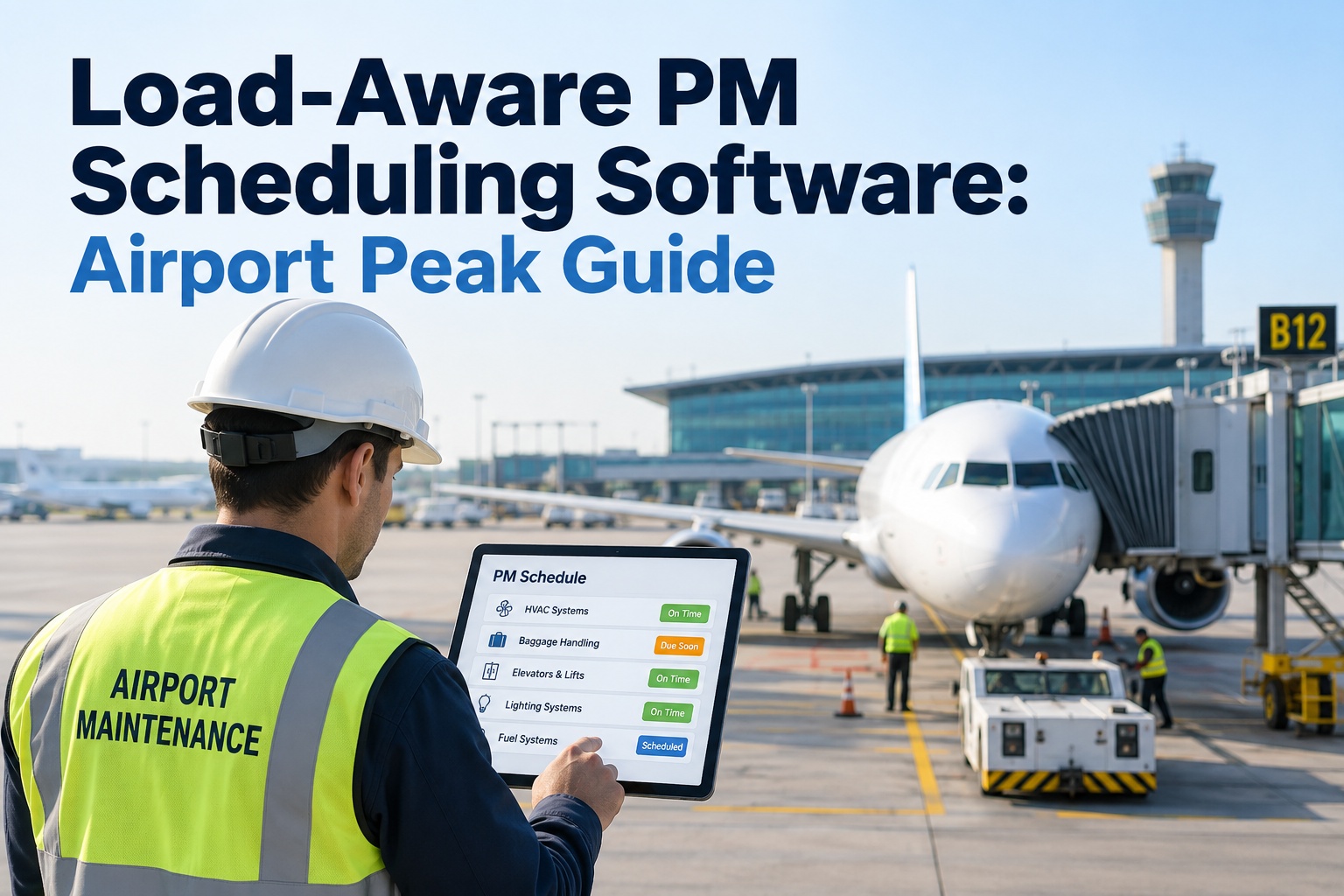
Airport overnight maintenance windows are the most valuable — and most frequently squandered — operational asset on the airfield. Major runway, taxiway, and gate repairs must fit inside a 4-hour overnight gap rather than a standard 8-hour shift, meaning every minute of airport maintenance timing must be meticulously planned to prevent disruptions to morning departures. By applying flight-aware maintenance scheduling principles, operations directors can recover 20–40% of lost window time and dramatically reduce delayed flights. Stop leaving revenue hours on the table and Start Free Trial to see how OxMaint streamlines airside work orders.
Airport Maintenance Scheduling
Are you wasting 40% of your overnight airport maintenance windows?
Major airside repairs must fit a narrow 4-hour overnight gap, not an 8-hour shift. Discover how flight-aware maintenance scheduling ensures overnight work never disrupts departures, cuts wasted window time, and maximizes operational readiness.
Window Sizing & Coordination
Why airport overnight maintenance windows get wasted
Most airports lose 20–40% of their available overnight maintenance airport windows to poor task packaging, delayed contractor arrivals, and inadequate airport maintenance coordination. When flight schedule maintenance isn't integrated into the CMMS, teams scramble to close work orders as the first passengers board.
| Maintenance Window Challenge | Root Cause in Airport Scheduling Maintenance | Impact on Airside Operations |
|---|---|---|
| Underestimating Task Duration | Flight aware maintenance scheduling is ignored; 4-hour tasks pushed into 3-hour gaps. | Work overruns into revenue hours, delaying early morning flight pushbacks. |
| Contractor Mobilization Delays | Poor airport maintenance planning fails to align security badging and escorts. | Crews wait 45+ minutes airside, burning critical repair time. |
| Missing Spare Parts | No integration between work orders and spare-parts inventory systems. | Technicians abandon jobs at 2:00 AM because required parts are out of stock. |
| Weather Contingency Failures | Airport night maintenance plans lack secondary low-traffic maintenance alternatives. | Entire night windows lost to light rain or wind, pushing work to higher-risk shifts. |
Step-by-Step Optimization
How to schedule maintenance around flight operations
Effective airside maintenance scheduling demands a structured approach to task packaging, contractor coordination, and real-time flight awareness. Follow this 4-step timeline to extract maximum value from every overnight maintenance airport window.
Identify the exact maintenance window
Analyze the next day's flight schedule to lock in the precise airport maintenance window. Calculate the gap between the last arrival and the first morning departure to confirm whether you have a 2-hour, 4-hour, or 6-hour overnight work opportunity.
Bundle work orders by zone and asset
Group preventive maintenance tasks, inspections, and minor repairs by geographic zone to minimize travel time across the apron. Pre-assign spare parts kits and ensure all required materials are staged at the maintenance facility before nightfall.
Mobilize airside teams and escorts
Verify security badging, conduct safety briefings, and dispatch contractors to their designated zones. Digital work orders ensure every technician knows exactly which assets to service, eliminating the paper-trail bottleneck that plagues airport maintenance timing.
Restore the airfield for departures
Conduct final Foreign Object Debris (FOD) sweeps and quality inspections 45 minutes before the first flight. Close out digital work orders, log completed labor hours, and automatically generate compliance reports for aviation authorities.
Cost of Inaction
The true cost of delayed airport maintenance planning
A mid-sized airport managing 150 daily departures loses approximately $450,000 in operational efficiency annually when overnight maintenance windows are mismanaged. Calculate your exposure and understand why reactive airport scheduling maintenance is unsustainable.
Airport Maintenance Window ROI Formula
Net Window Value = (Hours Saved by Proactive Scheduling × Labor Rate) + (Avoided Delayed Flights × Average Revenue per Flight)
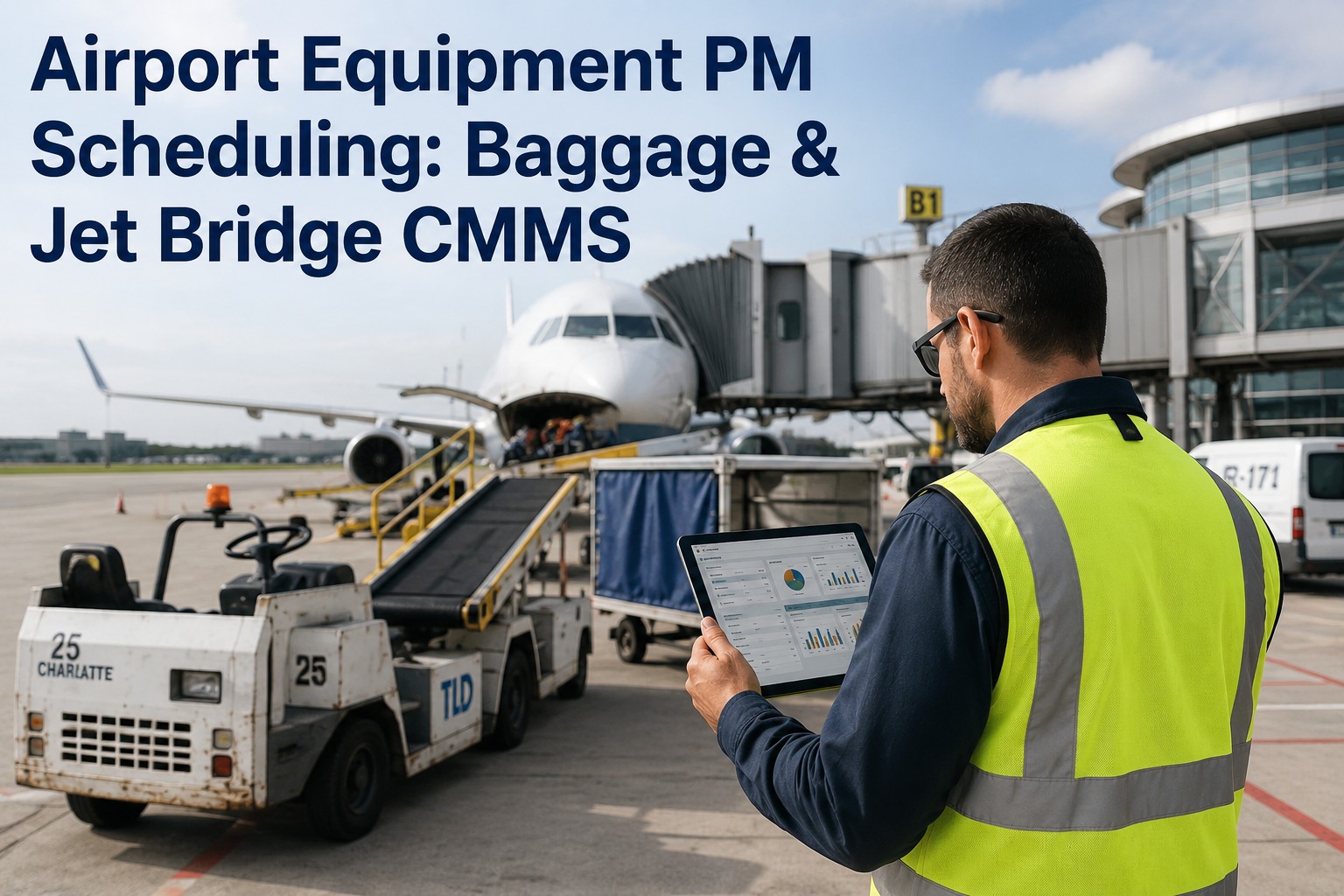
Preventive task packaging eliminates emergency breakdowns on critical baggage handling and jet bridge systems.
Pushing airside work into morning revenue hours risks cascading delays that cost airlines tens of thousands per incident.
Digital work order logs eliminate paper gaps during FAA and IATA maintenance compliance audits.
OxMaint CMMS Solution
How OxMaint optimizes airport maintenance scheduling
OxMaint is an AI-powered CMMS and Enterprise Asset Management (EAM) platform built to eliminate the chaos of overnight work. By connecting flight schedules, asset tracking, and spare-parts inventory, OxMaint ensures maintenance teams execute more work in less time without compromising safety.
Flight-Aware Work Order Scheduling
Automatically generate and assign work orders based on real-time flight schedules and low-traffic maintenance periods. OxMaint ensures tasks are only dispatched when the airfield is clear, cutting scheduling conflicts by 50%.
Predictive Asset Failure Alerts
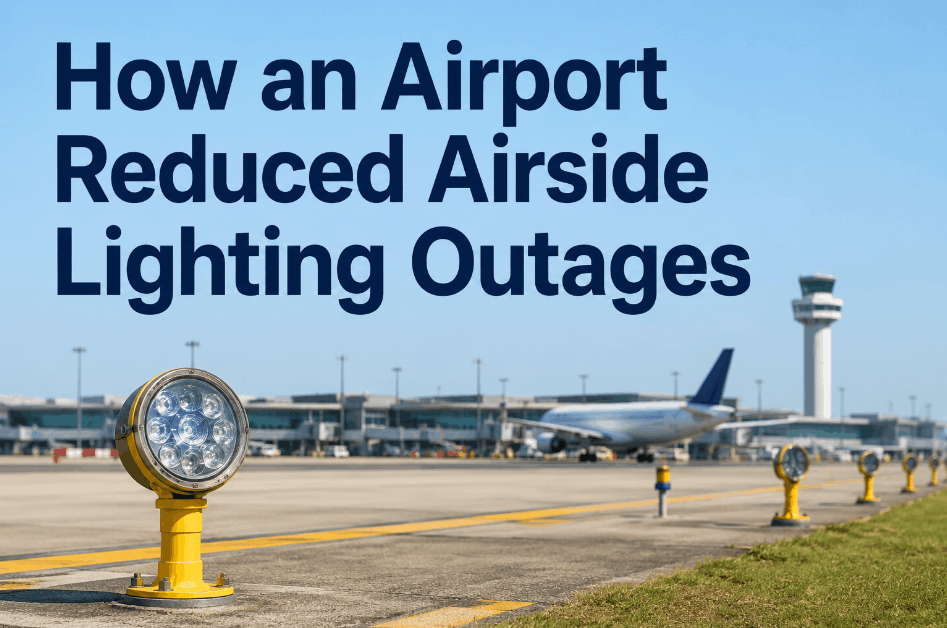
Leverage AI-driven analytics on baggage belts, jet bridges, and runway lighting to predict failures before they happen. Address critical defects during planned overnight windows rather than scrambling during peak departures.
Real-Time Spare Parts Tracking
Link work orders directly to inventory levels so technicians never abandon a 2:00 AM repair due to missing parts. OxMaint automatically reorders critical components when stock dips below safety thresholds.
Digital Compliance & Audit Logs
Capture every technician signature, labor hour, and safety checklist digitally. Generate FAA, EASA, and IATA compliance reports in seconds, proving that overnight airport night maintenance was executed safely and completely.
Stop wasting your overnight airport maintenance windows
See how OxMaint's flight-aware CMMS streamlines airside maintenance scheduling and protects your morning departures.
Frequently Asked Questions
Airport overnight maintenance scheduling FAQs
What is an airport overnight maintenance window?
An airport overnight maintenance window is the specific period—usually between 11:00 PM and 5:00 AM—when air traffic drops to its lowest level, allowing maintenance crews to perform major runway, taxiway, and gate repairs without disrupting flight operations. These windows are typically 4 to 6 hours long and require precise airport maintenance scheduling to execute safely.
How is flight aware maintenance scheduling implemented?
Flight aware maintenance scheduling integrates real-time flight data with a CMMS to automatically trigger work orders only when the airfield has low traffic. By syncing airport maintenance timing with airline schedules, operations directors ensure that heavy airside work is paused or completed well before the first morning departure. You can Book a Demo to see how OxMaint handles this integration.
Why do airports schedule maintenance at night?
Airports schedule maintenance at night to minimize the impact on revenue-generating flight operations. Night maintenance allows crews to access critical airside areas—like runways and taxiways—that are too congested during the day, ensuring safety and compliance without causing flight delays or cancellations during peak passenger hours.
How do you handle weather contingencies during airside maintenance?
Effective airport maintenance planning requires backup tasks that can be performed indoors or under cover, such as jet bridge servicing or terminal asset inspections. When weather cancels primary runway work, a flight-aware CMMS instantly reassigns crews to secondary tasks, ensuring the overnight window is still utilized rather than entirely wasted.
What is task packaging in airport maintenance coordination?
Task packaging is the practice of grouping multiple preventive maintenance work orders by geographic zone and asset type so technicians can complete them efficiently in a single outing. This minimizes travel time across the airfield, reduces repeated security badging checks, and maximizes the amount of work completed in a limited overnight window.
Maximize every minute of your overnight maintenance window
Join the operations directors using OxMaint to eliminate paper work orders, predict asset failures, and protect morning departures. See it on your assets today.
Free 14-day trial · No credit card required