An airport never gets a quiet weekend to switch systems over. When a new maintenance platform, operational system or interface goes live, it goes live into a facility that's still running flights, still moving bags, still screening passengers — with no maintenance window and no room for a surprise. A cutover that skips a step doesn't just inconvenience an IT team; it can stall operations that have no manual fallback. This checklist walks the full path from pre-cutover readiness to go-live and the hours after, so nothing is assumed and every integration is proven before it carries live traffic. OXMAINT AI — the AI-powered maintenance management software — is built to integrate cleanly and be verified before it carries a single live work order.
Aviation · System Integration · Pre-Cutover & Go-Live Checklist · 2026
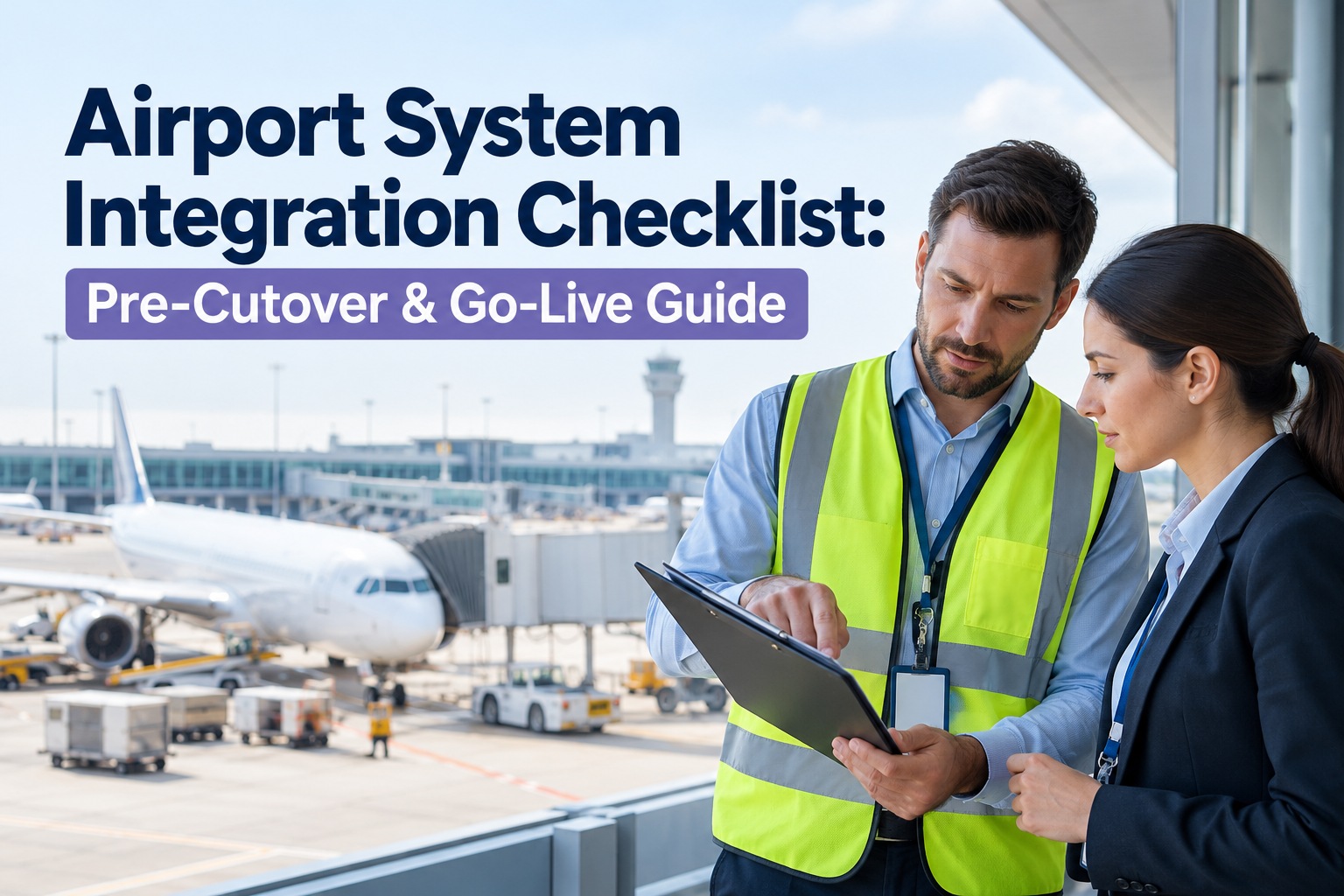
Airport System Integration Checklist: Pre-Cutover & Go-Live Guide
From authentication and interfaces to data reconciliation, rollback and go-live sign-off — the full pre-cutover and go-live path, proven step by step. The OXMAINT AI maintenance management software integrates cleanly and is verified before it ever carries live traffic.
Auth
Interfaces
Reconcile
Rollback
No window
the airport keeps running — there's no quiet time to switch over
Many systems
one platform touches a web of connected operational systems
Reconciled
every record proven to match before the old system is retired
Reversible
a tested rollback so go-live is never a one-way door
Why Airport Cutovers Carry Extra Risk
The same integration that's routine in an office is high-stakes at an airport, because the environment gives no margin for a bad go-live. Four things raise the bar; book a demo to see a clean integration path in OXMAINT AI.
No downtime window
The airport runs around the clock, so there's no quiet period to cut over in — go-live happens live.
Interconnected systems
One platform ties into operational databases, access control and many interfaces — a break in one ripples out.
Safety & compliance
Airport systems sit under security and regulatory oversight, so integration has to hold the line on both.
Thin fallback
Many processes have no quick manual workaround, so a failed cutover stops work rather than slowing it.
The Integration Checklist
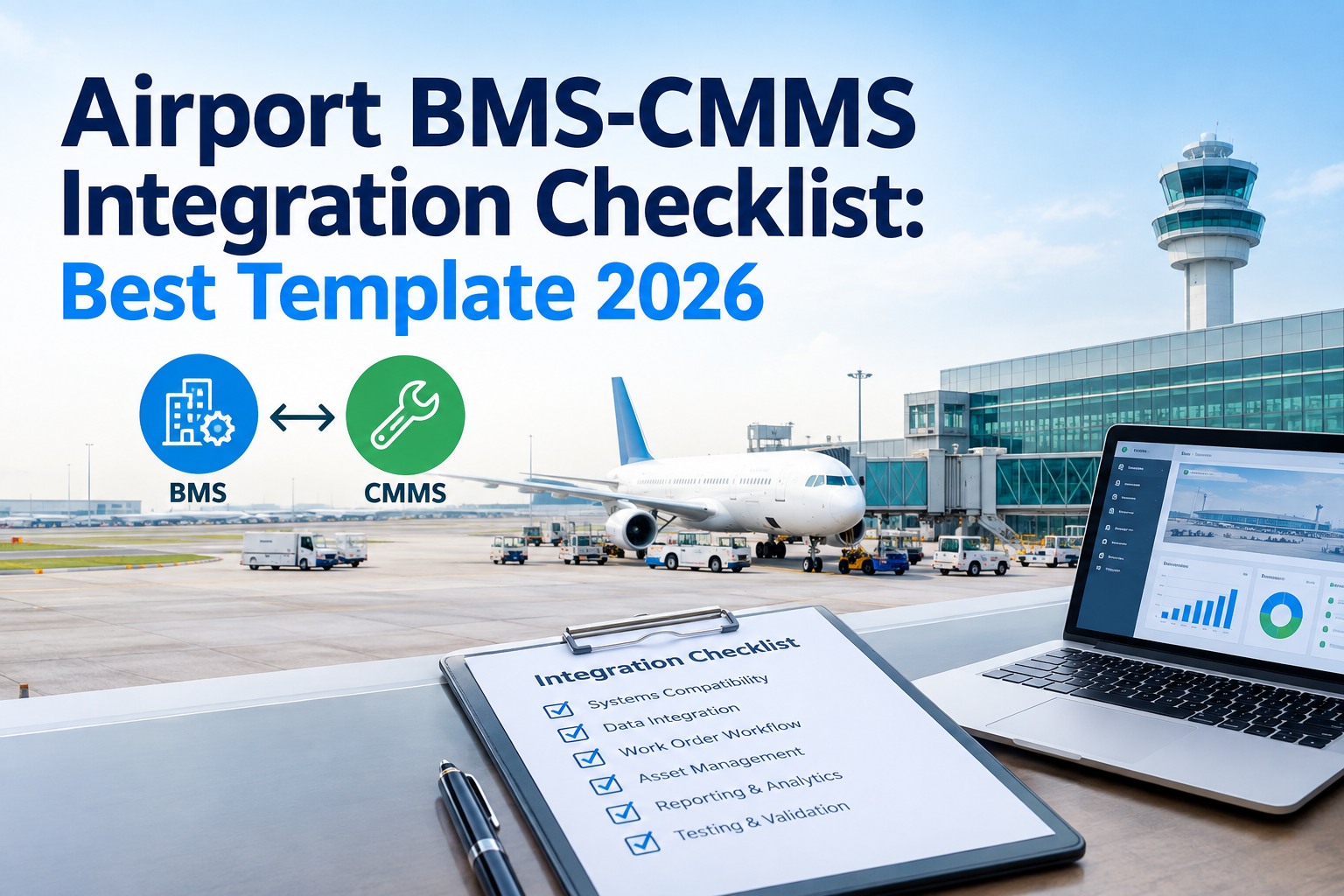
Six domains carry the cutover — authentication, interfaces, data, testing, rollback and go-live. The tag on each line shows the phase it belongs to. Work them in order and sign each off; start free and run the integration on a plan in OXMAINT AI.
Phase
PREPre-cutover
CUTCutover
POSTPost go-live
Go / no-go is a decision, not a formality. The checklist feeds a single question at the gate: is every pre-cutover item green, is the rollback proven, and does every stakeholder agree to proceed? If any answer is no, the right call is to hold — a delayed go-live costs far less than a failed one in a live airport. Align the plan with your airport's change-management and security policies throughout.
The Riskiest Cutover Is the One Nobody Can Reverse.
Go-live stops being frightening when the data is reconciled, the rollback is tested, and every interface has been proven under load. The OXMAINT AI maintenance management software is built to integrate through documented APIs and be validated against your systems before it carries a single live work order — so the switch is a planned step, not a leap.
How OXMAINT AI Integrates Into an Airport
A maintenance platform has to join the airport's system landscape cleanly and prove itself before go-live. Here's what the OXMAINT AI maintenance management software brings to integration; start free and plan a clean cutover in OXMAINT AI.
Documented APIs
Open, documented interfaces for assets, work orders and inventory, so integration is built on contracts, not guesswork.
Enterprise authentication
Single sign-on, role-based access and secure credentials, so the platform fits the airport's security model.
Data migration support
Structured import with mapping and reconciliation, so records move across proven to match, not hoped to match.
Test & staging
A staging environment to validate interfaces and data before go-live, so the live switch holds no surprises.
Live monitoring
Interface health and sync status visible after go-live, so a problem shows as an alert, not a silent failure.
Audit trail
Every integration step and sign-off on record, so the cutover is documented for review and compliance.
“
Our last system cutover went badly — we found out during go-live that record counts didn't match and there was no clean way back, so we spent a night reconciling by hand with operations breathing down our necks. The next time, we ran it off a proper checklist: reconciliation proven in a trial run, a rollback we'd actually tested, and a hard go / no-go gate. The switch itself was almost boring, which at an airport is exactly what you want. Boring go-lives are successful go-lives.
IT & Systems Manager · International Airport
Frequently Asked Questions
What should an airport system integration checklist cover?
Six domains: authentication and security, interfaces and APIs, data migration and reconciliation, testing and validation, rollback and contingency, and go-live with post-cutover steps. Each item is tied to a phase — pre-cutover, cutover or post — and signed off before the gate.
Start free and run the full checklist.
Why is data reconciliation so important at cutover?
Because retiring the old system means trusting the new one completely — and if record counts and totals don't match, you may not discover the gap until it causes a real problem. Reconciling source against target, first in a trial migration and again after the live run, is how you prove the data moved intact before it's too late to check.
Book a demo to see it.
What makes a good rollback plan?
Clear decision points for when to invoke it, backups taken beforehand with a restore that's actually been proven, a manual fallback for the gap, and agreement on who makes the call. A rollback you've never tested isn't a plan — it's a hope. The point is that go-live is never a one-way door you can't step back through.
What is a go / no-go decision?
It's the formal gate before cutover where stakeholders confirm every pre-cutover item is complete, the rollback is ready, and it's safe to proceed. If any critical item is open, the right call is to hold. At an airport, where a failed cutover can stop operations, a disciplined no-go is a success, not a setback.
How does a CMMS fit into airport integration?
A maintenance platform integrates through documented APIs for assets, work orders and inventory, fits the airport's single sign-on and access model, supports structured data migration with reconciliation, validates in a staging environment before go-live, and exposes interface health afterward — so it joins the system landscape as a proven, monitored component rather than an unknown.
Make Go-Live the Boring Part — Because Everything Was Proven First.
Run airport system integration off a disciplined checklist with the OXMAINT AI maintenance management software — tested authentication and interfaces, reconciled data, a proven rollback, and a hard go / no-go gate. Turn a risky cutover into a planned, reversible, well-documented step.