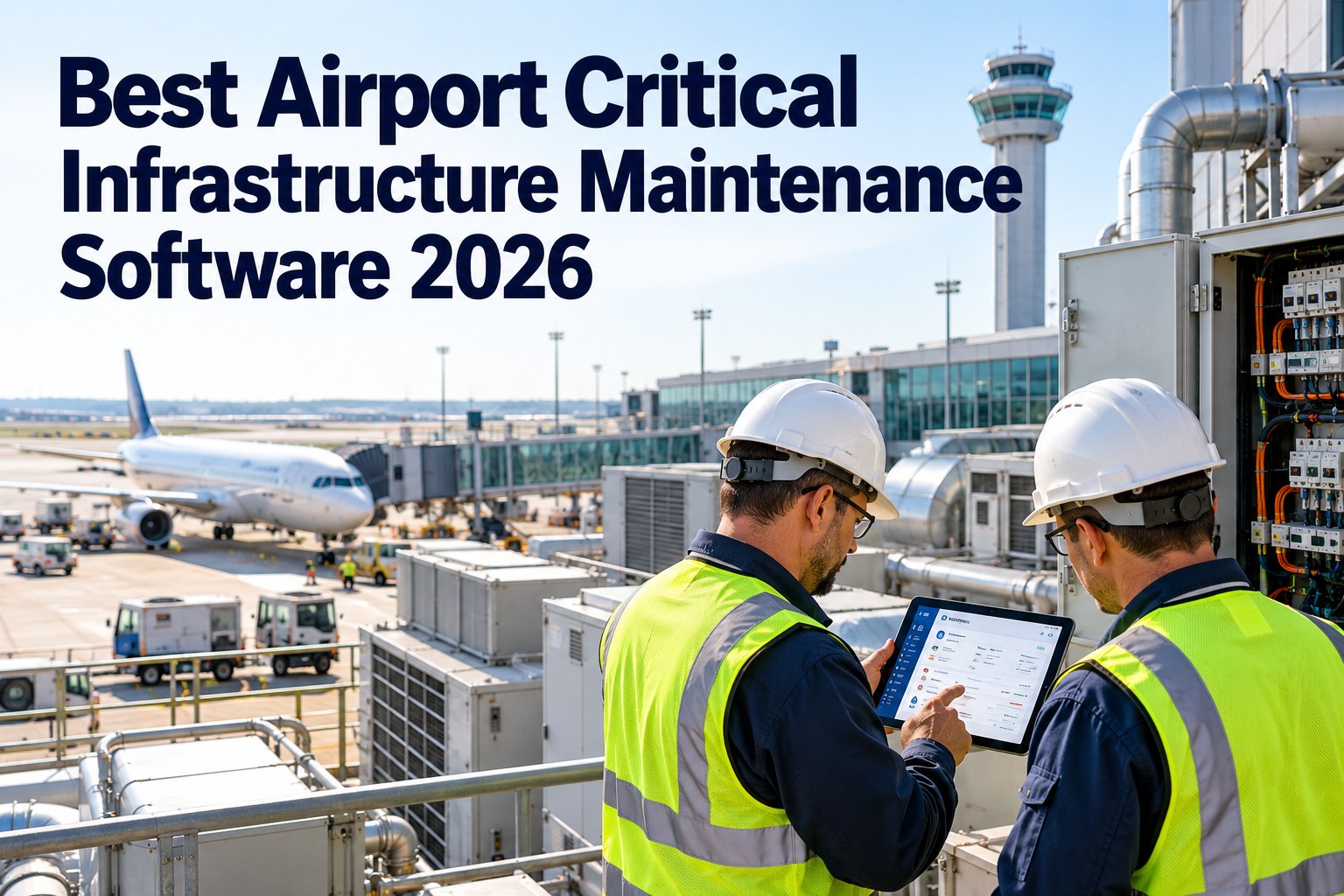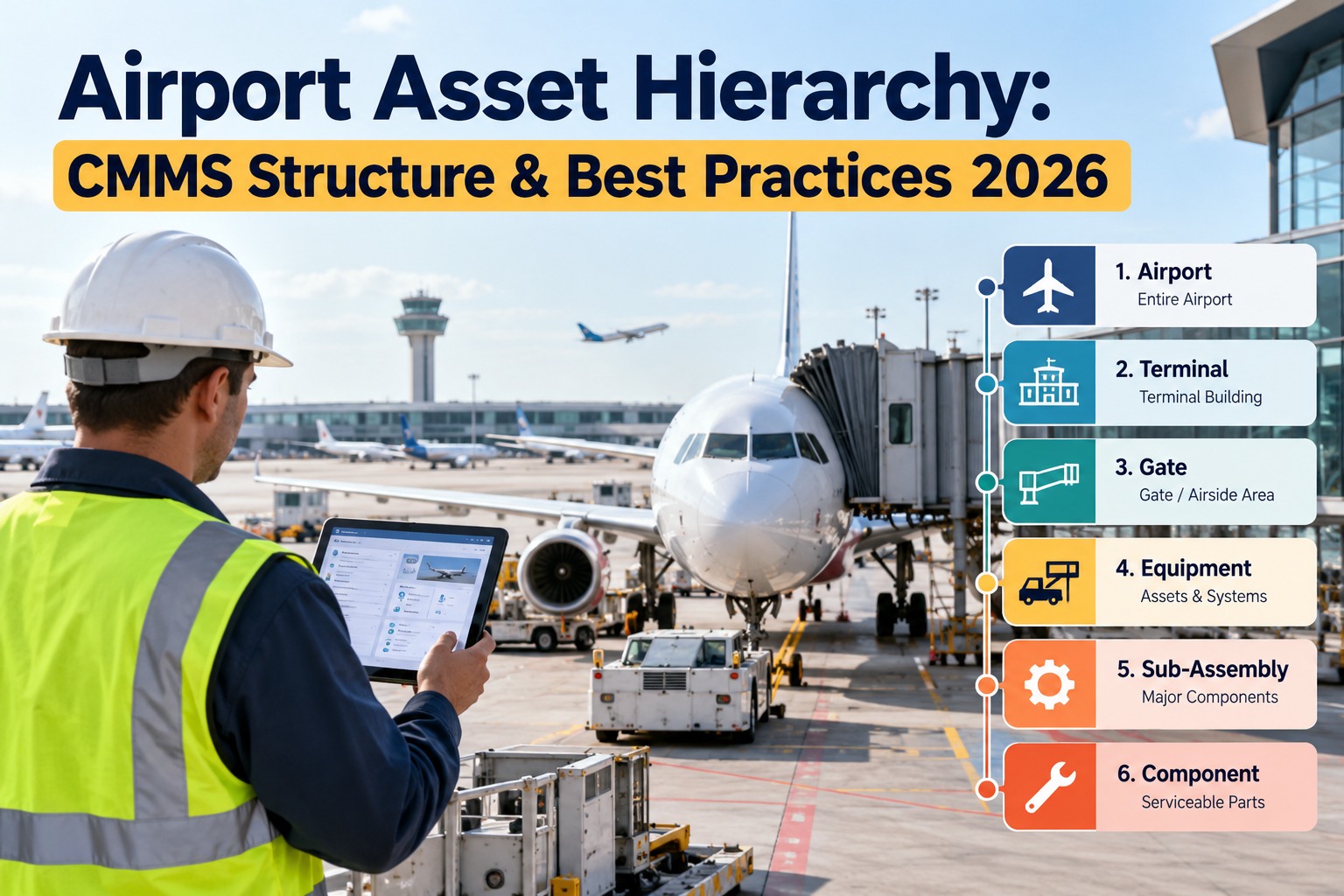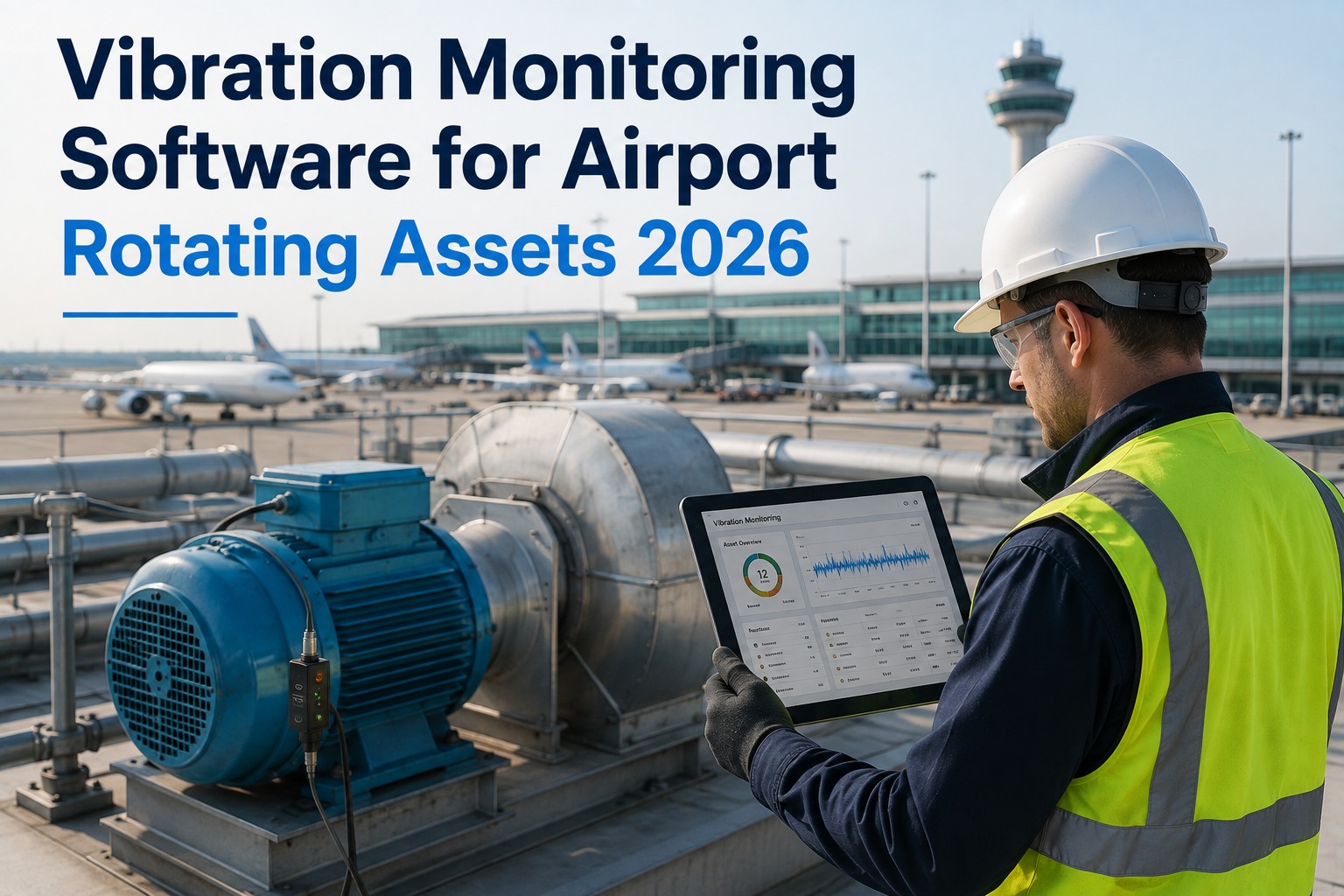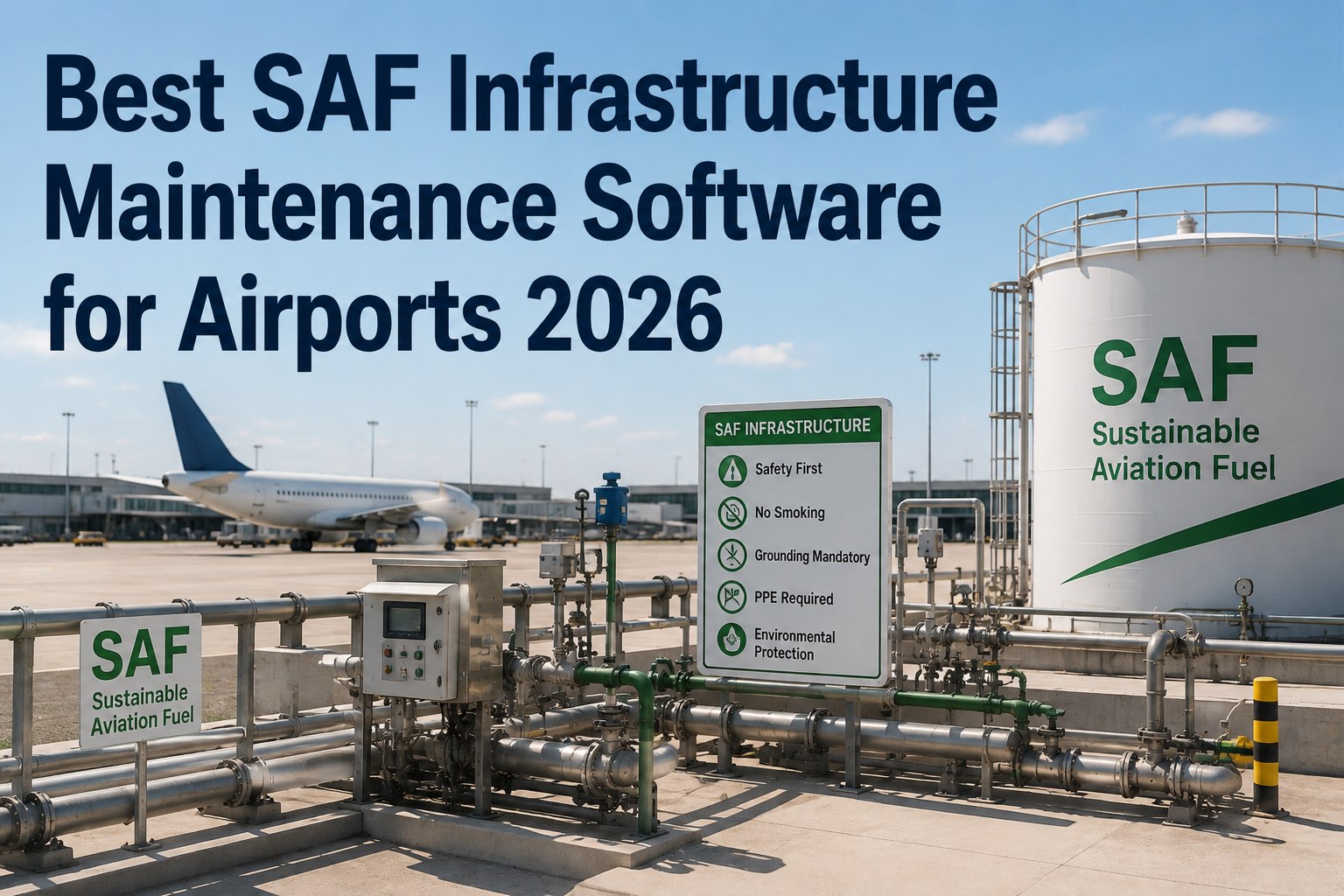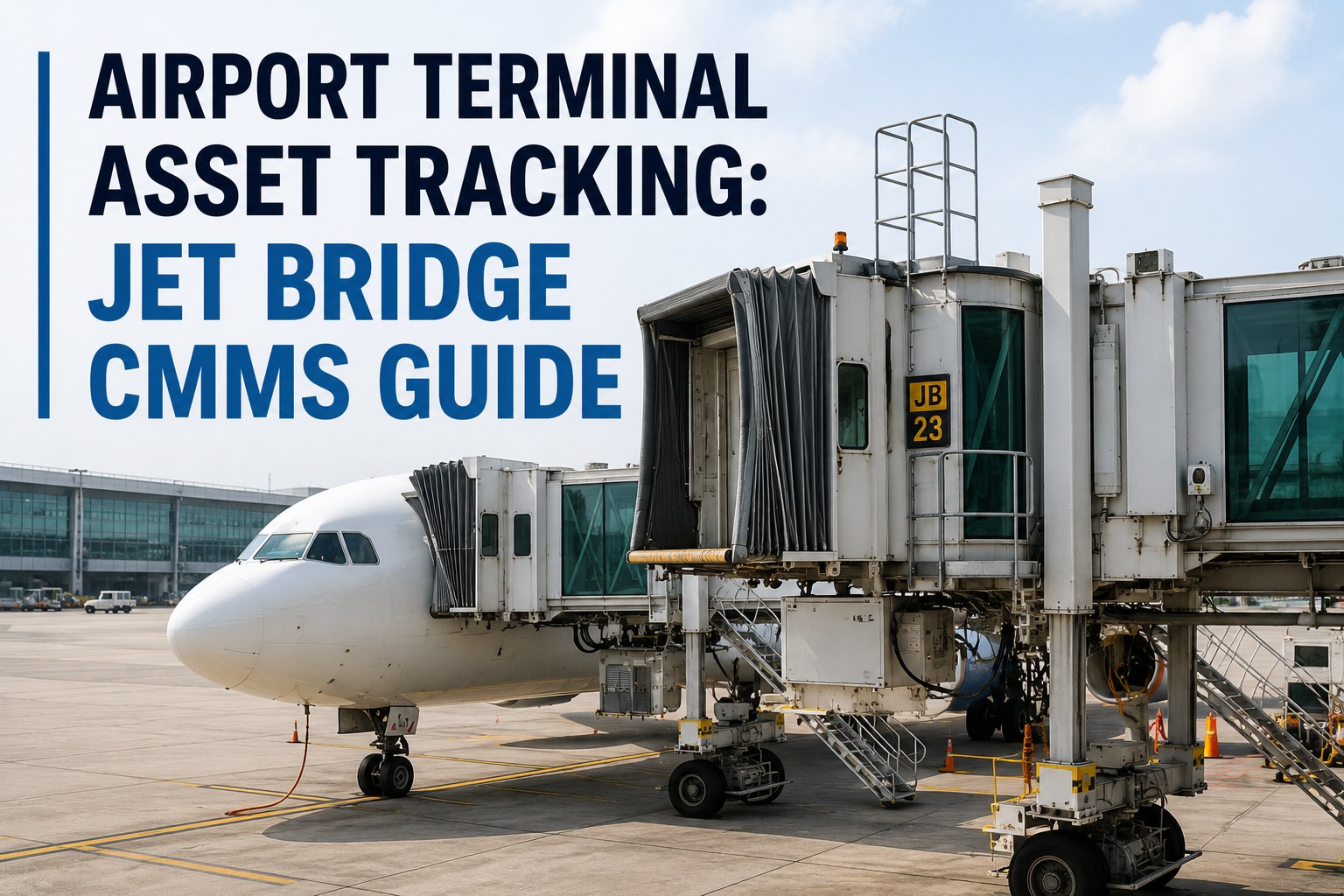
Airport terminal asset tracking is the backbone of uninterrupted passenger experience — every jet bridge, escalator, baggage belt and HVAC unit must function flawlessly under 24/7 demand. This terminal asset guide for 2026 walks aviation facilities managers through implementing a CMMS for terminal infrastructure, covering jet bridge lifecycle management, PBB inspection records, elevator maintenance intervals and baggage handling system reliability. A modern jet bridge CMMS eliminates spreadsheet drift, automates compliance documentation and predicts failures before they strand passengers at the gate. Whether you manage a 30-gate regional terminal or a 200-gate international hub, centralizing terminal asset tracking in a purpose-built platform like OxMaint cuts unplanned downtime by 30–50% and keeps audit readiness continuous. Start Free Trial to see your terminal assets in one dashboard today.
Terminal Asset Guide 2026
What if no jet bridge, escalator or baggage belt ever failed mid-operation again?
A 150-gate terminal operates 2,000+ critical assets under continuous load. Reactive maintenance costs airports $50K–$120K per hour in delayed flights, missed connections and passenger compensation. A CMMS for terminal infrastructure changes the math — shifting 70% of maintenance from emergency to planned.
Why Terminal Asset Tracking Matters
The hidden cost of reactive terminal maintenance
A single jet bridge hydraulic failure during boarding can delay a flight by 45–90 minutes, triggering cascading gate conflicts across the terminal. When airport facilities managers track terminal assets on spreadsheets or legacy CMMS modules bolted onto enterprise ERP systems, critical inspection dates slip, filter changes get skipped and no one sees the bearing temperature trend on escalator #14 until it seizes at peak morning rush. The result is a terminal that lurches from one emergency to the next, with overtime costs eating 20–30% of the annual MRO budget.
A real-world example: a 120-gate domestic terminal spending $1.8M annually on reactive maintenance and overtime implemented CMMS terminal tracking across jet bridges, baggage handling motors and vertical transportation. Within 12 months, emergency work orders dropped 42%, asset availability rose to 98.6% and audit preparation time fell from three weeks to two days. The payback period was under nine months. The shift came from three capabilities — automated PM scheduling, real-time asset condition monitoring and mobile work-order execution — all of which OxMaint delivers out of the box.
Asset Lifecycle Framework
Jet bridge lifecycle and PBB inspection tracking with CMMS
Passenger boarding bridges (PBBs) are the highest-traffic, highest-wear assets in any terminal. Each jet bridge cycles 8–20 times per day, subjecting hydraulic pumps, drive motors, bellows, canopy seals and leveling sensors to continuous mechanical stress. Without a jet bridge CMMS, inspection records live in binders, PM checklists vary by technician and hydraulic fluid leaks go unreported until a bridge stalls during boarding. A structured terminal asset guide for 2026 must address the full PBB lifecycle — from commissioning through mid-life overhaul to end-of-service replacement.
Beyond Jet Bridges
Terminal infrastructure CMMS: elevators, escalators, HVAC and baggage systems
While jet bridges dominate the conversation, a comprehensive airport terminal CMMS must cover every asset that touches passenger flow and safety. Escalators and moving walkways carry 5,000–15,000 passengers per day in a busy concourse; a single step-chain failure can close a concourse segment for 6–12 hours. Baggage handling systems run miles of conveyor belts with hundreds of motors, scanners and diverters — one failed motor can halt bag flow to an entire pier. HVAC systems maintain terminal temperature across 1M+ sq ft; a chilled-water pump failure in July can make gate areas uninhabitable.
| Asset Category | Key Failure Modes | CMMS PM Interval | Critical KPI |
|---|---|---|---|
| Jet Bridges (PBB) | Hydraulic leaks, drive motor wear, sensor drift | Daily visual / monthly lube / quarterly audit | Cycle count, MTBF, fluid level trend |
| Escalators & Moving Walkways | Step-chain wear, motor bearing failure, comb-plate gap | Weekly inspection / quarterly lube / annual NDT | Passenger count, vibration trend, uptime % |
| Elevators & Lifts | Drive wear, door sensor failure, cable fatigue | Monthly inspection / quarterly load test | Door cycle count, entrapment incidents |
| Baggage Handling System | Motor burnout, belt tracking, diverter misalignment | Shift-level visual / weekly belt inspection | Throughput rate, motor temperature, jams/hr |
| HVAC (AHU, Chillers, Pumps) | Bearing failure, refrigerant leak, filter clog | Monthly filter / quarterly service / annual overhaul | Discharge temp, pressure delta, kWh |
| Terminal Power & Emergency Systems | Battery degradation, transfer switch failure | Monthly generator test / annual full load bank | Test runtime, battery voltage trend |
How OxMaint Helps
CMMS terminal tracking built for 24/7 aviation operations
OxMaint was built for the realities of terminal maintenance — multi-shift teams, strict compliance deadlines, thousands of interdependent assets and zero tolerance for unplanned downtime. Here is how OxMaint maps directly to the terminal asset tracking challenges airports face in 2026:
ROI Snapshot
What a terminal saves with CMMS jet bridge tracking
Consider a 90-gate terminal operating 90 jet bridges, 60 escalators/moving walkways, 40 elevators, a baggage system with 350+ motors and 25 major HVAC units. Under reactive maintenance, this terminal spends roughly $2.4M/year on emergency repairs, overtime and expedited parts. Here is how the numbers shift with OxMaint deployed across the terminal asset portfolio:
| Cost Category | Before OxMaint (Reactive) | With OxMaint (CMMS) | Annual Savings |
|---|---|---|---|
| Emergency repair labor & parts | $1,100,000 | $620,000 | $480,000 |
| Overtime (nights/weekends/holidays) | $310,000 | $130,000 | $180,000 |
| Gate downtime & flight delay penalties | $540,000 | $160,000 | $380,000 |
| Expedited parts shipping | $95,000 | $28,000 | $67,000 |
| Audit preparation & compliance fines | $120,000 | $45,000 | $75,000 |
| Total annual savings | $1,182,000 | ||
Payback on OxMaint deployment for this terminal profile is typically 4–7 months, with ROI exceeding 500% in the first year. The savings compound in year two as predictive analytics mature and the asset condition database deepens.
See OxMaint on your terminal assets
Book a 30-minute demo tailored to your airport terminal
See how OxMaint tracks jet bridges, escalators, baggage systems and HVAC in one dashboard — with automated PM scheduling, mobile work orders and audit-ready inspection records.
Frequently Asked Questions
Airport terminal CMMS and jet bridge tracking — answered
Ready to transform your terminal?
Stop managing terminal assets on spreadsheets — start with OxMaint today
Join the airports using OxMaint to cut unplanned downtime 30–50%, automate PBB inspections and keep every jet bridge, escalator and baggage system running at peak availability.
Free 14-day trial · No credit card