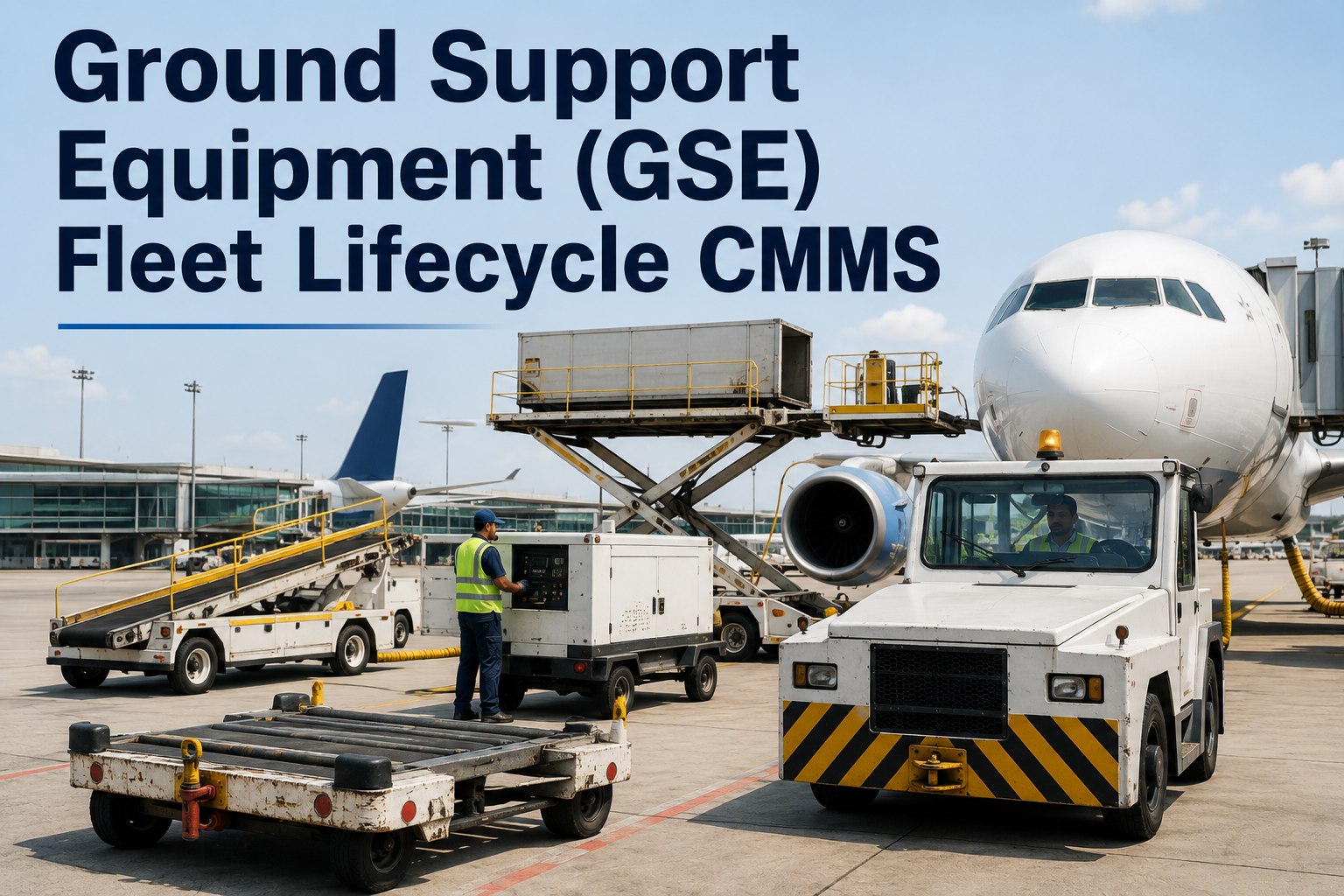
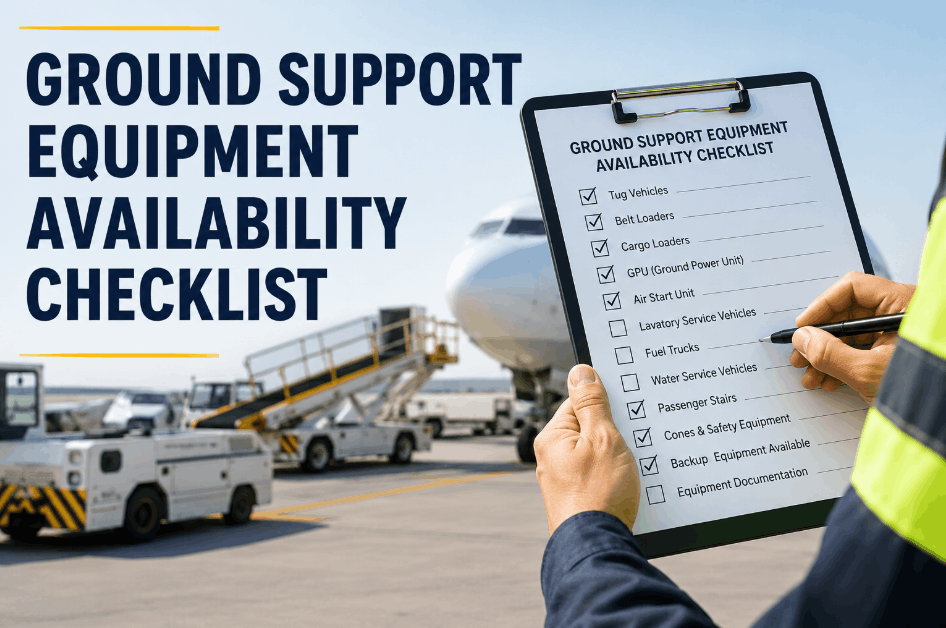
Ground support equipment failures during peak ramp periods create cascading departure delays, stand conflicts, and airside safety exposure that cannot be recovered within the same operational hour. A pushback tractor that fails at the gate, a belt loader that stalls mid-cycle, or a tug fleet dispatched without verified serviceability converts a tight departure sequence into a ground stop. Oxmaint's Sign up free platform gives ramp operations and maintenance teams structured mobile readiness workflows to confirm serviceability, verify stand equipment availability, and document tow equipment condition before peak periods put pressure on the apron. Whether you manage a hub airline's GSE pool, a ground handler's mixed fleet, or an MRO's airside equipment inventory, unverified fleet readiness creates departure sequencing risk and operational liability across every stand and marshalling zone in your operation. Book a demo to see how Oxmaint helps ramp management and maintenance teams standardize pre-peak fleet readiness verification and generate service records with full audit trails. Use this checklist before peak ramp periods to confirm ground fleet availability and serviceability across all equipment categories supporting active operations.
Confirm Ground Fleet Readiness with Oxmaint
Capture serviceability status, stand equipment availability, and tow equipment condition — built for ramp operations and maintenance teams managing GSE fleets across apron, marshalling, and stand environments.
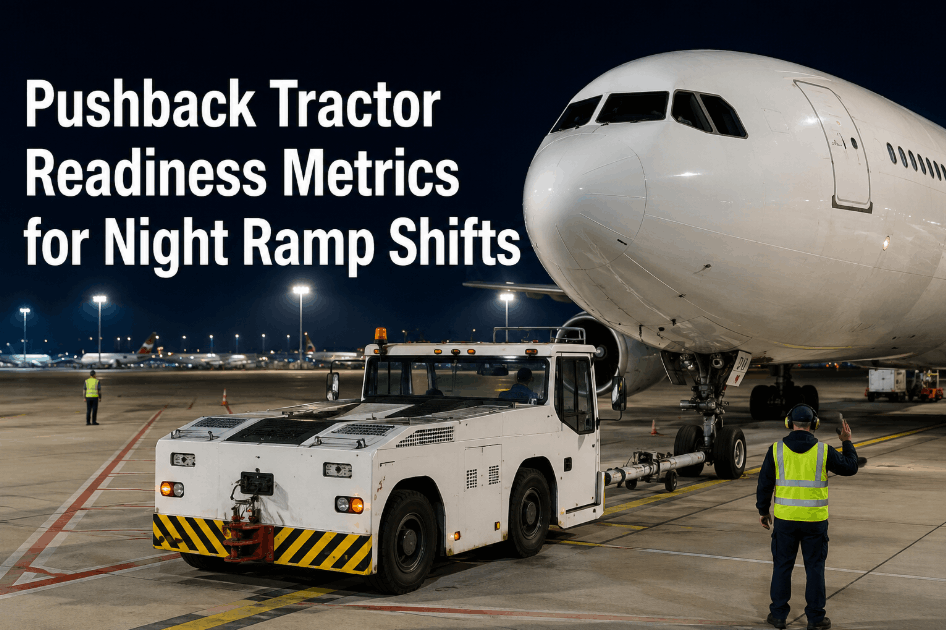
1. Pushback Tractor and Tow Equipment Readiness
Tow equipment availability directly controls departure sequencing. A single pushback tractor out of service during a bank departure creates stand conflicts that delay multiple aircraft beyond their slot windows.
2. Belt Loader and Cargo Equipment Serviceability
Cargo handling equipment serviceability determines whether aircraft can be turned within the scheduled ground time. Belt loader failures discovered at aircraft arrival convert an on-time departure into a confirmed delay.
3. Stand Readiness and Apron Flow Confirmation
Stand readiness encompasses more than equipment availability. A clear, correctly configured stand with confirmed GPU and air start availability is the foundation for an on-time turnaround before the aircraft arrives.
4. Fleet Maintenance Status and Availability Tracking
Real-time visibility into which equipment is serviceable, which is under maintenance, and which is awaiting parts is the operational requirement that separates delay-resilient fleets from reactive ones.
5. Performance Monitoring and Delay Control
Fleet readiness data only improves operations when it feeds delay attribution analysis, asset reliability review, and procurement decisions between peaks — not just the daily dispatch checklist.
Build a Verified Ground Fleet Readiness Program
Oxmaint gives ramp operations and maintenance teams structured mobile readiness workflows, mandatory field capture, and real-time asset visibility to confirm ground fleet serviceability before every peak departure bank.
Frequently Asked Questions — Ground Fleet Readiness
1. How far in advance should ground fleet readiness checks be completed before a peak period?
Fleet readiness checks should be completed at minimum 60 minutes before the first aircraft arrival in a peak bank. This allows time to address faults identified during the check, source replacement equipment, and confirm stand assignments before the departure sequence begins. Same-day checks completed at arrival are reactive, not preventive.
2. What equipment categories have the highest impact on departure sequencing if unserviceable?
Pushback tractors and GPU units have the highest single-unit impact on departure sequencing because their absence prevents aircraft movement or APU-off operations at the stand. Belt loaders create cargo-hold delays that extend ground time. All three categories should be prioritized in pre-peak serviceability verification.
3. How does Oxmaint support ground fleet readiness and GSE maintenance management?
Oxmaint provides mobile pre-peak readiness checklists with mandatory serviceability fields, real-time GSE availability dashboards, and delay attribution reporting that links equipment faults to aircraft turn records. Managers gain visibility into fleet status across all stands and shifts without relying on verbal handoffs.
4. What are the most common GSE faults found during pre-peak readiness checks?
Electric tug low battery state-of-charge, belt loader hydraulic fluid leaks, pushback tractor brake wear, tow bar shear pin degradation, and GPU output voltage faults are the most commonly identified issues during structured pre-peak equipment checks. All are preventable with systematic pre-shift verification rather than failure-triggered maintenance.
5. Can ground fleet readiness records support delay attribution reporting and fleet procurement decisions?
Yes. Timestamped readiness records, equipment fault work orders linked to aircraft turn delays, and repeat fault pattern reports in Oxmaint provide the operational evidence base needed for delay attribution to ground handling causes, fleet replacement justification, and maintenance interval optimization decisions.
Ready to Standardize Ground Fleet Readiness Verification?
Oxmaint gives your ramp operations team the structured workflows, mobile capture tools, and asset visibility to confirm ground fleet serviceability before every peak period — every equipment category, every stand, every shift.