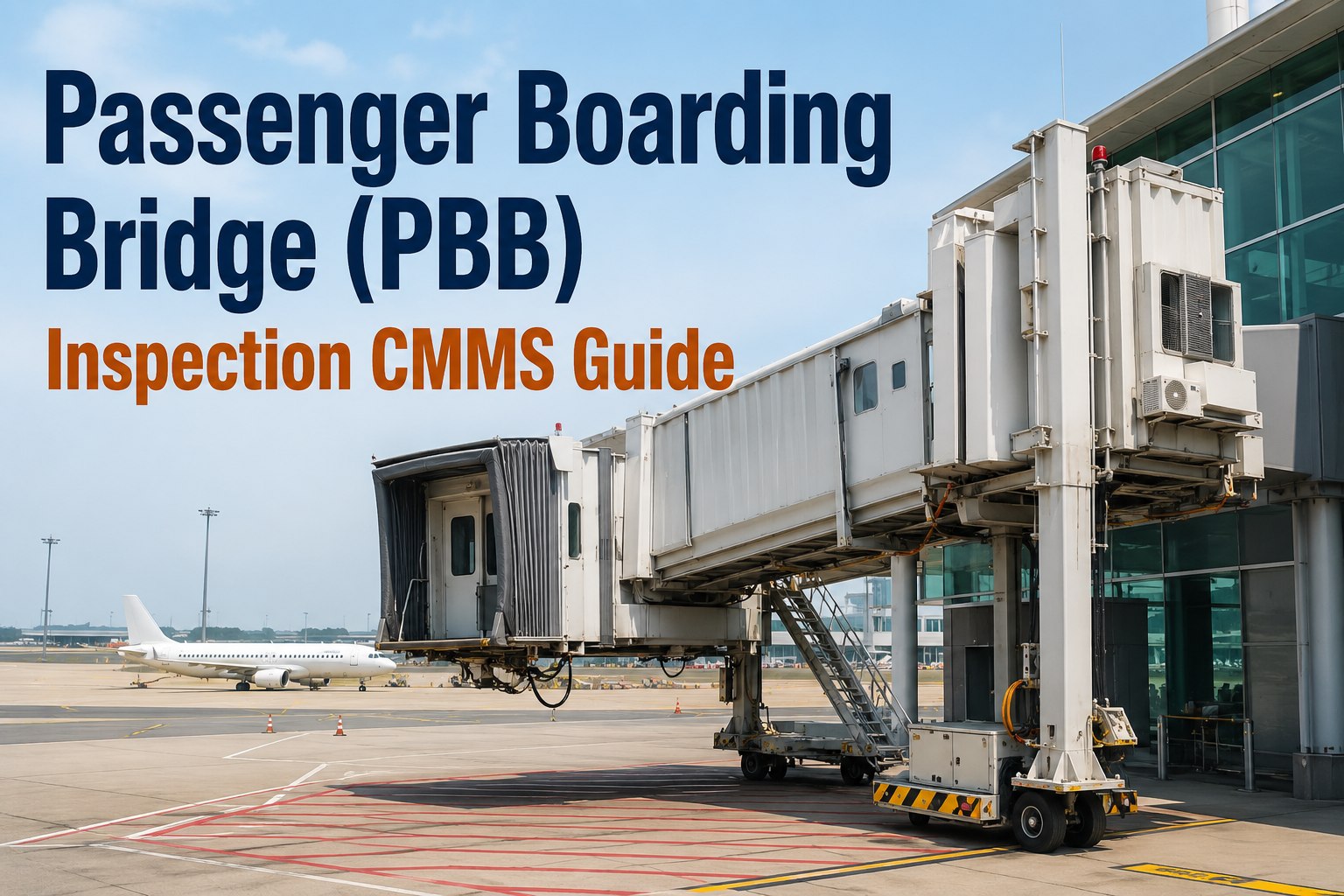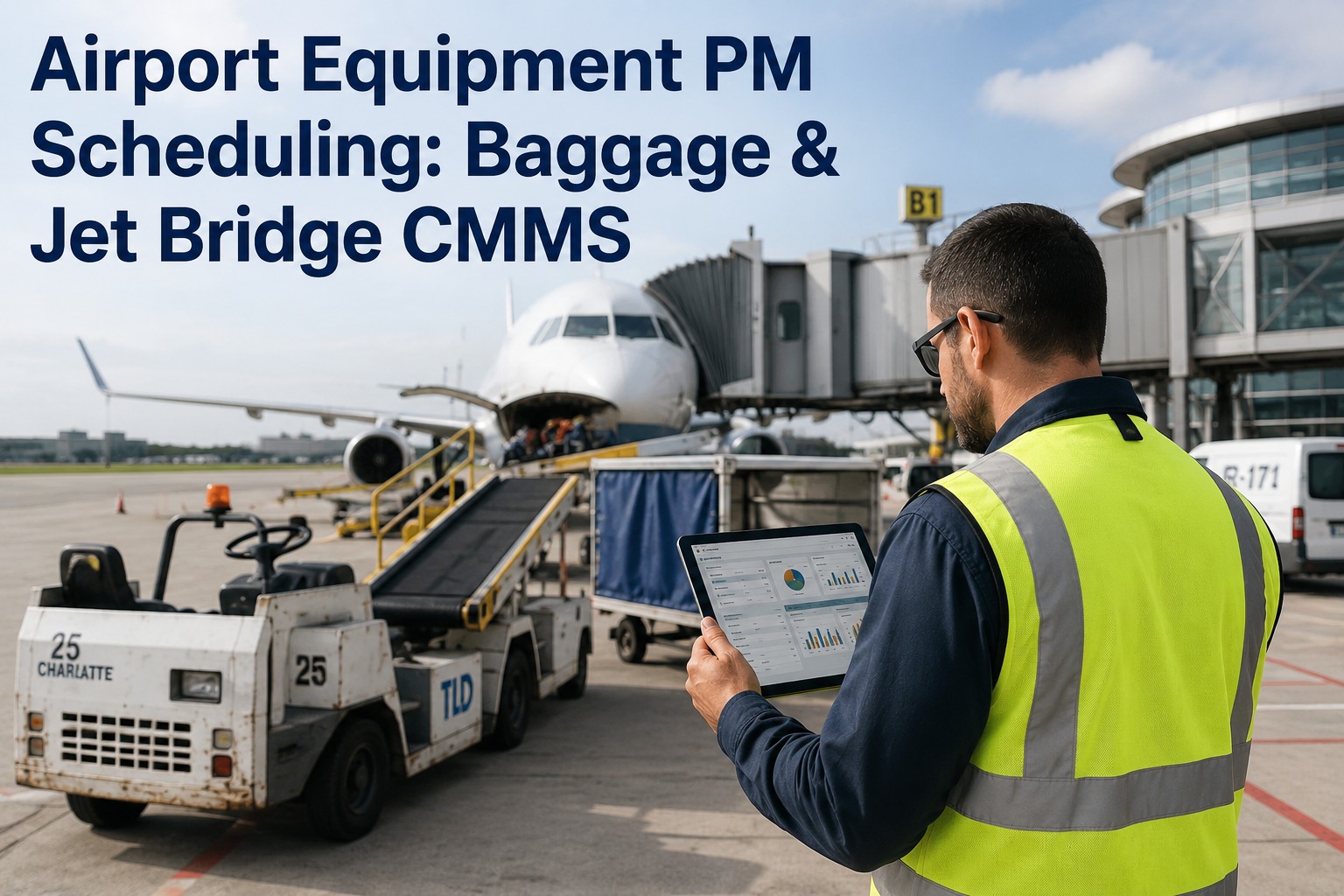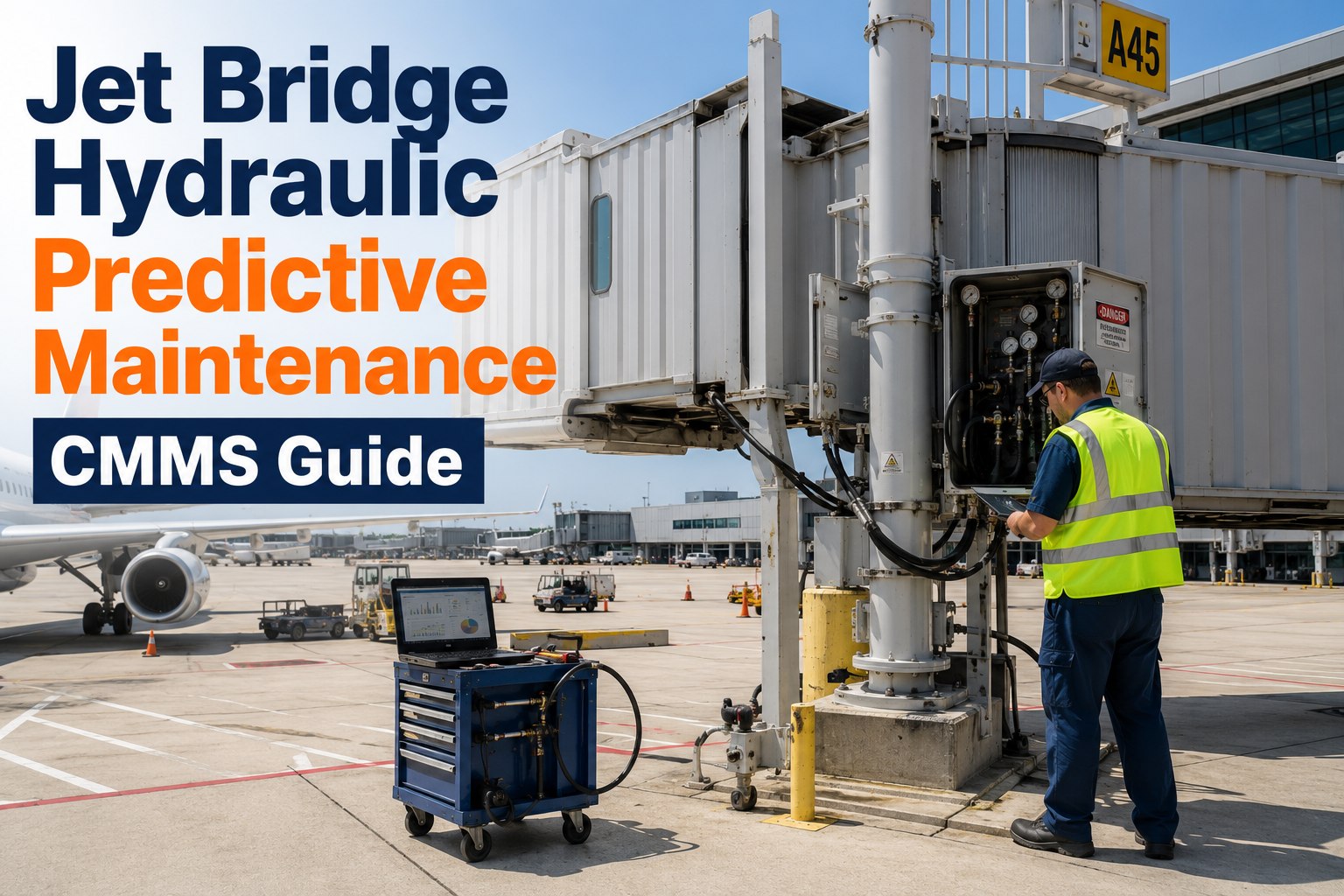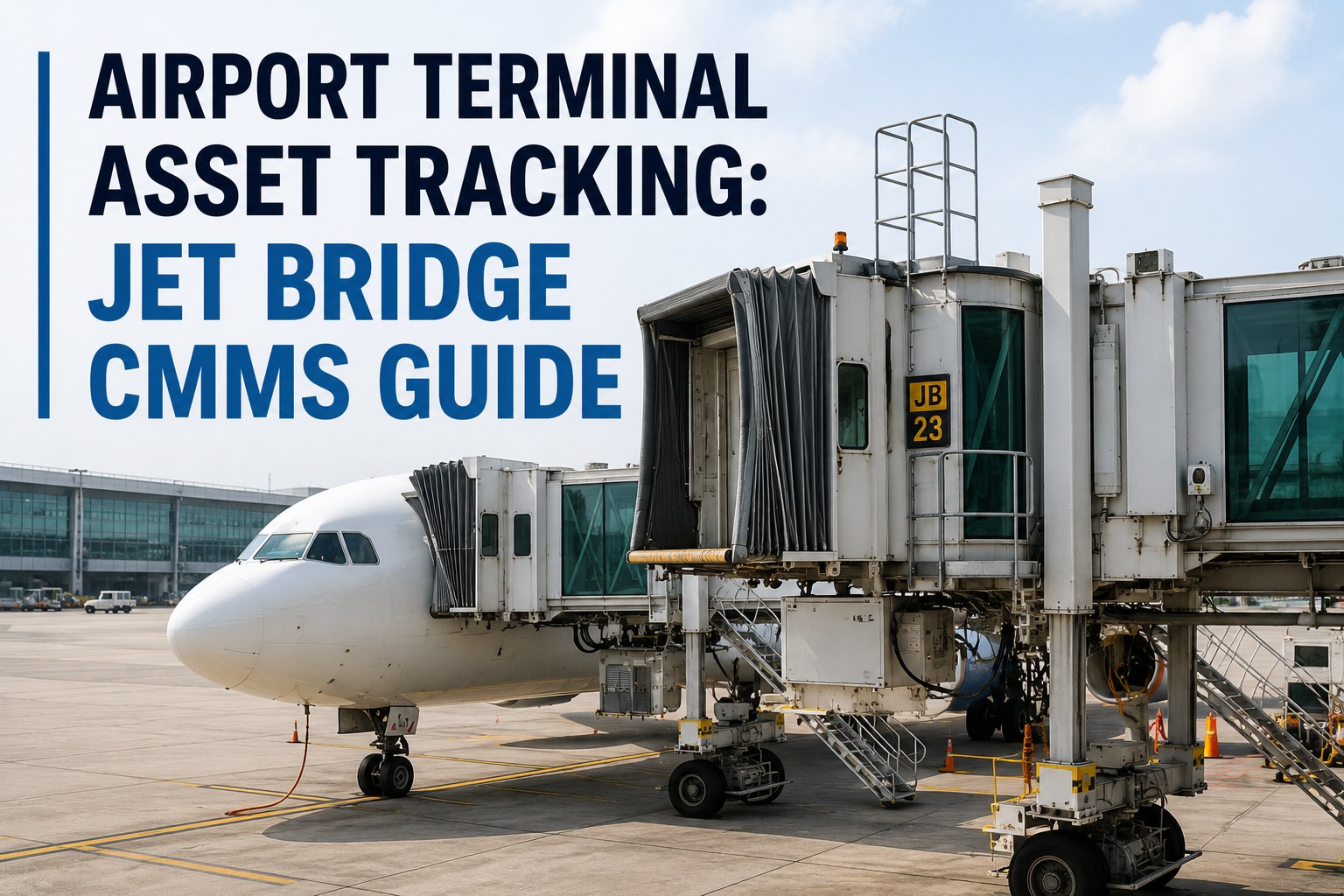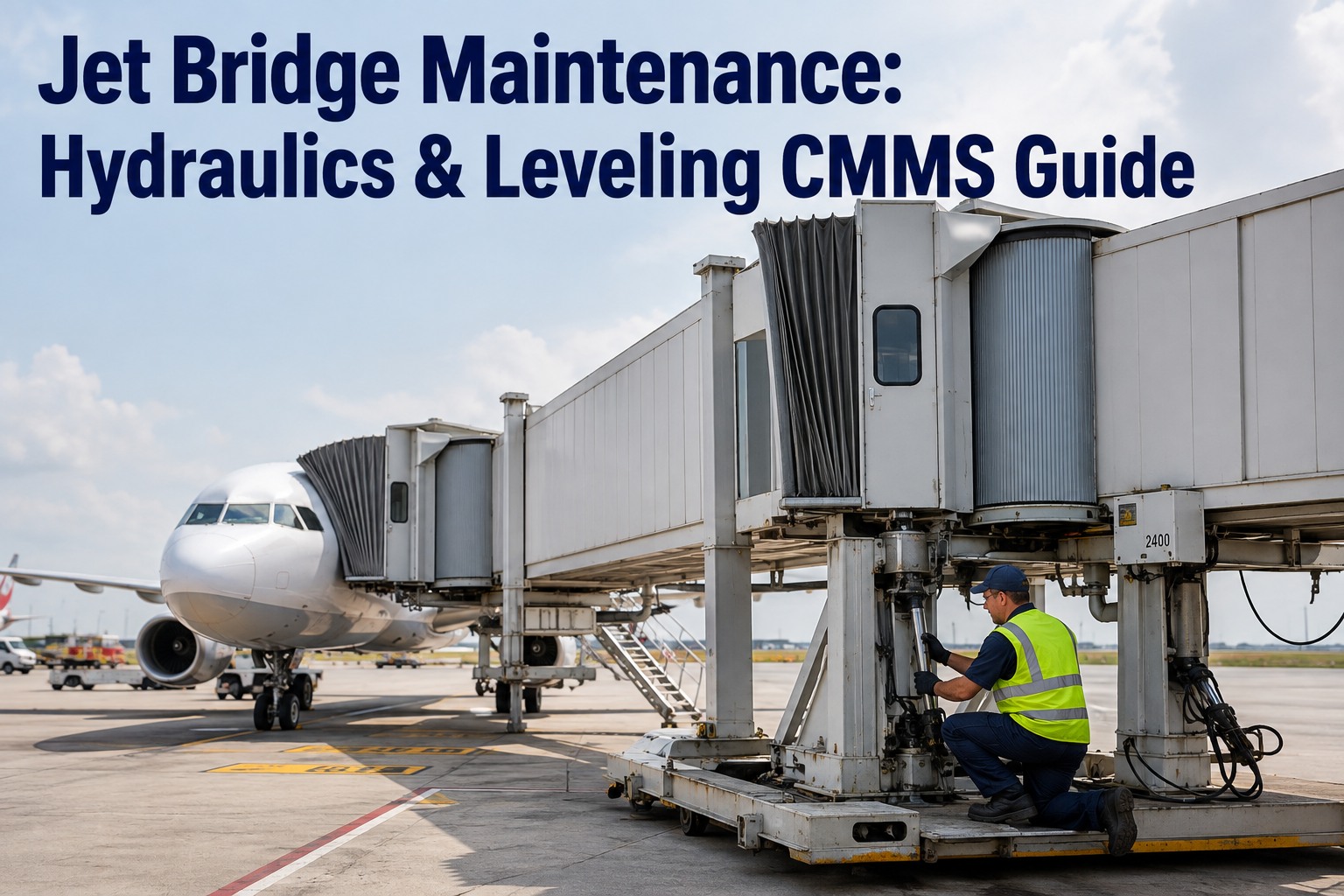
Jet bridge maintenance is the backbone of on-time gate operations — a single hydraulic leak or misaligned auto-leveling sensor can cascade into delayed departures, stranded passengers, and six-figure airline penalties within minutes. This jet bridge maintenance guide covers the critical preventive maintenance (PM) tasks for hydraulic systems, auto-leveling mechanisms, cab seals, and bumpers that airport facilities teams must execute to keep every gate available. By integrating these workflows into a CMMS for jet bridge maintenance, managers shift from reactive firefighting to predictive, audit-ready reliability. Ready to digitize your gate maintenance program? Start Free Trial and see how OxMaint streamlines jet bridge PM in days, not months.
Is a Stuck Jet Bridge Costing Your Airport $18,000 Per Hour in Gate Delays?
Most jet bridge failures signal well in advance — through hydraulic pressure drops, sensor drift, and cab seal wear. A CMMS-powered jet bridge maintenance program catches these warning signs before they ground a flight. OxMaint digitizes hydraulic PM, auto-leveling calibration, and bumper inspections across every gate.
The Real Cost of Reactive Jet Bridge Upkeep
A mid-sized airport operating 24 gates averages 3.2 jet bridge breakdowns per month — each costing 45 minutes of gate time and roughly $13,500 in delay penalties. Reactive maintenance costs 3–5x more than a structured PM program.
A regional airport with 18 jet bridges was spending $42,000 annually on emergency hydraulic pump replacements and contractor callouts. After implementing OxMaint CMMS for jet bridge PM — scheduling quarterly hydraulic fluid analysis and monthly auto-leveling sensor checks — they cut unplanned jet bridge downtime by 62% in the first 6 months and recovered $26,000 in avoided delay costs.
Jet Bridge Hydraulics CMMS: Pump, Fluid & Cylinder Checklist
Hydraulic systems drive 90% of jet bridge movement — extend, retract, raise, and lower. A CMMS jet bridge hydraulics schedule ensures fluid integrity, pump efficiency, and cylinder seal health before pressure drops trigger a stall.
Hydraulic Pump PM (Monthly)
- Inspect pump for audible cavitation or whine under load
- Check operating pressure against OEM spec (typically 1,500–2,500 PSI)
- Verify pump cycle time for full extend/retract sequence
- Log hours and flag units exceeding 8,000 run-hours for rebuild evaluation
Hydraulic Fluid Analysis (Quarterly)
- Sample fluid for particulate contamination (ISO 4406 cleanliness code)
- Check water content — flag if above 200 ppm
- Verify viscosity grade matches ambient temperature range
- Replace filters when delta-P exceeds 25 PSI across the element
Cylinder & Hose Inspection (Monthly)
- Inspect lift cylinder rods for scoring, pitting, or chrome flaking
- Check rod seals and wipers for weep or external leakage
- Examine high-pressure hoses for abrasion, kinking, or blisters
- Torque hose fittings to spec and tag any hose older than 5 years
Accumulator & Valving (Bi-Annual)
- Verify bladder accumulator pre-charge pressure (typically 900 PSI N2)
- Test solenoid valve response time under manual command
- Inspect relief valve cracking pressure and full-flow condition
- Confirm manual lowering valve operates smoothly without drift
| Hydraulic PM Task | Frequency | Threshold / Spec | CMMS Trigger |
|---|---|---|---|
| Pump pressure & cycle test | Monthly | 1,500–2,500 PSI | Auto work order |
| Fluid contamination sampling | Quarterly | ISO 4406 ≤ 20/18/15 | Scheduled PM |
| Filter element replacement | 1,000 hrs or 6 mo | ΔP > 25 PSI | Meter-based |
| Hose & cylinder visual inspect | Monthly | Zero external leakage | Checklist WO |
| Accumulator pre-charge | Bi-annual | 900 PSI ± 5% | Scheduled PM |
Auto-Leveling Jet Bridge Sensors: Calibration & Inspection Guide
The auto-leveling mechanism keeps the bridge cab aligned with the aircraft fuselage during boarding. Sensor drift of just 2° can trigger false height alarms, forcing manual override and slowing gate turnaround.
Height Sensor Calibration — Weekly
Verify ultrasonic or laser height sensors against a known reference target. If offset exceeds ±0.5 inches, recalibrate using the OEM procedure and log the baseline in your CMMS for trend analysis.
Rotunda Bearing & Drive — Monthly
Inspect the rotunda slew bearing for grease distribution, play, and unusual noise. Check drive motor amperage during rotation — a 15% rise above baseline signals bearing wear or misalignment before a freeze occurs.
Wheel & Drive Chain — Bi-Weekly
Examine drive wheels for flat spots, embedded debris, and tread depth below 6mm. Tension drive chains to OEM spec (typically 10–15mm deflection) and lubricate. A stretched chain causes jerky movement that stresses the auto-leveling system.
Control System & E-Stop — Weekly
Test all emergency stop circuits, limit switches, and proximity sensors. Verify the PLC logs no unacknowledged faults. OxMaint can ingest controller fault codes and auto-generate corrective work orders.
Jet Bridge Bumper & Cab Seal Maintenance: Protecting Aircraft & Passengers
The bumper is the last line of defense between the bridge and a $120M aircraft fuselage. The cab seal keeps passengers protected from jet blast, weather, and noise. Both degrade silently — a CMMS ensures they never reach failure.
- Bumper foam compressed beyond 40% — metal-to-aircraft contact risk
- Cab seal gaps exceed 2 inches — weather & FOD exposure
- No inspection record for FAA/airport authority audit
- Seal replacement runs $4,200 emergency vs. $1,800 planned
- Bumper compression logged monthly — auto-flag at 35% threshold
- Cab seal inspected bi-weekly with photo evidence in work order
- Full digital audit trail — pass any FAA inspection in minutes
- Planned seal replacements scheduled during low-traffic windows
How OxMaint CMMS Solves Jet Bridge Maintenance Challenges
OxMaint brings AI-powered CMMS and EAM capabilities to airport facilities teams — turning scattered spreadsheets and clipboards into a predictive, audit-ready jet bridge maintenance program.
Auto-Generated PM Work Orders
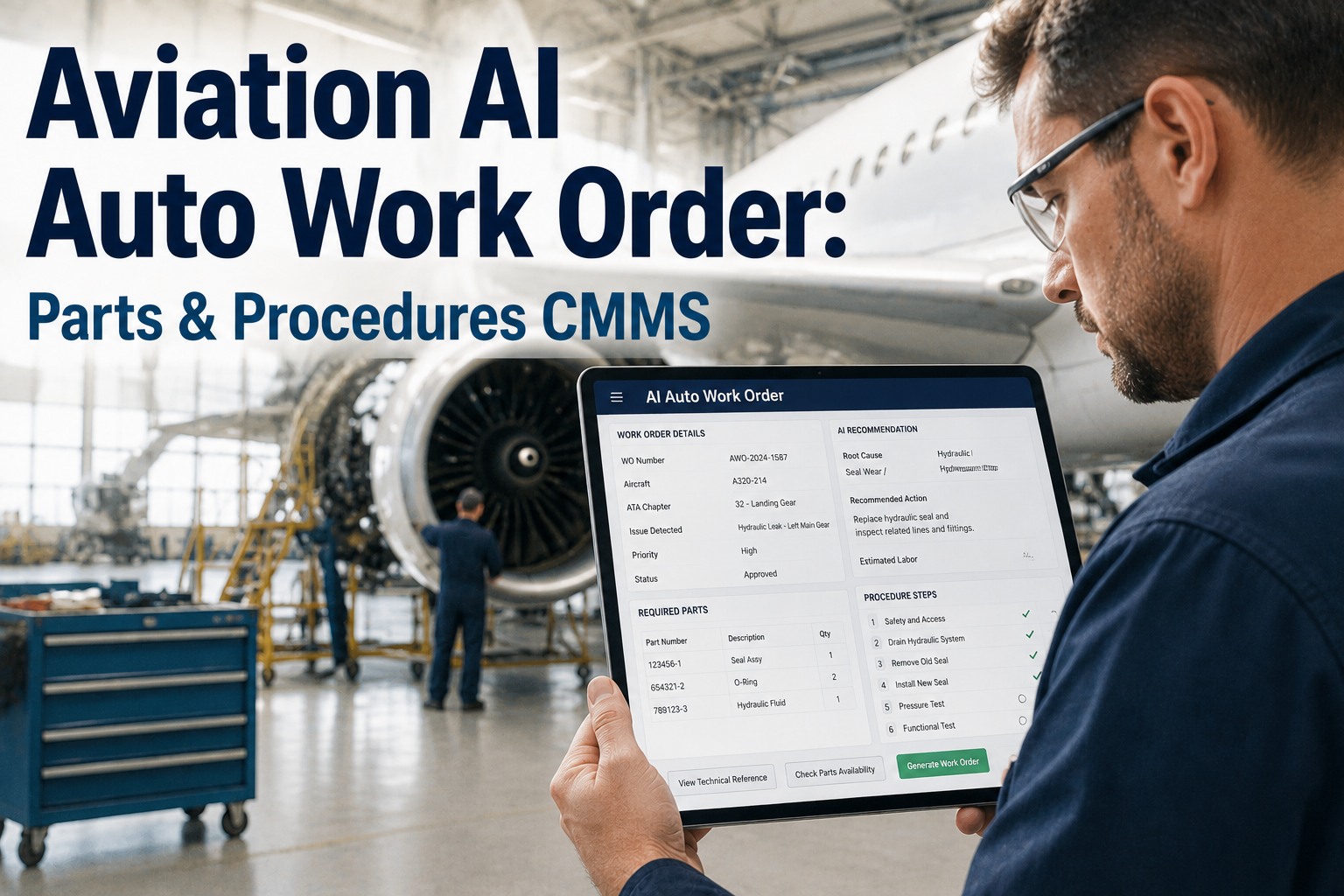
OxMaint triggers jet bridge PM work orders automatically based on meter readings (bridge cycles), calendar intervals, or sensor data. No more missed quarterly hydraulic fluid analyses or forgotten monthly auto-leveling calibrations.
Predictive Failure Alerts
OxMaint AI analyzes hydraulic pressure trends, pump cycle times, and sensor drift patterns to predict failures 7–21 days before they occur — giving you time to schedule repairs during off-peak gate windows.
Spare Parts & Inventory Tracking
Track hydraulic seals, filter elements, bumper modules, and cab seals by gate and asset. OxMaint maintains min/max levels and auto-generates purchase requests so critical parts are always in stock — no expedited shipping fees.
Audit-Ready Compliance Records
Every work order, inspection photo, sensor reading, and parts replacement is time-stamped and stored digitally. Generate FAA, TSA, or airline compliance reports in one click — no more scrambling through paper binders.
See OxMaint on Your Jet Bridges — Book a 30-Min Demo
Discover how OxMaint CMMS digitizes jet bridge PM, predicts hydraulic failures, and keeps every gate available. Walk through a live setup tailored to your airport's gates and assets.
Jet Bridge Maintenance CMMS — Frequently Asked Questions
How often should jet bridge hydraulic fluid be sampled?
Jet bridge hydraulic fluid should be sampled quarterly at minimum, with monthly sampling recommended for high-traffic gates exceeding 200 bridge cycles per day. A CMMS jet bridge hydraulics program auto-schedules these intervals and flags fluid that exceeds ISO 4406 cleanliness code 20/18/15, ensuring you catch contamination before pump damage occurs.
What does auto-leveling jet bridge sensor calibration involve?
Calibration involves checking the height sensor reading against a known physical reference, adjusting the offset if drift exceeds ±0.5 inches, and verifying the bridge responds smoothly to height commands. CMMS auto-leveling workflows log each calibration as a baseline trend so you can spot gradual sensor degradation before it triggers false alarms during boarding.
How does a CMMS improve jet bridge maintenance compliance?
A CMMS like OxMaint eliminates paper checklists by digitizing every PM task, inspection photo, sensor reading, and parts replacement into a time-stamped audit trail. This means FAA, TSA, and airline audits that once took days of binder-digging are completed in minutes with a single report export. You can Start Free Trial to see how fast compliance documentation comes together.
What is the expected ROI of implementing CMMS for jet bridge maintenance?
Airports typically see a 30–50% reduction in unplanned jet bridge downtime within the first 6 months, translating to $25K–$60K in avoided delay costs per gate annually. With OxMaint's predictive alerts catching hydraulic failures before they strand passengers, most facilities recover their CMMS investment in under 90 days. Book a Demo to get a tailored ROI estimate for your operation.
Can OxMaint track jet bridge spare parts like bumpers and cab seals?
Yes. OxMaint's spare-parts inventory module tracks hydraulic seals, filter elements, bumper foam modules, cab seals, and drive components by gate and asset. It maintains min/max thresholds, auto-generates purchase requests when stock falls below reorder points, and links parts directly to work orders so you always know what was installed and when.
Stop Reacting to Jet Bridge Failures — Start Preventing Them
Join the airport facilities teams using OxMaint CMMS to keep hydraulics healthy, sensors calibrated, and every gate available. Set up your jet bridge PM program in days with AI-powered work orders and predictive analytics.
Free 14-day trial · No credit card