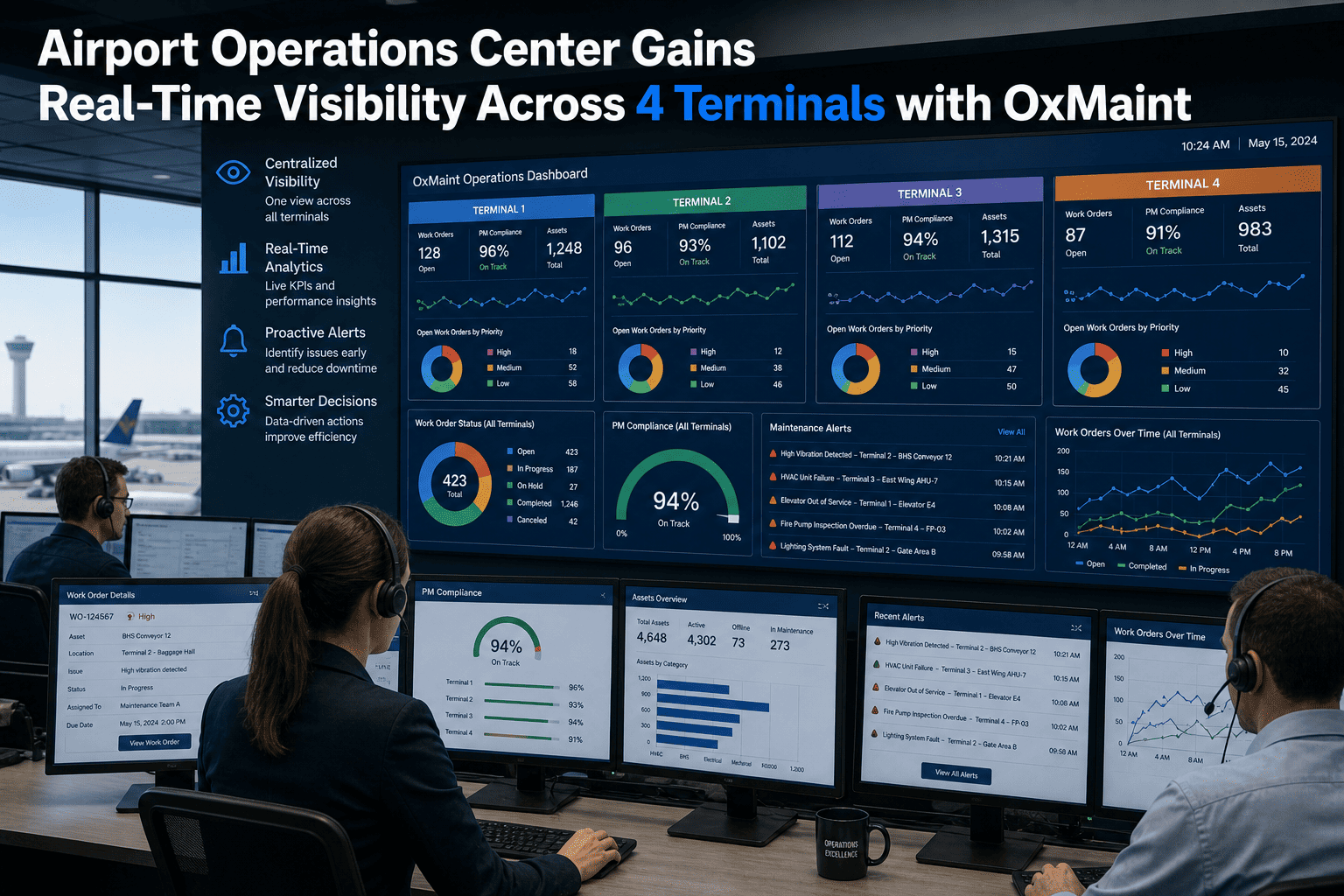
Line maintenance is where airline on-time performance is won or lost. Every aircraft that sits at a gate with an open defect, a delayed transit check, or a technician hunting for a part burns revenue at a rate most operators underestimate. Start a free trial and connect your ramp operations to a real-time CMMS built for multi-station line environments — or book a demo to see how Oxmaint handles MEL deferrals, transit checks, and deferred defect tracking across every station in your network.
Line Maintenance Operations That Run on Real-Time Data, Not Ramp Instinct
Every minute an aircraft sits with an unresolved defect is a minute your on-time performance slips. Oxmaint's Line Maintenance Module gives your MCC, station supervisors, and ramp technicians a single real-time view of every open task, deferred item, and transit check — across every station, every aircraft, every shift.
See Oxmaint's Line Module in Your Operation
No implementation fees, no minimum contract. Connect your stations, load your aircraft, and start tracking line maintenance in real time. Oxmaint is built for teams managing real aircraft on real schedules — start a free trial today or book a demo and see it live.
What Line Maintenance Actually Covers — and Why It's the Hardest Maintenance Type to Manage
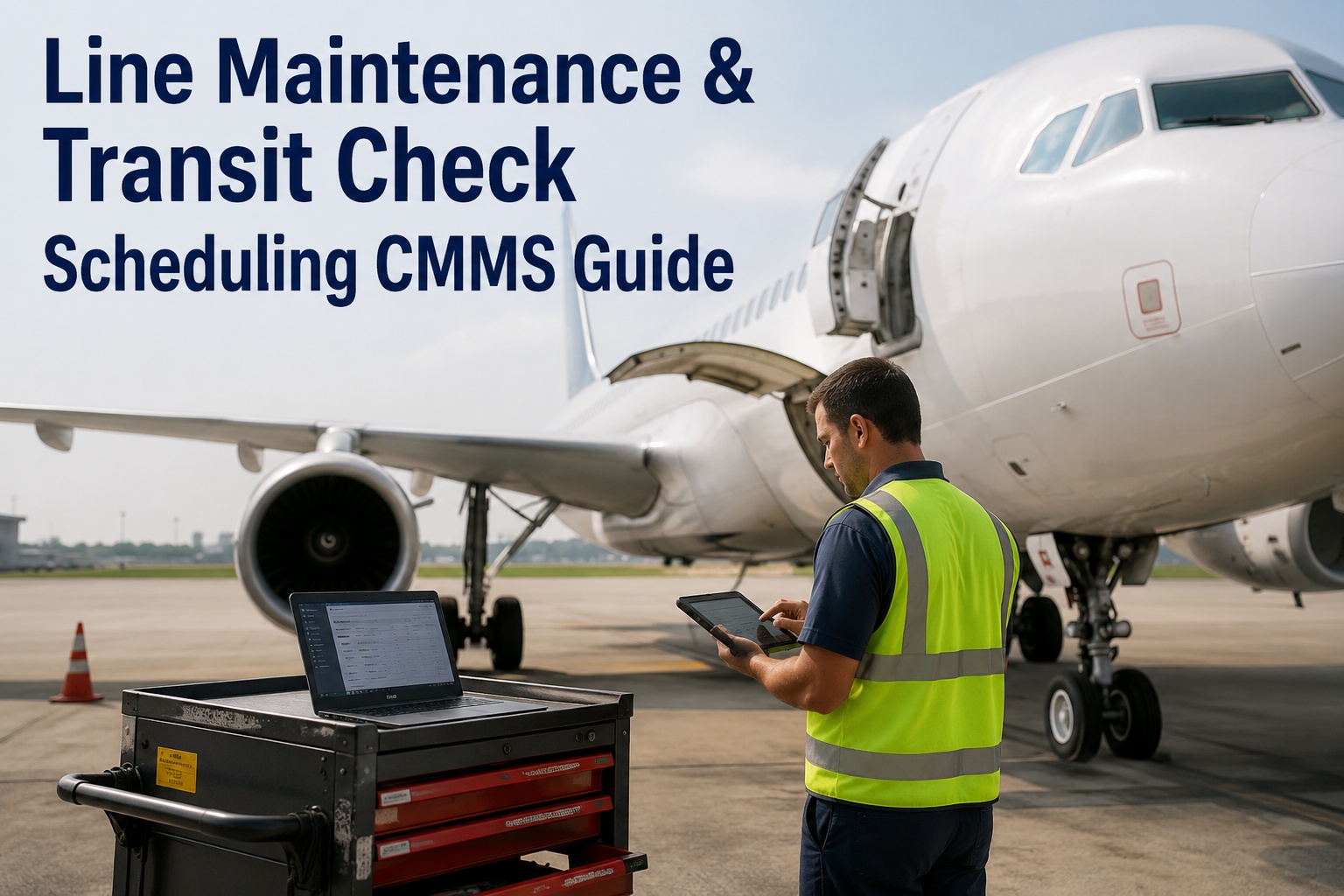
Short-interval checks completed between flights — typically 20 to 45 minutes. Walkaround inspections, fluid servicing, tyre checks, and defect review must all close before pushback. Time-critical and unforgiving.
Overnight or daytime checks completed at main bases or outstations. A-checks cover cabin, avionics, fluid levels, and component life tracking. Documentation requirements are audit-grade.
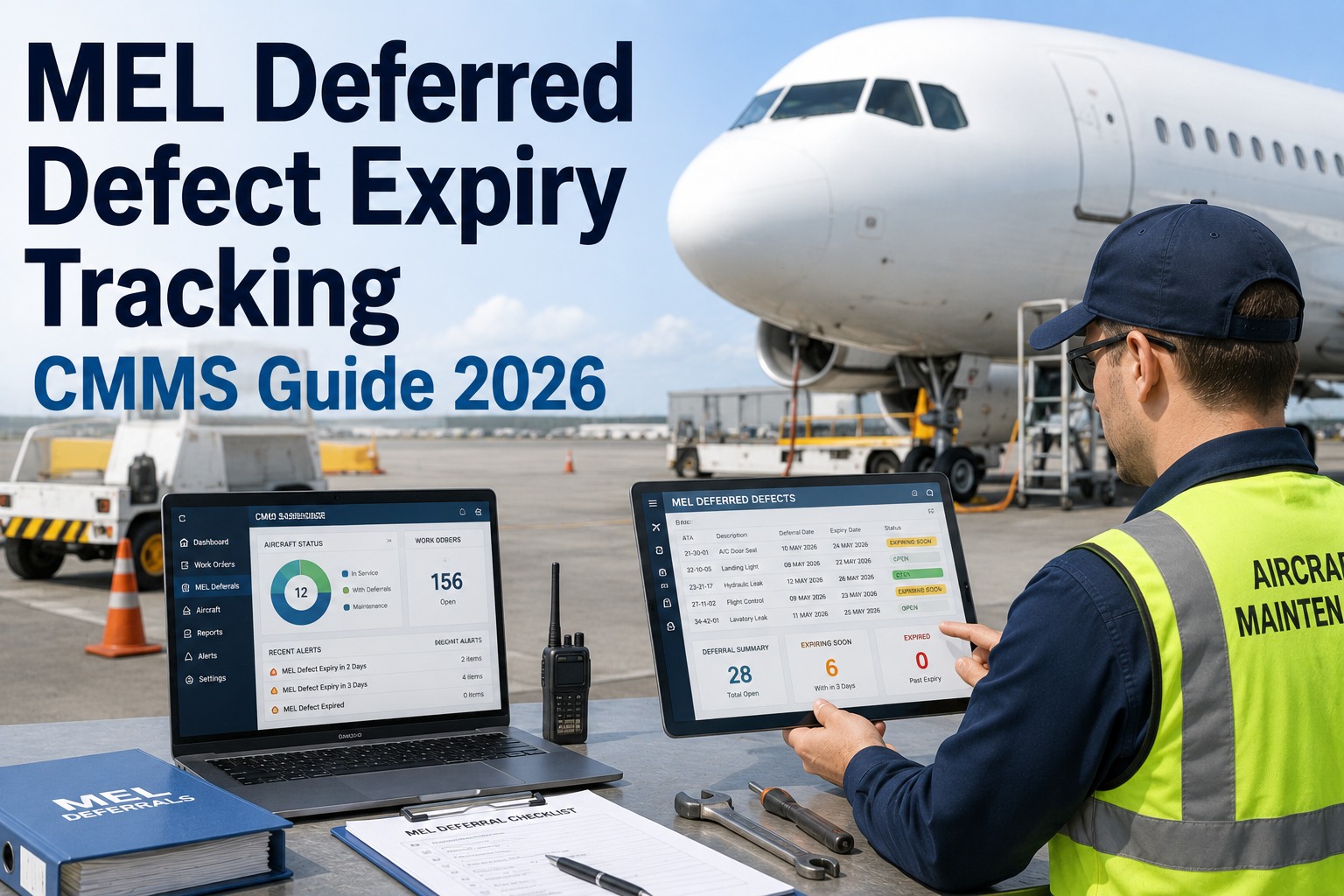
MEL items, CDL entries, and NEF deferrals that allow dispatch with known defects under strict time limits. Each open deferral must be tracked to its rectification deadline across every station in the network.
Unscheduled defects raised on the ramp or through ACARS/ETOPS data. Each rectification requires a work order, parts allocation, technician assignment, sign-off, and return-to-service documentation.
The challenge is not any single task — it is coordinating all of them simultaneously across multiple aircraft, at multiple stations, with technicians who may not have access to real-time task status or parts availability. That coordination gap is where delays are born. Want to close that gap? Start a free trial or book a demo to see Oxmaint's line module in action.
The Six Line Maintenance Pain Points Costing Airlines OTP Points Every Day
MCC and operations control cannot see live task status at outstations. Supervisors call the ramp. The ramp calls back 10 minutes later. The aircraft is already delayed. This adds 8–12 minutes to every disrupted turnaround that requires escalation.
Open MEL items recorded in tech logs with no system-level tracking of expiry dates across the fleet. When a deferral expires at 02:00 at an outstation, nobody knows until dispatch tries to clear the flight the next morning.
Technician identifies defect during transit check. Parts availability at that station is unknown. 20 minutes consumed checking stores, calling another station, and waiting for a supervisor decision. Aircraft misses slot.
Shift supervisors assign tasks verbally or via whiteboard. Technician who closed the last check doesn't hand off open items in writing. The next shift restarts 30% of diagnostic work already completed.
Regulatory sign-offs, authorized person signatures, and return-to-service documentation are inconsistently captured at remote stations. Audit preparation pulls a week of manual record assembly per event.
Line checks are scheduled reactively — when the aircraft arrives, not before. Technician rosters are not pre-aligned to aircraft arrival windows and check types. The result is 44% of operators citing technician shortage as their top concern, when it is actually a scheduling problem.
How Oxmaint Closes Every Gap in Your Line Maintenance Operation
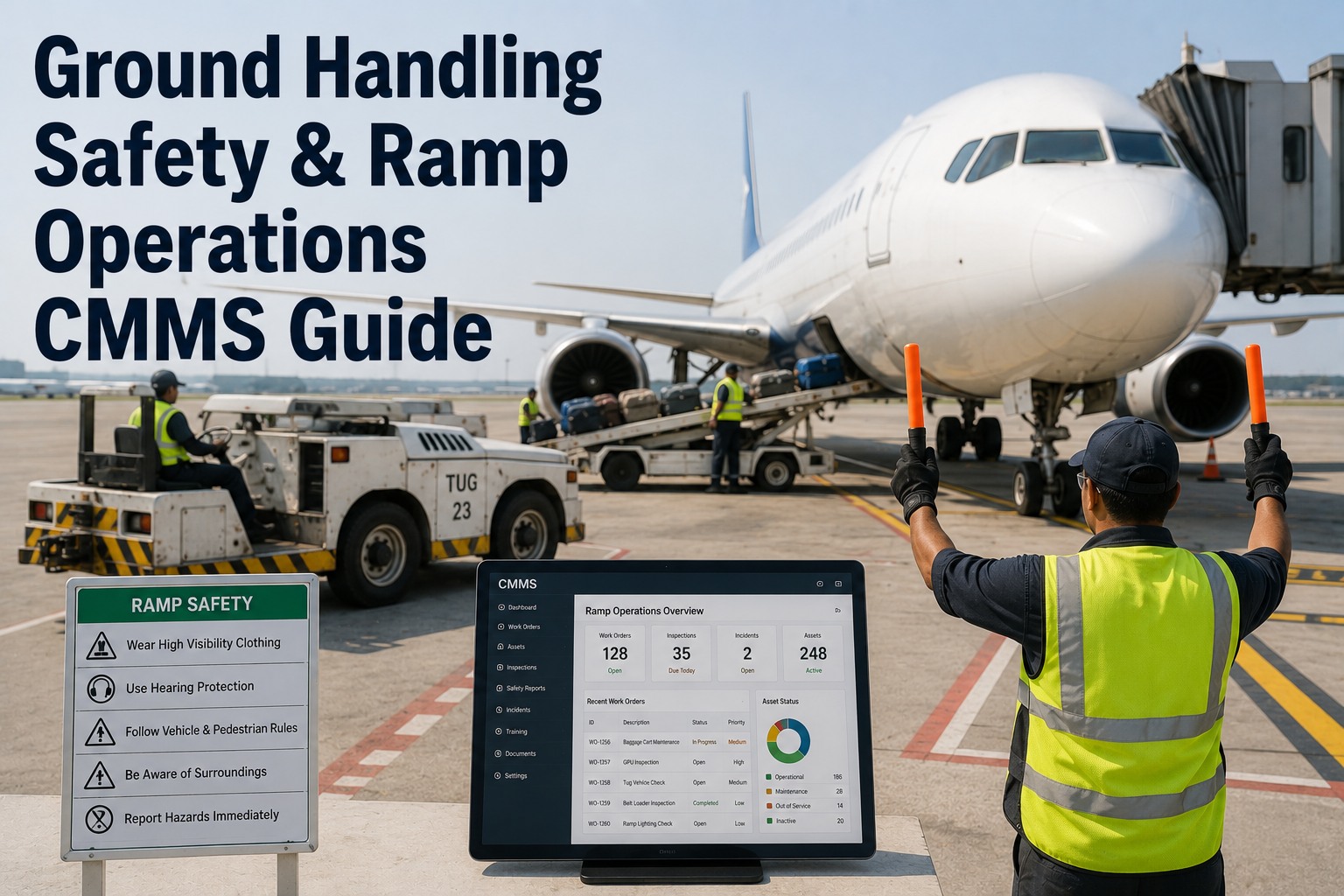
Every aircraft in your network shown with its current check status, open tasks, deferred items, and estimated completion time — updated in real time from the technician's mobile device on the ramp. MCC sees everything without calling anyone.
Every MEL, CDL, and NEF deferral logged with dispatch date, applicable category interval, and rectification deadline. Alerts fire 72 hours, 24 hours, and 4 hours before expiry — to the station supervisor, MCC, and quality manager simultaneously.
Import your flight schedule and Oxmaint pre-builds the transit check queue for each station before the aircraft arrives. Technicians see their assigned checks before pushback from the originating airport. Zero time lost waiting for task assignment.
Every defect raised generates a structured work order with task description, required certifications, applicable procedure references, parts needed, and a mobile sign-off field. Return-to-service documentation captured before the technician leaves the aircraft.
Check parts availability at the defect station and all nearby stations simultaneously from the work order screen. Request transfer or AOG procurement directly from the task — no phone calls, no lost time chasing inventory across the network.
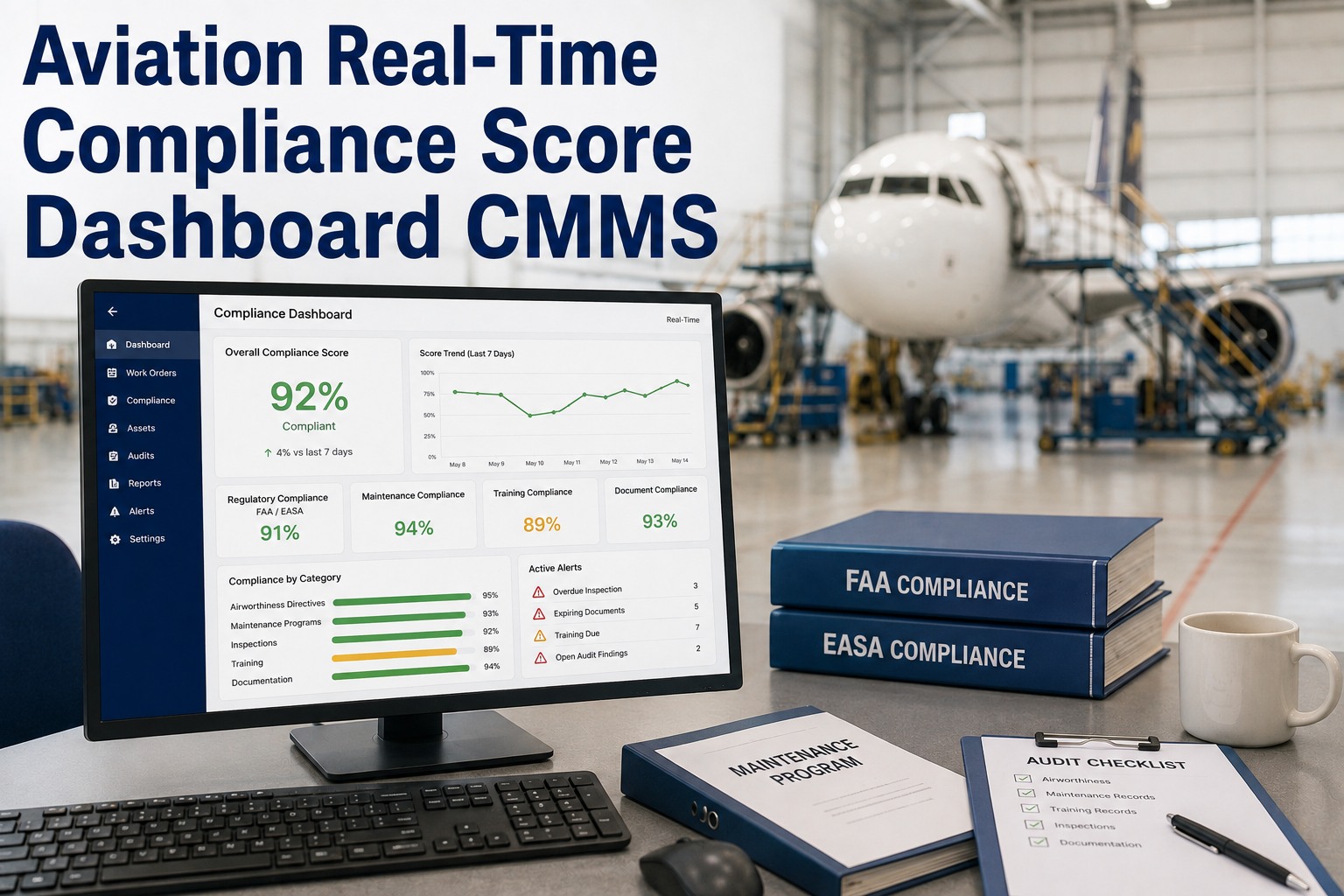
Every work order, inspection, sign-off, and deferral captured with timestamp, technician ID, and authorized person credentials. FAA, EASA, and CASA audits served from a single export — no pre-audit document assembly required.
Which aircraft generates the most tech delays? Which station has the longest average rectification time? Which defect type repeats across the fleet? Oxmaint surfaces the answers so your engineering team can act on data, not anecdotes.
Works in areas with poor connectivity — aprons, remote stands, narrow-body parking rows. Tasks sync when connectivity is restored. Technicians never need to return to a terminal to update a work order or log a sign-off.
Reactive Line Maintenance vs Oxmaint-Optimized Operations
How a Transit Check Flows Through Oxmaint — From Aircraft Arrival to Return-to-Service
Oxmaint pulls your flight schedule — via API or manual import — and pre-builds transit check tasks for every inbound aircraft at every station, assigned to the on-duty technician before the aircraft blocks on.
Technician opens the check on mobile. Task-by-task walkaround checklist with required photos, measurement fields, and defect raise buttons. Each step timestamped. Status visible to supervisor and MCC in real time.
Any defect raised generates a structured work order with severity, description, and required action. MEL applicability check shown inline. If deferrable, deferral recorded with category and expiry. If rectifiable, parts check and technician assignment triggered immediately.
Work completed by authorized technician. Digital signature, license number, and certification captured on mobile. Return-to-service statement auto-generated and attached to the aircraft record. Supervisor counter-sign done remotely if station protocols require.
Aircraft status updates to dispatch-ready on clearance. All open items, deferred items, and completed work visible to MCC and the next receiving station before the aircraft departs. Zero information loss between turnarounds.
The entire workflow runs on mobile — no terminal visits, no paper, no radio calls for status updates. Ready to run this at your stations? Start a free trial and load your first aircraft in under an hour, or book a demo to walk through the transit check workflow live.
What Line Operations Teams Measure After Implementing Real-Time CMMS
Average reduction in time from defect identification to technician-on-task when work orders are generated and assigned digitally vs called through ops control.
Reduction in component-related tech delays when preventive maintenance scheduling is tied to flight cycles and hours rather than calendar intervals alone.
Reduction in total line maintenance spend through better resource allocation, reduced AOG parts expediting, and elimination of duplicate diagnostic work across shifts.
Overall efficiency improvement measured as the combined impact of faster turnarounds, better technician utilization, and fewer repeat defects on the same aircraft.
Line Maintenance Teams Ask — Oxmaint Answers
How does Oxmaint handle MEL management and deferred defect tracking across a multi-station network?
Can Oxmaint integrate with our flight operations system to pre-build transit check tasks before aircraft arrival?
How does Oxmaint help with FAA, EASA, or CASA compliance documentation at outstations?
Can Oxmaint track OTP delay contributions by aircraft, station, and defect type for engineering analysis?
Your Next Tech Delay Is Already Building at a Station You Can't See Right Now.
Oxmaint gives your MCC, station supervisors, and ramp technicians a single real-time view of every open task, deferred defect, and transit check — across every station, every aircraft, every shift. No implementation fees. No minimum contract. Set up your first station and aircraft in under an hour. Ready to see it live? Start a free trial and connect your line operations today, or book a demo and see exactly how your stations would run on Oxmaint.