Airport Terminal Retrofit Achieves LEED Gold with CMMS
By Lewis Abbott on April 28, 2026
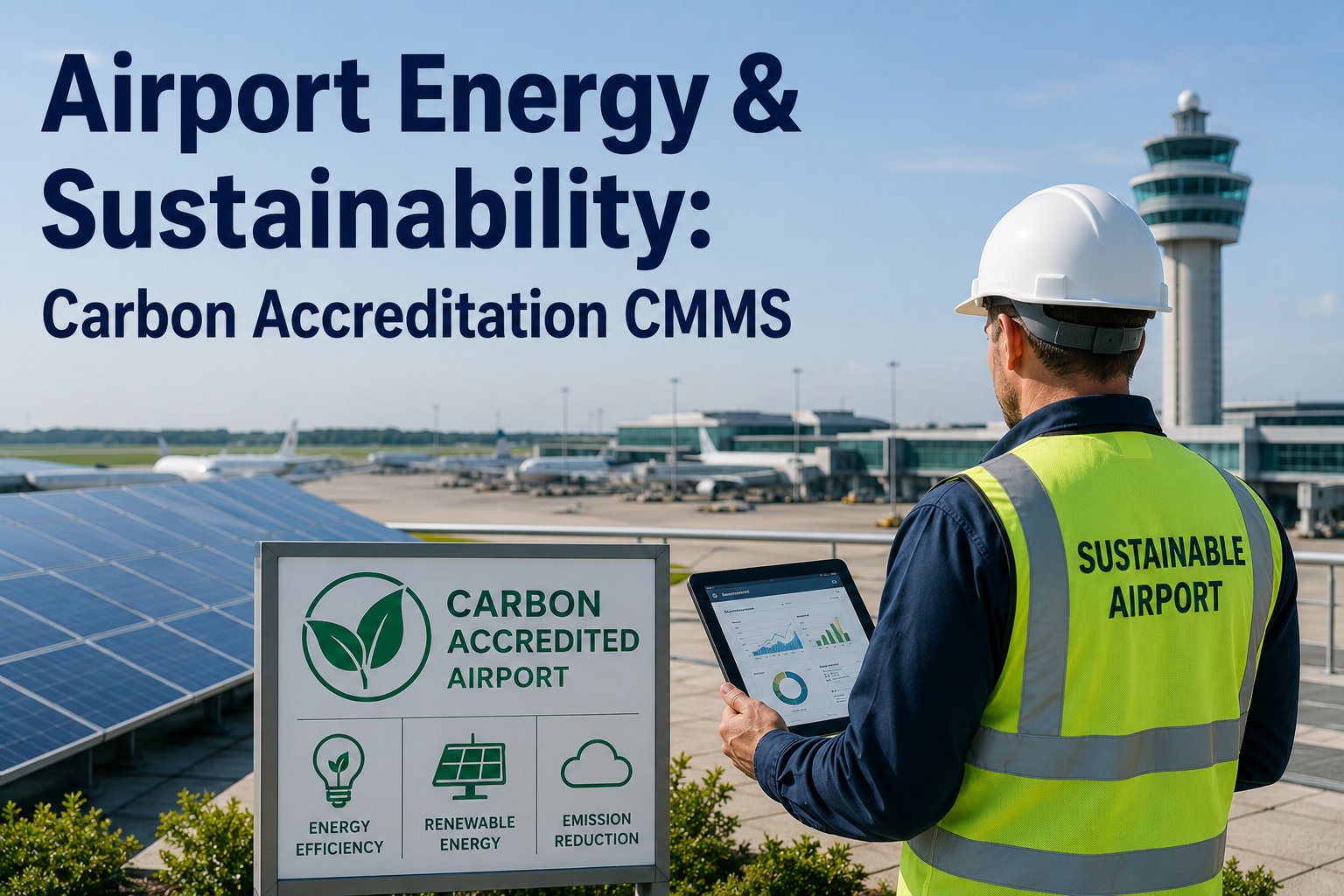
When the Director of Sustainability at a 1.8 million-square-foot airport terminal opened the year-end utility report, the picture was hard to ignore. Energy spend had climbed 14% in three years, water consumption was tracking 22% above sector benchmarks, and the airport's carbon disclosure scoring had slipped two grades — at the same moment ownership had committed publicly to a LEED Gold target. The terminal had the equipment for an efficient operation: chillers retrofitted in 2019, low-flow fixtures installed in 2020, and a partial BMS upgrade in 2021. What it did not have was a system that connected each of those investments to verifiable, audit-ready operational data. Eighteen months after deploying OxMaint as the maintenance and asset performance backbone, the terminal achieved LEED Gold certification with a 39-point margin above the threshold — and the numbers tell the story. Want to see how this looks for your terminal — start a free trial and book a demo to walk through the LEED maintenance tracking dashboard with our team.
Case Study1.8M sq ft TerminalLEED v4.1 O+M
How an Airport Terminal Retrofit Hit LEED Gold by Treating Maintenance as a Sustainability Asset
A mid-size US airport terminal achieved LEED Gold certification 18 months after replacing paper PMs and disconnected utility tracking with OxMaint — cutting energy use 31%, water use 38%, and saving $1.42M annually in operating costs.
70LEED v4.1 O+M points — Gold threshold is 60, Platinum begins at 80
Ready to start tracking your terminal's sustainability data the right way?
LEED-certified airport projects now represent over 333 million square feet globally, but most teams still track the maintenance evidence behind their points in spreadsheets. OxMaint gives you the asset register, PM compliance audit trail, and energy-water dashboards that LEED reviewers actually want to see — in a single platform you can deploy in days. Walk through it on a live demo, or start a free trial to see the LEED tracking templates yourself.
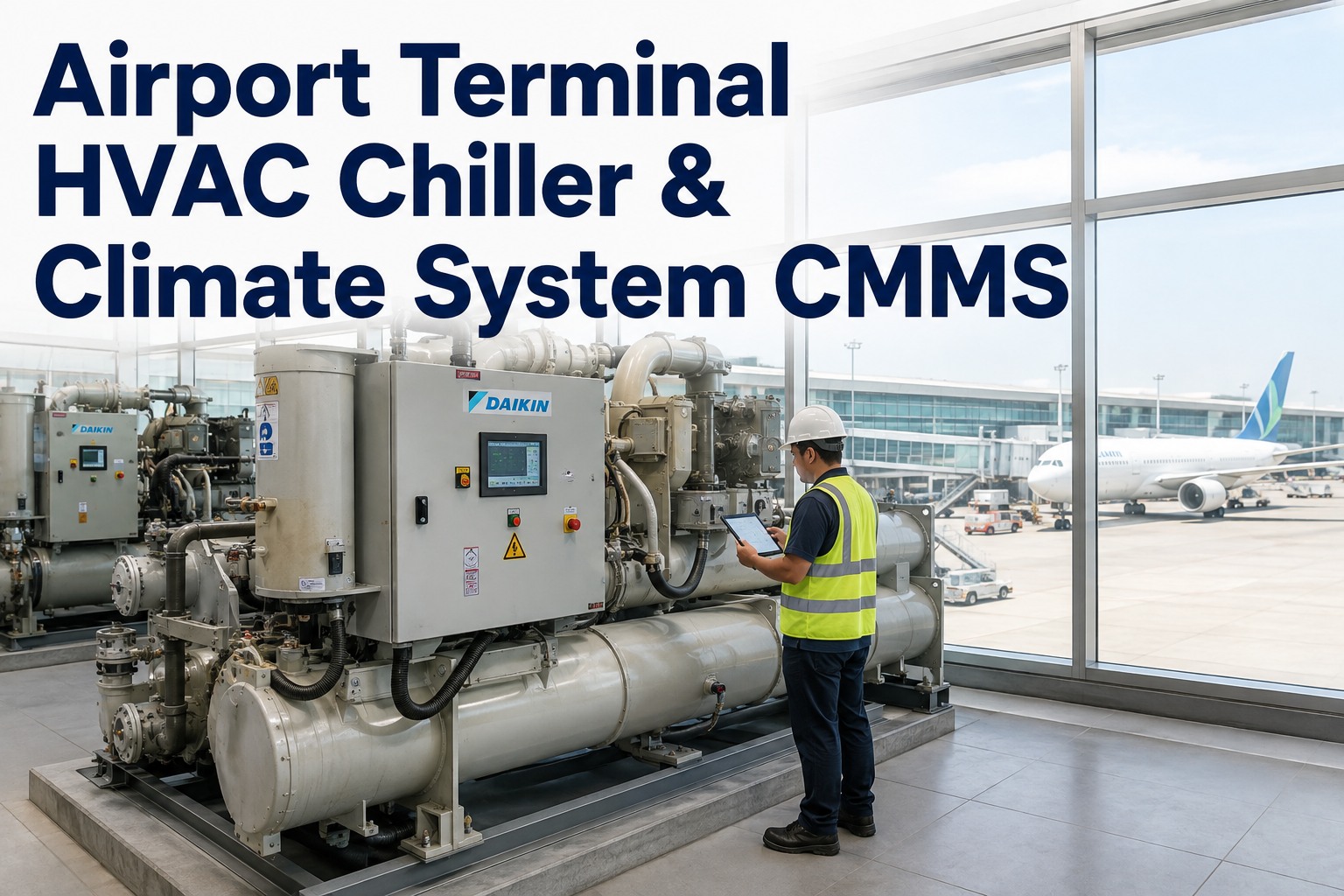
Airport terminals carry the heaviest operational profile in commercial real estate. 24/7 occupancy, jet bridge plug loads, baggage system equipment, security screening, food service tenants, and ventilation requirements driven by passenger throughput create an energy and water signature that few buildings can match. The retrofit team identified six structural issues blocking the LEED Gold target — every one of them a maintenance and data problem, not a capital problem.
01
Disconnected Utility Data
Energy and water meters logged into three separate vendor portals. No single view of consumption against asset condition or PM completion.
02
Paper PM Records
Chiller, AHU, and cooling tower PMs documented on paper rotation sheets. LEED reviewers required 12 months of digital evidence — none existed.
03
Reactive Repair Cycle
68% of HVAC work was reactive. Each emergency repair ran 4.8x the cost of a planned intervention and triggered short-cycle equipment runs.
04
Untracked Refrigerant Loss
No leak detection workflow on chillers and rooftop units. EPA Section 608 logs sat in a binder. LEED EA fundamental refrigerant credit at risk.
05
Fixture-Level Water Blind Spot
Aggregate water meter showed total use, but no view of which restroom zones, irrigation lines, or kitchens were drifting above baseline.
06
Waste Diversion Guesswork
Hauler tickets stored in finance email folders. Diversion rate calculated annually from invoices — too late to influence the LEED audit period.
The Framework
The Four Pillars OxMaint Powered for LEED Gold
The retrofit team rebuilt every operations process around four LEED-aligned pillars — and made each one measurable inside OxMaint. The result was a maintenance program that produced LEED evidence as a byproduct of normal work, not as a separate audit-prep exercise.
Pillar 1
Energy Performance Tracking
Every HVAC asset linked to its sub-meter. PM completion and post-PM efficiency drift visible in one view. Underperforming assets surface automatically.
27 / 33 EA points earned
Pillar 2
Water Conservation Workflow
Restroom fixtures, irrigation zones, and kitchen lines registered as discrete assets with PM cycles. Leak alerts trigger work orders within 90 minutes of drift.
11 / 12 WE points earned
Pillar 3
Waste & Materials Audit Trail
Every hauler pickup logged through the same work order system. Diversion rate calculated weekly, not annually. Tenant compliance tracked per concession.
9 / 12 MR points earned
Pillar 4
Indoor Air Quality Compliance
Filter changes, CO2 sensor calibration, and VOC monitoring tied to schedules with photographic verification. IAQ documentation auto-compiles for review.
14 / 16 IEQ points earned
Implementation
The 18-Month Path to Gold
A LEED v4.1 O+M certification requires 12 continuous months of performance data. The team structured the OxMaint deployment around three deliberate phases — each built on the data captured by the last.
P1
Months 1–3 — Asset Foundation
Full digital asset registry built across HVAC, plumbing, lighting, BMS, baggage equipment, and tenant space MEP. 4,200 assets tagged with QR codes. PM schedules migrated from paper. Sub-meters mapped to parent assets — every chiller, AHU, and pump linked to its energy signature.
4,200 assets340 PM schedules62 sub-meters
P2
Months 4–9 — Performance Baseline
Six months of clean data established the LEED baseline. Refrigerant logs went digital with photographic evidence per service event. Waste hauler tickets captured at the dock. Fixture PMs caught a 28-gpm irrigation leak that had been running for at least 11 weeks.
Pattern detection surfaced two AHUs running 19% above expected fan load — root cause was filter PM frequency mismatch. Energy use dropped from 8% above baseline to 31% below baseline. LEED submission package compiled directly from OxMaint reports. Gold awarded on first review.
31% energy cutZero RFI from reviewerGold first-pass
Before / After
The Numbers, Audited
LEED reviewers compare 12 months of post-implementation performance against a documented baseline. Here is what the auditors saw on submission day — measured, not estimated.
Performance Metric
Before OxMaint
After 12 Months
Improvement
Energy Use Intensity (kBtu/sq ft)
198
137
31% reduction
Indoor Water Use (gal/sq ft/yr)
14.2
8.8
38% reduction
PM Completion Rate (HVAC)
62%
97%
+35 points
Reactive Work Order Share
68%
23%
66% reduction
Waste Diversion Rate
34%
71%
+37 points
Refrigerant Leak Rate (annualized)
11.8%
2.4%
80% reduction
Tenant IAQ Complaints (per qtr)
47
9
81% reduction
Annual Operating Cost
$8.91M
$7.49M
$1.42M saved
How It Works
What OxMaint Does That a Spreadsheet Cannot
LEED EA Credit
Asset-Linked Energy Tracking
Every PM event timestamps the energy signature before and after. Reviewers see exactly which maintenance task drove which efficiency gain — the kind of evidence Arc rewards with full points.
LEED WE Credit
Fixture-Level Water Audit Trail
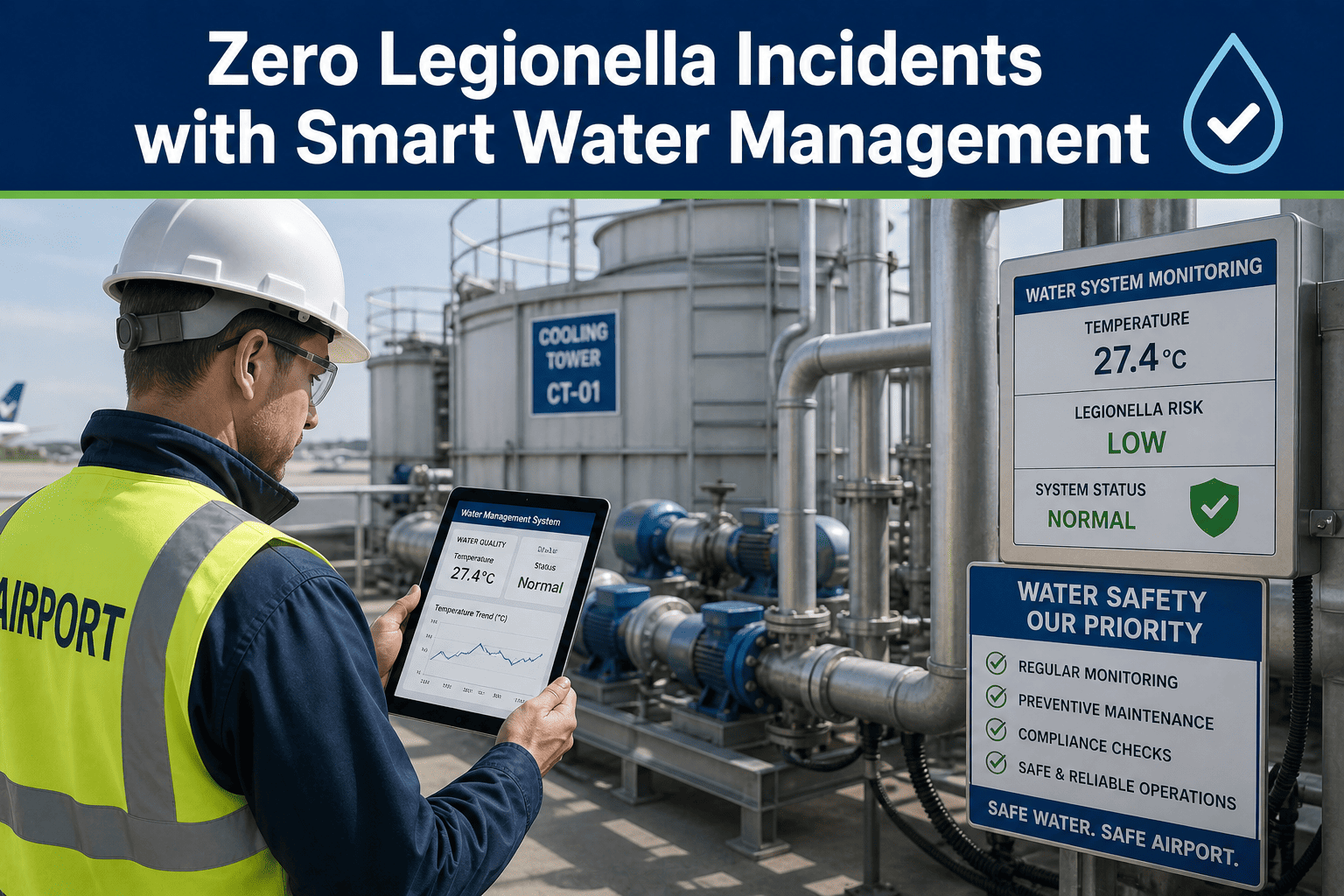
Restroom fixtures, irrigation zones, and kitchen lines tracked as discrete assets. Drift detection turns a leak into a 90-minute work order, not a 12-week mystery.
LEED MR Credit
Waste Stream Documentation
Hauler tickets logged at point of pickup. Diversion rate auto-calculated weekly. Tenant compliance reports generate per concession with no spreadsheet wrangling.
LEED IEQ Credit
IAQ & Filter Compliance
Filter changes, CO2 calibration, and VOC monitoring tracked with photo evidence. The MERV rating, install date, and replacement interval sit on every air handler record.
LEED Pre-Req
Refrigerant Management Log
EPA Section 608 events captured per service. Annualized leak rate calculated automatically across the chiller fleet — not a manual binder reconstruction at audit time.
LEED Innovation
Portfolio-Level ESG Reporting
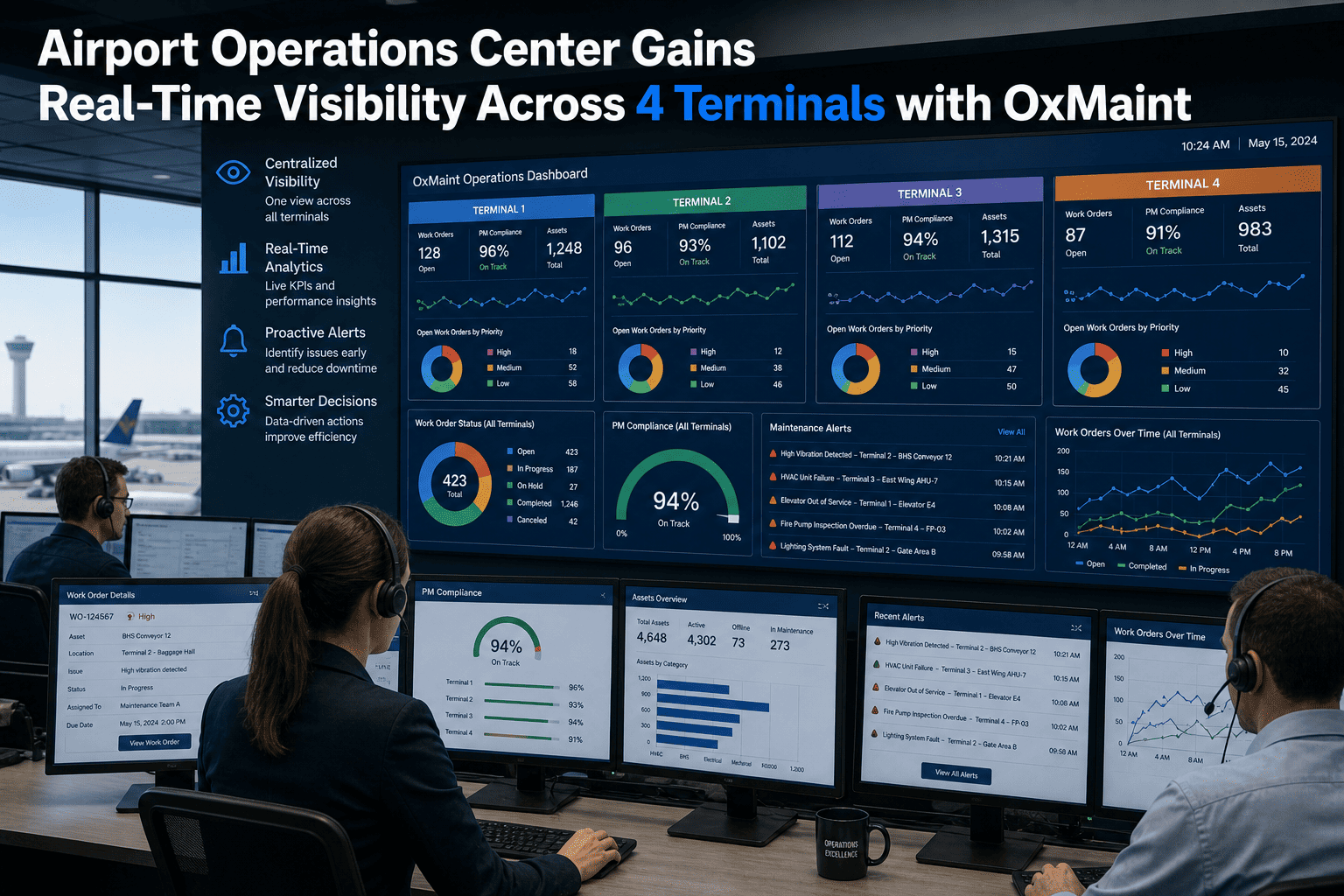
Energy, water, waste, refrigerant, and IAQ metrics roll up to a single ESG dashboard. The same data feeds CDP, GRESB, and ownership investor reports without re-keying.
Where the $1.42M Came From
The Annual Savings, Broken Down
$684K
Energy Reduction
31% kBtu/sq ft cut driven by AHU optimization, chiller PM compliance, and detected efficiency drift caught early.
$298K
Water Conservation
38% indoor water reduction. Single irrigation leak avoided alone worth $118K — caught in week 3 of the workflow.
$246K
Reactive Labor Avoided
Reactive WO share dropped from 68% to 23%. Emergency overtime spend cut by 71% across a 24-technician team.
$192K
Waste & Hauler Optimization
Diversion rate doubled. Recyclable contamination penalties eliminated. Pickup frequency renegotiated using verified data.
Total Annual Operating Cost Saving
$1.42M
Verified through 12 months of metered, audit-ready data — submitted as part of the LEED v4.1 O+M package.
LEED Gold without OxMaint is a 24-month spreadsheet project. With OxMaint, it is a byproduct of the maintenance you are already doing.See your terminal's LEED tracking dashboard in a 30-minute walkthrough — no implementation commitment.
What Sustainability Directors Ask Before They Decide
Does OxMaint replace a building management system or energy modelling software?
No — OxMaint sits next to the BMS and energy modelling tools. The BMS controls the equipment in real time. OxMaint links every PM event, work order, and asset condition record to the consumption data the BMS produces, so the LEED reviewer sees the full operational story behind the numbers.
How long before OxMaint produces LEED-quality evidence?
LEED v4.1 O+M requires a 12-month performance period. Most terminals have OxMaint live and capturing audit-grade data within 4 to 6 weeks of go-live, which means submission can begin 13 to 14 months from kickoff. The case study terminal hit Gold on first review with zero RFIs from the reviewer.
Can OxMaint feed CDP, GRESB, and investor ESG reports?
Yes. The same data captured for LEED — energy, water, waste, refrigerant, IAQ — exports to the formats CDP, GRESB, SASB, and most investor reporting frameworks ask for. Teams stop maintaining three parallel reporting universes. Start a free trial to see the export templates yourself.
What does deployment look like for a terminal already mid-LEED submission?
OxMaint can be deployed mid-cycle, but the cleanest LEED outcome comes from starting before the 12-month performance period begins. If submission is already in progress, OxMaint absorbs existing data and tightens the gaps — most teams find the second-cycle recertification is materially easier. Book a demo and we will walk through your submission timeline.
Trusted by Sustainability Teams Across 40+ Countries
LEED Gold. $1.42M Saved. One Maintenance Platform.
Join airport operations teams using OxMaint to convert maintenance discipline into LEED points, ESG scores, and verified cost savings — live in 3 to 5 days, no implementation fees.