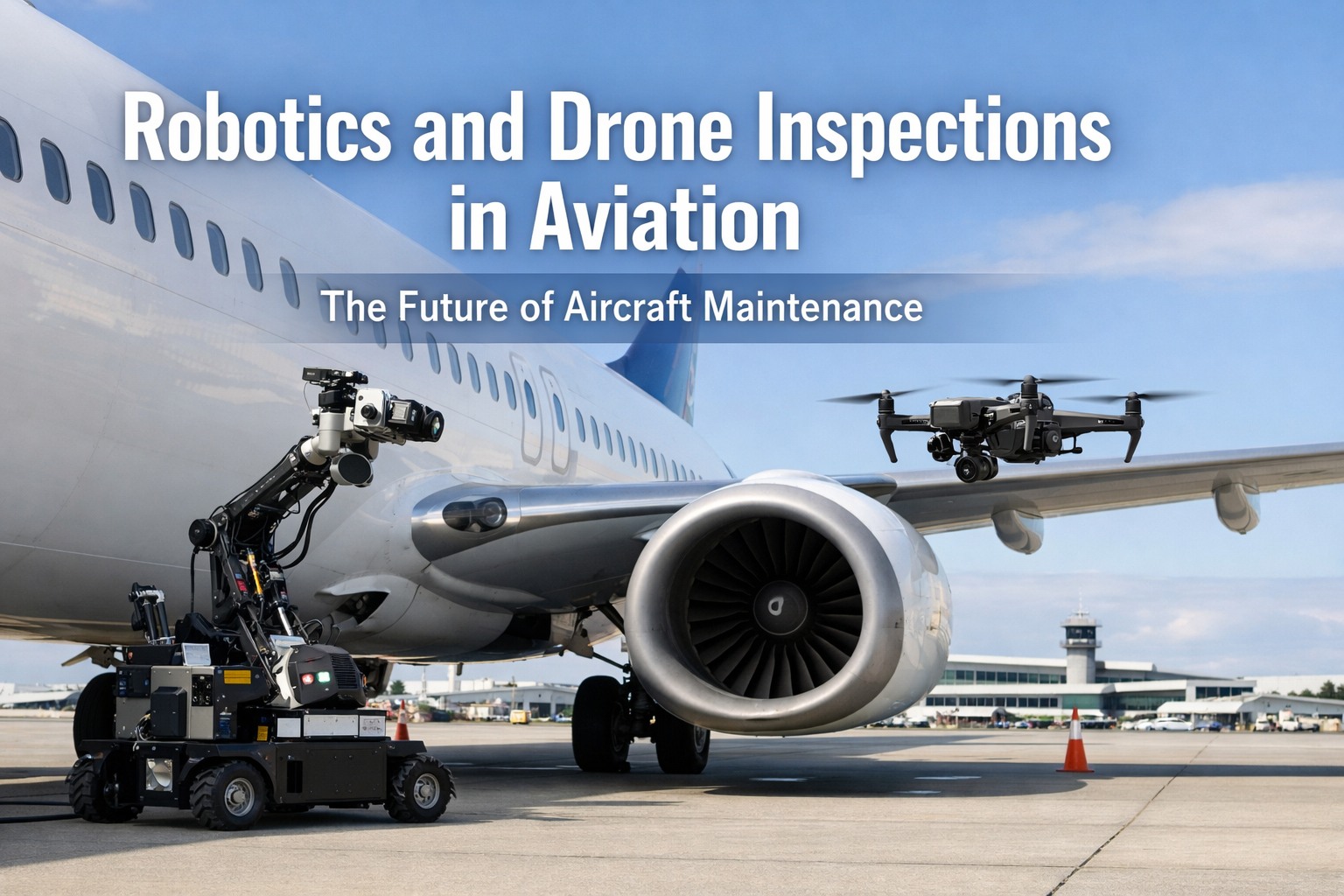
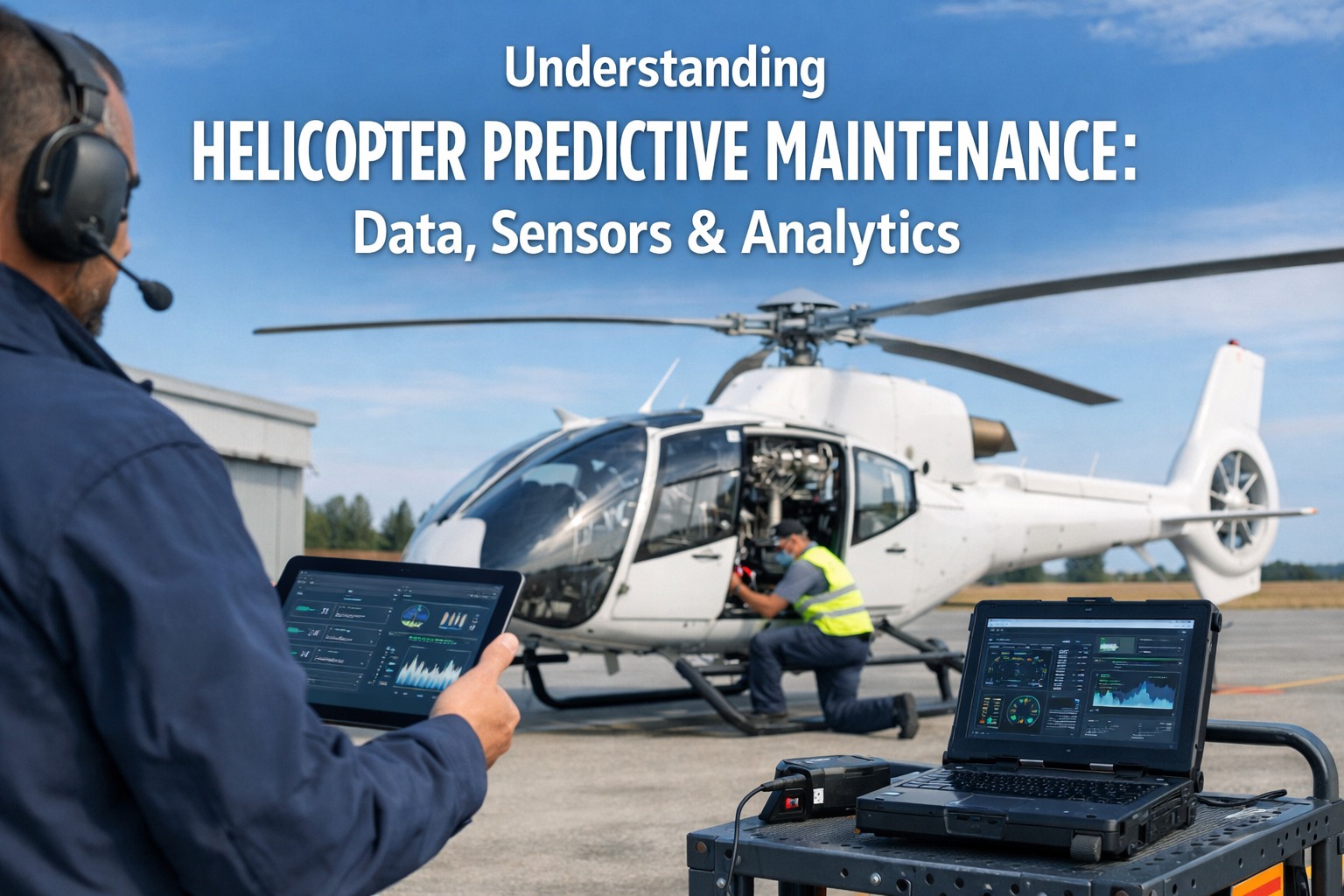
Aircraft maintenance has always been a race against time and uncertainty. But what if your maintenance team could see failures coming weeks before they happen? Predictive maintenance powered by AI, IoT sensors, and advanced data analytics is making that a reality — helping airlines and MROs cut unplanned downtime by up to 70%, reduce costs by 25-30%, and transform safety outcomes across fleets of every size. Book a demo to explore how OXmaint brings predictive intelligence to your aviation operations.
The $87 Billion Problem: Why Traditional Maintenance Falls Short
The global aircraft maintenance market is valued at nearly $92 billion in 2025 and growing fast. Yet much of that spending is still driven by outdated practices — fixed schedules that ignore actual component health, reactive repairs after failures, and manual inspections that depend on human eyes catching what sensors could detect instantly.
Past
Reactive
Fix it when it breaks
Unplanned downtime
High AOG costs
Safety risks
Present
Preventive
Fix it on a schedule
Over-servicing
Wasted parts
Still blind spots
Future
Predictive
Fix it before it fails
Data-driven timing
Zero surprises
Maximum uptime
The cost of getting maintenance wrong is staggering. A single AOG (Aircraft on Ground) event can cost an airline anywhere from $10,000 to $150,000 per hour in lost revenue, rebooking costs, and passenger compensation. Multiply that across a fleet, and the financial case for predictive maintenance becomes impossible to ignore.
How Predictive Maintenance Actually Works in Aviation
Predictive maintenance isn't a single technology — it's a convergence of IoT sensors, machine learning algorithms, and cloud-based analytics that continuously monitor aircraft health and flag issues before they become failures. Here's the data pipeline that makes it possible.
1
Sensor Data Collection
Thousands of sensors embedded across engines, hydraulics, avionics, and airframes continuously stream data — vibration, temperature, pressure, oil quality, and electrical signals — during every flight cycle.
10,000+ parameters per engine
Real-time in-flight streaming
2
Data Aggregation & Cleaning
Raw sensor data is combined with maintenance logs, flight records, environmental conditions, and OEM specifications to create a unified health profile for every aircraft component.
Historical + real-time fusion
Cross-fleet benchmarking
3
AI Pattern Recognition
Machine learning models analyze the aggregated data to detect subtle degradation patterns — changes too small for humans to notice but significant enough to predict failure weeks or months in advance.
Anomaly detection algorithms
Failure signature matching
4
Predictive Alert & Actionable Insight
When a developing fault is identified, the system generates a prioritized alert with the probable root cause, recommended repair action, required parts, and optimal maintenance window — all before any failure occurs.
Auto-generated work orders
Parts pre-staging
The Impact: Numbers That Speak for Themselves
Across the aviation industry, early adopters of predictive maintenance are reporting dramatic improvements. These aren't theoretical projections — they're validated outcomes from airlines and MROs that have already made the shift.
Up to 70%
Reduction in Unplanned Downtime
US Department of Energy Research
25-30%
Lower Maintenance Costs
McKinsey & Company Analysis
20-40%
Extended Component Lifespan
Industry Analyst Reports
Predictive Maintenance in Aviation: Market Trajectory
Growing at 13.1% CAGR (2025-2034)
Ready to join the predictive maintenance revolution? OXmaint helps aviation maintenance teams shift from reactive repairs to data-driven precision.
Schedule Demo
Real Airlines, Real Results
The business case for predictive maintenance isn't theoretical. Major airlines have already proven that AI-driven maintenance directly translates to fewer cancellations, lower costs, and safer operations.
5,600 → 55
Maintenance cancellations per year (2010 vs 2018)
60% → 90%+
Parts demand prediction accuracy
8-Figure
Annual cost savings
Delta's APEX system collects real-time engine data throughout flights and uses AI to optimize engine shop visits, forecast material demand years in advance, and produce engines internally in under 90 days — compared to 150-200 days with outside vendors.
Lufthansa Technik's Condition Analytics platform uses machine learning to analyze sensor data from aircraft components and predict maintenance requirements. The AVIATAR digital platform has been adopted by airlines including United for predictive maintenance on Boeing 777 and Airbus A320 fleets.
Airbus's Skywise platform aggregates operational data from partner airlines to power fleet-wide predictive insights. Airlines using Skywise can turn unscheduled maintenance into scheduled maintenance, reducing AOG events and enabling cross-fleet data sharing at an unprecedented scale.
The Technology Stack Behind Predictive Aviation Maintenance
Understanding what makes predictive maintenance work helps MRO leaders evaluate solutions and plan implementations. Here are the core technologies driving the transformation.
Data Layer
IoT Sensors
Vibration, temperature, pressure, and acoustic sensors embedded across engines, landing gear, hydraulics, and avionics
Flight Data Recorders
Continuous parameter recording during every flight cycle — capturing thousands of data points per second
Maintenance Logs
Historical repair records, component replacement history, and inspection findings for each aircraft tail number
Intelligence Layer
Machine Learning
Algorithms that learn normal operating patterns and detect anomalies indicating degradation or developing faults
Digital Twins
Virtual replicas of physical aircraft and engines that simulate performance scenarios and predict remaining useful life
Edge Computing
On-board data processing that enables real-time analysis during flight — reducing latency for time-critical alerts
Action Layer
CMMS Integration
Automatic work order generation with pre-populated diagnosis, parts lists, and priority levels in your existing system
Parts Forecasting
AI-predicted spare parts needs tied to specific fault signatures — enabling pre-staging before technician dispatch
Mobile Maintenance
Technicians receive full repair context on their devices — diagnosis, history, instructions, and sign-off workflows
What Predictive Maintenance Means for Different Roles
The benefits of predictive maintenance reach across the entire aviation organization — from the hangar floor to the executive suite.
Arrive at every job with the diagnosis, parts, and repair history already in hand. No more blind troubleshooting or repeat visits — first-time fix rates go up, frustration goes down.
Shift from firefighting to planning. Predictive alerts let you schedule repairs during low-utilization windows, optimize technician assignments, and manage parts inventory proactively.
Fewer AOG events, fewer cancellations, and more reliable departure schedules. Every aircraft that stays in service protects revenue and passenger satisfaction.
Measurable ROI within 2-3 years through reduced maintenance costs (18-40%), extended asset life, and improved fleet availability — directly impacting the bottom line.
5 Steps to Start Your Predictive Maintenance Journey
Transitioning to predictive maintenance doesn't require replacing your entire infrastructure overnight. The most successful implementations follow a phased, asset-first approach.
Audit Your Critical Assets
Identify the equipment with the highest failure rates, longest downtime impact, and most expensive repair cycles. These are your highest-ROI starting points.
Assess Sensor Readiness
Many modern aircraft already have built-in sensors generating usable data. For older assets, IoT sensor retrofitting can be completed in hours per component.
Connect to a Predictive Platform
Deploy a cloud-based platform like OXmaint that ingests sensor data, applies AI analytics, and integrates with your existing CMMS and work order systems.
Train Your Teams
Equip maintenance technicians and planners with the skills to interpret predictive alerts, trust the data, and act on AI-generated recommendations confidently.
Scale Based on Results
Start with your highest-impact assets, measure the MTTR reduction and cost savings, then expand coverage fleet-wide based on proven ROI.
Frequently Asked Questions
How does predictive maintenance differ from preventive maintenance?
Preventive maintenance follows fixed schedules — replacing parts at set intervals regardless of actual condition. Predictive maintenance uses real-time sensor data and AI to determine when a component actually needs attention based on its measured health. This means parts are replaced only when necessary, eliminating both over-servicing and the risk of failure between scheduled checks.
What kind of ROI can we expect from predictive maintenance?
Industry studies consistently show maintenance cost reductions of 18-40%, with most airlines recovering their implementation investment within 2-3 years. Beyond direct cost savings, the revenue protection from fewer AOG events and cancellations often delivers even greater financial impact.
Schedule a demo to calculate your specific ROI potential.
Does predictive maintenance meet FAA and EASA regulatory requirements?
Yes. Predictive maintenance systems are designed to complement — not replace — regulatory compliance frameworks. Automated reporting capabilities actually simplify compliance by generating accurate, data-backed maintenance records. All maintenance actions still go through standard approval workflows, with AI providing decision support rather than autonomous action.
Can predictive maintenance work with older aircraft fleets?
Absolutely. While newer aircraft come with extensive built-in sensor networks, older aircraft can be retrofitted with IoT sensors on critical components. Over 6,000 aircraft globally are being considered for predictive retrofitting in 2025 specifically because extending the operational life of existing fleets is a top priority for airlines.
How quickly can we see results after implementation?
Most organizations see measurable improvements within weeks of connecting their first assets. The AI platform begins learning equipment behavior patterns immediately and improves prediction accuracy over time. Sensor installation can be completed in a single day per asset group, and cloud platforms deploy within days.
Book a demo to discuss a phased rollout for your operation.
Bring Predictive Intelligence to Your Aviation Maintenance
OXmaint's AI-powered platform connects your sensor data, maintenance history, and operational workflows into a single predictive engine — so every repair is data-driven, every part is pre-staged, and every aircraft stays in service longer.