Alternative fuel storage yards are statistically one of the highest fire-risk zones in a cement plant — tyre chips, biomass, and shredded plastics self-heat through microbial and oxidative reactions long before any flame is visible. Most fire incidents in AFR storage are preceded by days of rising internal temperature that nobody was tracking. A structured inspection workflow built around thermal checkpoints catches that rise while it is still a maintenance task, not an emergency response. Sign up free on OxMaint to run this inspection digitally, or book a demo to see audit-ready fire risk reports in action.
Safety & Compliance
AFR Storage Fire Risk Inspection Workflow
Checkpoint-based inspections that catch self-heating fuel stock before it becomes a fire incident.
60°C
Typical Self-Heating Alert Threshold
72 hrs
Window Before Smoldering Becomes Visible Flame
3 Zones
Where Most AFR Storage Fires Originate
Daily
Recommended Thermal Check Frequency
The Three Fire Risk Zones in AFR Storage
Not every square meter of a storage yard carries equal fire risk. Three zones consistently account for the majority of self-heating incidents, and each requires a slightly different inspection approach.
Zone 1 — Pile Core
Compacted material at the center of large storage piles traps heat with no airflow path to dissipate it. Core temperatures can run 20-30°C above the pile surface, hiding a developing hotspot from any purely visual check.
Zone 2 — Conveyor Transfer Points
Friction from belt slip or bearing failure at transfer chutes can ignite fine dust accumulation directly, independent of the stored fuel's own self-heating risk. These points need mechanical inspection alongside thermal monitoring.
Zone 3 — Electrical & Ignition Sources
Junction boxes, lighting fixtures, and static-prone handling equipment near combustible storage represent the most common ignition trigger for an already self-heating pile reaching its flash point.
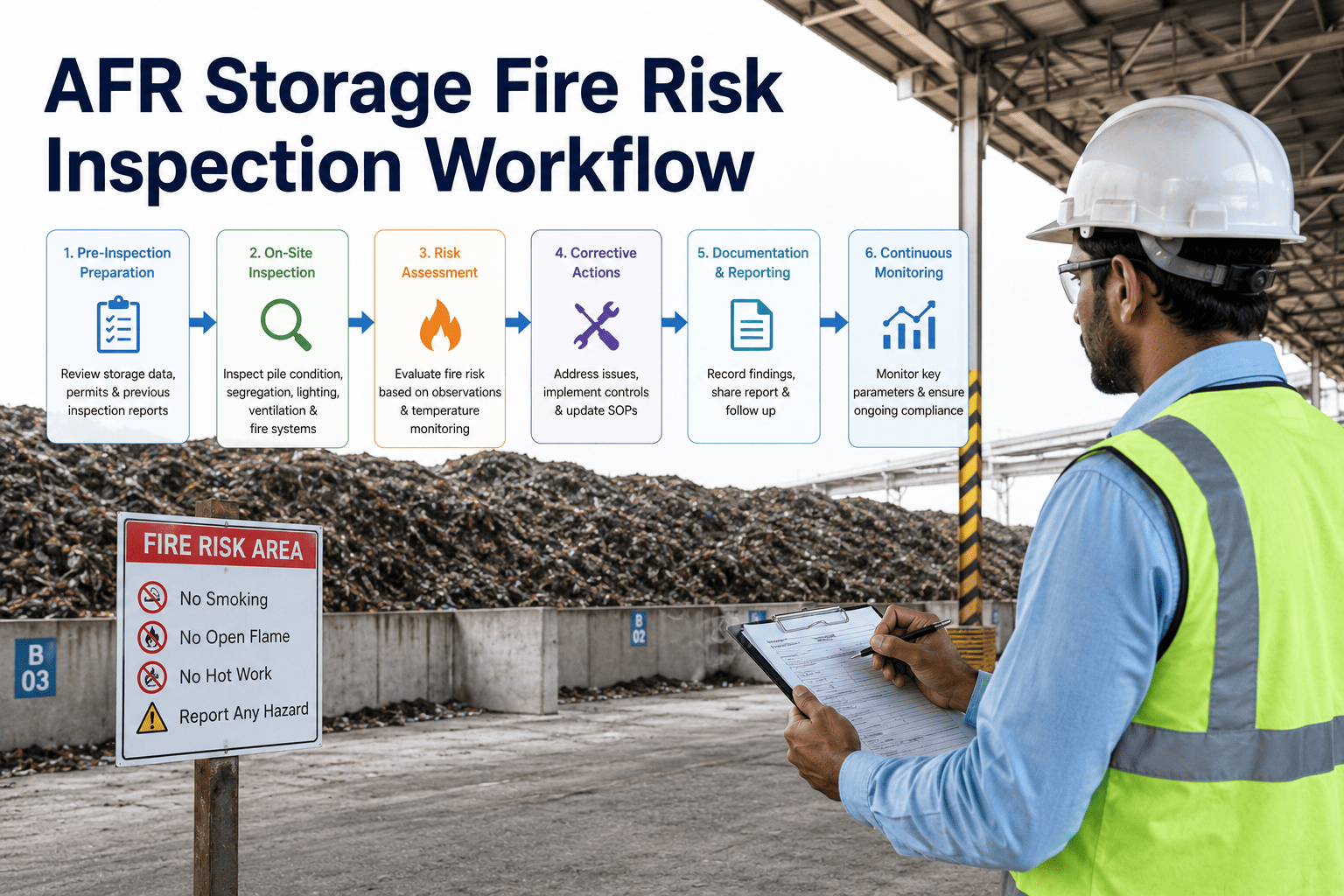
Daily Inspection Workflow
01
Thermal Scan
Infrared thermometer or fixed thermal sensor readings taken at marked pile checkpoints
Any reading above 60°C flagged for immediate escalation and pile turnover
Readings logged against previous day for trend comparison, not just absolute value
02
Visual & Odor Check
Pile surface checked for discoloration, steam, or smoke wisps in early morning low-light conditions
Acrid or burning odor near any storage section reported regardless of thermal reading
Drainage channels around storage checked for blockage that could trap heat-retaining moisture
03
Equipment & Ignition Source Check
Conveyor bearing temperatures checked at transfer points near combustible storage
Electrical enclosures and junction boxes inspected for damage, exposed wiring, or overheating signs
Fire suppression equipment — extinguishers, hydrants, foam systems — confirmed accessible and in service
04
Pile Management Action
Piles exceeding recommended storage duration rotated to first-in-first-out sequence
Any pile flagged from thermal scan mechanically turned to release trapped heat
Findings and actions logged to the asset record with timestamp and responsible technician
Turn Thermal Readings Into a Standing Fire Watch Program
OxMaint logs every checkpoint reading, flags threshold breaches automatically, and builds the audit trail insurers and regulators expect.
Escalation Matrix by Temperature Reading
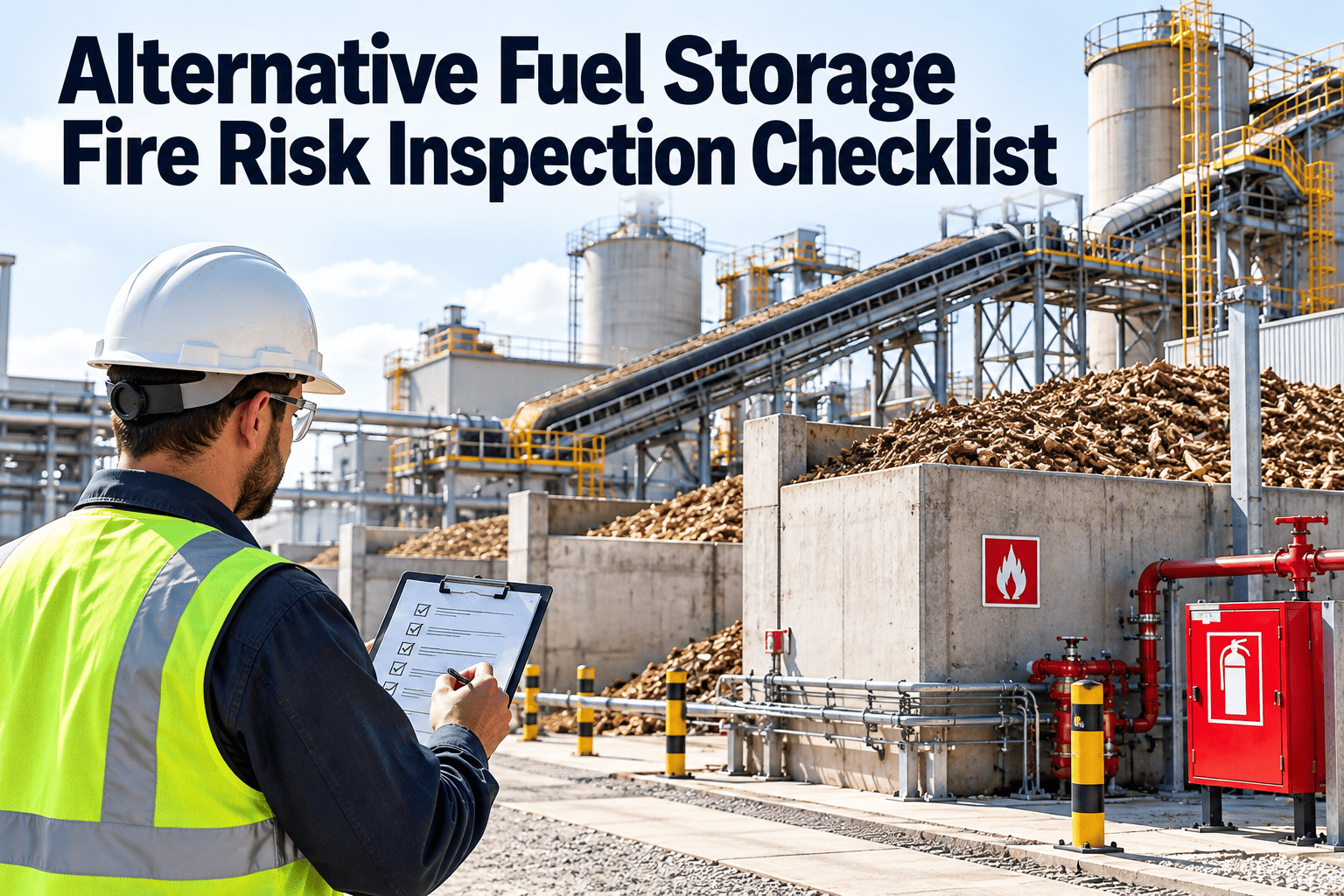
Weekly & Monthly Compliance Checklist
Weekly
Full storage yard walk-down covering all pile sections, not just active checkpoints
Fire suppression system pressure and foam concentrate levels verified
Storage pile height and spacing measured against fire code separation distances
Monthly
Fixed thermal sensor calibration verified against handheld reference instrument
Fire drill or response time test conducted for storage yard scenario
Full incident and near-miss log reviewed for recurring hotspot locations
Frequently Asked Questions
What temperature indicates a fire risk in AFR storage piles?
Most cement plants set a watch threshold around 45-60°C at the pile core, with readings above 80°C treated as critical requiring immediate evacuation and controlled breakdown of the pile. Because self-heating develops from the inside out, surface temperature alone is not a reliable indicator and core readings at marked checkpoints are essential. Tracking the trend day over day matters as much as the single reading.
OxMaint's inspection module lets you log and trend these readings per pile automatically.
How does self-heating start in stored alternative fuels?
Self-heating begins through microbial activity and slow oxidation reactions within the fuel mass, both of which generate heat that has no escape path once a pile is compacted beyond a certain size. As internal temperature rises, the oxidation reaction accelerates, creating a feedback loop that can progress from a few degrees above ambient to smoldering combustion within days if undetected. Regular pile turnover disrupts this feedback loop by releasing trapped heat. This is why pile management is as much a fire prevention action as a logistics one.
How often should AFR storage piles be inspected for fire risk?
Daily thermal and visual checks are the industry standard for active AFR storage, with escalation to twice-daily monitoring for any pile showing a rising temperature trend. Weekly full-yard walk-downs and monthly sensor calibration checks round out a complete compliance program. Plants storing fuel for extended periods before use should increase checkpoint frequency rather than relying on the standard daily schedule.
Book a demo to see a configurable inspection schedule built around your storage volumes.
What is the correct response when a pile reading crosses the critical threshold?
A reading above the critical threshold should trigger immediate zone evacuation, deployment of a dedicated fire watch, and a controlled breakdown of the affected pile to expose and cool the hotspot safely. Attempting to extinguish a deep-seated smolder with surface water alone is generally ineffective and can create steam hazards. Safety officer notification and documented incident response should happen in parallel with the physical response, not after it.
Can OxMaint manage AFR storage fire risk inspections digitally?
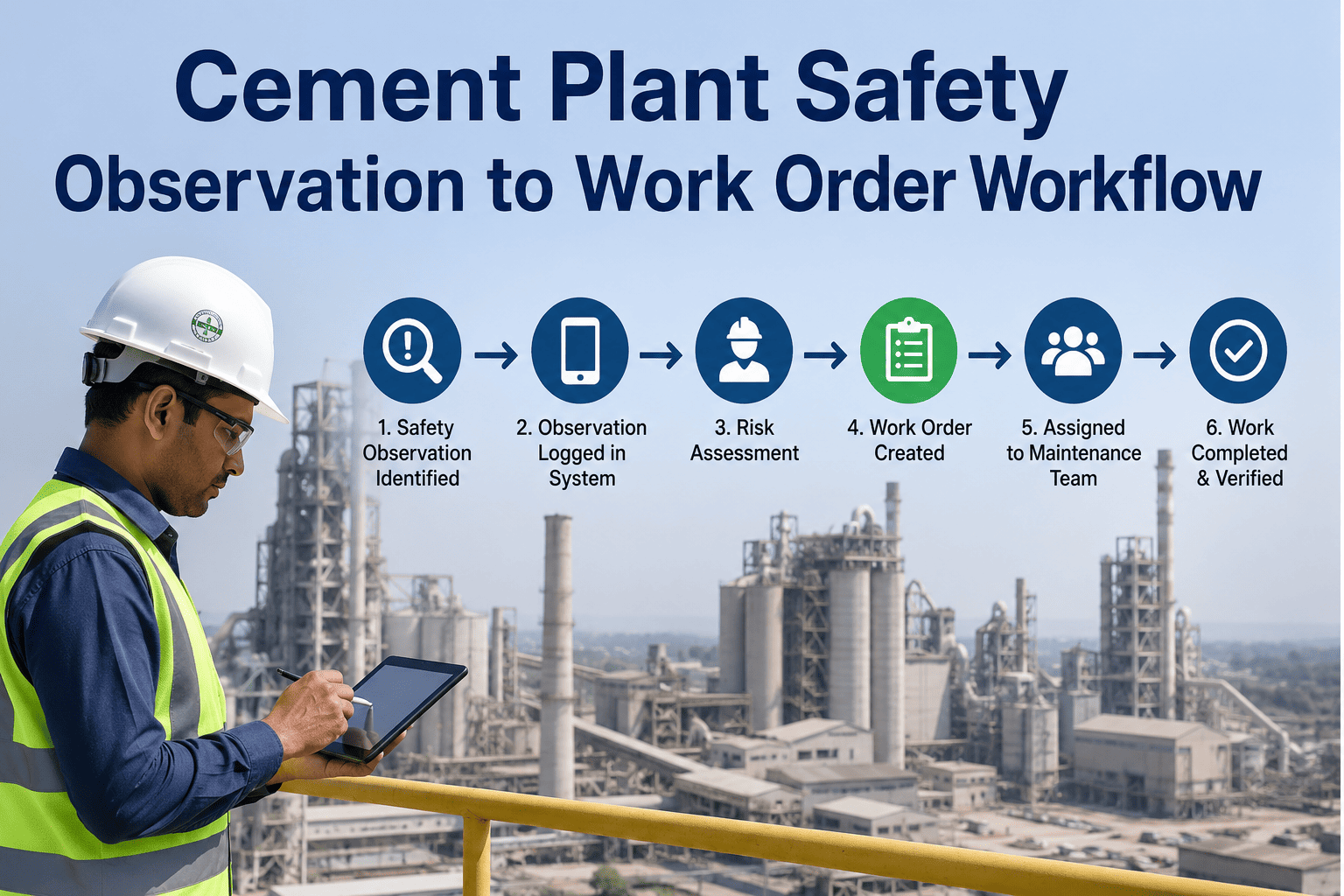
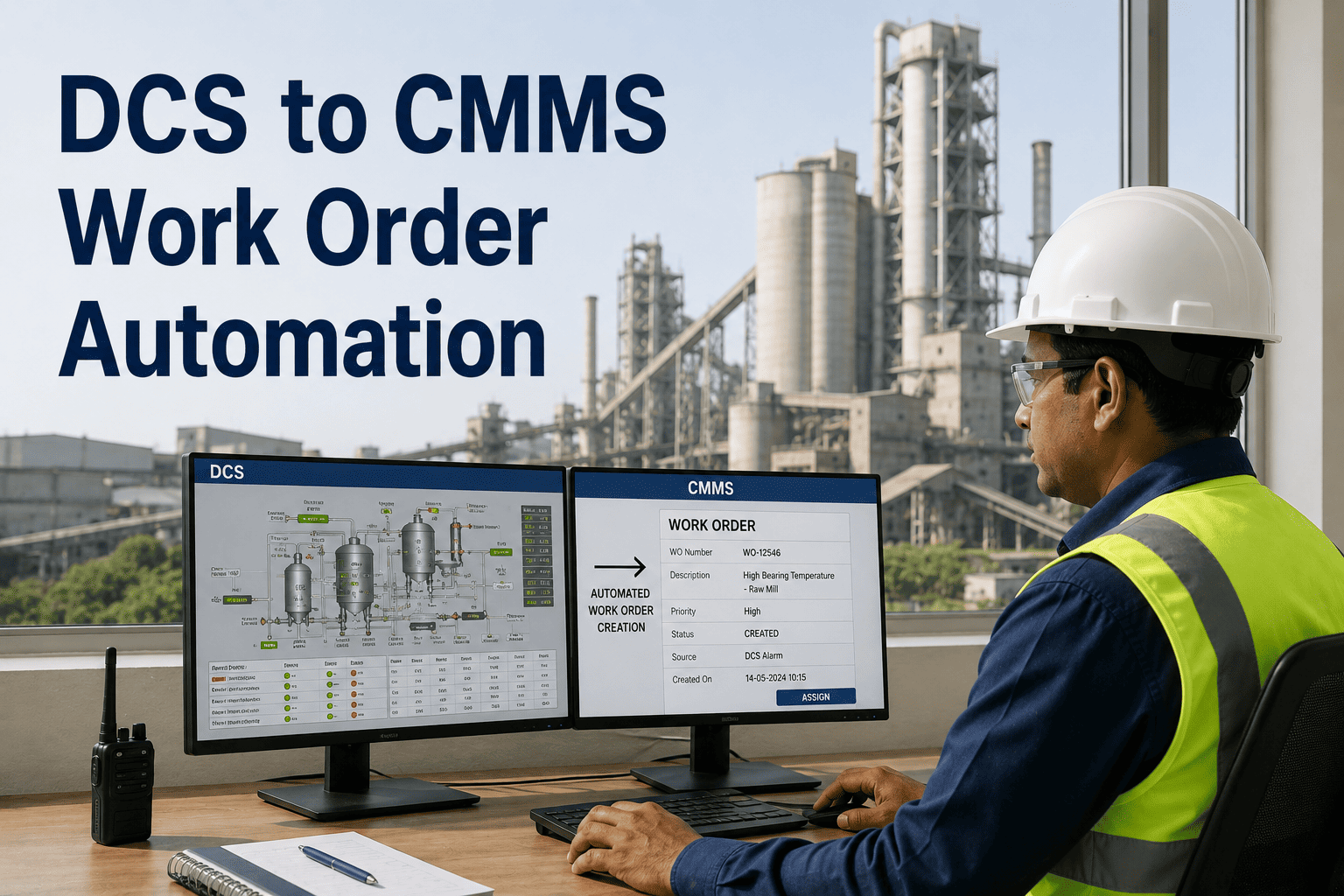
Yes — OxMaint supports checkpoint-based thermal inspection templates that log every reading against its pile location, automatically flag threshold breaches, and generate timestamped escalation work orders for the safety team. The full inspection and incident history stays attached to each storage zone for audit and insurance documentation purposes.
Sign up free to configure your first fire risk inspection template today.
Make Fire Risk Inspection a Daily Habit, Not an Afterthought
Digital checkpoints, automatic escalation, and audit-ready reports for every AFR storage zone.