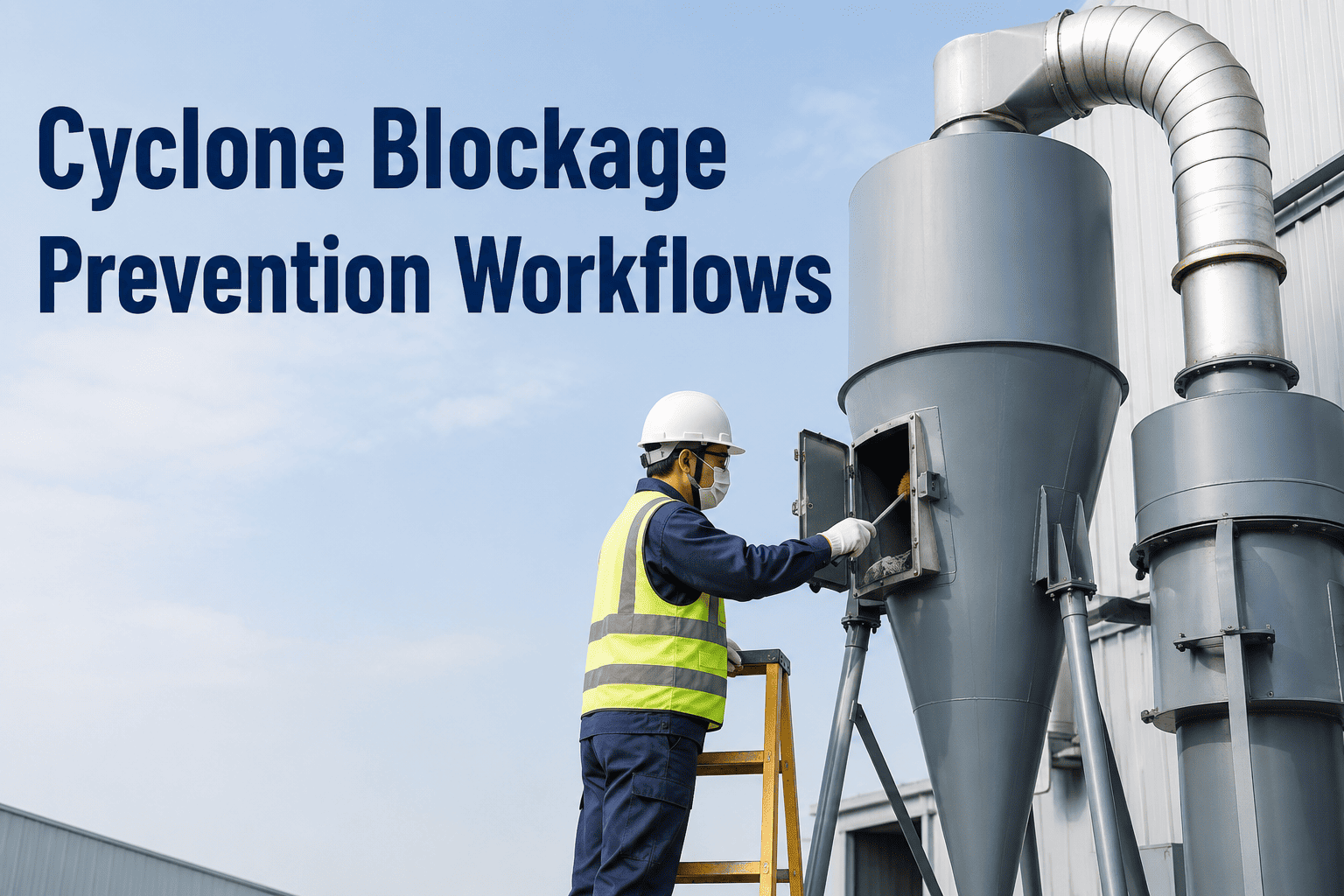
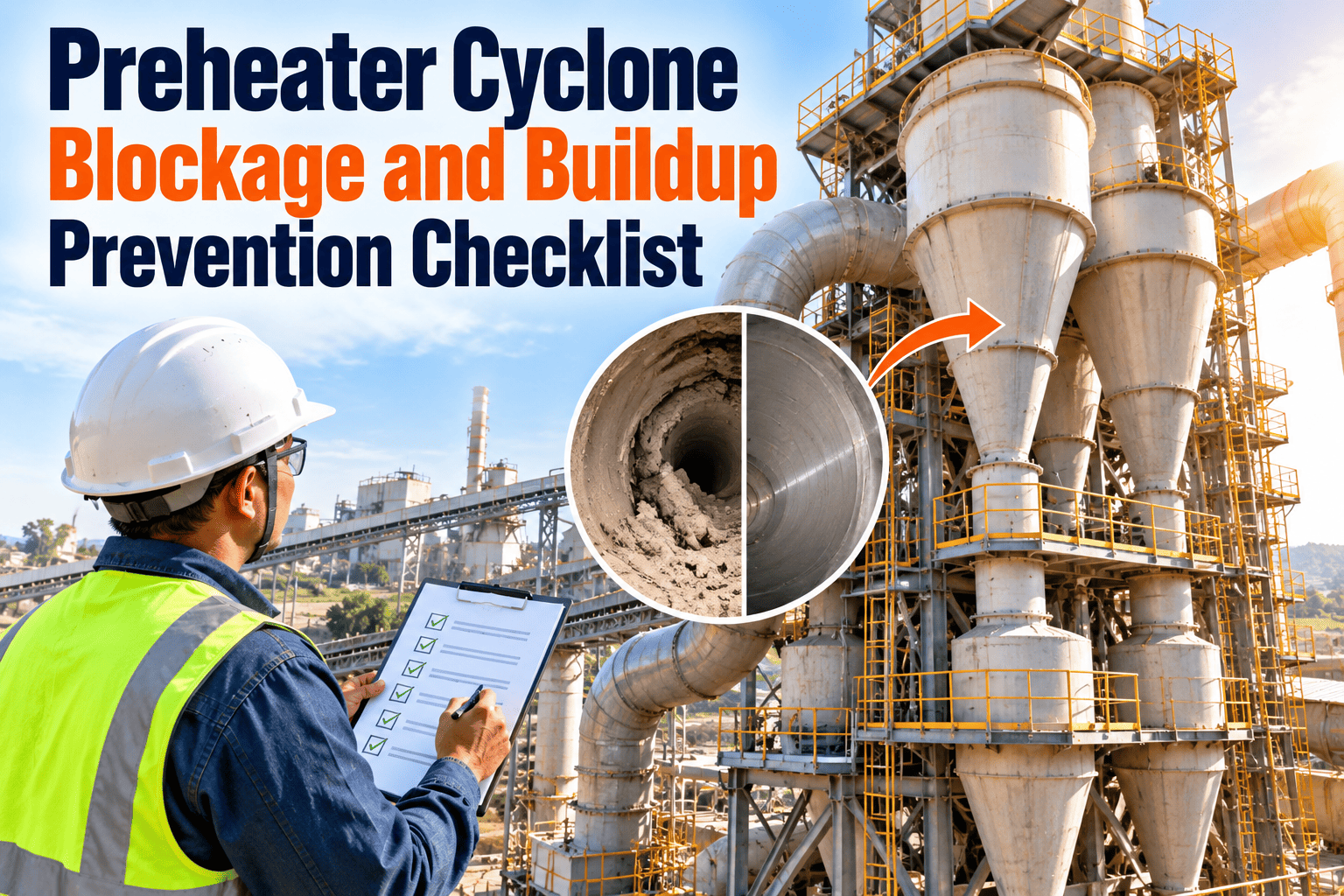
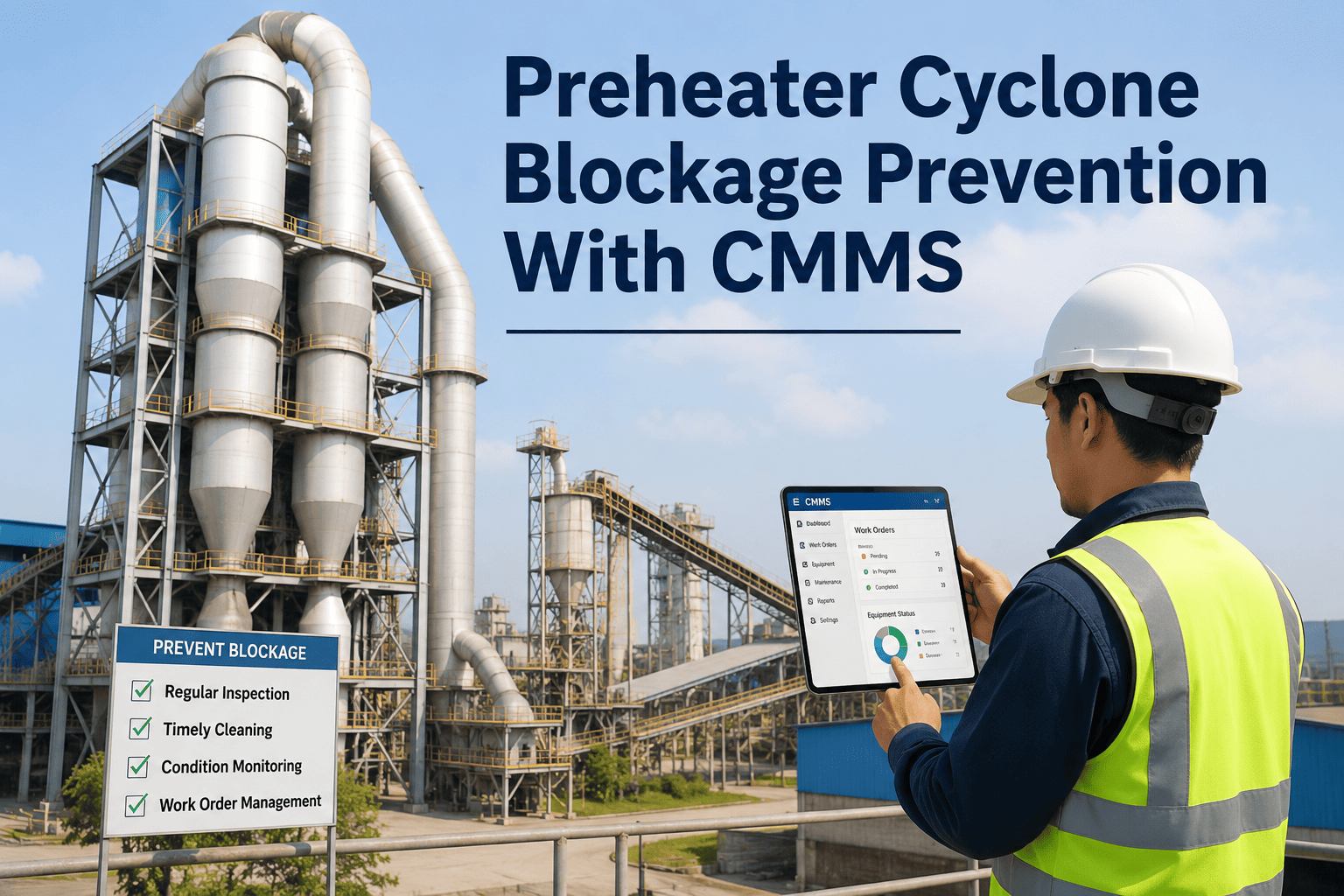
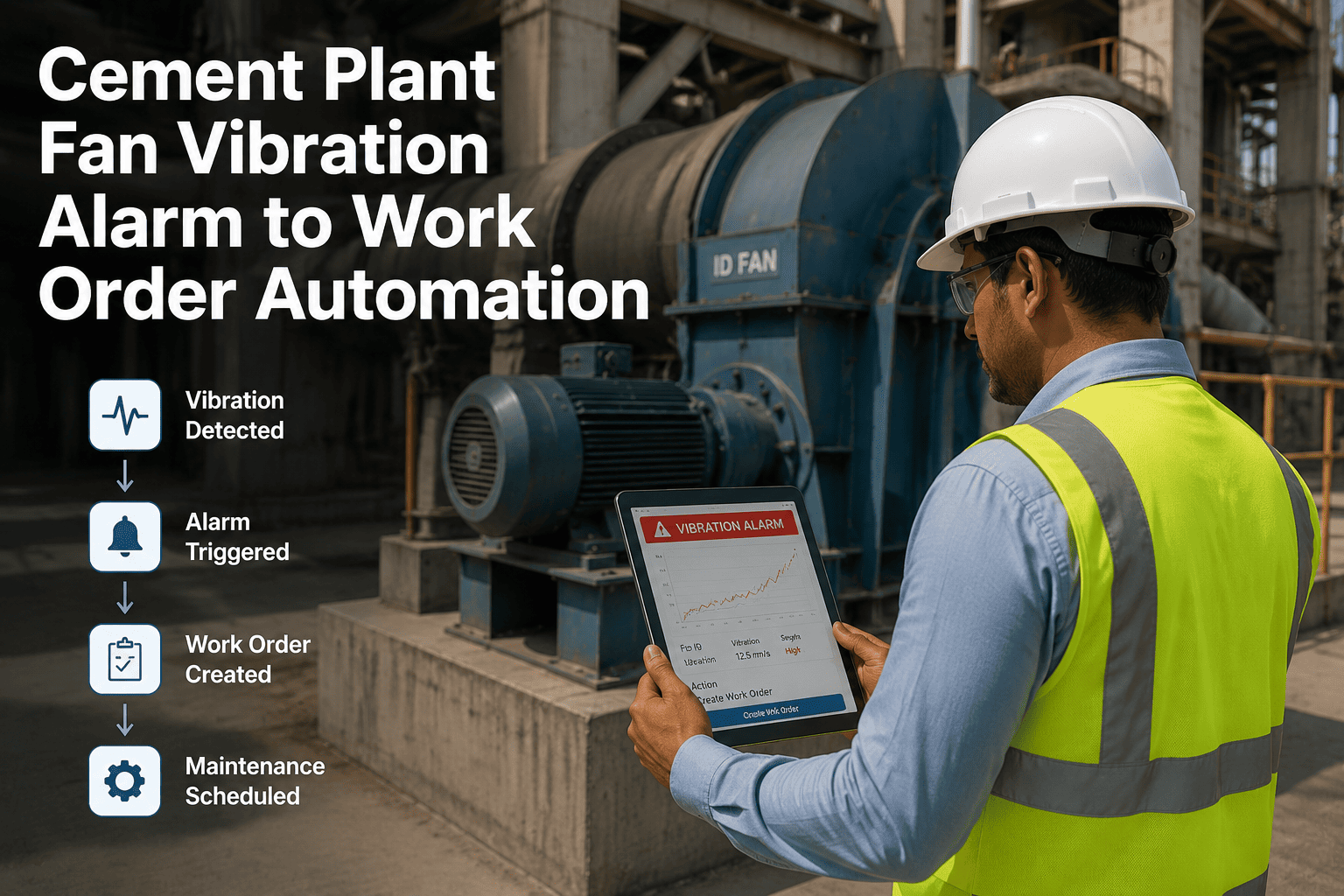
Cyclone blockages in cement preheater towers are one of the most disruptive and dangerous events in clinker production—causing emergency shutdowns, refractory damage, and kiln start-up delays that cost hours of lost output. Most blockages are predictable and preventable when inspection routines are consistent, false air entry points are tracked, and maintenance teams act on early warning data before buildup becomes a stoppage. Sign Up Free on Oxmaint to put structured cyclone inspection checklists, automated work orders, and real-time alerts in the hands of every shift team, ensuring nothing slips through during handovers or peak production runs.
Stop Cyclone Blockages Before They Stop Your Kiln
Oxmaint gives cement maintenance teams structured checklists, automated alerts, and work order workflows to catch blockage risks at every stage — before they escalate to emergency stoppages.
Why Cyclone Blockages Keep Happening in Cement Plants
Cyclone blockages are rarely random—they follow a pattern of ignored early indicators: sticky raw meal buildup, undetected false air infiltration, and inspection gaps during shift changes. Understanding where blockages originate is the starting point for preventing them.
Raw Meal Coating Buildup
Sticky or high-alkali raw meal coats cyclone walls progressively. Without periodic physical inspection and mechanical clearing, partial restrictions develop into full blockages during high-throughput runs.
False Air Infiltration
Gaps in expansion joints, worn seals, or cracked refractory allow ambient air into the preheater system, disrupting gas flow patterns and accelerating material deposition in cyclone cones and dip tubes.
Dip Tube Wear and Misalignment
Worn or misaligned dip tubes change the vortex geometry inside the cyclone, creating dead zones where meal accumulates. Regular dimensional checks during shutdowns prevent this from compounding over time.
Flap Valve Malfunction
Stuck or sluggish flap valves interrupt meal flow between cyclone stages, creating upstream backpressure that pushes material into zones prone to caking. Flap valve response is one of the most undermonitored failure modes in preheater towers.
Blockage Risk by Cyclone Stage: Where to Focus Inspection Effort
Not every cyclone stage carries equal blockage risk. Heat profile, meal moisture, and gas velocity differences make certain stages far more prone to critical buildup than others.
| Cyclone Stage |
Primary Blockage Risk |
Key Inspection Point |
Inspection Frequency |
Alert Trigger |
| Stage 1 (Top) |
False air entry, gas short-circuit |
Outlet duct seals and expansion joints |
Weekly visual |
Pressure differential drops below spec |
| Stage 2 |
Alkali-rich coating from hot meal recirculation |
Inner cone and dip tube clearance |
Bi-weekly |
Differential pressure spike above baseline |
| Stage 3 |
Clinker dust caking at high temperatures |
Cone interior and flap valve response |
Weekly |
Flap valve response time increase |
| Stage 4 (Bottom) |
Partial blockage from sticky hot meal |
Meal outlet and riser duct connection |
Daily observation |
Outlet temperature deviation from kiln feed |
| Calciner Cyclone |
Coating from sulfur-alkali volatiles |
Tertiary air duct inlet and burner zone |
Every shutdown |
CO spike or oxygen drop in exit gas |
Oxmaint Inspection Checklist Workflow for Cyclone Blockage Prevention
A checklist only prevents blockages if it reaches the right person at the right time with the right instructions. Oxmaint structures cyclone inspection workflows so every task is assigned, timestamped, and followed up—whether the maintenance team is walking the tower or reviewing overnight readings in the control room.
01
Build Equipment-Specific Checklists
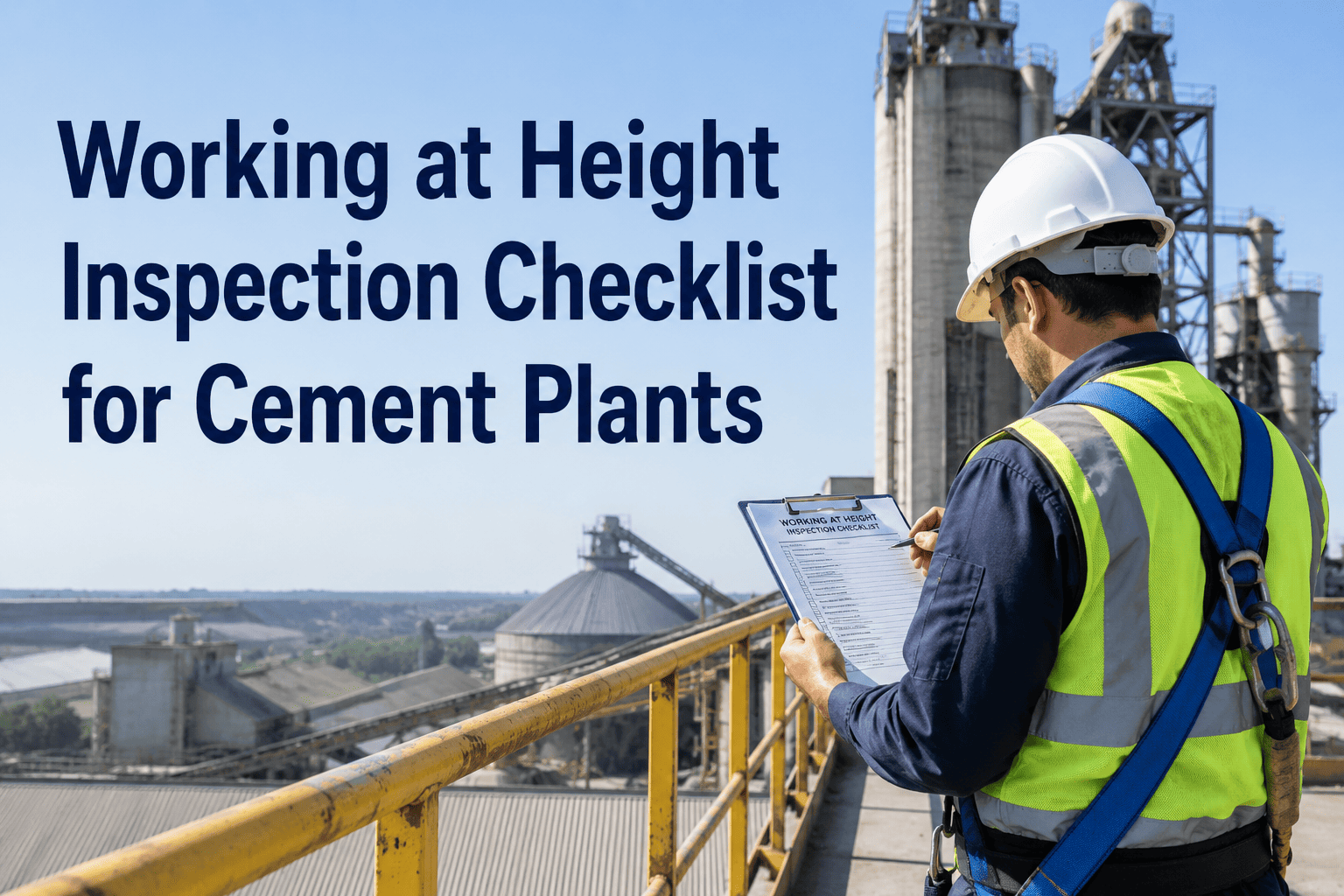
Create inspection templates for each cyclone stage with pass/fail criteria, acceptable tolerance ranges, and photo capture fields. Link each checklist to the specific asset record so history accumulates at the equipment level.
02
Schedule Recurring Inspection Tasks by Shift
Assign daily, weekly, and shutdown-based inspection tasks to maintenance teams and shifts. Oxmaint sends automated reminders so inspections are never deferred silently during high-production periods.
03
Configure False Air and Pressure Deviation Alerts
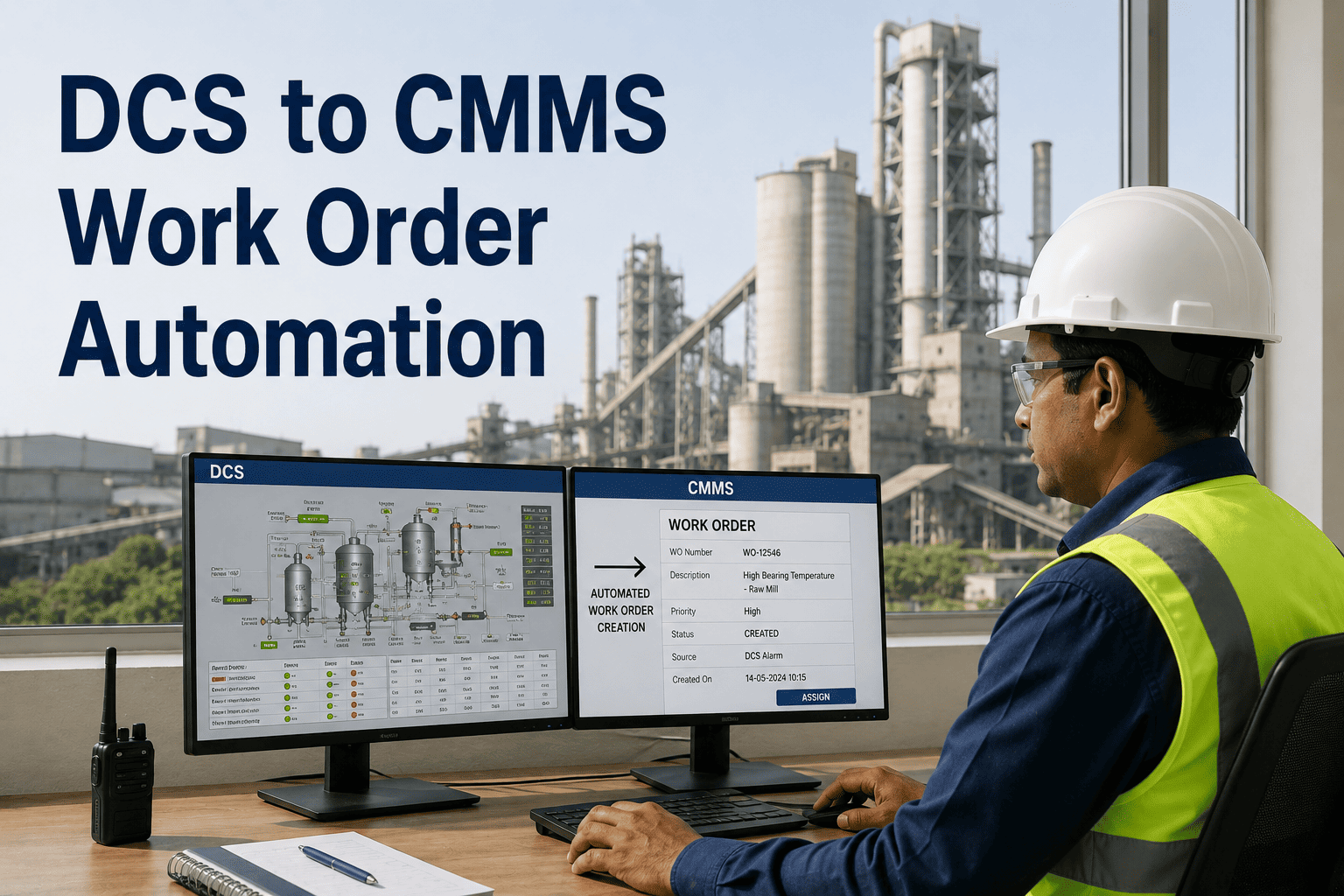
Set threshold-based alerts for differential pressure deviation, flap valve timing, and outlet temperature drift. When readings exceed defined limits, work orders generate automatically and route to the relevant technician.
04
Capture Findings and Trigger Corrective Work Orders
When an inspection identifies coating buildup, worn refractory, or a stuck flap valve, the technician logs findings directly and raises a corrective work order—keeping the entire trail from detection to resolution in one system.
05
Review Blockage History to Refine Inspection Intervals
Oxmaint analytics show which cyclone stages generate the most corrective actions and how often blockage events follow missed inspections. Use this data to tighten intervals on high-risk stages before the next production campaign.
Build Your Cyclone Inspection Program in Oxmaint
From checklists to automated alerts to corrective work orders — Oxmaint connects every step of your cyclone blockage prevention workflow in one platform your entire team can use from the tower to the control room.
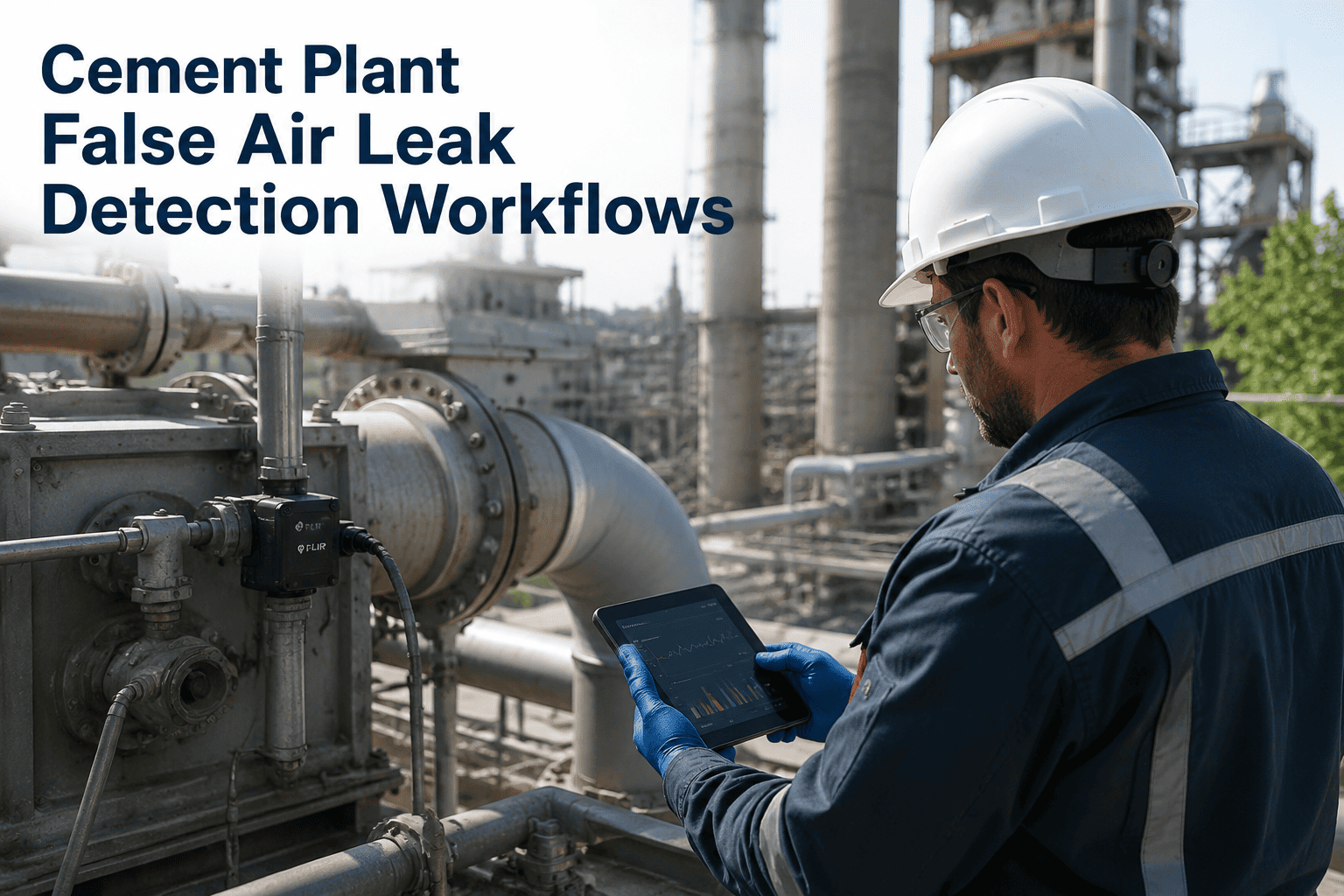
False Air Management: The Hidden Driver of Cyclone Inefficiency
False air infiltration in preheater systems is a compounding problem—it lowers thermal efficiency, increases fan load, alters gas flow patterns, and creates the conditions for accelerated material deposition. Most plants measure its effect indirectly through oxygen readings but don't track its root causes systematically.
Expansion Joint Seals
Thermal cycling causes seal degradation at every expansion joint in the preheater tower. Visual inspection during planned outages with infrared verification identifies infiltration points before they widen.
Inspection Door Gaskets
Access doors on cyclone bodies and riser ducts are frequent false air entry points. Gasket condition checks and torque verification of door clamps should be part of every shutdown checklist.
Flap Valve Seats
Worn or cracked valve seats on meal outlets allow reverse air ingress during low-draft periods. Seat condition and valve sealing force should be logged at each inspection to track progressive wear.
Refractory Cracks
Hairline cracks in cyclone liners and duct refractory become significant air infiltration paths once they propagate. Thermal imaging during cool-down after shutdowns reveals crack locations that visual inspection misses.
Cyclone Maintenance KPIs That Plant Managers Should Track
Zero
Unplanned blockage stoppages per month — the target every well-run preheater team should be measuring against
95%+
Inspection task completion rate across all cyclone stages per week — below this, blockage risk compounds
48 hrs
Maximum target time from inspection finding to corrective work order closure for high-priority cyclone defects
Trending Down
False air percentage at preheater exit — the clearest signal that seal and refractory management is working
Frequently Asked Questions: Cyclone Blockage Prevention
What causes sudden cyclone blockages in cement preheater systems?
Most sudden blockages are the result of accumulated coating that reaches a tipping point during a process change — a kiln feed rate increase, a raw mix shift, or a draft variation. The buildup is gradual; the stoppage appears sudden. Structured inspection workflows that track coating history at each stage are the most effective way to catch the warning signs.
Oxmaint checklists help teams log these observations consistently before they become emergencies.
How does false air contribute to cyclone blockages?
False air changes gas velocity and temperature distribution inside cyclone stages, creating low-velocity zones where meal drops out of suspension and begins to cake. It also forces the induced draft fan to work harder, which can cause pressure fluctuations that dislodge accumulated deposits suddenly. Tracking false air entry points as maintenance assets — with inspection tasks and repair histories — closes this gap.
How often should cyclone stages be inspected for blockage risk?
High-risk lower stages benefit from daily process data review and weekly physical inspection. Upper stages and gas ducts can follow bi-weekly schedules adjusted based on findings history. Inspection frequency should increase after raw mix changes, seasonal humidity shifts, or any period following a process upset.
Book a demo to see how Oxmaint automates these scheduling adjustments.
Can a CMMS help prevent cyclone blockages, or is it just for recording stoppages?
A well-configured CMMS prevents blockages by ensuring inspections happen on schedule, findings get escalated into work orders, and pattern data is available to refine inspection intervals over time. Recording stoppages after the fact has no preventive value. The difference is in how the system is configured — Oxmaint is built specifically to drive preventive action, not just document failures.
What should a cyclone inspection checklist include?
An effective cyclone checklist covers differential pressure readings versus baseline, cone and dip tube visual condition, flap valve response observation, expansion joint and seal condition, refractory surface inspection, and any coating accumulation measurements. Each item should have a defined acceptance criterion and a clear escalation path if the finding falls outside acceptable limits.
Oxmaint lets you build and deploy these templates to the entire maintenance team in minutes.
Ready to Eliminate Unplanned Cyclone Stoppages?
Cement plants using Oxmaint run structured cyclone inspection programs that catch blockage risks early, automate corrective work orders, and track false air entry points — all in one connected maintenance platform.