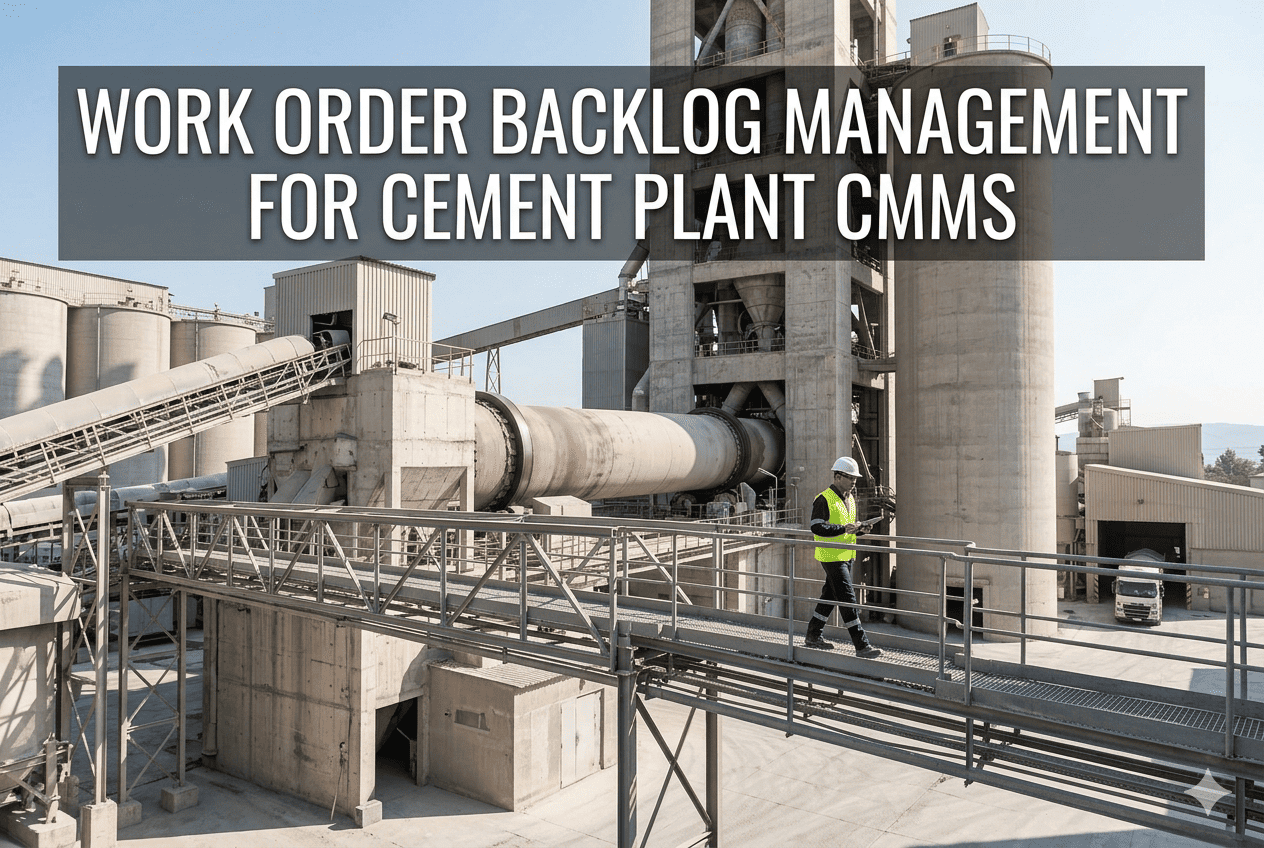
A cement plant in Texas lost $2.3 million annually to unplanned kiln and mill shutdowns—temperatures exceeding 1400°C, abrasive clinker dust, and confined spaces made human inspection dangerous and infrequent. After deploying heavy-duty robots for equipment inspection and maintenance support, they reduced unplanned downtime by 47% while eliminating confined space entries for routine inspections. The robots navigate extreme heat zones, capture thermal data on refractory wear, and feed inspection findings directly to CMMS for automated work order generation. Sign up for Oxmaint to connect robotic inspection data to your cement plant maintenance workflows.
Heavy-Duty Robots for Cement Plant Equipment Maintenance
Cement plants present the harshest industrial environments—extreme heat, abrasive dust, and confined spaces that challenge both human workers and standard automation. Heavy-duty maintenance robots built for these conditions transform how plants inspect, maintain, and extend the life of critical equipment.
Cement Plant Maintenance Challenges
Traditional maintenance approaches fail in cement environments where temperatures melt standard electronics, dust infiltrates sealed components, and confined spaces require extensive safety protocols. Book a demo to see how CMMS integration addresses these challenges.
Extreme Heat Environments
Kiln zones exceed 1400°C, preheater towers reach 900°C, and cooler sections operate above 200°C—temperatures that destroy standard inspection equipment within minutes.
Abrasive Dust Infiltration
Cement and clinker dust penetrates seals, clogs mechanisms, and accelerates wear on any equipment operating in production zones—cutting equipment lifespan by 60-70%.
Confined Space Hazards
Preheater vessels, mill internals, and silo inspections require confined space entry—creating safety risks and requiring extensive protocols that extend maintenance windows.
Heavy-Duty Robot Systems for Cement
Purpose-built robots survive cement plant conditions while delivering inspection and maintenance capabilities that improve equipment reliability. Sign up for Oxmaint to integrate robot inspection data with your asset management workflows.
Kiln Inspection Crawlers
Thermal-shielded inspection robotsHeat-resistant robots enter kilns during maintenance windows to inspect refractory lining condition, measure shell temperatures, and identify hot spots that indicate lining failure before catastrophic damage occurs.
Mill Interior Drones
Enclosed vessel inspection UAVsSpecialized drones navigate ball mill and vertical roller mill interiors, capturing high-resolution imagery of liner wear, grinding media distribution, and structural integrity—eliminating confined space entry for routine inspections.
Quadruped Plant Patrol
All-terrain facility inspectionRugged quadruped robots patrol cement plant floors, climbing stairs, traversing uneven surfaces, and navigating dusty environments to monitor equipment health across the entire facility with thermal and vibration sensors.
Preheater Tower Climbers
Magnetic climbing inspection robotsMagnetic-wheeled robots climb preheater tower shells, measuring temperatures across the exterior surface to identify refractory failures, buildup locations, and thermal anomalies without scaffolding or rope access.
Cement Plant Operating Zones
Different plant areas require different robot capabilities based on environmental conditions. Sign up for Oxmaint to manage zone-specific maintenance schedules.
Kiln Zone
1400°C+ / Extreme Heat
Extreme ConditionsGrinding Mills
Confined / High Dust
Severe ConditionsStorage Silos
Confined / Dust
ModeratePacking Plant
Dusty / Standard
StandardRobot-CMMS Integration Capabilities
Heavy-duty robots feed inspection data directly to Oxmaint, enabling work order automation based on actual equipment condition rather than fixed schedules.
Inspection Data to Maintenance Action
| Robot Finding | Data Captured | CMMS Action | Response Time |
|---|---|---|---|
| Refractory Hot Spot | Thermal image + location | Emergency work order | Immediate |
| Liner Wear Pattern | 3D scan + thickness | Scheduled replacement | Planned outage |
| Bearing Vibration Spike | Frequency spectrum | Inspection work order | 24-48 hours |
| Shell Temperature Rise | Thermal gradient map | Monitoring alert | Continuous |
| Buildup Detection | Visual + thermal | Cleaning scheduled | Next window |
Implementation Checklist
Oxmaint Features for Cement Plants
Asset Lifecycle Tracking
Monitor refractory life, liner wear, and component degradation from robot inspection data.
Automated Work Orders
Robot findings trigger maintenance tasks with photos, measurements, and priority levels.
Predictive Analytics
Trend analysis on inspection data predicts equipment failures before they occur.
Critical Alerts
Immediate notifications when robots detect conditions requiring urgent maintenance.
Frequently Asked Questions
Maintain the Harshest Environments Safely
Heavy-duty robots reach where humans can't—or shouldn't. Oxmaint turns their findings into actionable maintenance, keeping your cement plant running while protecting your workforce.