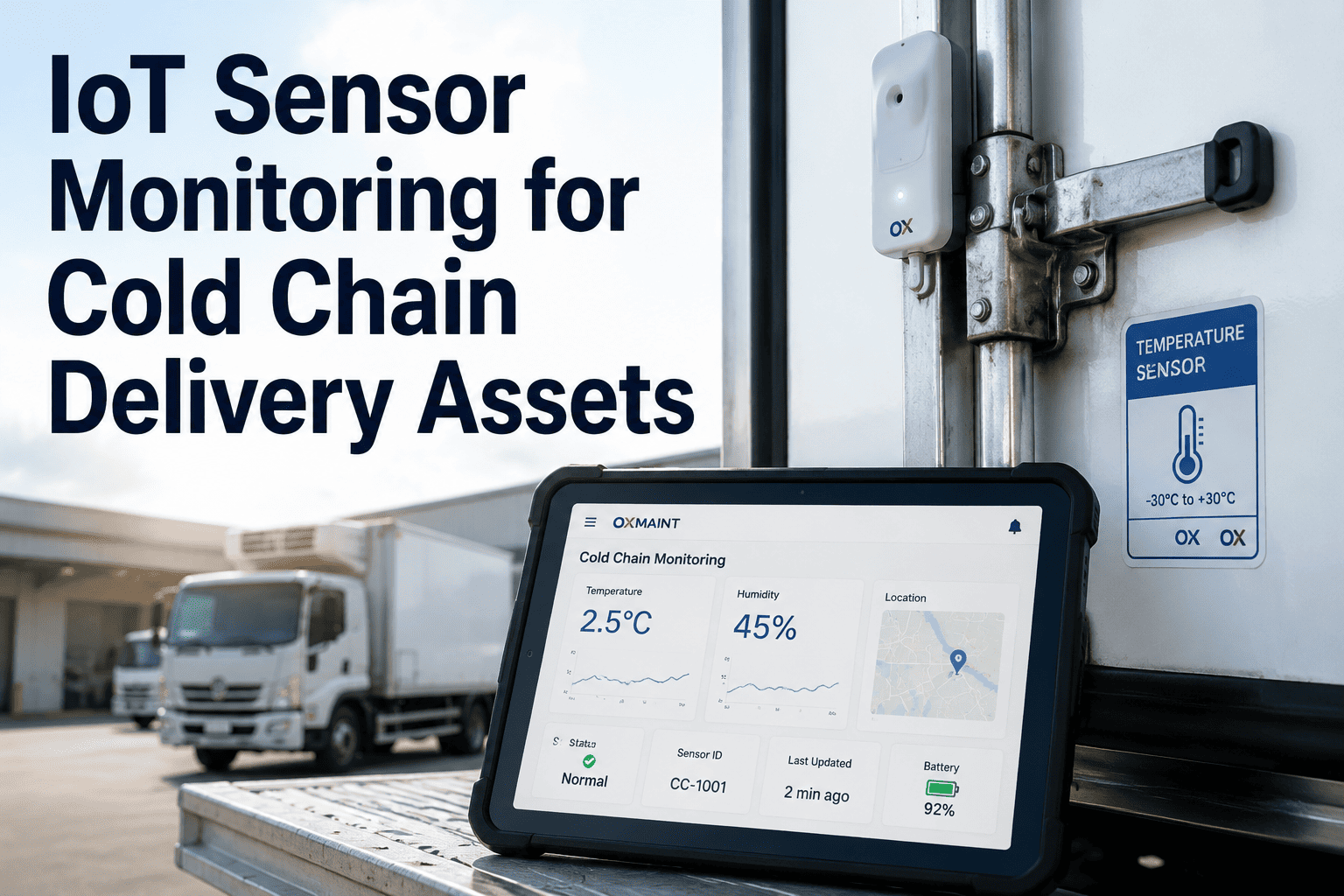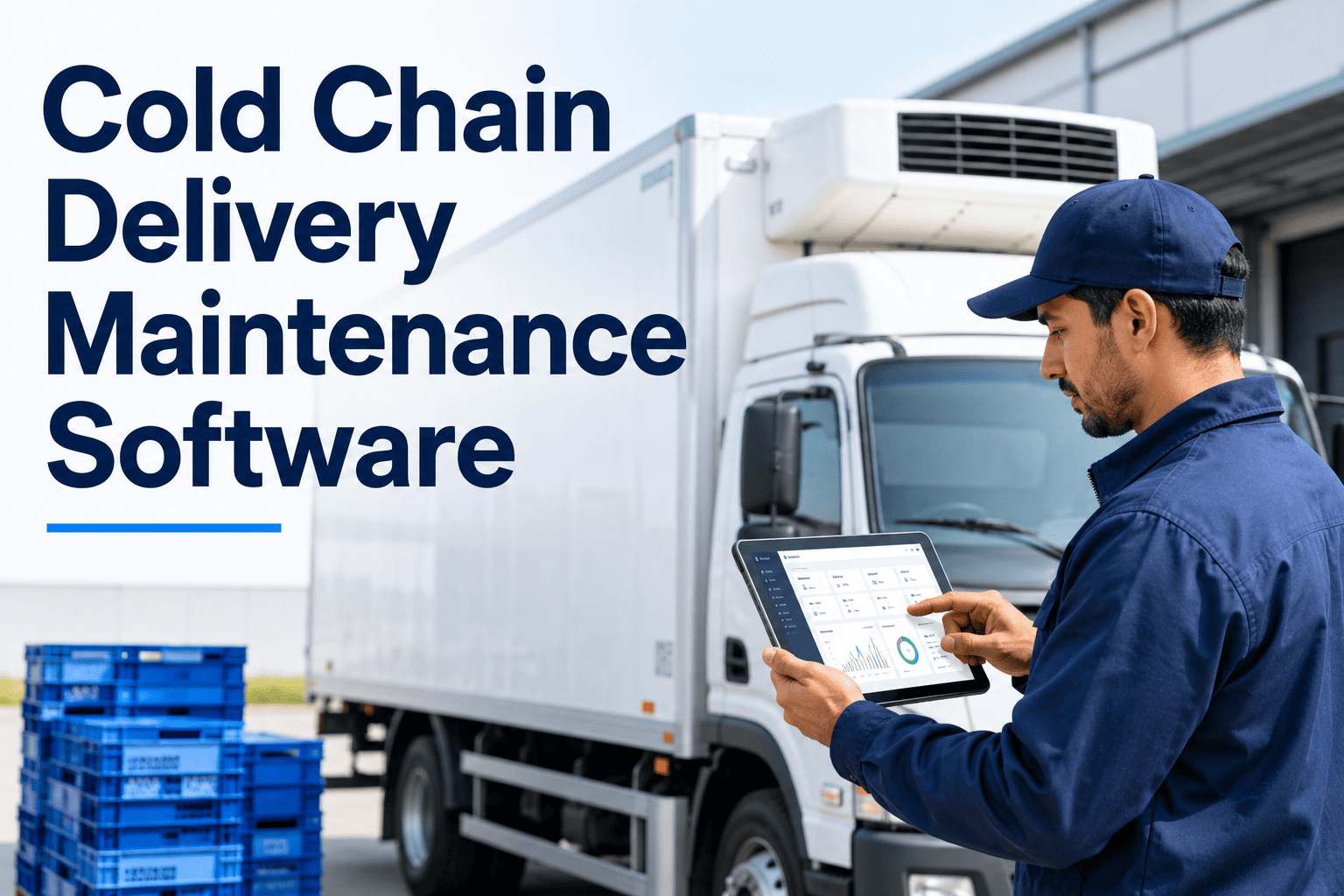
Cold chain delivery puts two mechanical systems on every route simultaneously — the road vehicle and the reefer unit — and both have to perform flawlessly from departure to delivery. A standard van failure costs your operation $700 and delays parcels. A refrigerated vehicle failure costs the same, plus spoiled cargo, a food safety audit, and a customer contract at risk. Most fleet maintenance platforms are built around the road vehicle only; the reefer unit's compressor efficiency, door seal condition, and refrigerant pressure are invisible until a cargo excursion event happens. OxMaint connects OBD vehicle diagnostics with reefer unit sensor data, temperature compliance logging, and predictive maintenance for compressors, condensers, evaporators, and door seals — all in one platform. For cold chain operators in pharmaceutical, grocery, and food logistics, this is not an upgrade. It is the difference between a fleet that protects cargo and one that creates liability. Book a 30-minute demo to see how OxMaint manages both systems in one compliance-ready CMMS.
Cold Chain Delivery Maintenance Software
Protect temperature-sensitive cargo from depot to delivery. Maintain reefer units, cold rooms, and sensors — with real-time compliance records that satisfy FDA, FSMA, and GDP auditors.
Current draw, vibration patterns, and cycling frequency analysis detect compressor degradation 2–3 weeks before failure. Predictive work orders are auto-generated before any temperature impact occurs.
Door seal monitors detect increased compressor cycle frequency — the earliest sign of seal leakage — before any visible deterioration. A leaking seal shows no fault code but causes continuous energy loss and cargo risk.
System pressure is monitored continuously. Gradual pressure drops that indicate developing refrigerant leaks trigger maintenance alerts weeks before cooling capacity is noticeably affected.
Auto-scheduled calibration with compliance lockout. Vehicles with expired sensor calibrations cannot be dispatched with temperature-sensitive cargo — eliminating the most common GDP and FSMA audit finding.
Coil fouling patterns are detected through efficiency monitoring before cooling capacity drops. Scheduled coil cleaning work orders replace emergency breakdowns on loaded vehicles.
Walk-in cold rooms, blast chillers, and pre-cooling bays are maintained on the same platform as the fleet — with temperature zone alerts, cleaning schedules, and compliance sign-off in one unified record.
Continuous tamper-proof temperature logging meets Sanitary Transportation rule requirements. Every excursion event generates a documented, time-stamped record with technician identity and corrective action taken.
OxMaint links every temperature alarm to the vehicle's PM and compliance log automatically. Product impact assessments after excursion events are supported by continuous data, not manual reconstruction.
Digital sign-off with UTC-timestamped technician identification on all maintenance and calibration records. Full audit trail available for regulatory inspection without manual document compilation.
Equipment certification records, test results, and renewal dates are tracked per vehicle in OxMaint. Expiry alerts ensure no vehicle operates beyond its ATP certification window on cross-border routes.
| Capability | Standard Fleet Software | OxMaint Cold Chain CMMS |
|---|---|---|
| Reefer unit monitoring | Not tracked — only road vehicle OBD data | Reefer sensor data unified with vehicle OBD in one health model |
| Temperature compliance records | Separate logger — manual reconciliation with vehicle records | Auto-linked temperature alarm logs to vehicle PM and load records |
| Compressor degradation detection | Not detected until fault code or failure | 2–3 weeks early via current draw and vibration pattern analysis |
| Sensor calibration dispatch block | No enforcement — expired calibration vehicles dispatched | Compliance lockout — expired calibration blocks dispatch automatically |
| Excursion event documentation | Manual report after discovery — incomplete for regulatory review | Auto-generated record: start time, peak temp, duration, action taken |
| Cold room and depot integration | Separate system — no link to fleet records | Fleet and depot on one platform — unified compliance reporting |
The math on cold chain CMMS is simple: one prevented excursion event pays for a full year of OxMaint. Predictive compressor monitoring, compliance lockouts, and tamper-proof temperature records protect your cargo, your contracts, and your regulatory standing — starting from day one.