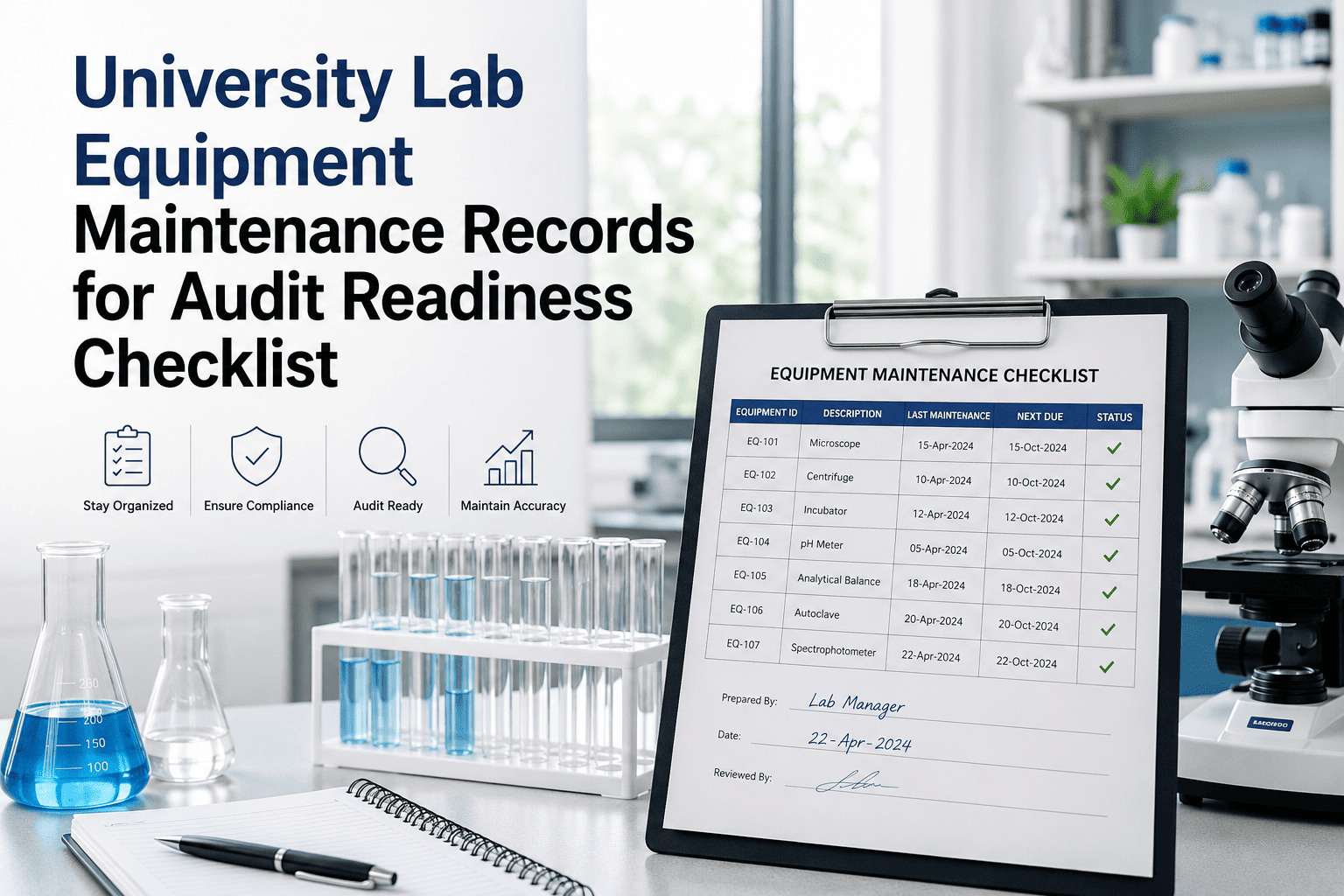
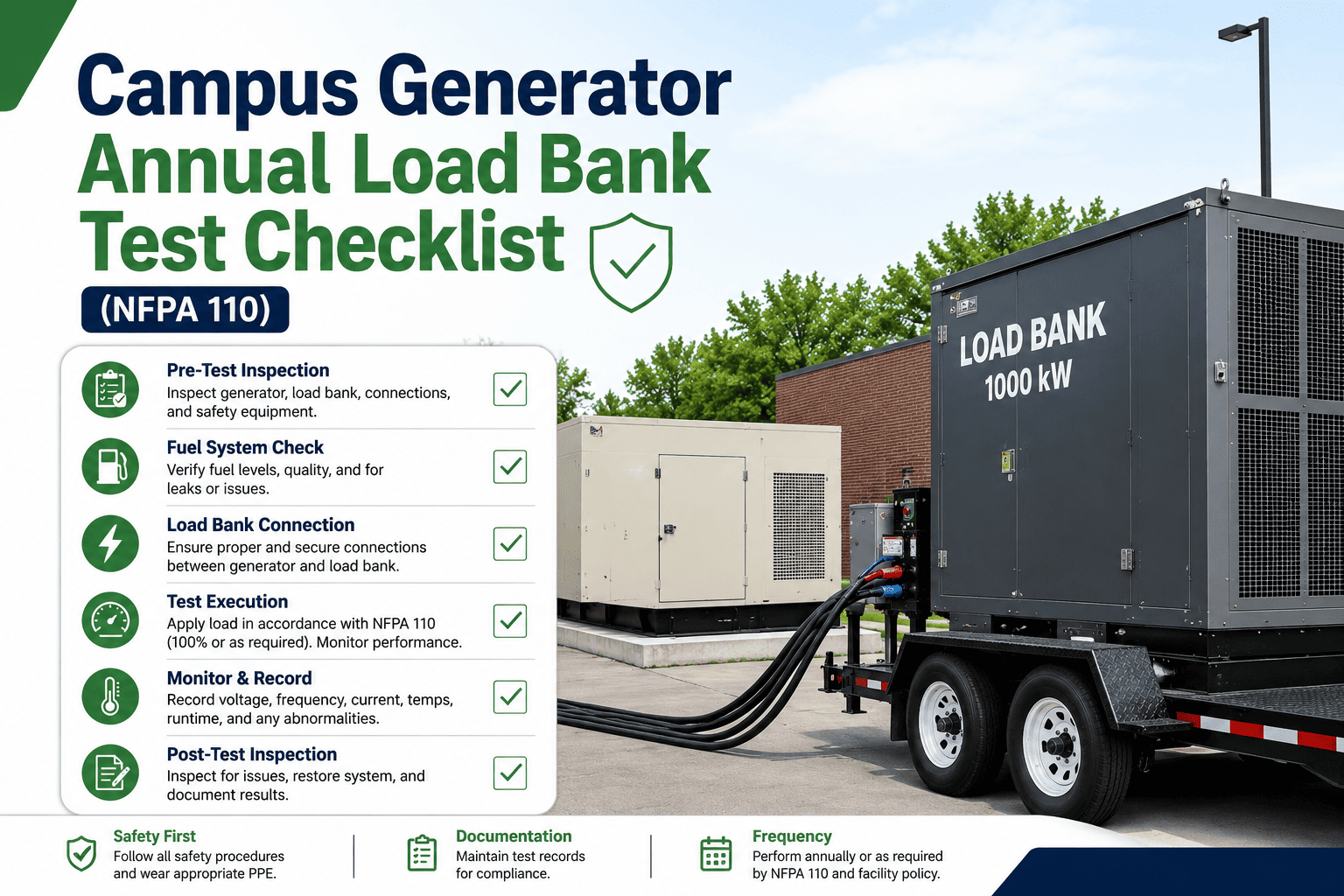
A university campus runs dozens — sometimes hundreds — of backflow prevention assemblies protecting domestic water, irrigation systems, laboratory supply lines, cooling towers, and fire suppression connections. Every one of those assemblies requires an annual field test performed by a certified tester, documented on a compliant test report, and submitted to the water utility or authority having jurisdiction. ASSE 5110 sets the standard for backflow tester certification programs, and most state drinking water programs mandate annual testing records aligned to that standard. When test results live across handwritten tester forms, emailed PDFs, and disconnected spreadsheets, facility teams face inspection exposure and potential cross-connection control program violations. You can Sign Up Free on Oxmaint to centralize every backflow test record, assembly asset, and compliance document in one auditable CMMS platform built for higher education facilities.
Manage Every Backflow Test Record in One Place
Oxmaint helps university facility teams track RPZ, DCV, and PVB assemblies, schedule annual tests, store tester reports, and stay ready for cross-connection control audits — all from a mobile-first CMMS.
Why It Matters
The Compliance Stakes of University Backflow Programs
Universities operate high-hazard connections — laboratories, medical research facilities, irrigation systems, and cooling towers — that create serious cross-connection risks to the potable water supply. Regulatory bodies require annual ASSE 5110-aligned test records. Gaps in documentation trigger water utility enforcement actions, program suspension notices, and potential service interruptions across campus.
Critical
Cross-Connection Control Violations
Missing or late annual test records on RPZ, DCV, or PVB assemblies can result in written notices of violation from the water utility, mandatory service interruption orders, and required audit responses under state drinking water programs.
Critical
High-Hazard Campus Connections
Laboratory fume hood supply lines, chemical storage facilities, animal research watering systems, and cooling tower makeup connections carry backflow risk classifications that require RPZ assemblies, the most rigorous assembly type to test and document.
High
Test Record Traceability
Water utilities and state programs require test reports that include tester certification number, assembly serial number, differential pressure readings, check valve results, and relief valve open differential — paper-based systems cannot retrieve these quickly during audits.
High
Failed Assembly Follow-Through
An assembly that fails its annual test must be repaired or replaced and retested within the utility's required window. Without a structured corrective work order workflow, failed assemblies fall through the cracks and remain out of compliance indefinitely.
Field Checklist Framework
University Backflow Preventer Annual Test Field Checklist — By Assembly Type
Each assembly type requires a distinct set of field measurements and pass/fail criteria. The checklist below reflects ASSE 5110 tester competency requirements and standard annual test report fields accepted by most state water programs. Book a Demo to see how Oxmaint structures these checklists as digital work orders linked to each campus asset record.
Pre-Test Documentation
Record assembly make, model, and serial number
Confirm tester certification number and expiration date
Document service line size, hazard level, and installation location
Verify test gauge calibration date is current
Shutoff Valve Condition
Inspect SV1 and SV2 — confirm full open/close operation
Check for visible corrosion, damage, or leakage at valve bodies
Document any exercise-only or non-rising stem configuration notes
Check Valve No. 1 Test
Attach differential pressure gauge test kit to test cocks
Record No. 1 check valve differential pressure reading (psid)
Pass criterion: ≥ 5.0 psid (or per manufacturer specification)
Document tight shut-off or leak-by observation
Check Valve No. 2 Test
Record No. 2 check valve differential pressure reading (psid)
Pass criterion: ≥ 1.0 psid (or per manufacturer specification)
Document tight shut-off or leak-by at No. 2 check
Relief Valve Test
Record relief valve opening differential pressure (psid)
Pass criterion: relief valve opens at ≥ 2.0 psid above No. 2 check
Confirm relief valve closes fully after test — no continuous discharge
Document relief valve discharge port condition and drainage path
Final Disposition
Record overall Pass / Fail determination
If failed: document which component failed and reason
If failed: note repair/replacement required and retest deadline per utility
Tester signature and date on completed test report
Pre-Test Documentation
Record assembly make, model, serial number, and line size
Confirm DCV is appropriate for hazard classification (low-to-moderate hazard only)
Verify tester certification is valid for DCV testing under ASSE 5110
Check Valve No. 1 Test
Record No. 1 check valve differential pressure reading (psid)
Pass criterion: ≥ 1.0 psid with no leak-by detected
Document guide and seat inspection if disassembly was performed
Check Valve No. 2 Test
Record No. 2 check valve differential pressure reading (psid)
Pass criterion: ≥ 1.0 psid with no leak-by detected
Note any fouling, scale, or debris observed at check seat
Shutoff Valves and Final Disposition
Inspect both shutoff valves — confirm full operation
Record overall Pass / Fail determination
If failed: document component, failure reason, and corrective action plan
Submit completed report to water utility within required window
Pre-Test Setup
Confirm PVB is installed above all downstream outlets (minimum 12" above highest point of use)
Record assembly make, model, serial number, and installation elevation
Confirm PVB is only used where continuous pressure is not applied downstream
Air Inlet Valve and Check Valve Test
Record check valve differential pressure reading (psid)
Pass criterion: ≥ 1.0 psid
Confirm air inlet valve opens at ≥ 1.0 psid below supply pressure
Verify air inlet canopy and disk seat are free of debris and close fully
Shutoff Valves and Final Disposition
Inspect both shutoff valves — confirm full open/close operation
Record overall Pass / Fail determination
Document any repairs made during test visit
Submit completed report per state program deadline
How Oxmaint Helps
How Oxmaint Structures University Backflow Compliance in CMMS
01
Assembly Asset Register
Every RPZ, DCV, and PVB assembly on campus gets its own asset record with location, line size, hazard classification, assembly serial number, and installation date — searchable and filterable by building, zone, or service type.
02
Annual Test Work Orders
Oxmaint auto-generates annual test work orders per assembly 30–60 days before the test due date. Work orders include the field checklist for the correct assembly type and route to the assigned tester or contractor.
Sign Up Free to configure your campus test schedule.
03
Digital Test Report Storage
Completed tester reports — PDF or digital form — are attached directly to the assembly's work order and asset record. No emailed attachments lost in inboxes. Every test result is retrievable by assembly, date, or tester in seconds during utility audits.
04
Failed Assembly Corrective Workflow
A failed test result in Oxmaint automatically triggers a corrective maintenance work order, tags the assembly as out-of-compliance, and notifies the facilities supervisor. Repair completion and retest authorization are both documented in the same auditable record.
Book a Demo to see the workflow.
05
Multi-Building Compliance Dashboard
University facility directors get a compliance dashboard showing tested vs. untested assemblies, overdue tests by building, and failed assembly retest status — across all campus locations in a single view.
06
Tester Certification Tracking
Contractor and in-house tester ASSE 5110 certification numbers and expiration dates are stored in Oxmaint. Work orders flag expired certifications before assignment — so test reports always reflect a currently certified tester.
Sign Up Free to get started.
Build Your University Cross-Connection Control Record System
Stop chasing tester PDFs and paper logs. Oxmaint gives your campus facilities team a purpose-built CMMS to manage every backflow assembly, schedule annual tests, store reports, and pass utility audits with confidence.
Frequently Asked Questions
University Backflow Annual Testing — Common Questions
What does ASSE 5110 govern and why does it apply to university backflow programs?
ASSE 5110 is the American Society of Sanitary Engineering standard for backflow tester certification programs. Most state drinking water programs require that annual backflow tests be performed by testers certified under an ASSE 5110-compliant program. Universities must verify tester certification compliance before accepting and submitting test reports to the water utility.
How often must backflow preventers be tested at university facilities?
Annual testing is the standard requirement in most jurisdictions, with testing intervals tied to the installation anniversary date or the water utility's program calendar. High-hazard assemblies such as RPZs on laboratory or cooling tower connections may be subject to additional testing requirements per local rules.
What happens if a university misses an annual backflow test deadline?
Missing the test deadline can result in a notice of violation from the water utility, potential service interruption to the affected connection, and a required response plan submission. Some programs assess civil penalties for continued noncompliance. A CMMS with automated test scheduling prevents deadline gaps entirely.
What records should a university retain for each backflow assembly?
Facilities teams should retain the original signed tester report for each annual test, documentation of any repair or replacement performed on a failed assembly, the retest report confirming return to compliant status, and the tester's current certification information — all tied to the assembly's location record.
Can Oxmaint handle backflow compliance for a multi-campus university system?
Yes. Oxmaint supports multi-site asset management with location-level filtering, shared compliance dashboards, and independent PM schedules per facility. System-wide views let central facilities leadership monitor testing compliance across all campuses while individual site teams manage their own work orders and tester assignments.
What is the difference between an RPZ and a DCV, and how does it affect university backflow testing?
An RPZ (Reduced Pressure Zone) assembly is required for high-hazard connections such as laboratory water supplies, cooling towers, and chemical injection systems. A DCV (Double Check Valve) is used for low-to-moderate hazard connections such as general irrigation and fire suppression. The test procedure, pass/fail criteria, and regulatory documentation requirements differ between assembly types, which is why digital checklist templates should match the assembly type.
Book a Demo to see Oxmaint's assembly-specific test templates.
University Backflow Compliance Starts with Better Records
Oxmaint gives campus facilities and utilities teams a structured CMMS platform to track every assembly, automate annual test scheduling, store tester reports, and maintain audit-ready cross-connection control documentation — for every building on every campus.