The building management system alerts at 2:47 PM on the hottest day of the year. Your 400-ton chiller just tripped offline—again. The server room temperature is climbing. Tenant complaints are flooding in. And your emergency HVAC contractor quotes $180 per hour plus a $15,000 compressor if that's the culprit. This scenario plays out in commercial facilities every day, but here's what most facility managers don't realize: 75% of chiller failures are preventable. The key lies in understanding failure patterns before they escalate into emergencies.
45-60%
Of building cooling energy
75%
Failures preventable
3-5x
Emergency repair cost
$50K+
Compressor replacement
Chiller systems represent the largest single energy consumer in most commercial buildings. When they fail, the cascade effect impacts everything from occupant comfort to critical operations. Facility teams that implement structured failure tracking catch warning signs weeks before catastrophic breakdown occurs.
The 5 Most Common Chiller Failures
Understanding what fails—and why—transforms reactive firefighting into proactive prevention. These five failure modes account for the vast majority of chiller problems.
Tube Fouling
Critical
Warning Signs
- Reduced cooling capacity
- High discharge pressure
- Energy spike 15-25%
Root Cause
Scale, sediment, and biofilm on heat transfer surfaces force compressors into surge—leading to motor damage and catastrophic failure.
Refrigerant Leaks
High
Warning Signs
- Low suction pressure
- Compressor short cycling
- Oil in unusual places
Root Cause
Worn gaskets, vibration cracks, and loose fittings allow refrigerant escape. System operates outside design parameters.
Compressor Failure
Expensive
Warning Signs
- Unusual noise/vibration
- Tripped breakers
- Complete cooling loss
Root Cause
Liquid slugging, motor burnout, or oil breakdown. Usually caused by upstream issues that stress the compressor over time.
Electrical Issues
Frequent
Warning Signs
- Random shutdowns
- Blown fuses
- Contactor chatter
Root Cause
Loose connections, voltage imbalance, worn contactors. Overloading causes overheating and accelerates failure.
Water Flow Problems
Preventable
Warning Signs
- High head pressure
- Low delta-T
- Safety trips
Root Cause
Clogged strainers, pump failures, or air in system reduce flow below specs. Triggers protective shutdowns.
Visual Troubleshooting Guide
When your chiller trips, systematic diagnosis prevents costly guesswork. Follow this visual pathway to identify the most likely cause.
Is the compressor running?
NO
Check power supply
Inspect motor windings
Test safety controls
YES
Continue diagnosis
Is discharge pressure HIGH?
YES
Fouled condenser tubes
Low water flow
High ambient temp
NO
Check suction side
Is suction pressure LOW?
YES
Low refrigerant charge
Expansion valve issue
Evaporator blockage
NO
Review control settings
Calibrate sensors
Facilities using CMMS platforms to track diagnostic patterns over time build invaluable failure history that accelerates troubleshooting.
Turn Failures Into Insights
See how OXmaint captures failure data, tracks root causes, and generates preventive work orders—automatically.
The Real Cost of Chiller Failures
Emergency repairs don't just cost more—they cascade through your operation. This visual breakdown shows the true financial impact.
Emergency Labor
$540 - $720
After-Hours Premium
+50-100%
Lost Productivity/hr
$1K - $5K
Total Exposure
$20K - $75K+
VS
Annual Contract
$1.5K - $3K
Tube Cleaning
$400 - $800
Downtime Avoided
75% reduction
Annual Investment
$2.5K - $5K
Expert Insight: Root Cause Analysis
"The biggest mistake I see is replacing components without investigating why they failed. A compressor doesn't just burn out—something caused it. Replace it without fixing the root cause, and you'll be replacing it again in 18 months."
The 5 Whys Method
1
Why did the compressor fail?
Motor burned out
2
Why did the motor burn out?
Overheated
3
Why did it overheat?
High head pressure
4
Why was head pressure high?
Fouled condenser
5
Why was condenser fouled?
No maintenance schedule
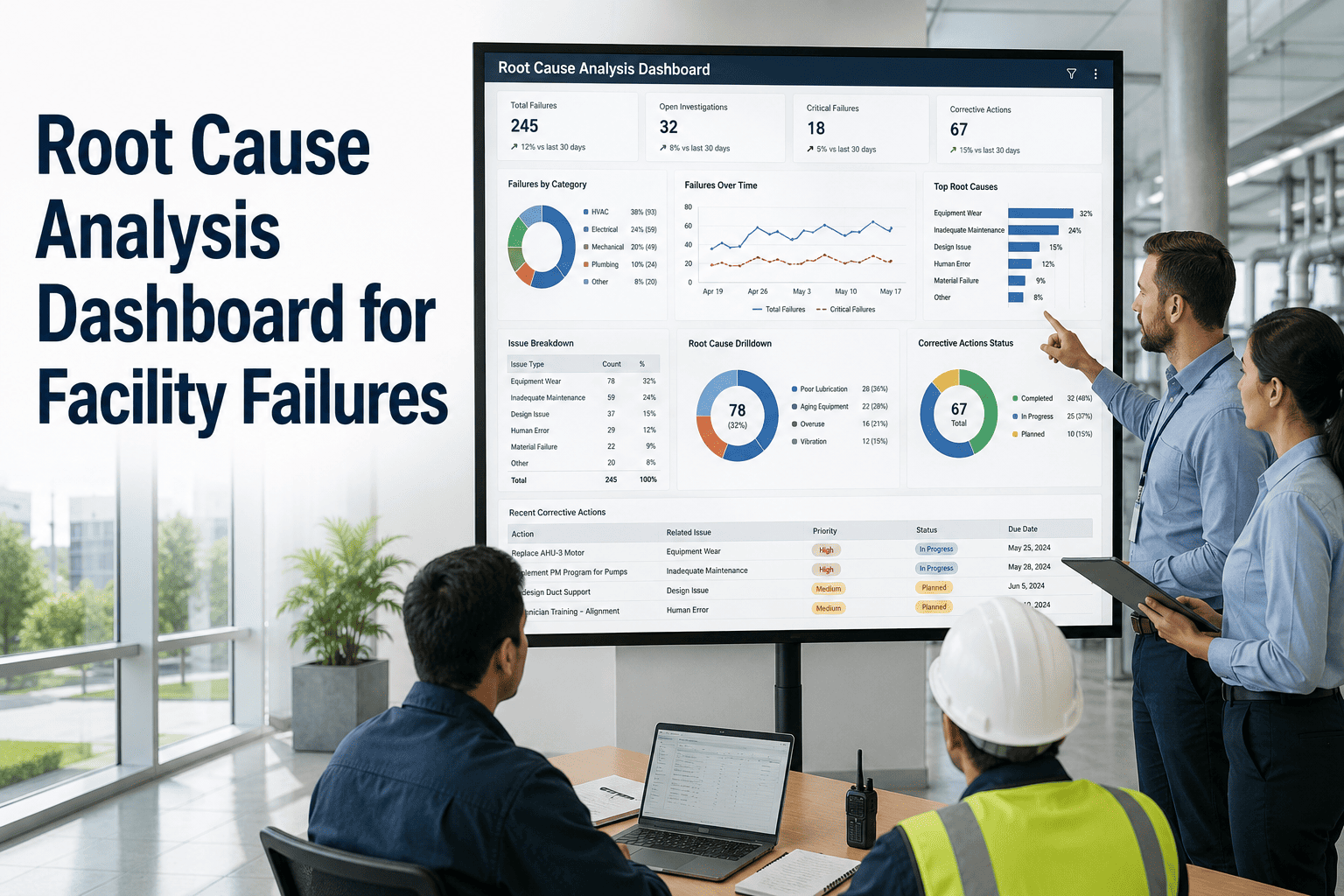
Teams that centralize maintenance records digitally perform root cause analysis in minutes—and ensure lessons learned don't walk out the door when technicians change.
Prevention Schedule at a Glance
W
Weekly Checks
Log pressures & temps
Check oil levels
Verify flow rates
Listen for noise
M
Monthly Inspections
Electrical connections
Refrigerant charge
Safety controls
Air screens
Q
Quarterly Service
Clean condenser tubes
Oil analysis
Sensor calibration
Belt inspection
A
Annual Overhaul
Motor insulation test
Eddy current testing
Full refrigerant analysis
Control audit
Managing this schedule across multiple chillers becomes effortless when you automate work order generation based on equipment-specific intervals.
Stop Reactive Chiller Maintenance
Join facility teams using OXmaint to track failures, automate inspections, and build maintenance history that prevents emergencies.
Frequently Asked Questions
What is the most common cause of chiller failure?
Tube fouling is the number one cause of water-cooled chiller problems. Scale, biological growth, and sediment accumulate on heat transfer surfaces, reducing efficiency and forcing compressors to work harder. Severe fouling leads to compressor surge, motor damage, and catastrophic failure. Regular tube brushing and proper water treatment prevent this issue.
How much does a chiller compressor replacement cost?
Commercial chiller compressor replacements typically range from $15,000 to $50,000 or more. Emergency replacements include service fees ($125-$200), labor ($135-$180/hour for 2-4 hours), and after-hours premiums of 50-100%. Preventive maintenance costs a fraction of emergency replacement.
How often should commercial chillers be inspected?
Seasonal chillers need inspection twice annually minimum. Year-round chillers require quarterly comprehensive inspections. Weekly operational checks (pressures, temperatures, oil) should occur regardless. Following manufacturer schedules and logging readings identifies problems before failures.
What are warning signs of compressor failure?
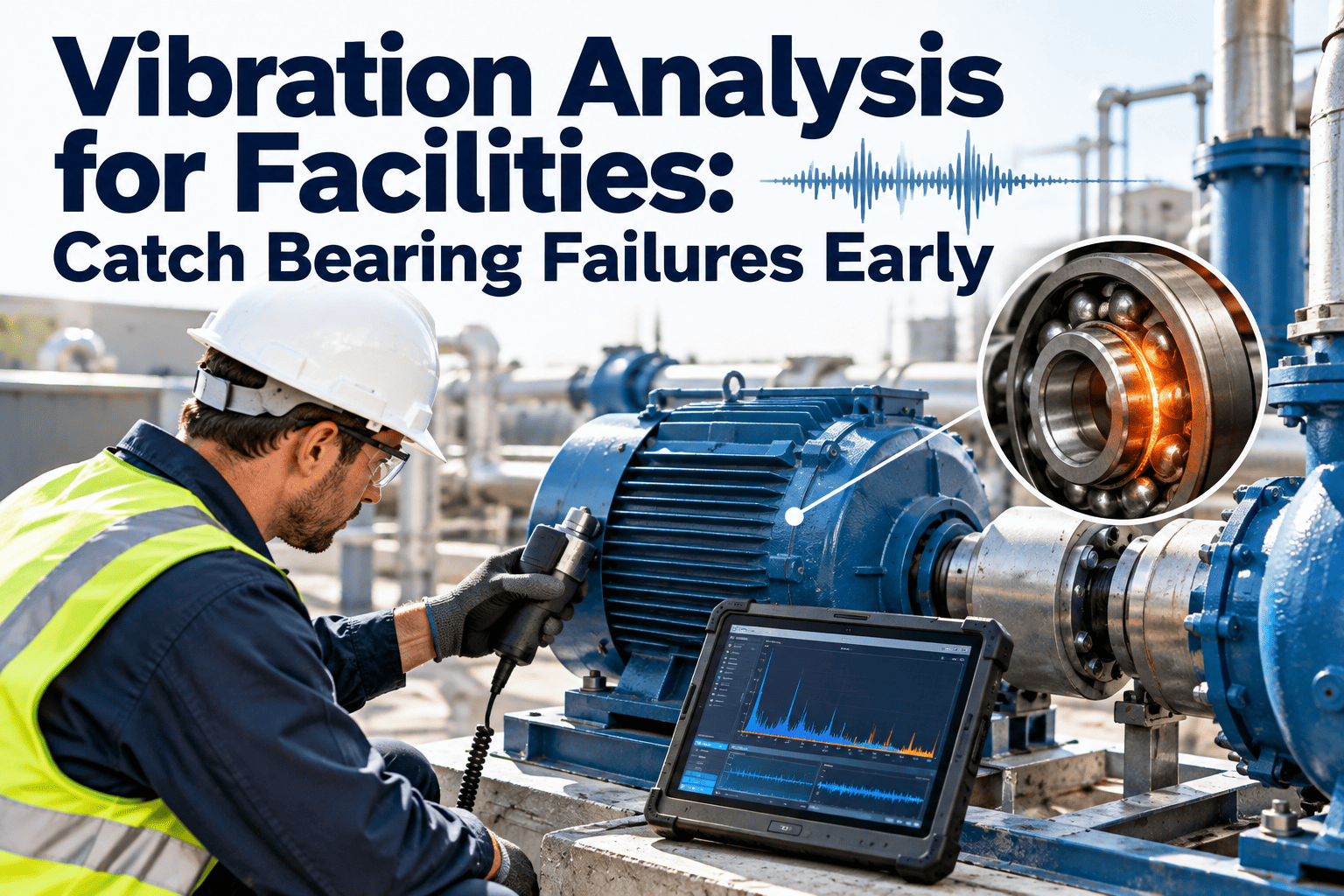
Early signs include unusual noises (grinding, knocking), excessive vibration, elevated amp draw, oil discoloration, frequent safety trips, and reduced capacity despite normal pressures. Vibration analysis and oil sampling detect internal wear months before complete failure.
How can CMMS prevent chiller failures?
CMMS automates inspection scheduling, tracks failure history, flags abnormal readings, and enables rapid root cause analysis. Facilities using CMMS report 70-75% fewer equipment failures because inspections happen consistently and findings trigger immediate follow-up.