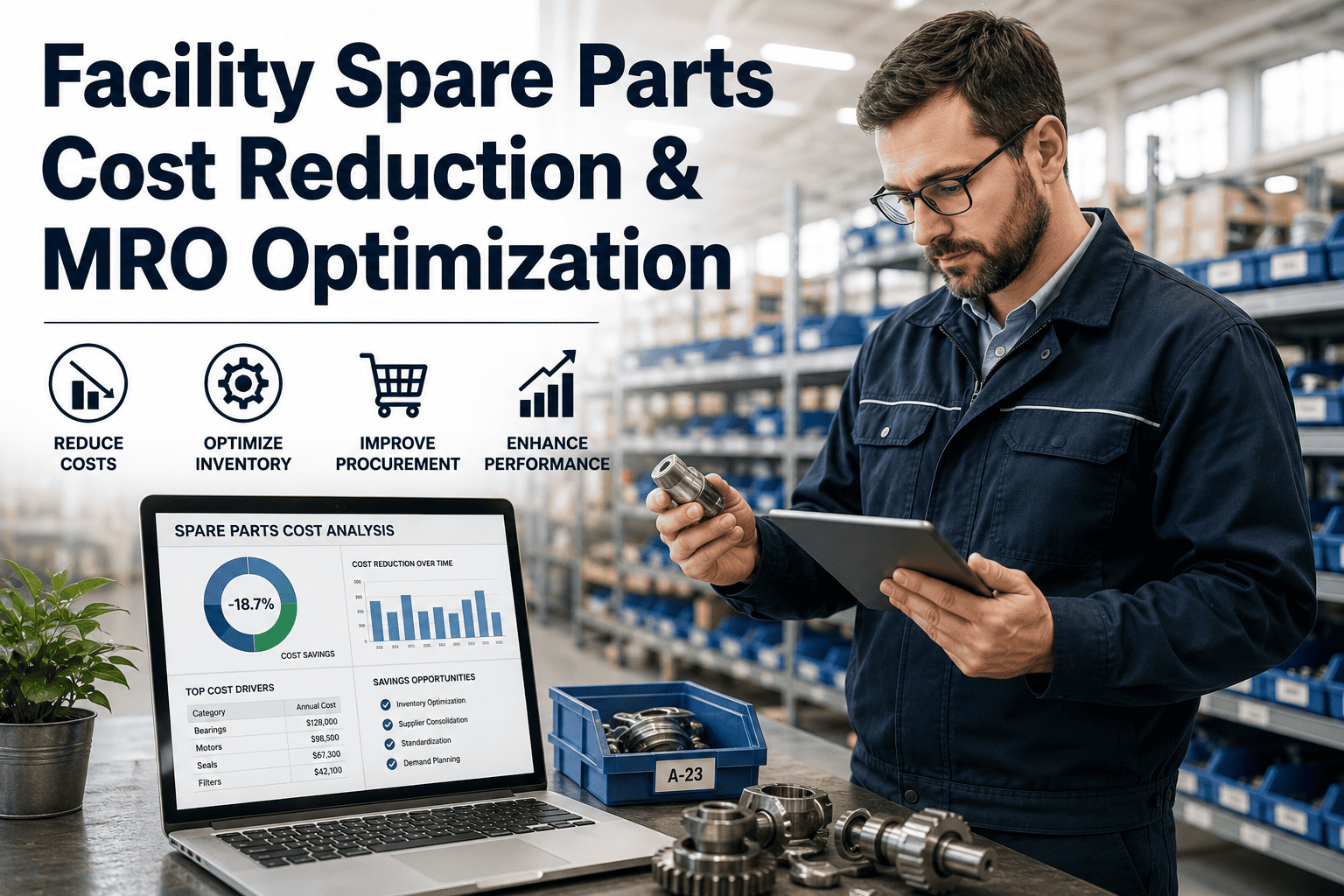
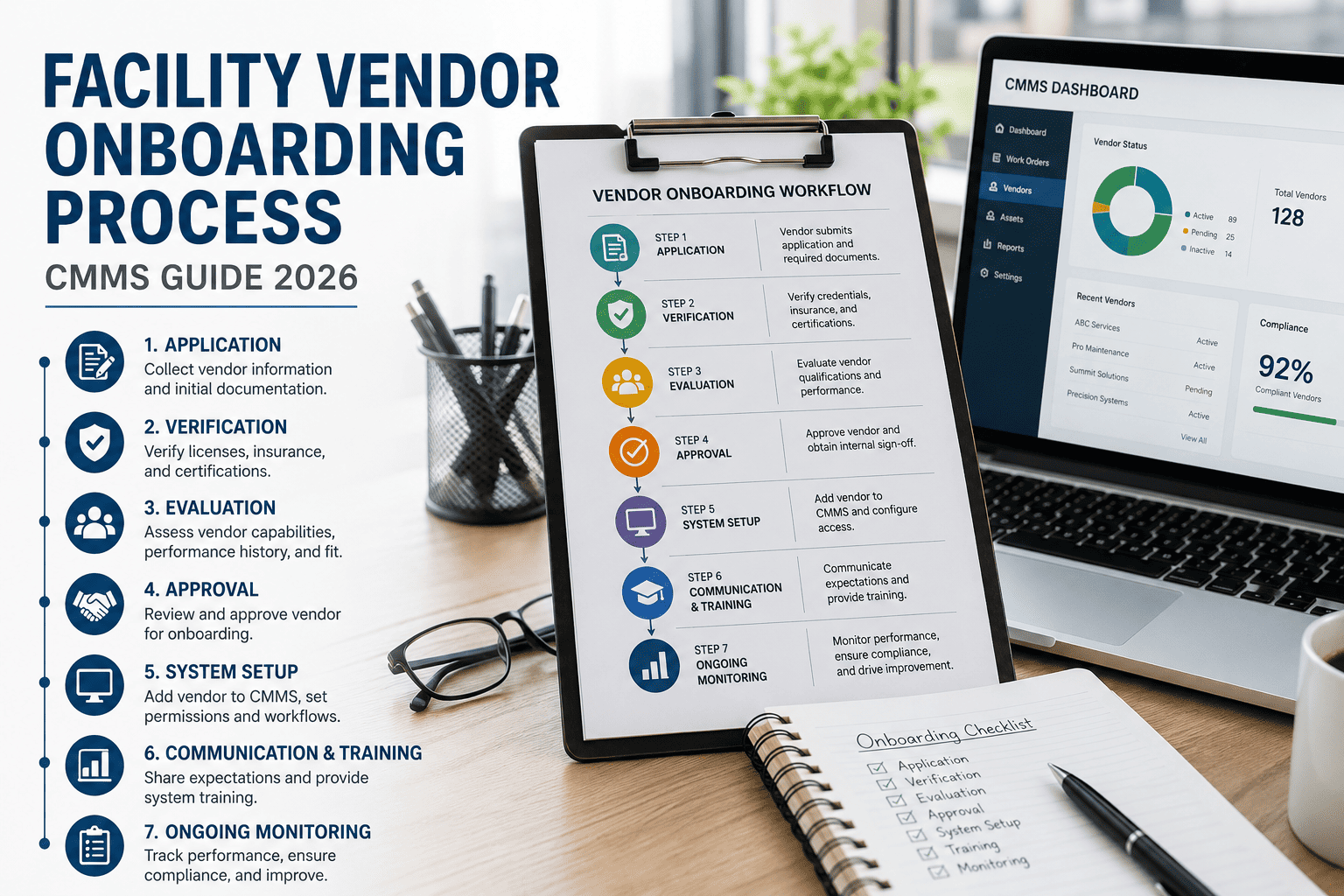
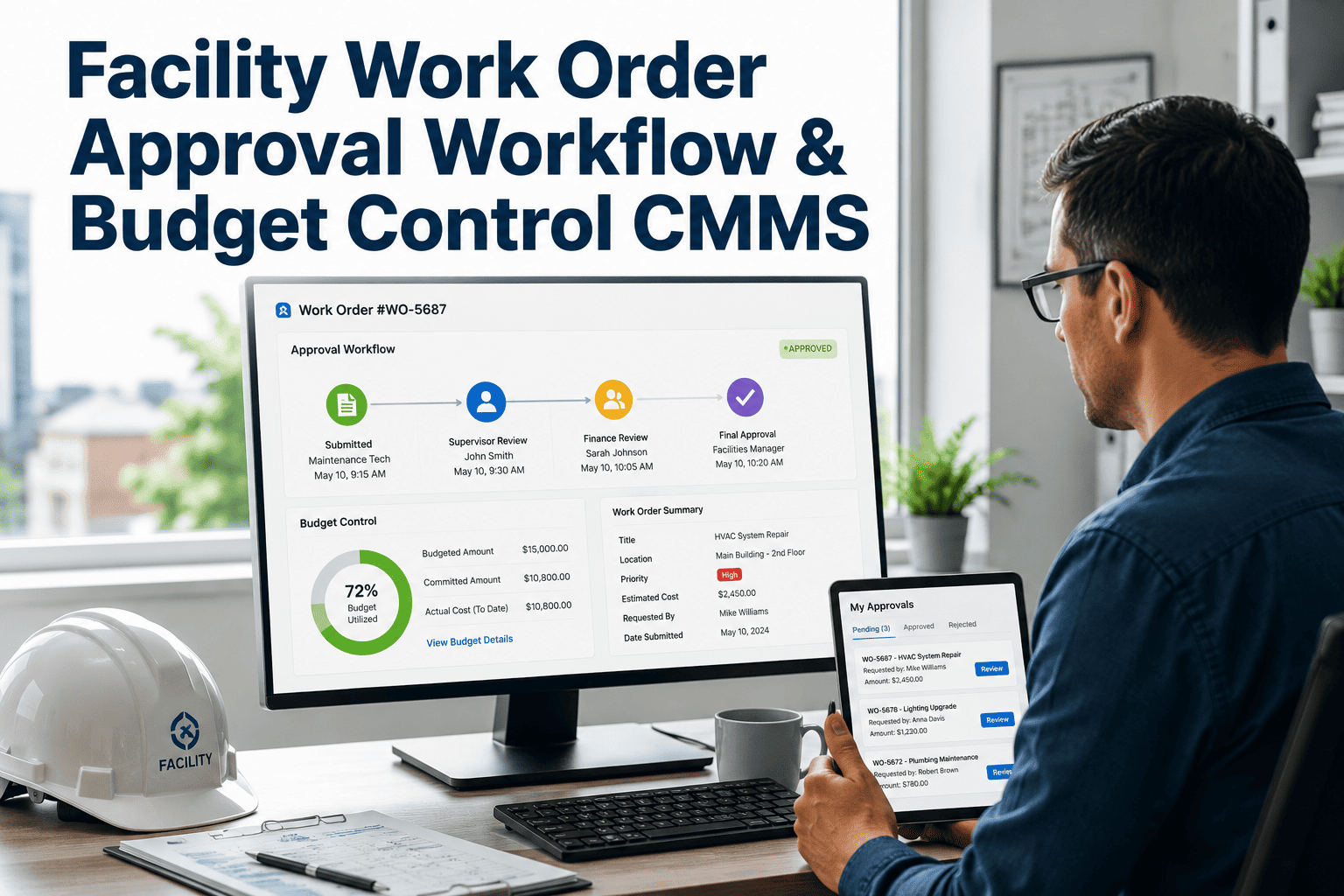
Every unplanned equipment failure exposes a critical truth: without the right spare parts on hand, maintenance teams are powerless. Yet maintaining inventory comes with its own costs—capital tied up in stock, storage expenses, and the risk of parts becoming obsolete. Spare Parts Inventory Optimization balances these competing pressures, ensuring critical parts are available when needed without excessive investment. Poor inventory management silently erodes profitability through emergency purchases, expedited shipping, and extended downtime. Modern CMMS platforms integrate inventory management with maintenance operations, enabling data-driven stocking decisions that reduce both stockouts and carrying costs.
This guide explains exactly what Spare Parts Inventory Optimization involves, what causes inventory inefficiencies, and provides proven strategies to achieve the right balance between availability and cost.
Stockout Costs
60-70%
of Inventory Loss
Extended Downtime
Emergency Purchases
Expedited Shipping Fees
Production Stoppages
VS
Carrying Costs
30-40%
of Inventory Loss
Storage Space Expenses
Capital Tied Up
Insurance Costs
Obsolescence & Waste
Optimization matches stock levels to risk: Critical parts get safety stock; commodities get lean.
The Math of Optimization
Inventory optimization isn't guessing; it's a calculation. By determining the exact Reorder Point (ROP) based on usage and lead time, you ensure parts arrive exactly when needed.
1
Daily Usage
Calculate average parts consumed per day
2
Lead Time
Days required for supplier to deliver
3
Safety Stock
Buffer added for demand/supply variability
4
Reorder Point
The specific stock level that triggers a new order
Formula:
(Daily Usage × Lead Time) + Safety Stock = ROP
The Hidden Costs of Poor Management
Beyond the obvious price of parts, poor inventory management creates a cascade of hidden costs that erode maintenance budgets.
01
Extended Downtime
Equipment sits idle waiting for parts. Each hour of downtime costs lost production revenue and labor.
02
Emergency Premiums
Rush orders and expedited shipping can cost 3-10x normal pricing for urgent parts.
03
Frozen Capital
Excess inventory locks capital that could be invested elsewhere. Carrying costs run 20-30% annually.
04
Obsolete Stock
Parts for retired equipment become worthless. Obsolete inventory is pure waste of previous purchases.
Automate Your Inventory Tracking
OXmaint tracks parts usage against work orders, automatically suggesting reorder points and alerting you before stockouts occur.
Strategies to Reduce Stockouts
Stockouts cause the most visible damage—equipment down, production stopped, emergency scrambles. These strategies ensure critical parts are available when needed.
ABC Classification
Categorize parts by criticality and value. Focus attention on "A" items.
Reduces critical stockouts by 40-60%
Equipment BOMs
Link spare parts to equipment. Know exactly which parts each asset needs.
30-50% faster failure response
Supplier Partnerships
Negotiate stocking agreements and vendor-managed inventory for high-volume items.
25-40% lead time reduction
Methodology Comparison: Min-Max vs Reorder Point
Different inventory control methods suit different situations. Choosing the right approach improves both service and efficiency.
Not Sure Which Method to Use?
OXmaint's inventory experts can help you analyze your spare parts usage and recommend the optimal strategy for your facility.
Inventory Performance Benchmarks
Where does your facility stand? These benchmarks help you assess your current performance against world-class standards.
World Class
Top 5% of organizations
98%+
Excellent
Top 25% of organizations
95-98%
Good
Industry Average
90-95%
Typical
Reactive Maintenance Environments
80-90%
Needs Work
High risk of downtime
<80%
Result: 20% less capital, 12% better service
Frequently Asked Questions
How much safety stock should I carry for critical spare parts?
It depends on criticality and lead time. For truly critical parts where stockout means production shutdown, target 99% service level—which may mean 2-3x average lead time demand as safety stock. Less critical items can operate with minimal buffer.
Schedule a chat to calculate your needs.
What inventory turnover ratio should we target?
Maintenance spare parts typically turn 1-4 times per year—much slower than production materials. A-items (high-usage) should turn 4-6 times; insurance spares for critical equipment may turn less than once per year. The goal is matching turnover to criticality.
How do we handle parts for equipment being phased out?
Create an equipment lifecycle inventory plan. Stop replenishing parts 6-12 months before retirement. Calculate remaining life requirements and reduce stock to match. At retirement, immediately flag all unique parts for disposal review.
Should we stock parts for brand-new equipment?
Yes, but strategically. During warranty, stock the most common failure parts based on OEM recommendations. After warranty expires, analyze actual failure history and adjust. Many organizations under-stock new equipment and scramble during early failures.
Take Control of Your Spare Parts
Oxmaint provides automated reorder alerts, usage-based demand forecasting, and integration with work orders to ensure you have the right parts at the right time—without excess investment.