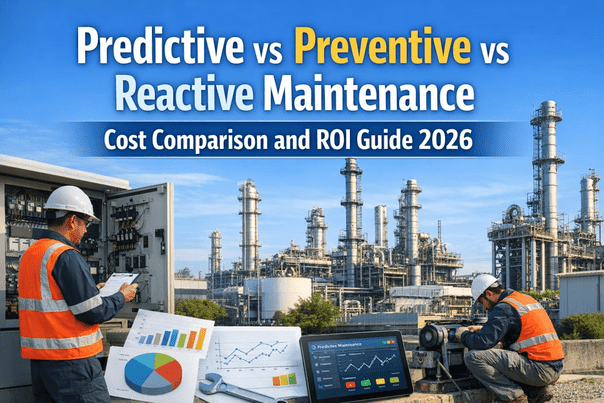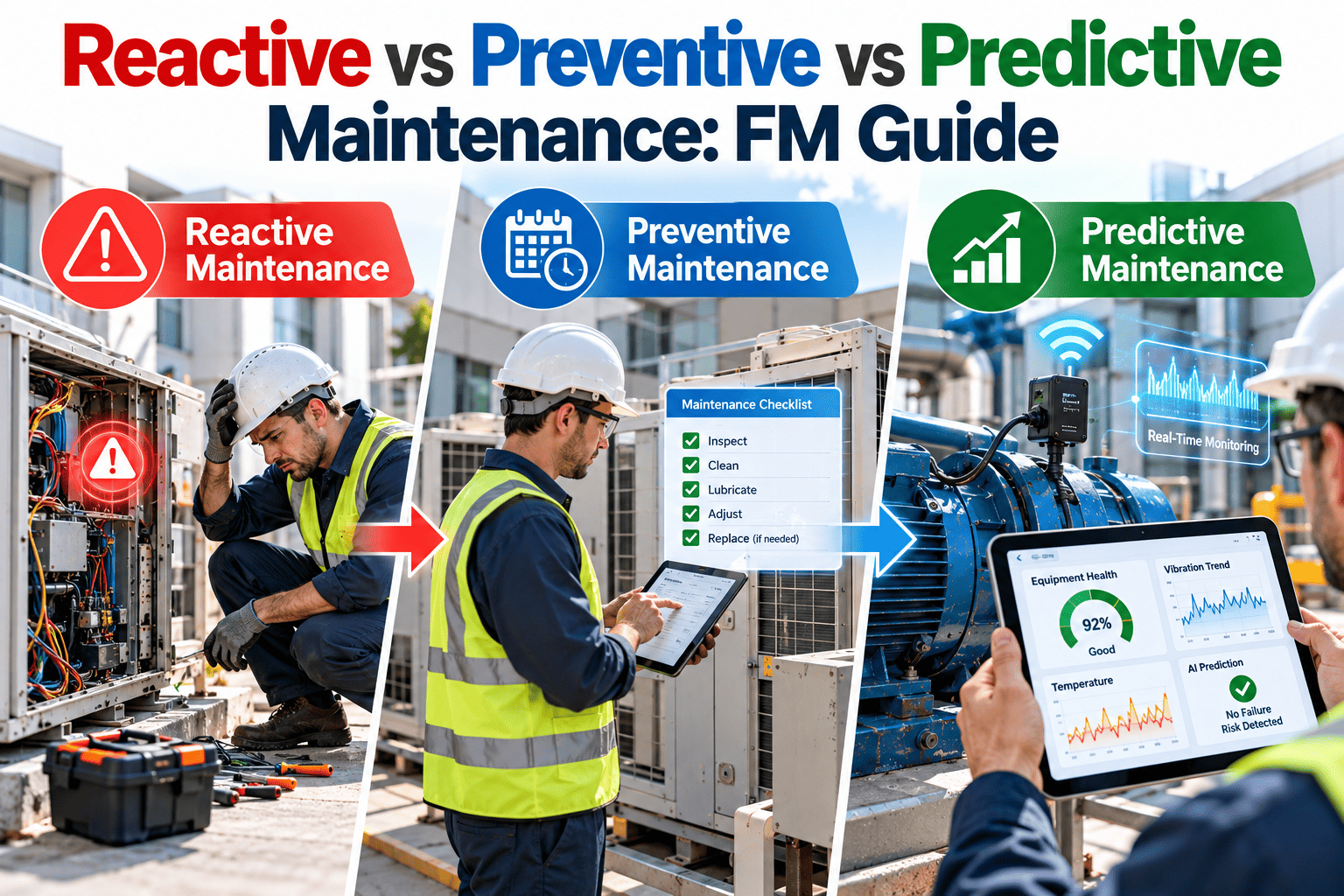
Every facility runs a mix of reactive, preventive, and predictive maintenance, whether or not anyone chose it on purpose. The problem is rarely one strategy being wrong. It is the same strategy applied to every asset, from a ceiling fan to a chiller plant. Cost, risk, and data readiness should decide the approach for each asset class. This guide gives a practical 2026 decision framework, aligned with SMRP thinking on maintenance strategy, and shows how a maintenance management system supports all three approaches in one workflow.
Reactive vs Preventive vs Predictive Maintenance: A Facility Management Decision Guide
Match the maintenance approach to the asset, not to habit. See where each strategy pays off, where it quietly costs more, and how to choose by criticality and failure behavior.
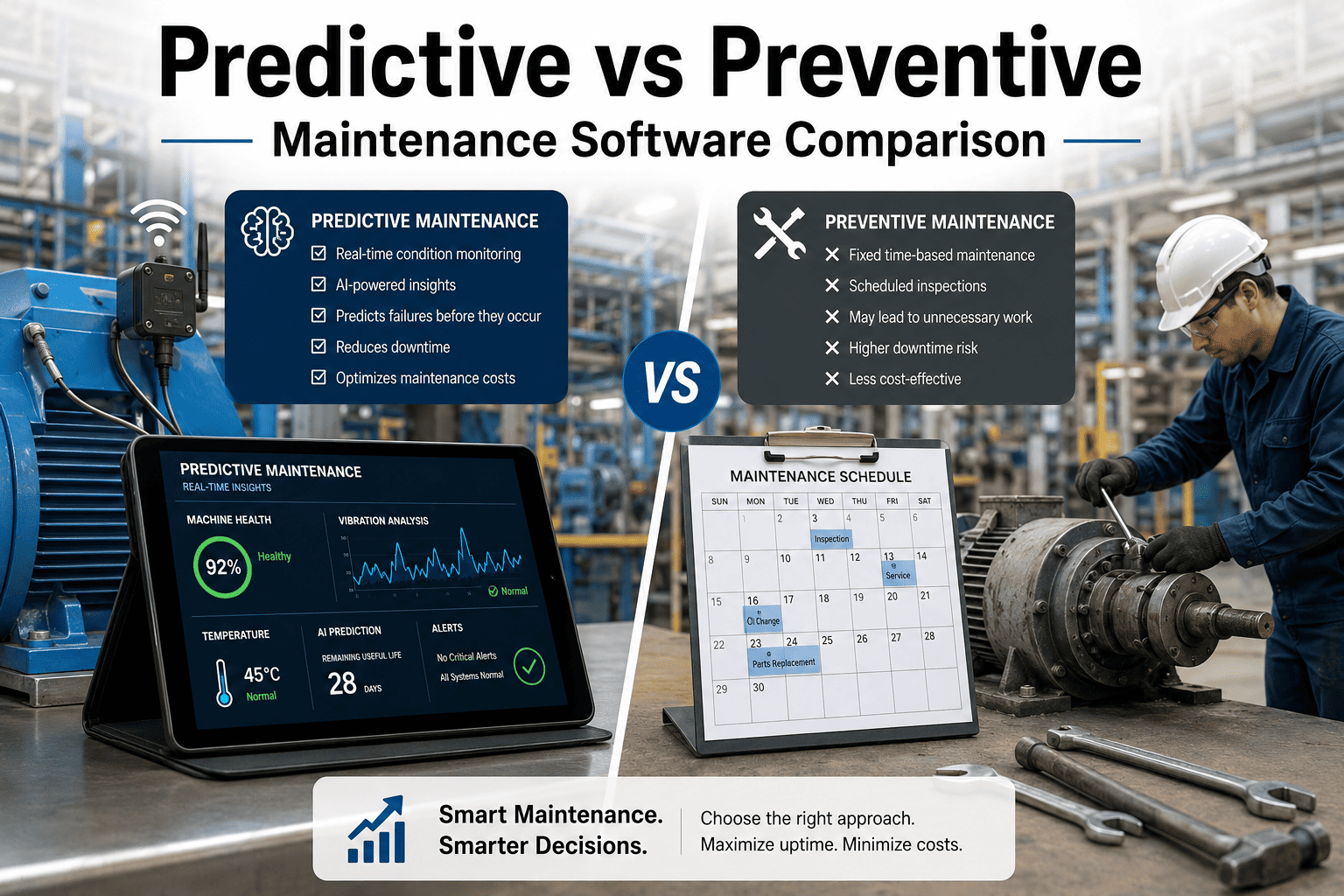
The three strategies in plain terms
Each approach answers a different question about when work should happen.
- Trigger: the asset fails or degrades visibly
- Planning: little or none
- Cost profile: low upfront, high when failure is critical
- Best for: low-cost, non-critical, easily replaced items
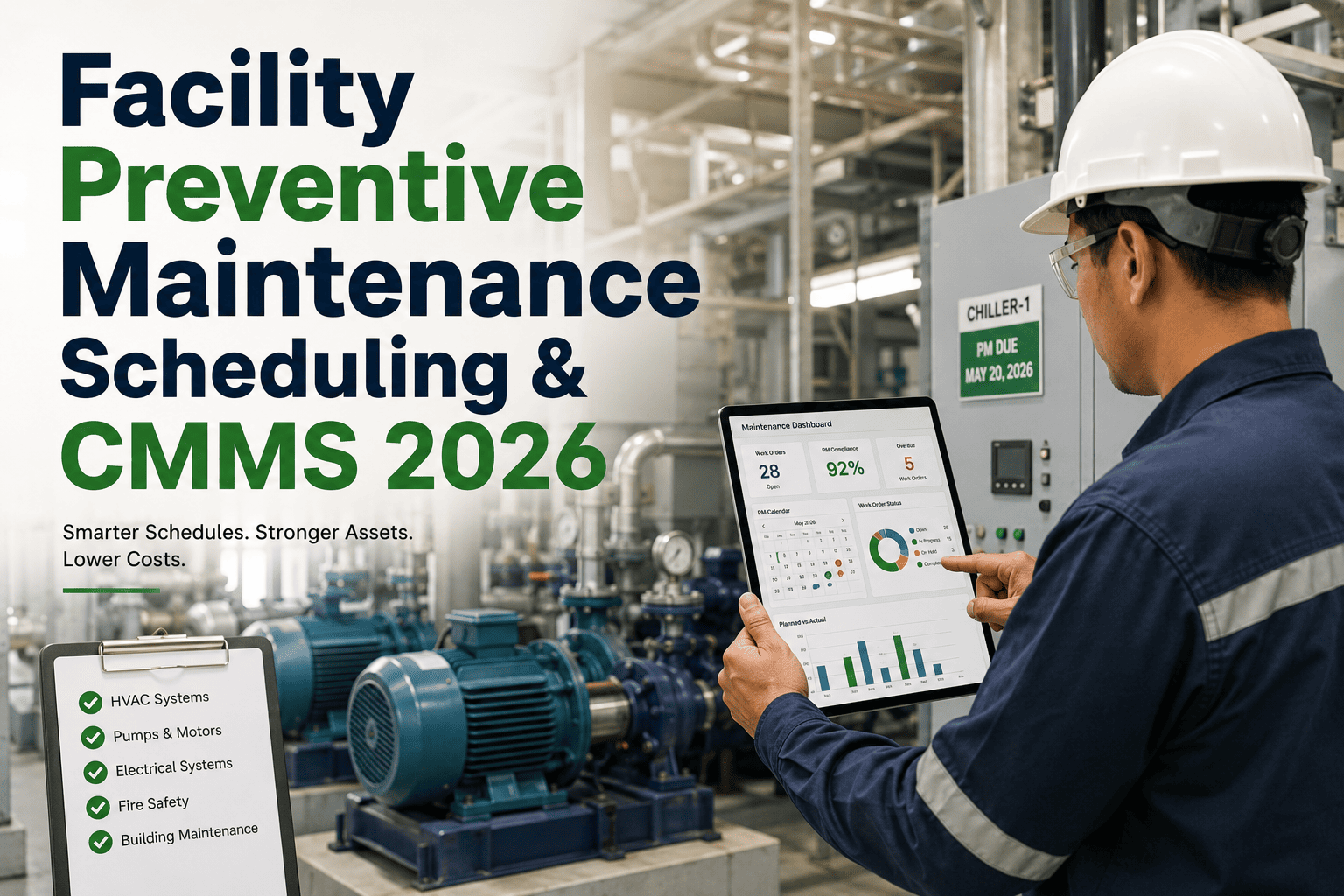
- Trigger: calendar, runtime, or usage interval
- Planning: scheduled tasks, parts, and labor
- Cost profile: steady and budgetable
- Best for: assets with age-related wear and known intervals
- Trigger: measured condition crosses a threshold
- Planning: work scheduled before functional failure
- Cost profile: sensor and analysis cost, fewer needless tasks
- Best for: critical or costly assets with detectable degradation
Where each strategy goes wrong
Every strategy has a typical failure pattern. Recognizing it helps you correct course.
A decision framework by asset
Ask the questions in order for each asset class. The first clear answer usually sets the strategy.
Run all three strategies from one system
Oxmaint handles scheduled tasks, condition-based triggers, and corrective work orders on the same asset record.
Typical strategy by facility asset class
This table is a starting point. Adjust it for your criticality ranking, manufacturer guidance, and failure history.
| Asset class | Primary strategy | Supporting strategy | Cost driver to watch |
|---|---|---|---|
| Chillers and large HVAC plant | Predictive | Preventive | Energy loss and unplanned downtime |
| Air handling units | Preventive | Condition checks | Filters, belts, coil fouling |
| Generators and transfer switches | Preventive | Inspection records | Compliance and test evidence |
| Elevators and escalators | Preventive (contractual) | Condition reports | Safety and tenant impact |
| Pumps and motors | Predictive | Preventive | Bearing and seal failure |
| Fire and life-safety systems | Preventive (code driven) | Inspections | Missed tests and records |
| Lighting and small fixtures | Reactive | Spot checks | Callout frequency |
What it really costs: a cost-per-asset view
Published percentage claims vary widely by site and source, so build your own numbers from work order history.
Compare cost per asset class, not per building
If an asset class shows rising unplanned labor and rush parts, its strategy needs to move up the ladder.
A maturity path that fits real teams
Few teams jump from reactive to predictive. A staged path avoids wasted spend.
Trends shaping strategy in 2026
- Lower-cost wireless sensors make condition monitoring viable on mid-value assets.
- Building management system data increasingly feeds maintenance triggers.
- Mobile inspections replace paper rounds and create searchable history.
- Finance teams ask for cost justification tied to asset data.
- Skilled labor shortages push teams to cut low-value scheduled tasks.
How Oxmaint supports each approach
KPIs that show whether the mix is working
Frequently asked questions
Is reactive maintenance ever the right choice?
Yes, for low-cost, non-critical assets where routine tasks cost more than the repair.
Is predictive always better than preventive?
No. It suits assets with detectable degradation and meaningful failure cost. Many assets still need scheduled tasks.
What should I do first?
Register assets and rank criticality. Book a demo to see that setup.
Do I need sensors to start predictive work?
Not always. Regular manual readings logged in work orders can reveal trends first.
Can one system manage all three?
Yes. Start free and put all work types on one asset record.
Choose the right strategy for every asset
Turn your maintenance mix into a deliberate, data-backed plan.