AI Cargo Inspection: Automated Freight Damage Detection
By Jack Miller on April 13, 2026
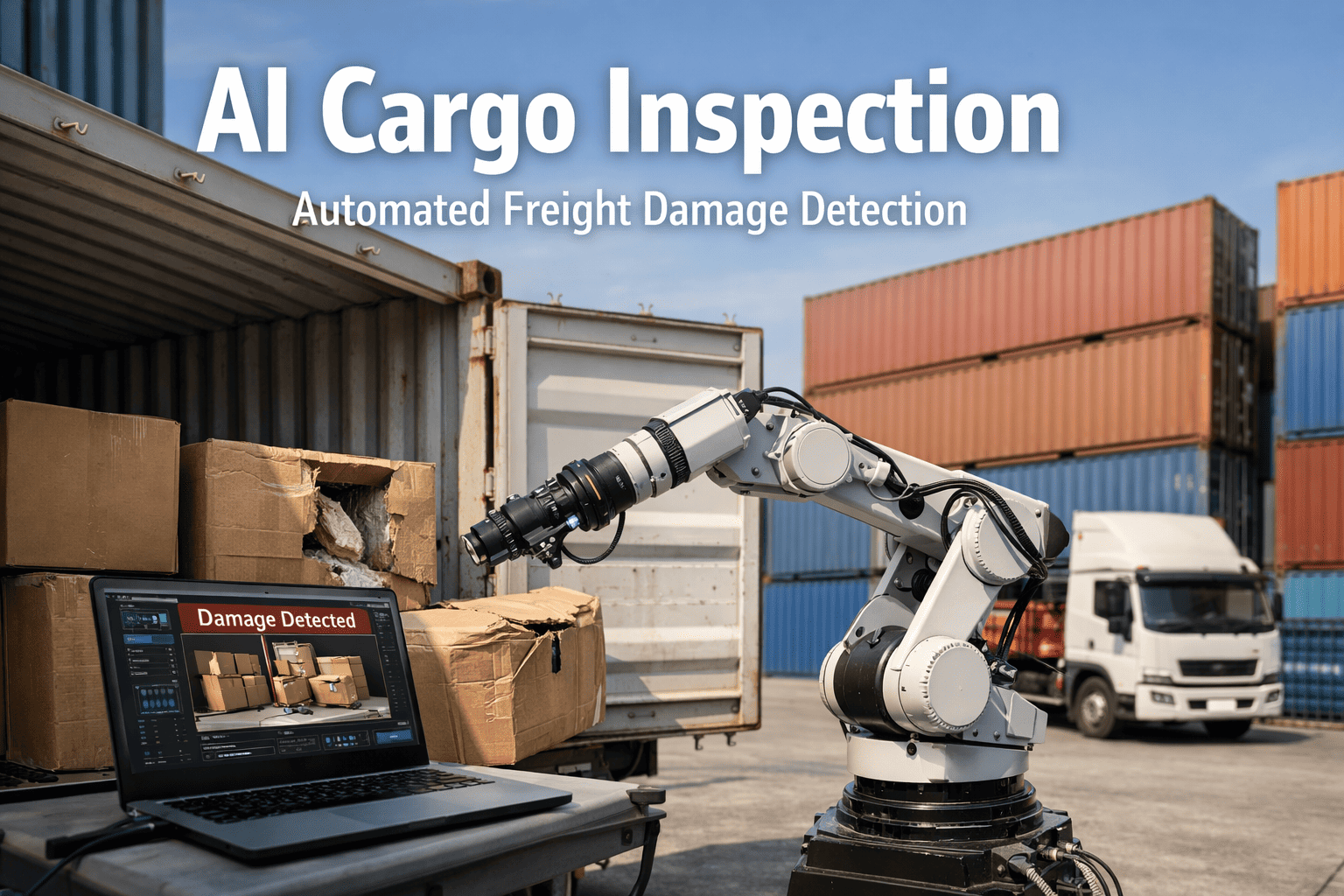
A freight brokerage operating out of Dallas was losing $2.3 million per year to cargo damage claims — not from accidents, but from undocumented damage that was already present when freight arrived at their distribution hub. The problem wasn't the damage itself. It was that loaders, dock workers, and drivers had no consistent, time-stamped, camera-verified system to document cargo condition at point of receipt. Claims came in weeks later, by which time accountability was impossible to establish and insurers were paying out on damage that happened before the load was ever accepted. AI cargo inspection cameras changed that equation entirely. Every pallet, every container, every load now gets a sub-second visual inspection at intake — packaging integrity, moisture exposure, load shift, and stacking compliance — all logged, timestamped, and linked to the specific shipment record. Sign in to OxMaint to deploy AI cargo inspection at your dock, or book a demo to see how the detection system performs on your freight types.
AI Computer Vision · Cargo Inspection · OxMaint Platform
Every Shipment. Every Pallet. Every Damage Risk — Detected Automatically at the Point of Receipt.
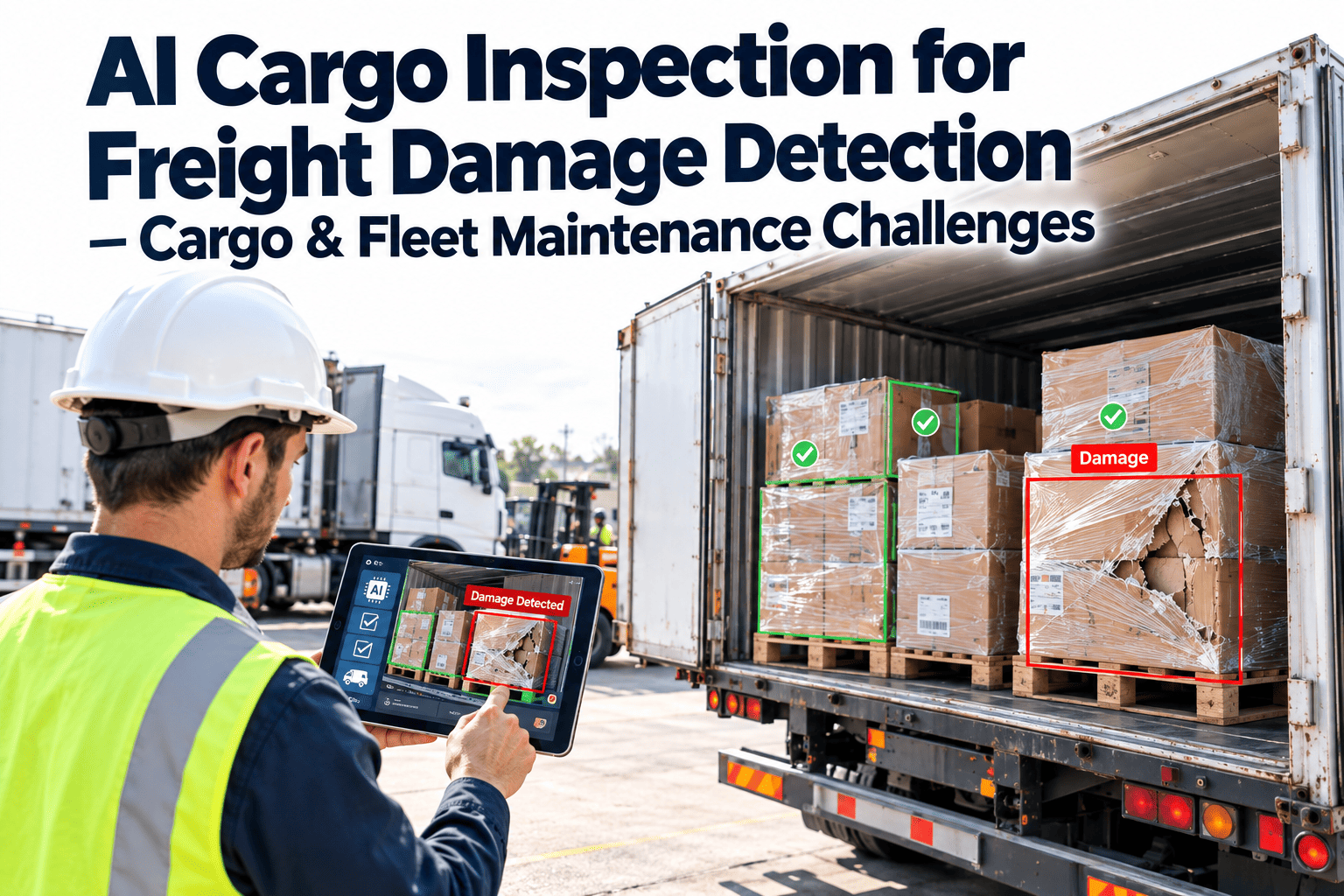
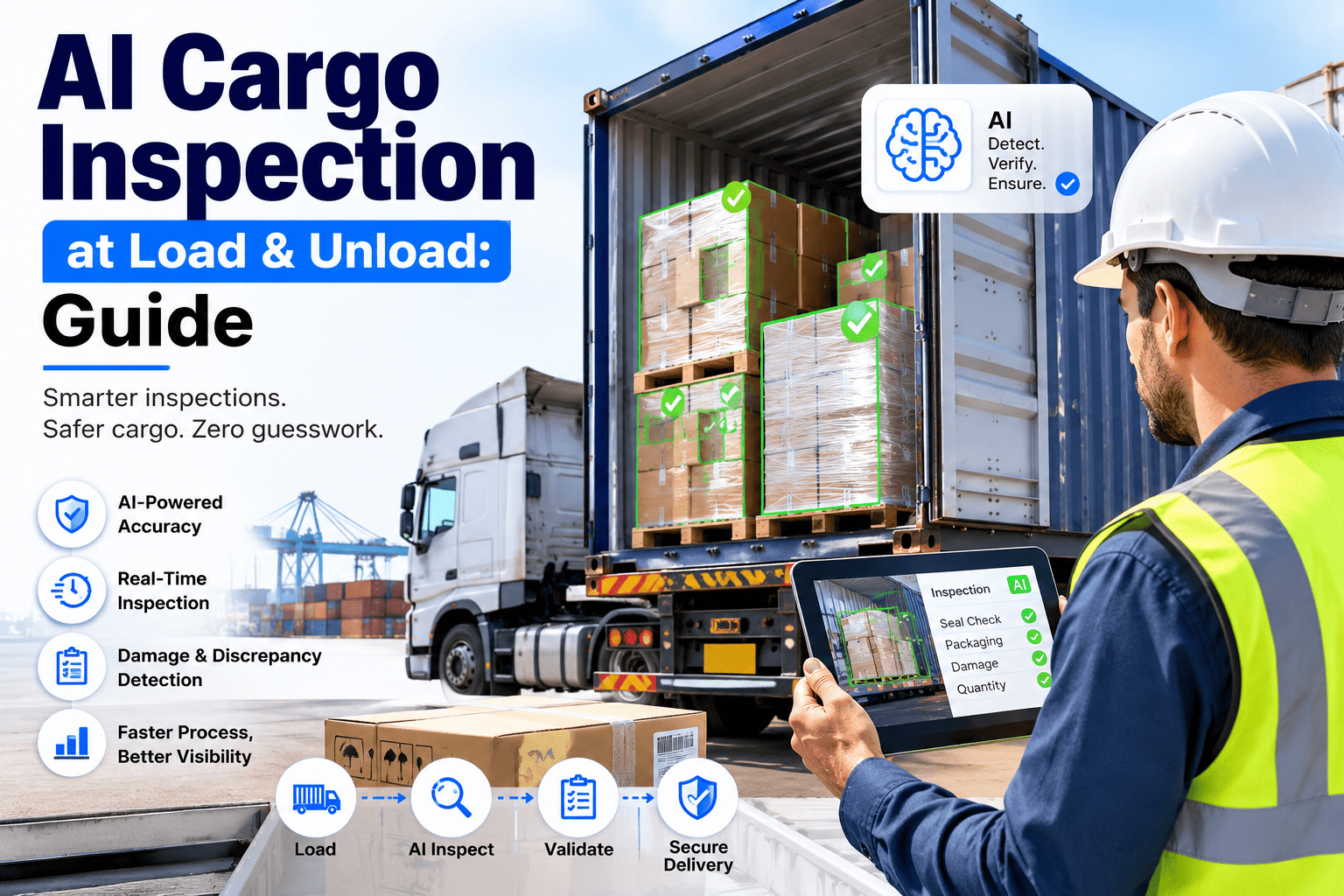
OxMaint AI cargo inspection cameras detect packaging damage, load shifting, moisture contamination, and improper stacking in real time — creating time-stamped, photo-verified condition records that protect your freight claims liability from dock to delivery.
annual US cargo damage and loss cost — largely driven by undocumented damage at handoff points
74%
of freight damage goes undetected at initial intake without AI camera inspection systems
97%
damage detection accuracy for packaging defects, crush damage, and moisture exposure with OxMaint AI vision
0.4s
per-pallet inspection time — AI visual scan at dock speed without slowing loading operations
$2.3M
In annual cargo damage claims at a single Dallas distribution hub — the majority attributable to undocumented pre-existing damage accepted without condition evidence. AI cargo inspection at point of receipt creates the time-stamped, camera-verified record that closes the accountability gap between shipper, carrier, and receiver.
Damage Classification System — What OxMaint AI Detects and Records
The Six Cargo Handoff Points Where AI Inspection Closes the Liability Gap
Inbound Dock Receipt
AI cameras capture cargo condition as loads enter the facility — before human handling begins. Time-stamped evidence establishes the exact condition at receipt, protecting against shipper claims for damage that occurred in transit.
Cross-Dock Transfer
Between inbound unload and outbound staging, loads change hands. AI inspection at each transfer point creates a condition record for every movement — identifying which handler, which shift, and which dock position corresponds to each damage event.
Trailer Loading Verification
Before the trailer doors close, AI cameras verify load compliance — stacking pattern, weight distribution, tie-down application, and pallet integrity. Non-conformances are flagged in real time before departure, not discovered at delivery.
In-Transit Load Monitoring
Forward-facing and cargo-area cameras detect load shift events caused by hard braking, cornering, or rough road conditions. The system correlates AI camera data with OBD driving events — creating a causal link between driver behavior and cargo damage.
Delivery Condition Capture
AI-guided delivery inspection on mobile prompts drivers to photograph each pallet before hand-off. Computer vision analyzes the photo in real time and flags any condition differences from the loading scan — completing the shipment condition chain of custody.
Returns Processing
Returned freight is AI-inspected at intake — verifying condition against the original dispatch record. Damage detected on return is automatically compared to departure photos, establishing whether damage occurred in transit, at delivery, or during customer handling.
How OxMaint AI Cargo Inspection Works — Dock to Data Record
AI Inspection Data Flow · Real-Time Capture to Claim-Ready Evidence
Step 1 · Scan
Camera Capture
Fixed dock cameras or mobile device captures multi-angle cargo image at 0.4s per pallet — no manual triggering required
→
Step 2 · Analyze
AI Classification
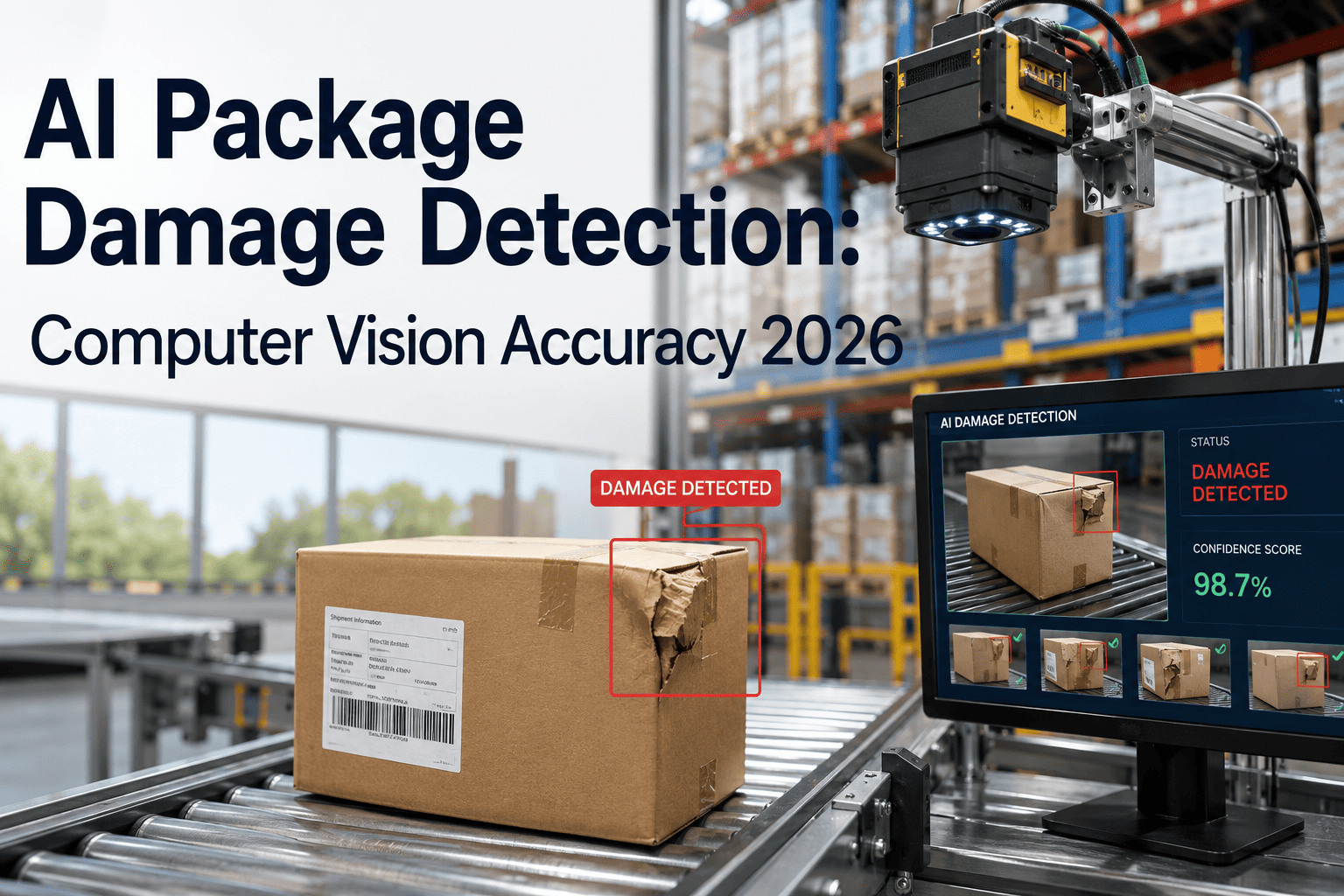
Computer vision classifies damage type, severity, and location — producing a structured finding report with confidence score
→
Step 3 · Record
Evidence Log
Finding, photos, timestamp, user ID, and shipment reference logged to OxMaint — searchable, exportable, claim-ready
OxMaint AI · Cargo Inspection · Computer Vision
Stop Accepting Undocumented Freight. Every Load Gets a Camera-Verified Condition Record.
Deploy AI cargo inspection at your dock in days — not months. Camera, AI model, and OxMaint integration included.
OxMaint AI Cargo Inspection — Full Feature Capability
Real-Time Damage Detection at Dock Speed
Fixed overhead cameras inspect every pallet at 0.4 seconds — no operator intervention, no slowdown, no bottlenecks. AI detects 16 damage categories with 97% accuracy across carton, pallet, container, and refrigerated freight types.
Chain of Custody Condition Records
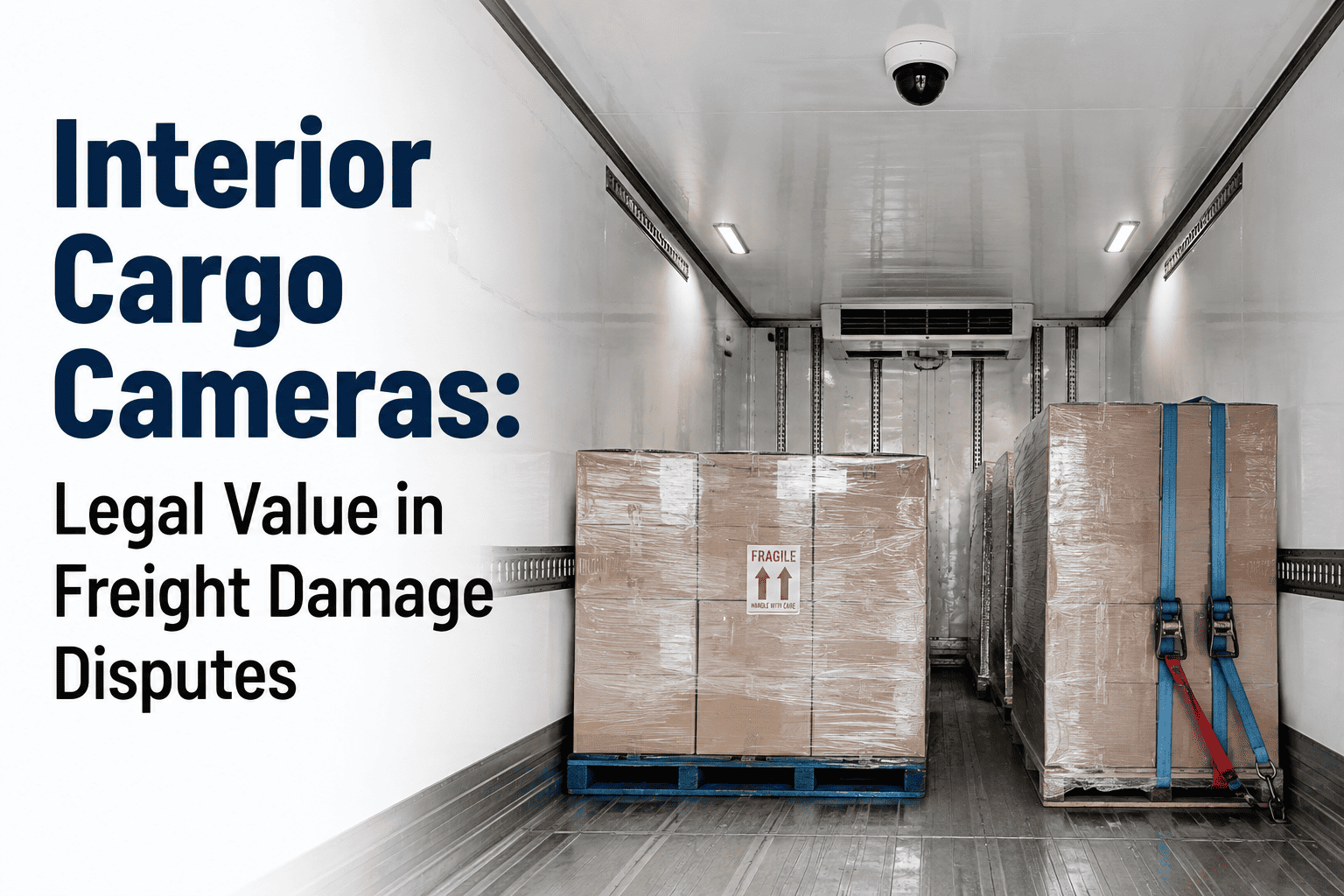
Every inspection creates a time-stamped, camera-verified evidence record linked to the shipment, driver, dock door, and OxMaint user. The condition chain from origin scan to delivery photo is unbroken — making freight claims defensible from both sides.
OBD + Camera Correlation for In-Transit Events
OxMaint links OBD driving event data — hard braking, cornering g-force, pothole impact — to cargo camera footage. When damage is discovered at delivery, the system automatically surfaces any in-transit events that may have caused it.
AI Digital Twin — Shipment Condition Modeling
OxMaint's digital twin tracks cargo condition across the full shipment lifecycle — modeling deterioration risk based on transit time, temperature exposure, and handling events. High-risk shipments are flagged for priority inspection before delivery.
Automated Exception Routing
Freight flagged with critical damage findings is automatically routed to the exception queue — notifying the quality supervisor, generating a hold work order, and preventing the damaged load from advancing through the outbound pipeline without review.
SAP / TMS / WMS Integration
Inspection findings sync to SAP, Oracle TMS, Manhattan WMS, and 3PL billing systems via API — creating shipment damage flags in the source-of-truth system without manual entry. Claim documentation packages are generated from OxMaint data on demand.
Cargo Type Coverage — What OxMaint AI Inspects
Freight Type · Palletized
Palletized General Freight
Carton crush, shrink wrap integrity, pallet board condition, stacking compliance, overhang, and tipping risk — inspected at dock intake in a single camera pass.
97%
detection accuracy
0.4s
per pallet
Freight Type · Cold Chain
Temperature-Controlled Freight
Moisture condensation, temperature indicator breach, reefer damage, insulation integrity, and cold chain label verification — cross-referenced with temperature logger data for complete cold chain compliance.
94%
detection accuracy
2-pass
inspection protocol
Freight Type · Hazardous
Hazmat & Regulated Freight
Hazmat label verification, placard compliance, outer packaging integrity, and segregation compliance — AI validates label presence and legibility against the manifest, flagging mismatches before loading.
99%
label detection
Pre-load
flag timing
Manual Dock Inspection vs OxMaint AI Camera System
Manual Dock Inspection
Speed2–5 min per pallet
EvidenceWritten note, no photo
ConsistencyInspector-dependent
Claims recordPartial — memory-based
Damage detection26% miss rate
VS
OxMaint AI Camera
Speed0.4s per pallet
EvidencePhoto + timestamp + AI report
Consistency100% standardized
Claims recordComplete chain of custody
Damage detection97% accuracy
Cargo Damage Detection Performance — OxMaint AI by Category
Damage Category
Detection Accuracy
Avg. Claim Value
Detection Speed
Evidence Output
Crush / Compression
98.2%
$1,200 – $8,400
0.3s per pallet
Photo + severity score
Moisture / Water Damage
96.5%
$800 – $12,000
0.4s per pallet
Photo + moisture map
Load Shift / Instability
94.8%
$600 – $5,200
0.5s per load
Photo + deviation flag
Seal / Packaging Breach
97.1%
$400 – $3,800
0.3s per unit
Photo + location marker
Hazmat Label / Placard
99.0%
Compliance fine: $16K+
0.2s per label
Photo + manifest compare
74%
reduction in undetected freight damage at receipt after AI inspection deployment — Dallas distribution hub
$2.3M
annual damage claim liability closed by establishing camera-verified condition at point of receipt
18 days
average claim resolution time reduced from 45 days — complete photo evidence eliminates disputes
"Before OxMaint AI inspection, we were fighting $340,000 in disputed claims every quarter. Every claim was a he-said-she-said. Within 60 days of deployment, we had timestamped photos on every receipt and our disputed claim rate dropped 81%. The system paid for three years of subscription in the first quarter."
— VP of Logistics Operations, 3PL provider, 4 distribution hubs, Southeast US
Every load accepted without camera-verified documentation is a liability you own without evidence to defend it.
OxMaint AI cargo inspection gives every dock the same evidence standard as a professional insurance surveyor — automatically, at dock speed.
Does AI cargo inspection work with existing dock cameras or does OxMaint require new hardware?
OxMaint integrates with most IP camera systems (ONVIF-compatible). New deployments use OxMaint-recommended 4K overhead dock cameras with AI edge processing — installed in a standard 4-hour dock configuration without operational downtime.
How does OxMaint link the cargo condition record to a specific shipment and driver?
OxMaint scans the shipment barcode, BOL number, or trailer plate at intake — linking every AI inspection finding to the specific PRO number, driver ID, and dock door automatically. The evidence chain is searchable by any shipment identifier.
Can AI-generated cargo inspection reports be used as legal evidence in freight claims?
OxMaint inspection records include UTC timestamp, GPS dock location, camera serial number, AI confidence score, and the original uncompressed image file — meeting the evidentiary standards accepted by freight claim arbitration, most major shippers' legal teams, and cargo insurers.
How does the system handle high-throughput docks with dozens of pallets per hour?
OxMaint AI processes at 0.4 seconds per pallet — a typical 40-door hub running 200 pallets/hour per door is well within system capacity. Multiple cameras can run simultaneously with findings aggregated to a single OxMaint dashboard per dock door or per shift.
Does OxMaint AI cargo inspection integrate with SAP TM or Oracle TMS?
Yes — OxMaint has API integrations with SAP TM, Oracle TMS, Manhattan WMS, and Blue Yonder. Damage findings auto-create exception flags in the TMS, trigger hold workflows, and generate claim documentation packages without manual system-switching.
Document Every Load. Defend Every Claim. Deploy AI Cargo Inspection Today.
Every undocumented handoff is a potential claim you can't defend. OxMaint AI closes the gap at the dock.