A regional delivery fleet running 240 step vans across the Northeast traded in 18 vehicles at the end of 2025 and was stunned by the resale numbers. Three vans valued at $14,200 in the trade-in book actually sold for $8,400 each because of subsurface corrosion on the rocker panels and frame rails — corrosion that had been forming for two years but had only become visible in the final six months. The fleet's pre-trip walkaround inspections caught nothing because the early-stage rust had been progressing under paint that still looked good to the human eye. AI vision systems trained on millions of vehicle images now detect corrosion 18–24 months earlier than human inspectors — early enough that protective coating treatments cost a few hundred dollars per vehicle instead of the structural repairs that follow. Paint and corrosion management is no longer a cosmetic conversation. It is a resale-value, structural-integrity, and DOT-compliance conversation. If your fleet still relies on visual walkarounds for body condition, sign up to try Oxmaint free for 30 days or book a demo.
Fleet Corrosion & Paint AI — 2026
AI Vision Systems Now Detect Subsurface Corrosion 18–24 Months Before It Becomes Visible to Walkaround Inspectors
98%
Defect detection accuracy
Modern vision AI exceeds human inspectors at identifying micro-cracks, subtle corrosion, and early wear
3–4%
GDP loss from corrosion
Documented economic impact of corrosion-induced failures across developed nations annually
20–30%
Defects missed by humans
Manual inspection blind-spot rate documented in fleet AI vision research
$8,500
Per-truck annual savings
Fleet repair cost reductions documented from early defect detection at scale
The Four-Stage Corrosion Progression — and Where AI Vision Catches It
Every corrosion event on a fleet vehicle progresses through four distinct stages. Human inspectors reliably catch stage 3 and stage 4 — by which point repair costs have multiplied 10x or more. AI vision systems trained on automotive corrosion datasets reliably identify stages 1 and 2, when intervention is cheap and damage is reversible. Book a demo to see the staging mapped against your fleet vehicle types.
S1
Surface Oxidation
First 0–3 months of exposure
Microscopic surface oxidation begins beneath the clear coat. Invisible to the human eye, undetectable on walkaround inspections. AI semantic segmentation flags color-space shifts in the 1–5 pixel range — the earliest possible intervention point. Treatment cost: $50–$150 per affected zone.
AI catches reliably
S2
Paint Bubbling & Discoloration
3–12 months progression
Subsurface rust expansion creates micro-bubbling under paint. Color shifts visible only under controlled lighting or to trained eyes. AI texture analysis catches sub-millimeter surface deformation human inspectors miss in 70%+ of cases. Treatment cost: $200–$500 per zone with protective coating.
AI catches reliably
S3
Visible Rust Bloom
12–24 months progression
Rust now visible on walkaround inspection. Paint integrity compromised. Body filler and panel repair required. The stage where most fleet inspections finally catch the problem — by which time repair costs have multiplied. Treatment cost: $1,500–$4,000 per affected panel.
Humans catch here
S4
Structural Penetration
24+ months neglected
Rust progresses through panel into frame, rocker, or load-bearing structure. DOT inspection findings, structural repair, or vehicle write-off territory. The stage where the resale value drops by 30–50% with no realistic recovery path. Treatment cost: $5,000+ or full replacement.
Already too late
Four Failure Modes That Cost Fleets Resale Value and Compliance
01
Pre-Trip Walkarounds Catch Late-Stage Damage Only
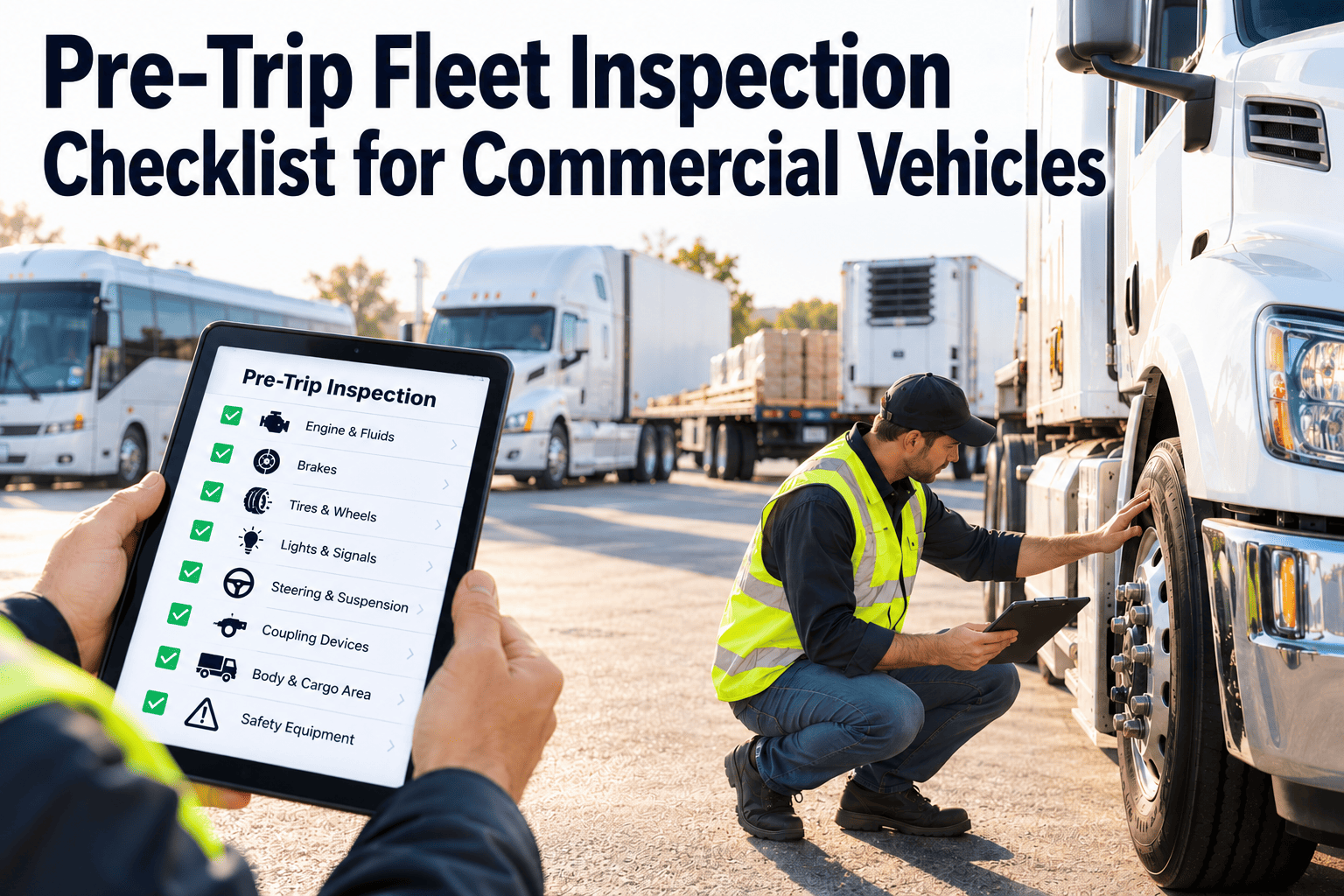
Drivers and yard inspectors looking for body damage are running pattern matching against visible cues — dents, scratches, visible rust. The 70% of corrosion damage that lives below paint or in undercarriage shadow areas never registers. Subsurface decay accumulates for 18–24 months before any walkaround flags it.
02
Climate & Salt Exposure Variance Across Fleet
A 240-vehicle fleet running across Northeast, coastal, and mountain regions has wildly different corrosion profiles per vehicle. Static maintenance schedules treat all vehicles identically. AI vision identifies which specific vehicles have accelerated corrosion based on actual condition, not regional averages.
03
Resale Value Erosion Invisible Until Trade-In
Fleet asset managers price replacement cycles around expected resale value derived from book guides. Subsurface corrosion is invisible to those guides — the truck values at $14,200 but transacts at $8,400 because the buyer's inspection caught what the fleet's didn't. Multiply by 18 vehicles per year and the math destroys the fleet's CapEx assumptions.
04
DOT Inspection Findings on Structural Corrosion
FMCSA inspections that identify frame rail or rocker corrosion put vehicles out of service immediately. The roadside finding that should have been a $200 protective coating treatment 18 months earlier becomes a multi-day repair, lost revenue, CSA score impact, and insurance premium increases that compound across the fleet.
Fleet AI Vision That Sees What Walkarounds Miss
Catch Corrosion at Stage 1. Save $4,000 Per Vehicle. Protect Your Resale Value.
Oxmaint integrates AI paint and corrosion detection directly into the maintenance workflow — every vehicle inspection captures the data, every degradation pattern triggers a work order, and every dollar of resale value gets protected before the trade-in surprise happens.
How Oxmaint Manages Fleet Paint & Corrosion Detection
01
AI Vision Inspection Workflow
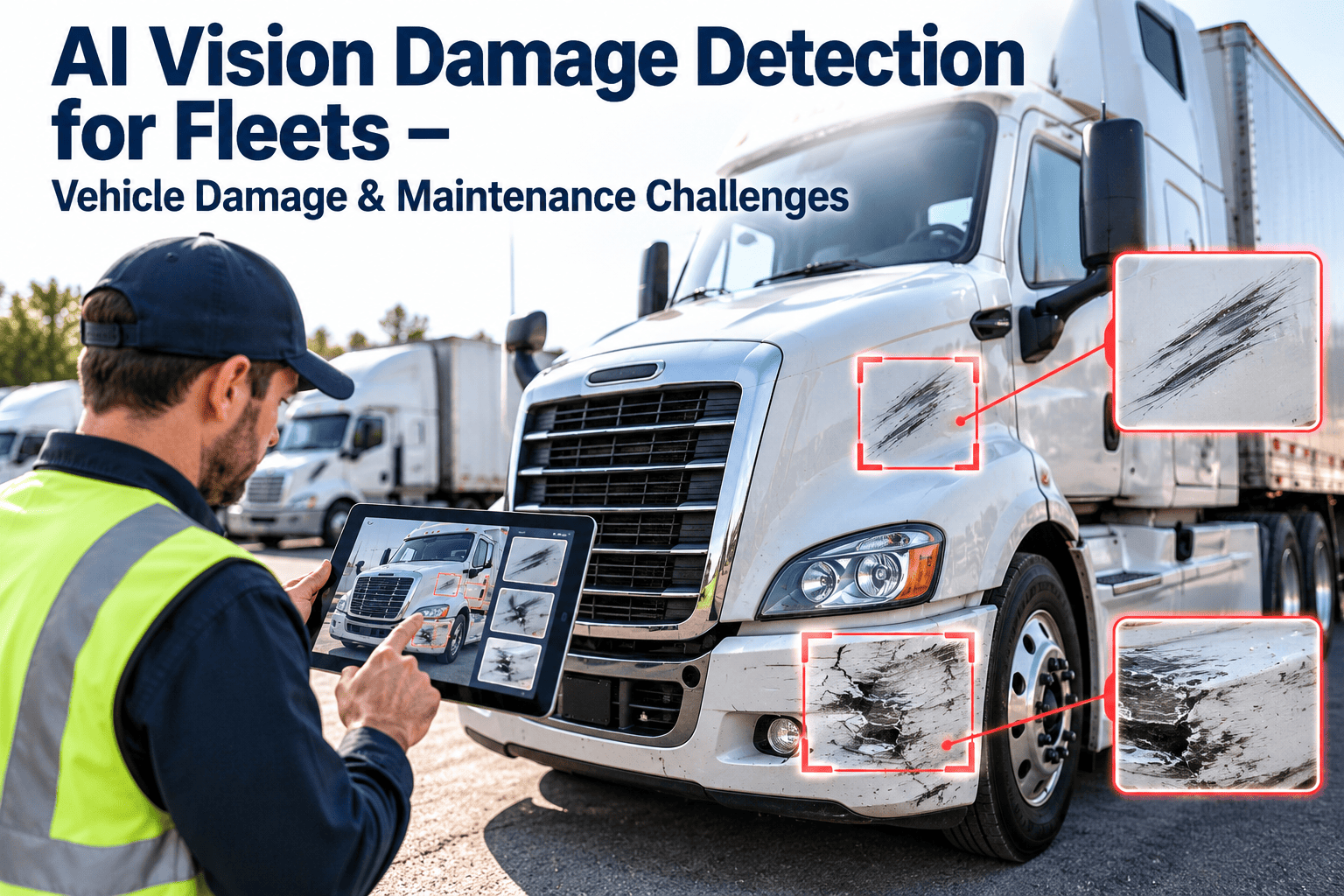
Drivers or yard inspectors capture guided image sequences using their phones during routine inspections. CNN models trained on automotive corrosion datasets analyze each image, segment corrosion regions at the pixel level, and classify severity (light/medium/heavy) per panel.
98% defect detection accuracy on body and undercarriage
02
Stage-Based Severity Scoring
Each detected corrosion zone scored against the 4-stage progression model. Stage 1 and 2 findings generate preventive treatment work orders. Stage 3 escalates to body shop scheduling. Stage 4 triggers DOT compliance review and asset replacement evaluation.
Right intervention at right stage — no over- or under-repair
03
Per-Vehicle Corrosion Heatmap
Each vehicle in the fleet carries a longitudinal corrosion heatmap showing affected zones, progression rate, and intervention history. Asset managers see which units are degrading fastest, which need protective treatment, and which are approaching write-off territory — months before resale.
Resale value preserved through proactive intervention
04
Climate & Route-Adjusted Models
Vehicles operating in coastal, salted-road, or industrial-exposure regions tracked against region-specific corrosion baselines. The truck running South Florida coastal routes is benchmarked against similar exposure peers, not Phoenix-based vehicles in the same fleet.
Apples-to-apples corrosion benchmarking by exposure
05
Body Shop Work Order Integration
Every detected corrosion zone converts to a work order with annotated images, severity classification, recommended treatment, and estimated cost. Body shops receive standardized work briefs instead of "rust on rear quarter panel" verbal handoffs that lead to scope drift.
Body shop scope creep eliminated, repair quality auditable
06
Resale & Trade-In Documentation
Complete corrosion history per vehicle exports as part of the trade-in package. Buyers see proactive maintenance evidence instead of flagging issues during their own inspection. Trade-in values protected by documentation that proves the asset wasn't neglected.
Resale value protected with auditable inspection history
Walkaround Inspection vs AI Vision Detection
| Detection dimension | Walkaround inspection | Oxmaint AI vision detection |
|---|
| Earliest stage caught | Stage 3 — visible rust | Stage 1 — surface oxidation |
| Detection accuracy | 60–80% of visible defects | 95–99% of all defects |
| Subsurface corrosion | Not detected | Detected via texture analysis |
| Per-vehicle history | Limited paper notes | Continuous longitudinal heatmap |
| Climate adjustment | None — same checklist | Region-specific baselines |
| Treatment cost at detection | $1,500–$5,000+ per zone | $50–$500 per zone |
| Resale value protection | Reactive — fix before trade | Proactive — documented history |
Frequently Asked Questions
Does this require special hardware or just smartphones?+
Smartphone cameras are sufficient for the majority of fleet corrosion detection use cases — modern phone sensors capture image resolution far above what AI models need. For drive-through inspection lanes serving large fleets at scale, fixed camera arrays under controlled lighting deliver the highest accuracy. Most fleets start with smartphone-based capture during existing pre-trip inspections and add fixed camera infrastructure for high-value asset classes.
Book a demo to see both deployment patterns.
What kinds of vehicles does the model work on?+
CNN models trained on automotive corrosion datasets work across passenger cars, light trucks, step vans, box trucks, tractor units, trailers, and heavy-duty Class 7–8 trucks. Each vehicle class carries its own baseline reference and corrosion pattern library. Specialty equipment (refuse trucks, agricultural vehicles, marine fleet) requires class-specific training but follows the same core methodology.
How do drivers or inspectors actually use this in the daily workflow?+
During the standard pre-trip or post-trip inspection, the driver opens the Oxmaint app and follows a guided photo sequence — typically 8–12 images covering the four sides of the vehicle, the undercarriage, and the wheel wells. Total time: 90–120 seconds. AI analysis happens in the background. Findings appear in the fleet manager's dashboard within minutes, not days.
How does the system handle false positives?+
Modern AI corrosion models distinguish active corrosion from staining, brake dust, road grime, and inactive surface discoloration with high reliability. False positive rates run below 5% on properly trained models. Suspicious flags route to a body shop technician for confirmation before becoming a work order. Over time, the model learns from each fleet's specific vehicle types and conditions, with false positive rates declining further.
What's the typical ROI of fleet AI corrosion detection?+
Three documented return streams: (1) early treatment cost savings — catching at Stage 1/2 instead of Stage 3/4 typically saves $1,500–$4,000 per affected vehicle, (2) resale value preservation — average uplift of $3,000–$6,000 per trade-in unit through documented condition history, and (3) DOT inspection avoidance — out-of-service findings on structural corrosion are largely eliminated. Most fleets report ROI within 60–90 days of deployment.
Fleet Paint & Corrosion AI — Oxmaint
See the Damage 18 Months Before It Becomes a Problem.
AI vision-trained corrosion detection integrated into your daily inspection workflow. Stage 1 surface oxidation flagged before paint bubbles. Stage 2 subsurface corrosion treated before structural penetration. Resale values protected, DOT findings eliminated, and the body shop scope drift problem closed for good.
98%
Detection accuracy on body and undercarriage
18–24 mo
Earlier detection vs walkaround inspection
$8,500
Per-truck annual repair savings documented
90 days
Typical ROI achievement timeline