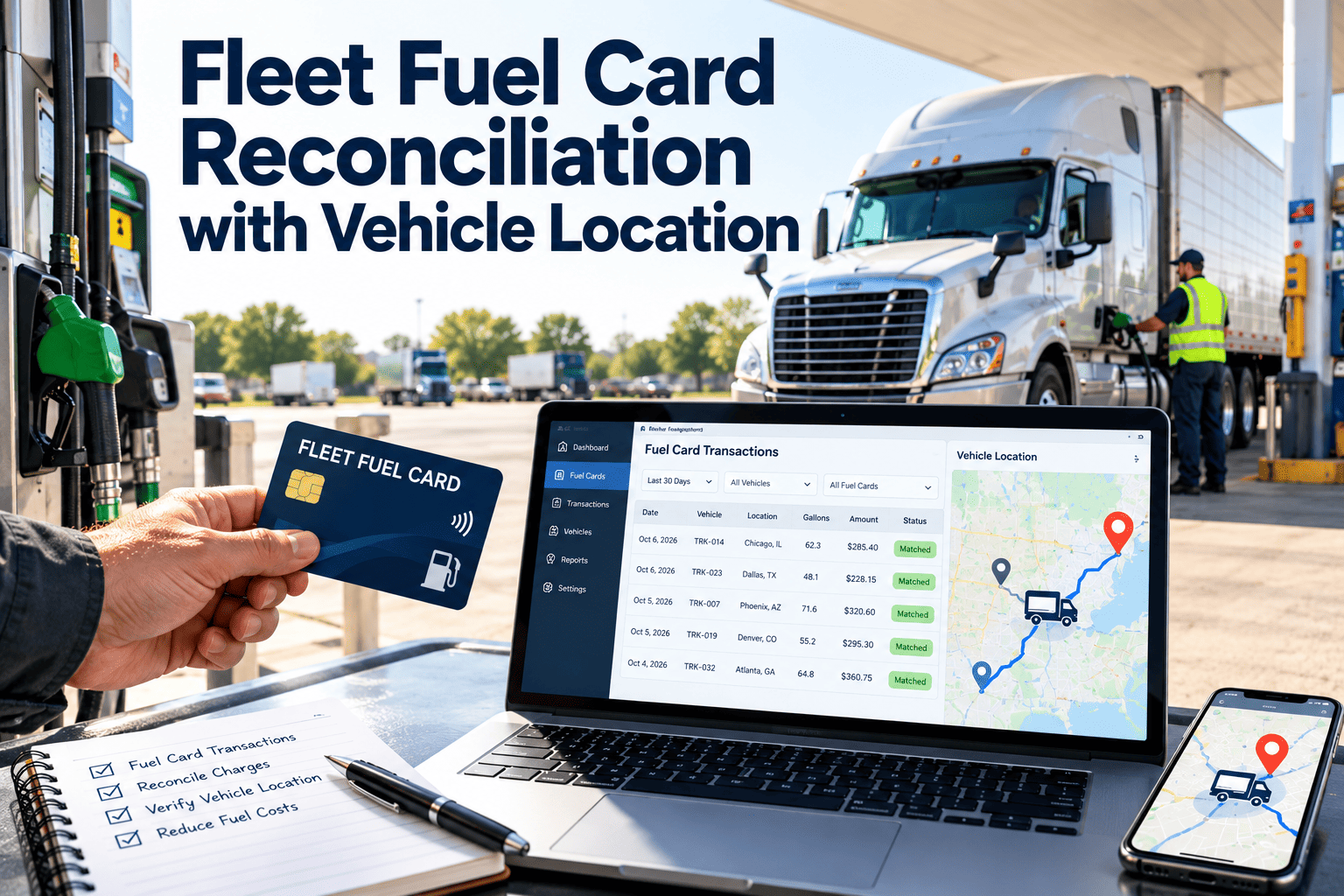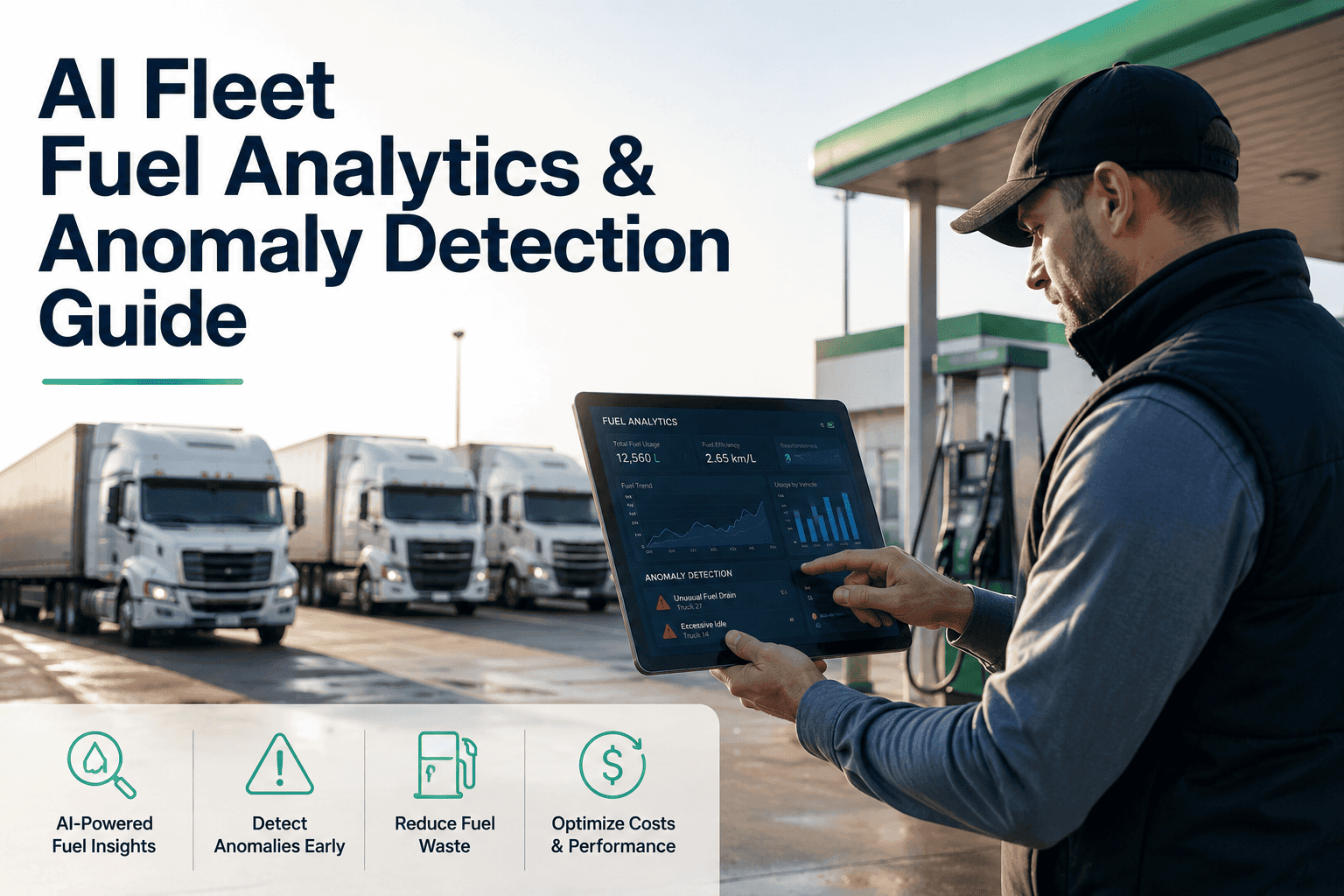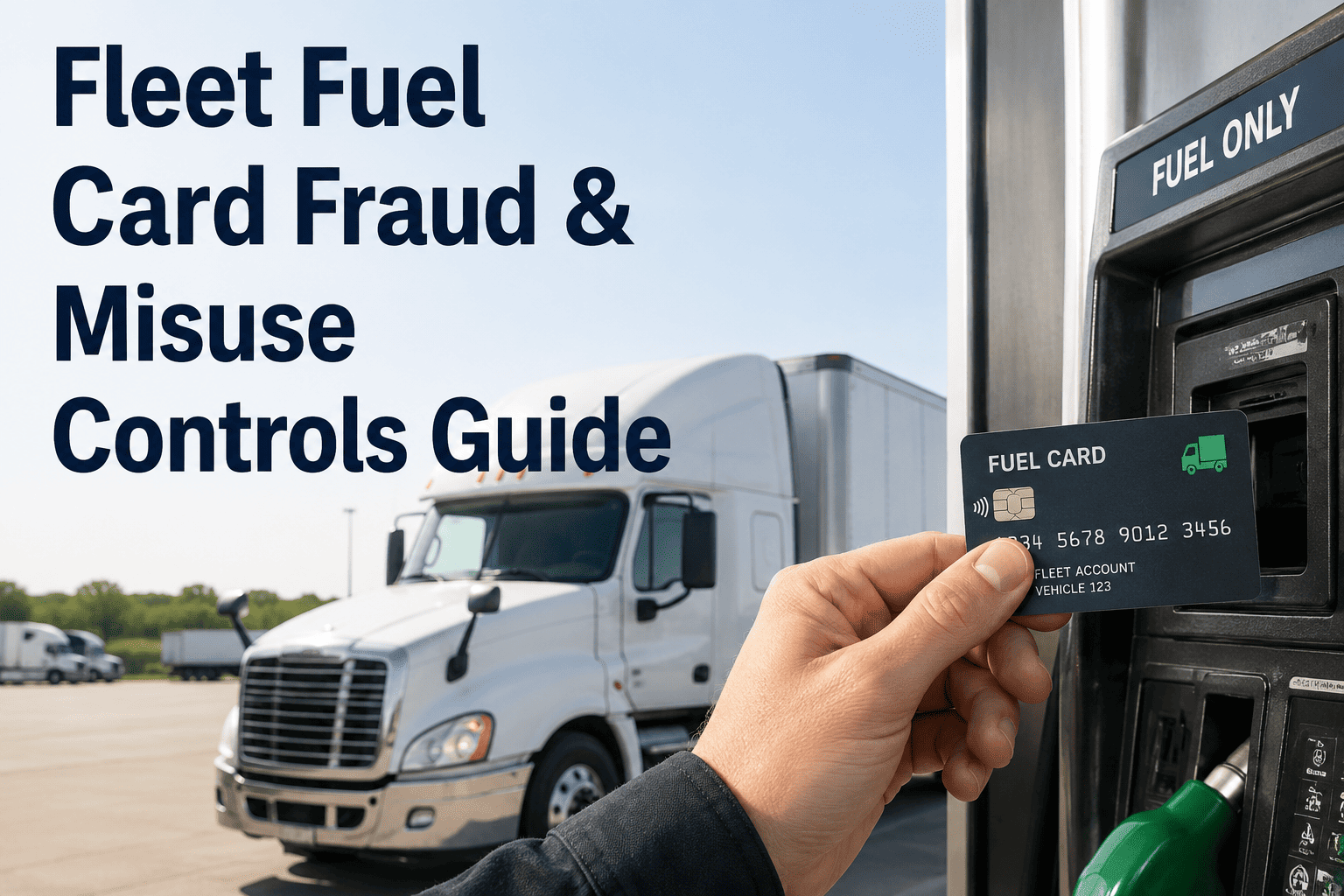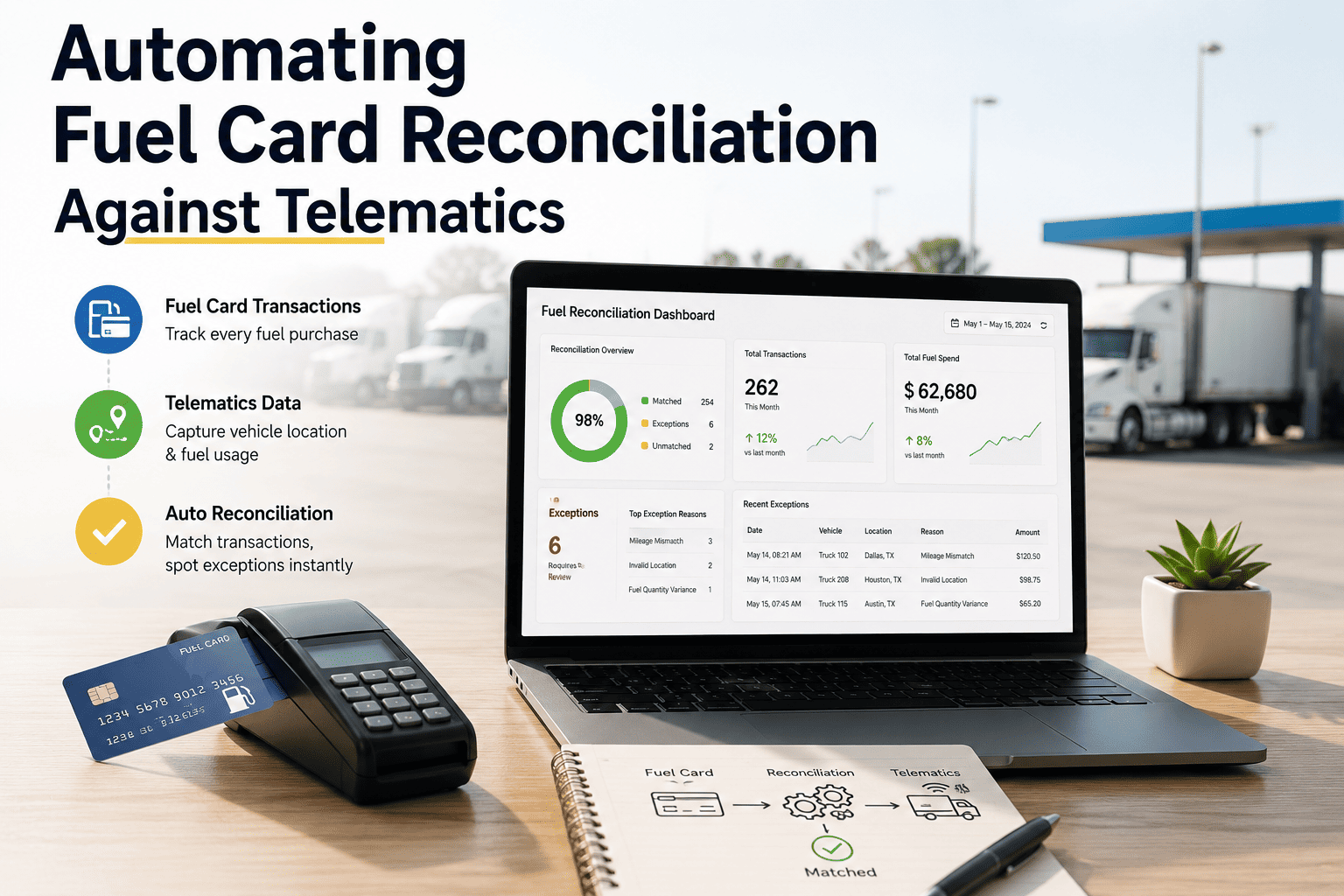
Fleet fuel spend typically ranks as the second-largest operating cost after driver wages, yet it remains the least scrutinized line item on most fleet budgets. Industry data shows that 19% to 22% of fleet fuel expenses are lost to fraud, misuse, and reconciliation errors every year — losses that compound silently across thousands of transactions per quarter. Manual reconciliation, where teams download statements, sort by vehicle, and cross-reference mileage logs, takes 2 to 3 days per month for a 50-vehicle fleet and still misses the patterns that signal theft or card misuse. Automated fuel card reconciliation against telematics data eliminates this blind spot by matching every purchase to GPS-verified vehicle location, actual mileage, and expected consumption in real time. Platforms like OxMaint integrate fuel card transactions with telematics and maintenance data in one system, so your team reviews exceptions instead of auditing every transaction manually. Ready to stop the leaks? Book a free demo and see automated reconciliation in action.
Automating Fuel Card Reconciliation Against Telematics: The Fleet Manager's Complete Guide
Match every fuel purchase to GPS location, vehicle mileage, and consumption data automatically — catch anomalies in minutes, not months.
Manual vs. Automated Reconciliation: The Real Difference
Most fleets still reconcile fuel cards the old way — downloading CSV files, sorting by vehicle ID, and hoping someone spots the anomalies. Here is what changes when you automate the match against telematics data.
How Automated Fuel Card Reconciliation Works
Automated reconciliation is not just faster — it catches fraud patterns that no human reviewer could spot across thousands of transactions. Here is the four-stage pipeline that turns raw transaction data into actionable intelligence.
Fuel card provider API feeds every transaction — date, time, gallons, price, fuel type, station ID — directly into the CMMS. No CSV downloads, no manual uploads, no missed statements.
Each transaction is matched against GPS location, odometer reading, and engine data from the vehicle's telematics unit. The system verifies the vehicle was physically at the fuel station at the time of purchase.
The system flags mismatches — location discrepancies, volume exceeding tank capacity, wrong fuel type, purchases outside operating hours, or consumption rates deviating from vehicle baselines.
Clean transactions auto-reconcile. Flagged exceptions surface on a prioritized dashboard with severity scores, supporting evidence, and one-click resolution workflows for the fleet manager.
5 Fuel Anomalies Automation Catches That Spreadsheets Cannot
These are the five most common fraud and misuse patterns that automated telematics matching exposes — patterns that are virtually invisible in manual statement reviews.
Fuel card swiped at a station but the vehicle GPS shows it was 50 miles away. This is the clearest indicator of a cloned card, stolen credentials, or an employee fueling a personal vehicle at a different pump.
A 60-gallon tank vehicle records a 78-gallon purchase. The excess fuel went somewhere — a jerry can, a personal vehicle, or was never pumped at all. Tank capacity validation catches this instantly.
Vehicle averages 6.2 MPG over 12 months, then drops to 4.1 MPG over 3 weeks with no route change. Either fuel is being siphoned, a mechanical issue is developing, or purchases are being inflated.
A diesel truck records a gasoline purchase, or a gasoline van shows a DEF transaction. This flags either a misfueling event that risks engine damage or a card being used on a vehicle it is not assigned to.
Fuel purchased at 11 PM on a Sunday 200 miles from any assigned route. Time-of-day and geofence rules catch unauthorized usage that blends into high-volume transaction reports unnoticed.
Reconciliation Impact by Fleet Size
The reconciliation challenge scales exponentially with fleet size. Here is what automated fuel card matching delivers at each level.
| Fleet Size | Monthly Transactions | Manual Reconciliation Time | Automated Time | Estimated Annual Recovery |
|---|---|---|---|---|
| 10–30 Vehicles | 200–600 | 4–8 hours | Under 30 min | $8K–$15K |
| 30–100 Vehicles | 600–2,000 | 2–3 days | Under 2 hours | $25K–$60K |
| 100–300 Vehicles | 2,000–6,000 | Full-time role | Half-day review | $80K–$180K |
| 300+ Vehicles | 6,000+ | Dedicated team | Exception-only review | $200K+ at scale |
What Your Fuel Reconciliation Dashboard Should Show
A well-designed reconciliation dashboard gives fleet managers a single screen to see matched transactions, open exceptions, fraud risk scores, and cost trends — no digging through spreadsheets.
| Transaction | Vehicle | Gallons | GPS Match | Status |
|---|---|---|---|---|
| Jun 28, 10:14 AM | TRK-041 | 62 gal | Confirmed | Matched |
| Jun 28, 11:47 PM | VAN-019 | 44 gal | Off-hours | Review |
| Jun 29, 2:05 PM | TRK-088 | 91 gal | 68 mi away | Flagged |
| Jun 29, 3:30 PM | TRK-033 | 55 gal | Confirmed | Matched |
OxMaint connects your fuel card provider, telematics system, and maintenance records into one reconciliation engine. Flag anomalies automatically, recover lost fuel spend, and eliminate manual data entry.
Fuel Card Controls That Reduce Reconciliation Burden
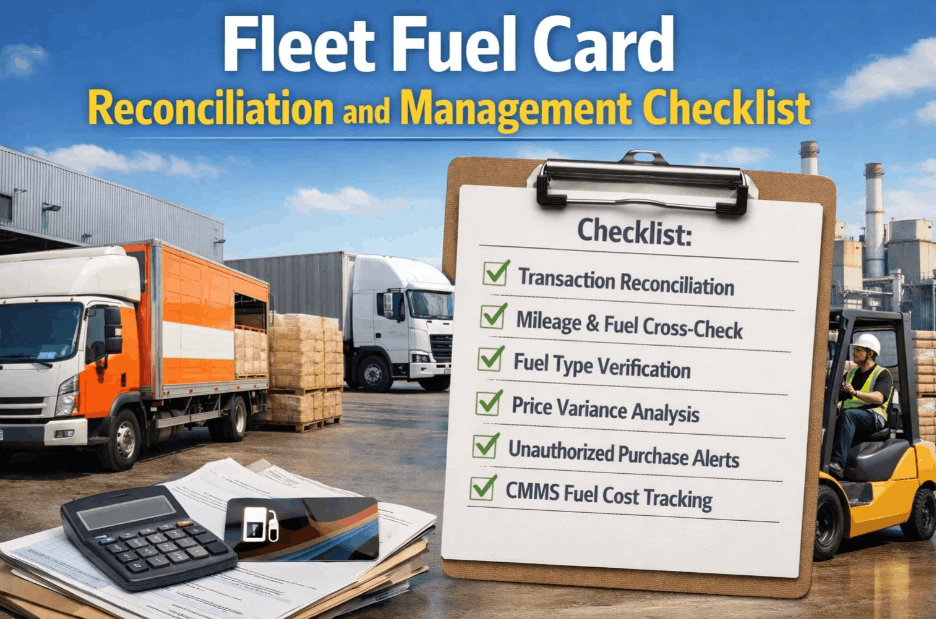
Reconciliation gets easier when fewer bad transactions make it through in the first place. These six preventive card controls cut the volume of exceptions your team has to review.
Set each card's single-fill limit to slightly above the vehicle's max tank capacity at the highest local price. Cards without limits expose the fleet to unlimited single-event fraud.
Restrict each card to the vehicle's required fuel type and DEF only. Cards permitting "any product" allow car washes, motor oil, and in-store purchases to go undetected until reconciliation.
Limit card acceptance to stations within your operating corridors. Out-of-territory purchases are declined at the pump rather than discovered during month-end review.
Restrict fueling to operating hours only. An 11 PM Sunday purchase 200 miles off-route gets blocked at the point of sale, not flagged 30 days later on a statement.
Require drivers to enter odometer readings at every fill-up. This feeds mileage data into the reconciliation engine and creates a second verification layer against telematics readings.
Assign unique PINs per driver rather than per vehicle. This ties every transaction to an individual, making accountability instant and eliminating card-sharing loopholes.
Frequently Asked Questions
Manual reconciliation misses the patterns that cost fleets 19% or more of their fuel budget every year. OxMaint automates the match between fuel card data and telematics — giving you real-time anomaly detection, exception-only reviews, and full IFTA compliance in one platform.