Fuel is the single largest controllable expense in most fleets, commonly eating 25 to 35 percent of total operating cost, yet in most maintenance and finance systems it lives in a completely different spreadsheet than the vehicle it was pumped into. A fuel card statement tells you what was spent. It does not tell you which truck burns more fuel per mile than its class average, which aging asset is quietly becoming unprofitable, or which route is masking a maintenance problem as a fuel problem. Without fuel consumption tied to total vehicle operating expense, fleets cannot identify which assets are actually earning their keep. Oxmaint connects fuel card data directly to each vehicle's lifecycle cost record at app.oxmaint.ai.
Fuel Data Doesn't Belong in a Spreadsheet Separate From Your Fleet
Fuel is the biggest lever in your operating budget, but if it isn't tied to the vehicle, route, and maintenance record behind it, you're managing a number instead of an asset. See what connected fuel and lifecycle cost data looks like.
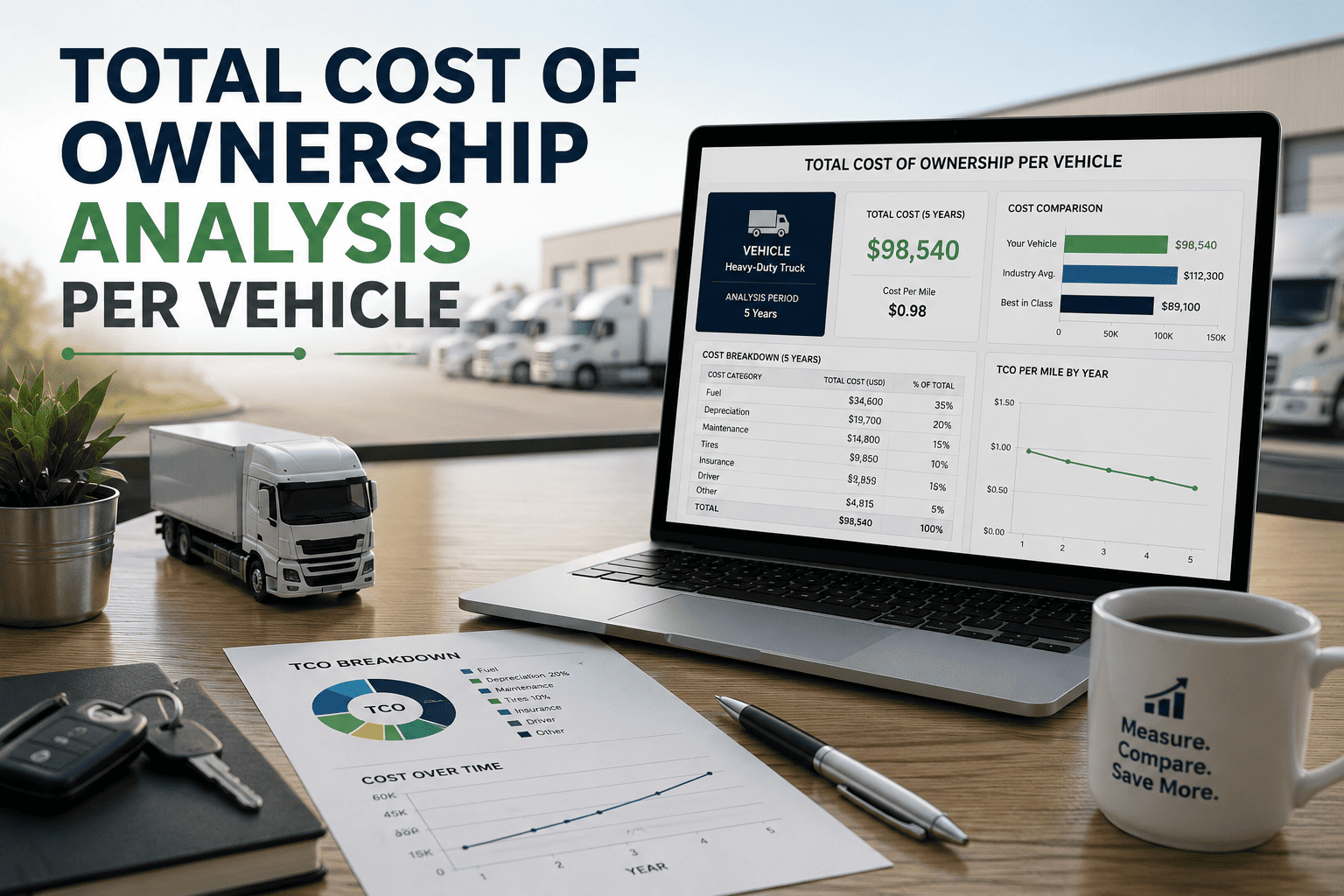
Where Fleet Operating Dollars Actually Go
Fuel is the biggest single slice of the operating budget, but it is only meaningful once you can see it next to maintenance, depreciation, and everything else competing for the same dollar. This is the composite breakdown fleet finance teams work from.
5 Signs Your Fuel Data Is Living in Isolation
These are the gaps that show up on a spreadsheet long before anyone notices the dollars behind them. Each one is a direct result of fuel spend being tracked apart from the vehicle that generated it.
A single blended average hides which two or three trucks are actually dragging the whole fleet's fuel efficiency down.
Card networks approve a fill regardless of whether the truck was anywhere near the pump. Reconciliation finds out weeks later.
Without fuel tied to maintenance history, a truck's rising cost per mile looks like noise instead of a replacement signal.
A route burning extra fuel might be a routing problem or a failing engine. Isolated data cannot tell the difference.
Mileage says a vehicle is fine. Lifecycle cost, including fuel trend, often says otherwise, and only one of them is checked.
Fuel Cost Per Mile Means Nothing Without the Vehicle It's Attached To
A fleet-wide average fuel cost hides the two or three trucks quietly costing you the most. Oxmaint rolls every fuel transaction into the specific vehicle's lifecycle cost record, next to its maintenance, downtime, and depreciation history, so you can see exactly which assets are worth keeping.
Isolated Fuel Reporting vs Fuel Data Inside the Lifecycle Record
The same fuel transaction answers very different questions depending on whether it sits alone in a card statement or inside a connected vehicle cost record.
| Question It Should Answer | Isolated Fuel Report | Integrated Lifecycle Record |
|---|---|---|
| Is this transaction real? | Approved by the card network only | Cross-checked against GPS and odometer instantly |
| What is this vehicle really costing us? | Fuel total with no context | Fuel, maintenance, and downtime combined per mile |
| Is this vehicle worth keeping? | No visibility | Lifecycle cost trend flags the replacement point |
| Where is the fraud? | Found at month-end, if at all | Flagged within hours of the transaction |
| Which routes are inflating spend? | Invisible | Mapped to route, driver, and vehicle together |
How Oxmaint Connects Fuel Card Data to Lifecycle Cost
Fuel transactions flow into the same asset record as preventive maintenance, repairs, and downtime, so cost per mile always reflects the whole truck, not just the tank.
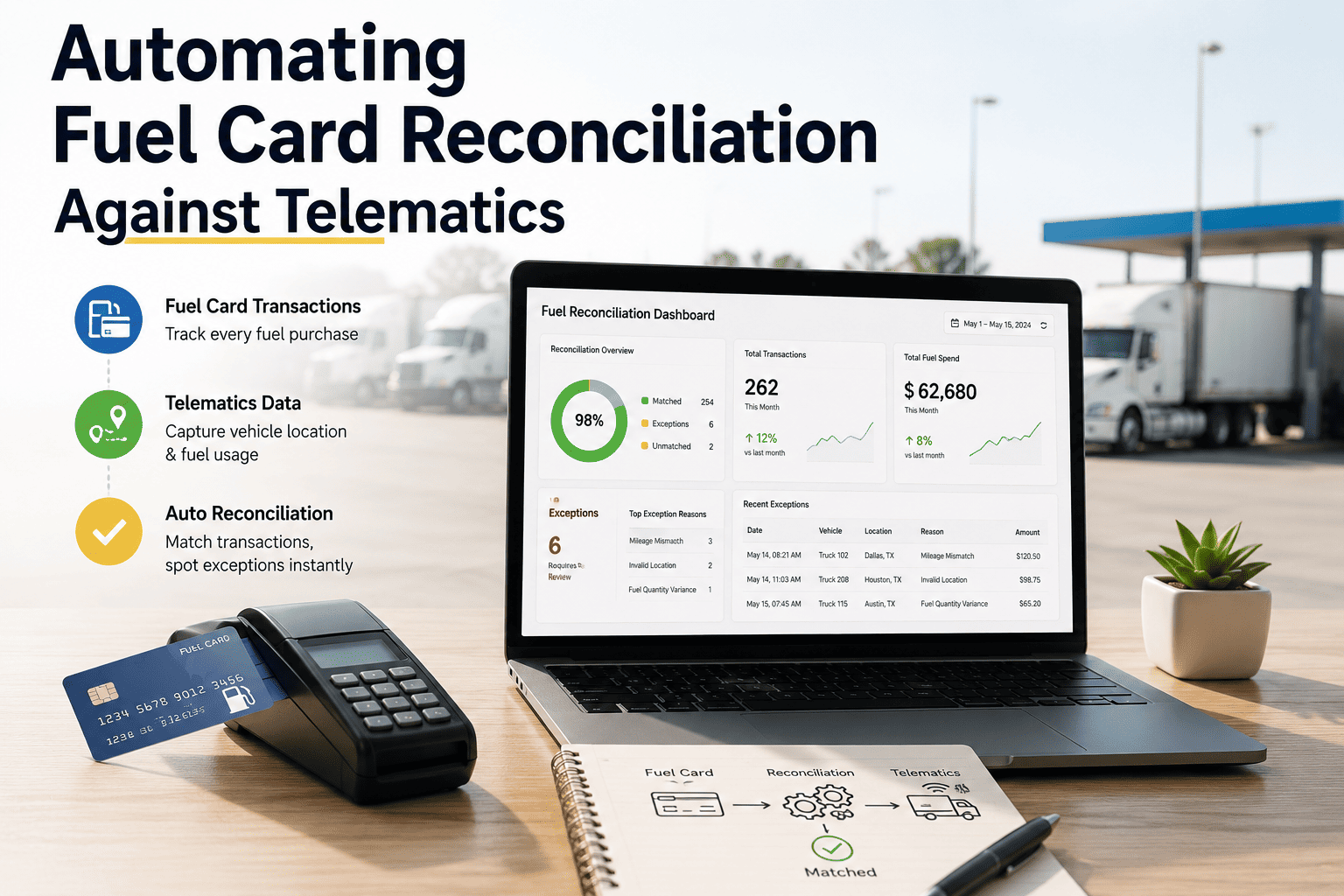
Transactions are matched to vehicle location and mileage the moment they post, not thirty days later during reconciliation.
Each vehicle carries a single running lifecycle cost figure combining fuel spend with repair and service history.
A transaction that doesn't match the truck's recorded position or fuel history triggers an alert before month-end.
Rising fuel and repair cost per mile is scored against the vehicle's value, surfacing replacement candidates early.
Excess fuel use is traced back to the route and driver behind it, separating routing waste from mechanical waste.
Managers see fuel spend, maintenance cost, and asset condition together instead of pulling three separate reports.
Fuel Data in a Silo vs Fuel Data Inside the Asset Record
What Fleets See After Connecting Fuel Data to Lifecycle Cost
Typical figure identified by a 50-truck fleet once fuel data is matched against GPS and odometer records
Real-time reconciliation catches mismatched transactions the same day instead of at month-end close
Every vehicle shows its own true cost per mile instead of hiding inside a blended fleet-wide number
Lifecycle cost trend replaces guesswork and odometer-only rules for retire-or-keep decisions
Frequently Asked Questions
Why isn't a fuel card report enough on its own?+
How does fuel data get tied to lifecycle cost in Oxmaint?+
Can Oxmaint catch fuel card fraud in real time?+
Does this replace our existing fuel card program?+
How quickly can we see fuel waste we didn't know about?+
Stop Reading Fuel Spend Alone. Read It Against the Truck.
Fuel is too large a share of your budget to sit in its own spreadsheet. Connect it to the vehicle record and turn a monthly total into a per-truck decision. Oxmaint sets up fuel-to-lifecycle tracking without a long implementation project.