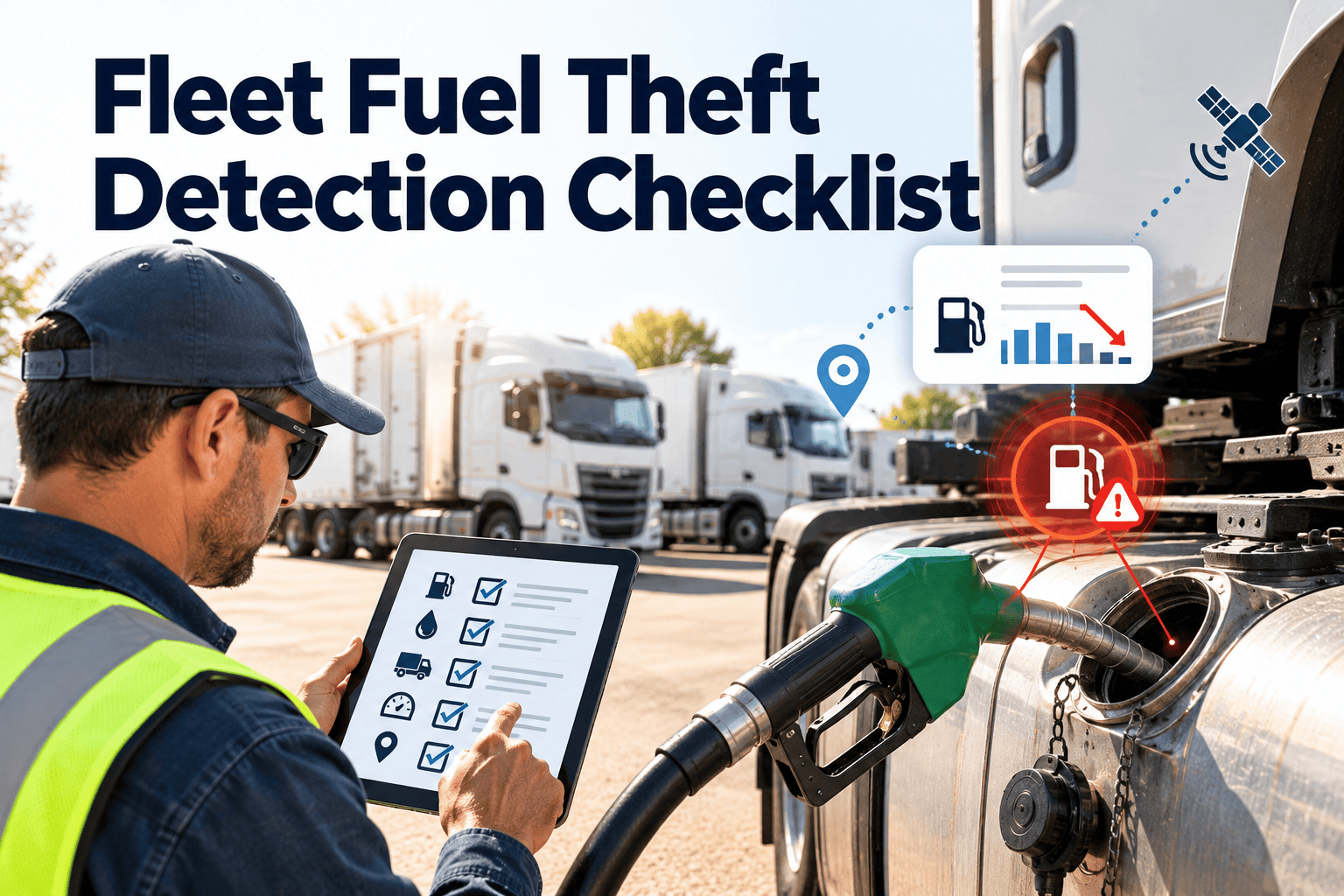
Fuel theft costs commercial fleets an estimated $133 million annually in the United States — and the majority of it goes undetected because fleets lack the data infrastructure to catch it. The most effective detection method is not installing cameras or conducting audits. It is cross-referencing maintenance records with GPS data to surface anomalies that are invisible to any single system alone. When mileage logs, fill events, idle time, and route data are analyzed together, fuel theft signatures become obvious. Oxmaint's fleet CMMS integrates maintenance and telematics data into a single view, making fuel theft detection a byproduct of a well-run maintenance operation. If your fleet is burning more fuel than the data justifies, this page will show you exactly where to look — and book a demo to see how Oxmaint helps you find it.
Fleet Fuel Theft Detection Using Maintenance and GPS Data
The step-by-step process for identifying fuel theft and fuel loss using data your fleet already collects — without additional hardware or surveillance tools.
Why Single-System Detection Fails
Fuel cards catch unauthorized transactions. GPS catches unauthorized routes. Neither catches someone filling beyond tank capacity, siphoning between shifts, or inflating mileage records. Cross-referencing maintenance and GPS data closes these gaps.
The 5-Step Fuel Theft Detection Process
This process works with data your fleet already generates — mileage, fill events, GPS traces, engine hours, and maintenance records. No additional hardware required.
Calculate expected fuel consumption per vehicle using GPS mileage, vehicle spec, load profile, and route type. This baseline is your benchmark — any sustained deviation triggers an investigation flag. Your CMMS stores this against each vehicle's profile automatically.
Every fuel fill event should be cross-referenced against the vehicle's tank capacity. A fill volume that significantly exceeds available tank capacity (accounting for remaining fuel at fill) is a red flag — fuel is either being added to a secondary container or the record is falsified.
Every fuel card transaction has a merchant location. Every vehicle has a GPS trace. If a fill event occurs at a location the vehicle did not pass through on that date, the purchase is suspicious. This is one of the most common external fraud patterns — a card used by someone other than the driver.
Excessive idling burns fuel and can mask theft by inflating expected consumption — making over-fills appear normal. Track idle time as a percentage of engine hours per vehicle. Sudden spikes in idle percentage on a specific vehicle without a documented operational reason are a detection signal worth investigating.
Manual monitoring is not sustainable at scale. Configure your CMMS to generate automatic alerts when any vehicle's fuel consumption variance exceeds 15% from its established baseline for two or more consecutive fill cycles. This turns detection from reactive investigation into proactive monitoring.
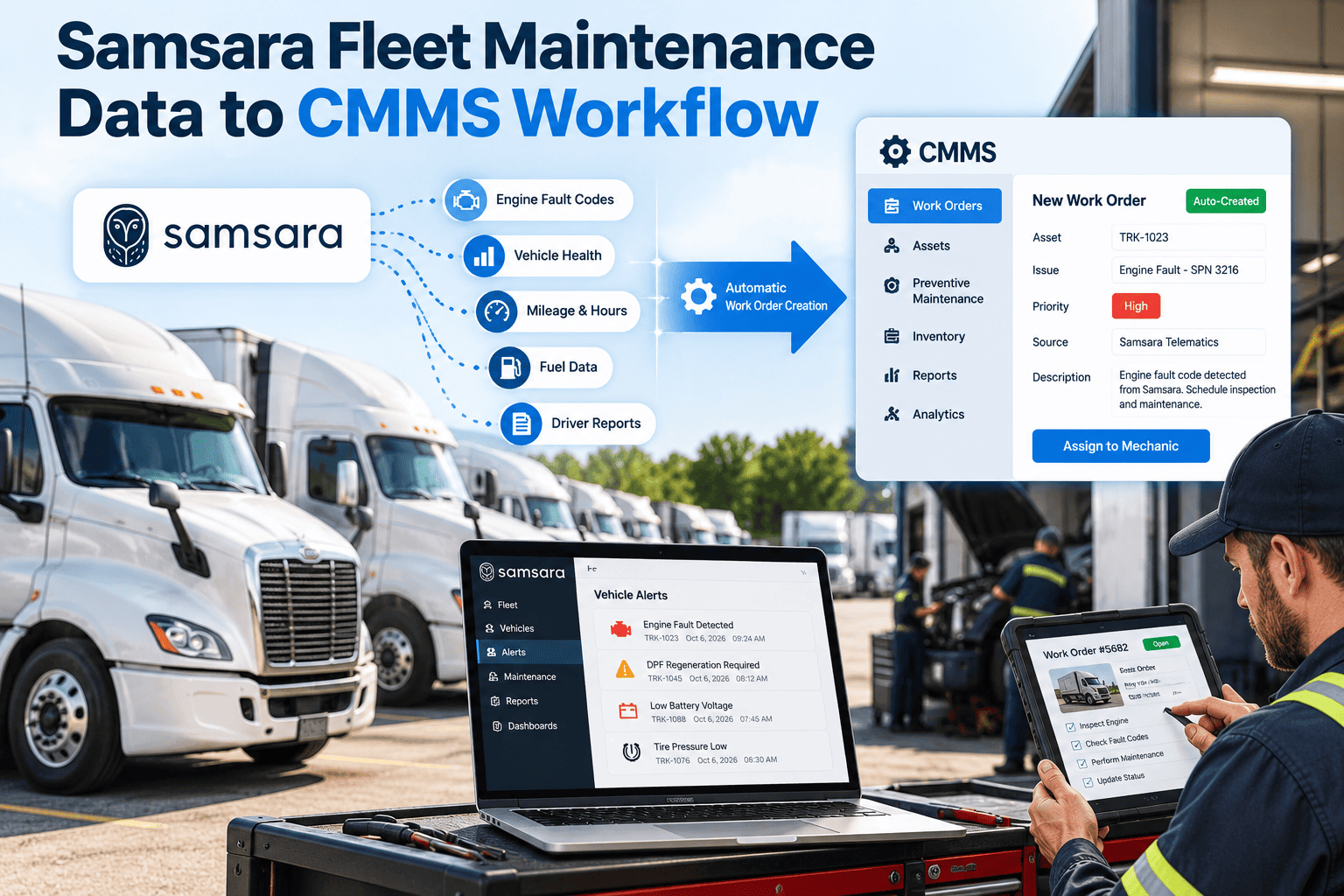
Oxmaint integrates with major telematics providers to pull mileage, fuel consumption, engine hours, and GPS data directly into your fleet maintenance records. Fuel variance reports and anomaly alerts are built in — no data engineering required.
Fuel Theft Patterns and Their Data Signatures
| Theft Pattern | How It Works | Data Signature to Look For | Detection Method |
|---|---|---|---|
| Over-fill at pump | Driver fills tank plus containers | Fill volume exceeds tank capacity | Tank capacity vs fill event volume |
| Card skimming/sharing | Card used by non-driver at off-route location | Fill location not on GPS route | GPS trace vs fuel card merchant location |
| Siphon after hours | Fuel removed from parked vehicle overnight | Fuel level drops with no engine runtime | Telematics fuel level vs engine-off period |
| Idling for personal use | Vehicle idled to run personal equipment | High idle % with low route mileage | Idle hours vs mileage vs fuel consumption |
| False maintenance records | Fuel usage falsely reported as maintenance-related | Maintenance fuel claims with no work order | Cross-reference fuel logs with CMMS work orders |
What to Do When You Identify a Fuel Theft Anomaly
Export the relevant data from your CMMS — GPS trace, fill event record, mileage log, and engine hour data for the relevant period. Create a timestamped paper trail before taking any action with the driver or vendor.
A fuel consumption spike can be caused by a faulty injector, a coolant leak affecting combustion, or a tire underinflation issue — not necessarily theft. Rule out mechanical causes through your maintenance records before making personnel decisions.
Before confronting anyone, increase monitoring frequency on the flagged vehicle and driver for 2–3 weeks. A second anomaly under closer monitoring is far stronger evidence than a single event that could have an innocent explanation.
Fuel theft is a termination-level offense in most organizations. Before any action, involve HR and ensure the data export and chain of custody are handled properly. Data from your CMMS can serve as formal evidence in an investigation or legal proceeding.
Frequently Asked Questions
Do I need special hardware to detect fuel theft with GPS and maintenance data?
How accurate is GPS-based fuel variance detection?
What is the fastest way to start fuel theft monitoring in my fleet?
Can the same data process catch fuel waste from idling, not just theft?
Is fuel theft data from a CMMS admissible as workplace evidence?
Every fuel event, every GPS mile, every maintenance record is a data point. Oxmaint connects them into a coherent picture that surfaces anomalies automatically, so you spend time acting on findings — not digging through spreadsheets to find them.