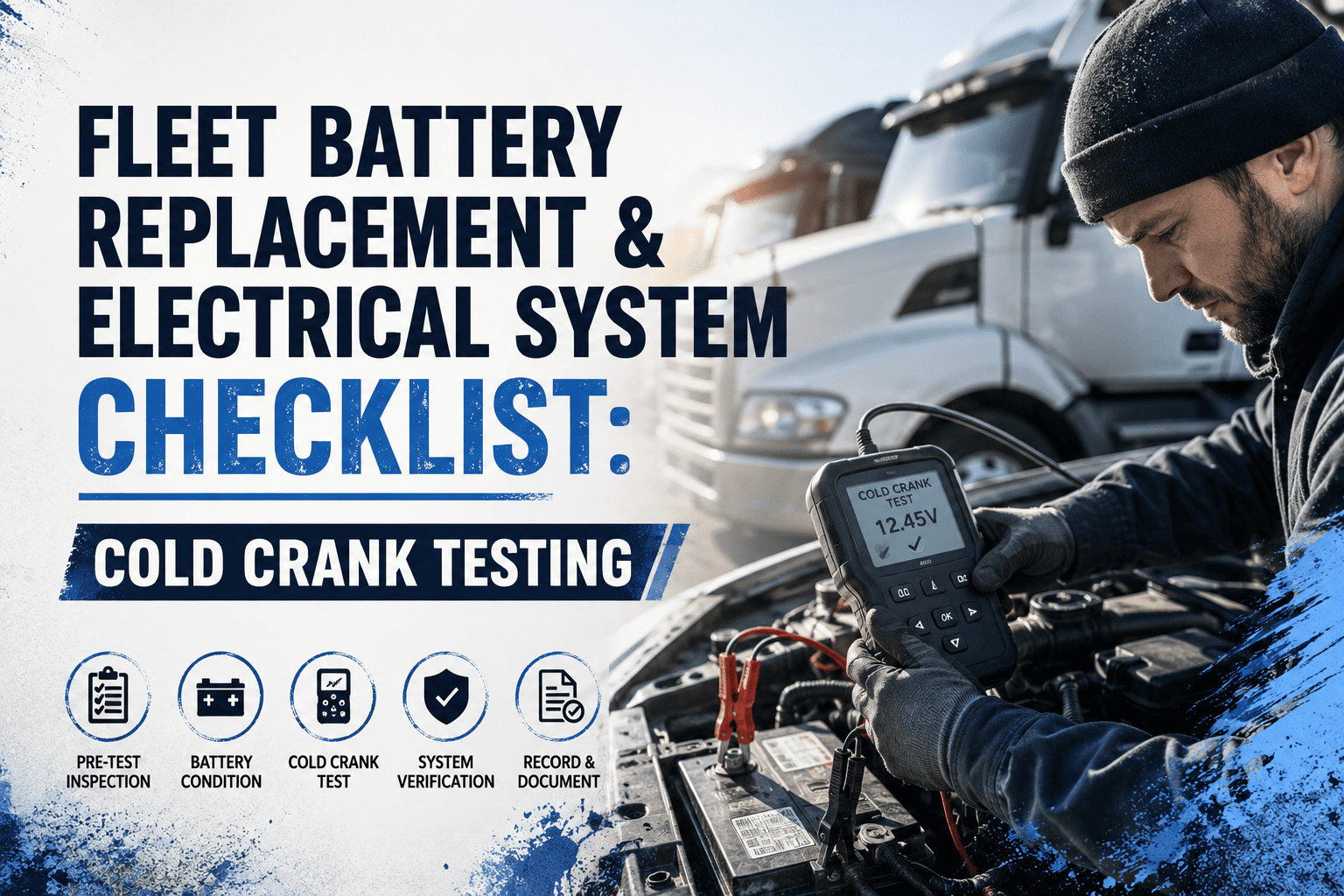
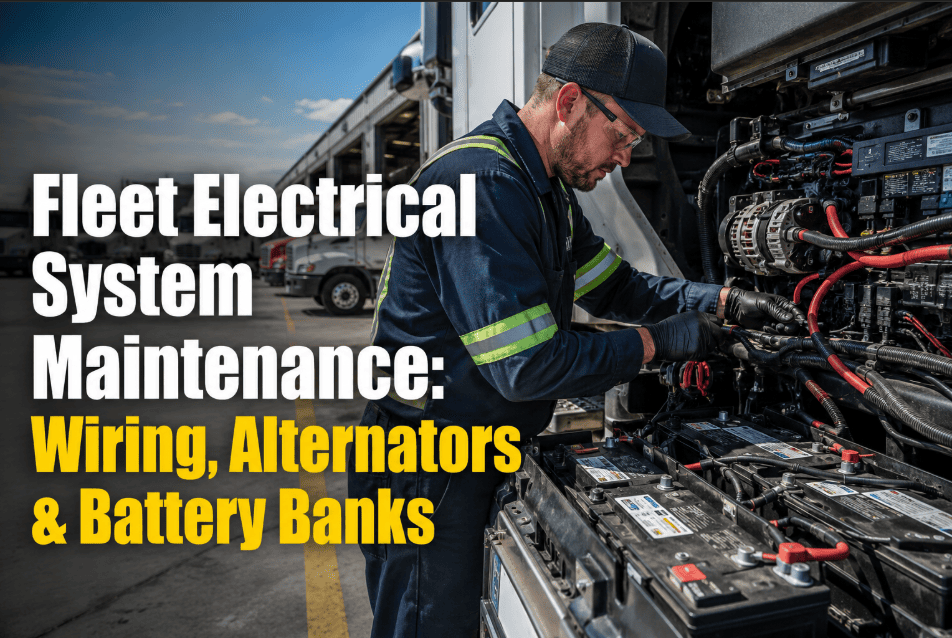
A charging fault is one of the most deceptive failures in fleet operations—vehicles may start fine today but strand drivers tomorrow. When the charging system fails, even a brand-new battery becomes useless within hours. This diagnostic checklist helps maintenance teams systematically identify charging faults before they escalate into costly roadside failures. Digitize your inspections with Oxmaint's Asset Master to track charging system health across your entire fleet.
Charging System Components
Charging Fault Diagnostic Protocol
Prevent Charging Failures Before They Happen
Manual tracking leads to missed inspections and surprise breakdowns. Oxmaint's digital platform automates charging system monitoring with predictive alerts and trend analysis.
Common Charging Fault Indicators
Dim or Flickering Lights
Headlights or interior lights that dim at idle and brighten with RPM increase indicate insufficient charging output.
Warning Light Illuminated
Battery or alternator warning light on the dashboard signals the charging system is not maintaining proper voltage.
Unusual Noises
Squealing indicates belt slip; grinding suggests bearing failure; whining points to diode problems.
Overheating Components
Hot alternator housing or melted wiring insulation indicates overcharging or internal shorts.
Ready to digitize your charging system inspections?
Charging Voltage Quick Reference
Frequently Asked Questions
The most common causes include worn alternator brushes, failed voltage regulators, slipping drive belts, corroded connections, and damaged wiring. Heavy electrical loads and extreme temperatures accelerate wear on charging components.
Charging systems should be tested during every preventive maintenance service, typically every 10,000-15,000 miles. Fleets operating in extreme conditions should test more frequently, and any vehicle showing warning signs needs immediate inspection.
Yes. A battery with a shorted cell can pull excessive current from the alternator, causing overheating and premature failure. Always test the battery condition when diagnosing charging faults to avoid replacing a good alternator.
AC ripple is residual alternating current that passes through when alternator diodes fail. High ripple (above 0.5V AC) can damage sensitive electronics and prevent proper battery charging. It's an early indicator of alternator failure.
Oxmaint tracks inspection results over time, identifies declining trends, and sends predictive alerts before failures occur. The Asset Master module maintains complete alternator and battery history, enabling data-driven replacement decisions. Sign Up or Book a Demo to learn more.
Repeated alternator failures often indicate underlying issues: a bad battery drawing excessive current, loose mounting causing vibration damage, poor ventilation causing overheating, or undersized alternator for the electrical load.
Take Control of Your Fleet's Electrical Health
Join hundreds of fleet managers who have eliminated surprise charging failures with Oxmaint's predictive maintenance platform.