Your 45-passenger coach just recorded 4.2 MPG on a route that averaged 6.1 MPG last quarter. That's $847 in extra fuel costs per week—$44,000 annually from a single vehicle. The driver reports "everything feels normal." Your mechanic found nothing during the last inspection. But somewhere between the fuel tank and the exhaust, 31% of your fuel budget is vanishing.
Bus and coach operators face a unique challenge: fuel represents 25-35% of total operating costs, yet most fleets lack the analytics to identify efficiency losses before they compound into serious budget problems. This guide delivers a complete framework for using maintenance software fleet management and AI analytics to optimize fuel efficiency while maintaining regulatory compliance. Sign up free for Oxmaint CMMS to start turning maintenance data into fuel savings.
31%
Fuel waste from poor maintenance
$18,400
Annual savings per bus
6.8 MPG
Optimized coach efficiency
23%
Avg efficiency improvement
Reimagine Fleet Management Energy Performance Using Mobile Inspections
Traditional maintenance catches problems after they've already impacted fuel efficiency. A clogged air filter might run for weeks before replacement, burning excess fuel with every mile. Mobile inspections fleet management transforms this reactive approach into proactive fuel protection—drivers become your first line of defense against efficiency losses.
Pre-Trip Checks
●
Tire pressure verification (all positions)
●
Air filter restriction indicator
●
Coolant level and temperature
●
Exhaust system visual inspection
Fuel Impact:
8-12% when issues detected early
In-Route Monitoring
●
Real-time MPG tracking vs baseline
●
Engine temperature variance alerts
●
Idle time accumulation tracking
●
Regeneration cycle monitoring (DPF)
Fuel Impact:
5-8% through behavior optimization
Post-Trip Reporting
●
Fuel consumption vs distance analysis
●
Defect reporting with photo evidence
●
Route efficiency comparison
●
HVAC system performance notes
Fuel Impact:
3-5% through trend identification
73%
of fuel-impacting issues are detectable through daily mobile inspections before they affect MPG
2.3x
faster issue resolution when drivers report with photo documentation via mobile app
$340
average fuel savings per bus monthly when mobile inspection compliance exceeds 95%
Bus & Coach Fleet: Fuel Efficiency Impact by System
Not all maintenance issues affect fuel equally. Understanding which systems have the highest efficiency impact helps prioritize spare parts planning and predictive maintenance fleet management investments for maximum ROI.
| System |
Common Issues |
Fuel Impact |
Detection Method |
PM Interval |
| Fuel Injection |
Clogged injectors, timing drift, pump wear |
15-25% |
IoT sensors + AI analytics |
30,000 miles |
| Air Intake |
Restricted filters, turbo issues, intake leaks |
10-20% |
Restriction sensors |
15,000 miles |
| Tire Condition |
Under-inflation, misalignment, worn tread |
8-15% |
TPMS + mobile inspections |
Weekly checks |
| Exhaust/DPF |
Blocked DPF, sensor failures, leaks |
5-12% |
Backpressure monitoring |
50,000 miles |
| HVAC System |
Compressor drag, refrigerant loss, fan issues |
3-8% |
Power draw analysis |
Seasonal |
| Drivetrain |
Transmission slip, differential wear, drag |
2-5% |
Temperature + vibration |
60,000 miles |
Designing a Data-Driven Program — A Fleet Management Action Plan with KPIs
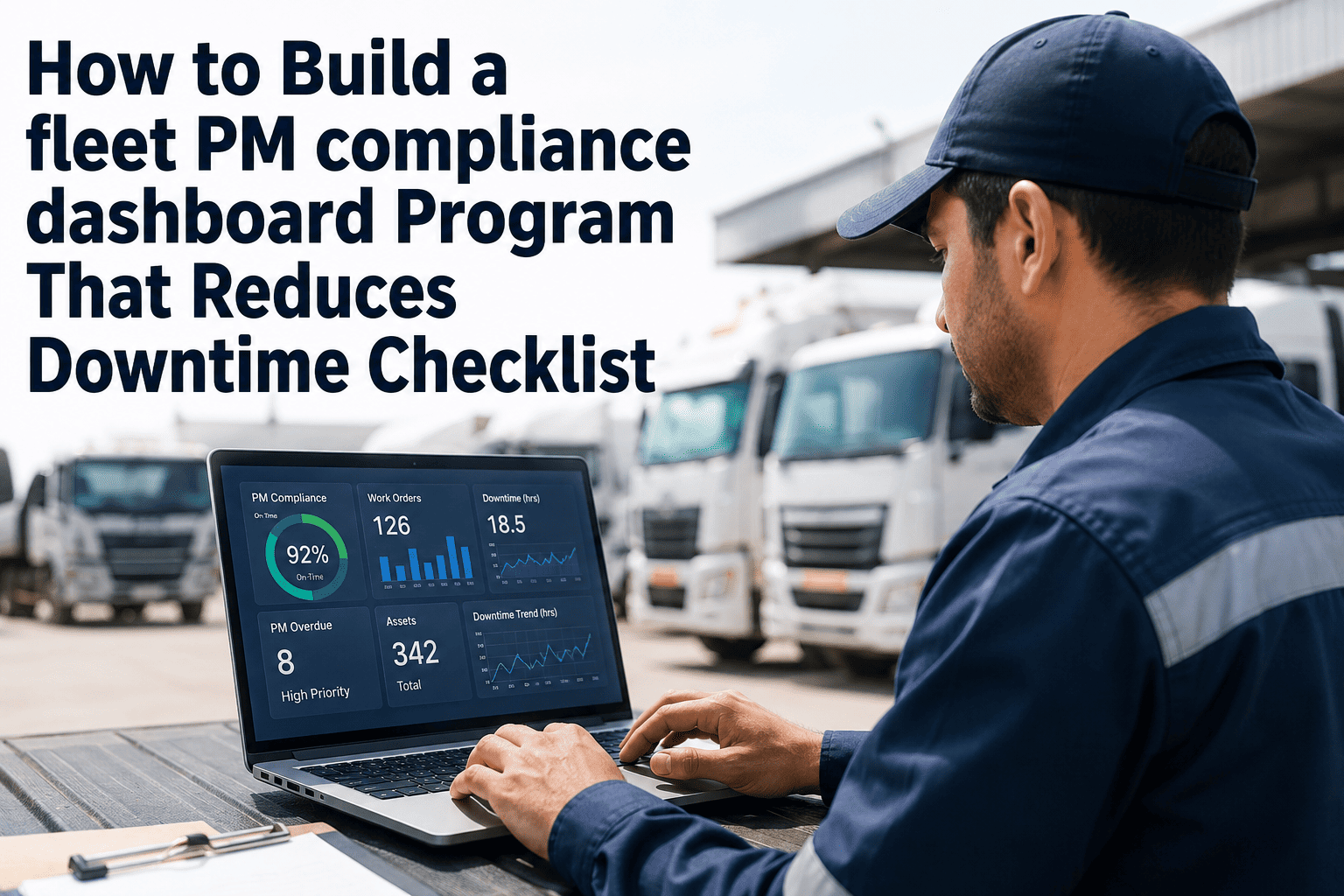
Effective fuel efficiency programs require measurable targets and continuous monitoring. This KPI framework combines AI analytics with traditional maintenance metrics to create a comprehensive downtime reduction and efficiency optimization system.
Fleet Fuel Score
Target: 90%+
PM Compliance
Target: 95%+
Idle Reduction
Target: 85%+
Install IoT sensors on high-consumption vehicles
Establish MPG baselines by vehicle, and route
Configure mobile inspections fleet management checklists
Set up AI analytics dashboards in CMMS
Expected Outcome:
Clear visibility into current fuel performance gaps
Address top 20% fuel-wasting vehicles first
Implement predictive maintenance fleet management triggers
Optimize spare parts planning for critical components
Train drivers on fuel-efficient inspection protocols
Expected Outcome:
10-15% fuel improvement on targeted vehicles
Roll out proven protocols to entire fleet
Establish SLA reporting with service providers
Configure automated compliance logs
Set continuous improvement KPI targets
Expected Outcome:
18-25% fleet-wide fuel efficiency improvement
Sign up for Oxmaint free to implement this action plan with built-in KPI tracking or book a demo to see AI analytics in action.
IoT Sensors & AI Analytics for Predictive Fuel Management
Modern bus and coach fleets generate massive amounts of operational data. IoT sensors combined with AI analytics transform this data into actionable fuel efficiency insights—detecting problems weeks before they impact your bottom line.
Real-time fuel flow monitoring compared against distance, load, and route conditions
GPS integration
Load sensors
Route mapping
AI Insight:
Identifies 0.3+ MPG drops within 48 hours of occurrence
Continuous monitoring of combustion efficiency, injection timing, and power output
ECU data
Exhaust analysis
Power curves
AI Insight:
Predicts injector failures 3-4 weeks before efficiency loss
Tracks idle duration by location, driver, and time of day with context awareness
Geofencing
Driver ID
Weather data
AI Insight:
Reduces unnecessary idle by 40% through behavioral coaching
Dynamic risk scoring for each vehicle based on multiple efficiency indicators
ML models
Historical data
Trend analysis
AI Insight:
Prioritizes maintenance by fuel efficiency impact potential
Fleet Management Compliance Requirements
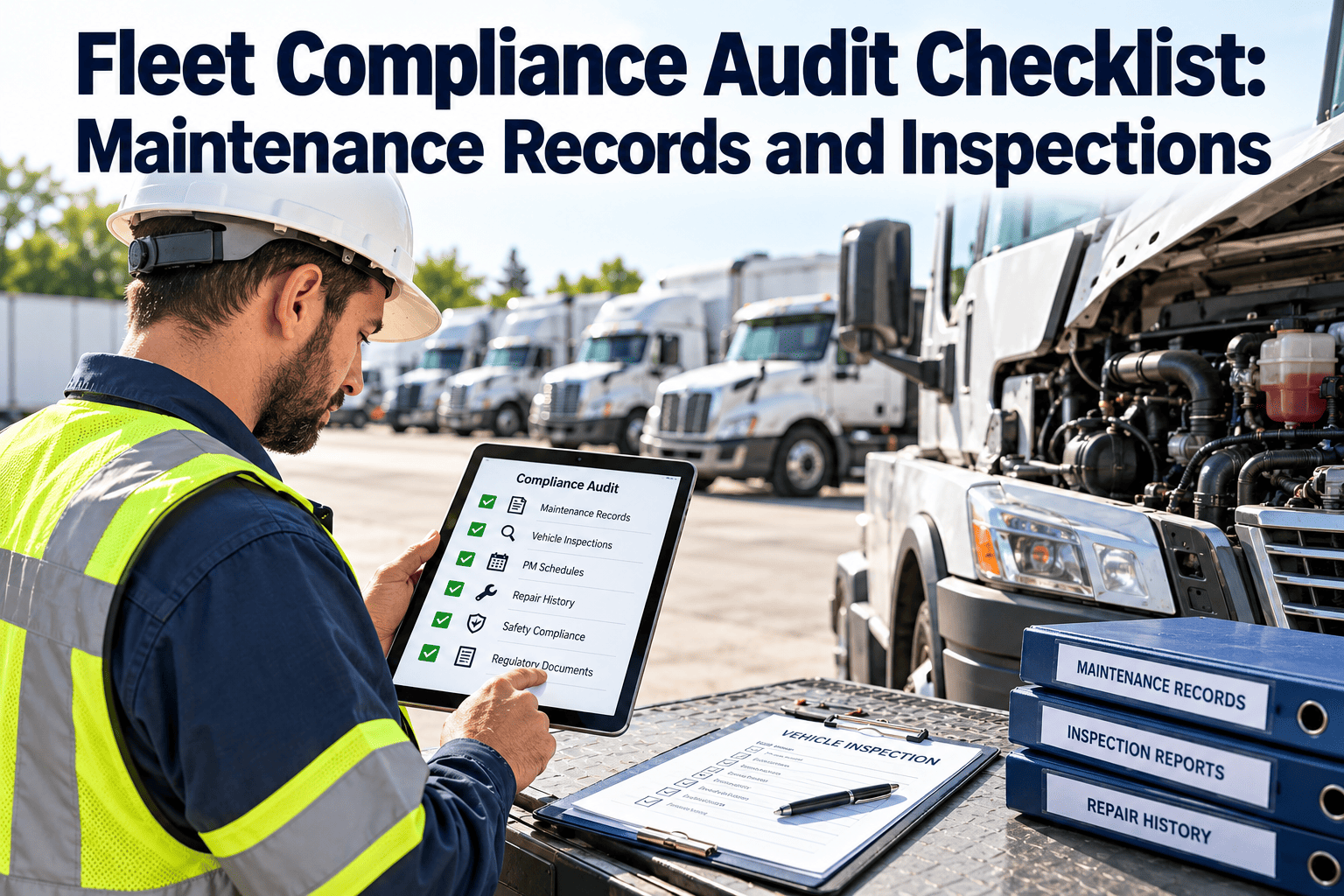
Bus and coach operators face strict regulatory oversight from DOT, EPA, and state agencies. Proper maintenance directly impacts compliance—and compliance logs serve double duty as fuel efficiency documentation. Your maintenance software fleet management system should capture both automatically.
DOT / FMCSA
Annual safety inspections
Pre/post-trip inspection records
Driver vehicle inspection reports
Brake adjustment documentation
Fuel Connection:
Brake drag, tire condition, and wheel alignment all impact efficiency
EPA / Clean Air Act
Emissions testing records
DPF maintenance documentation
Idle reduction compliance
Fuel quality records
Fuel Connection:
Emissions systems directly affect combustion efficiency and MPG
State DOT
Operating authority documentation
Vehicle registration compliance
Insurance and safety certifications
Driver qualification files
Fuel Connection:
Proper weight distribution and load management optimize efficiency
ADA / Accessibility
Lift/ramp functionality records
Securement system maintenance
Accessibility equipment PM
Service availability documentation
Fuel Connection:
Lift hydraulics and door systems add parasitic load when malfunctioning
Audit-Ready Compliance Logs in 60 Seconds
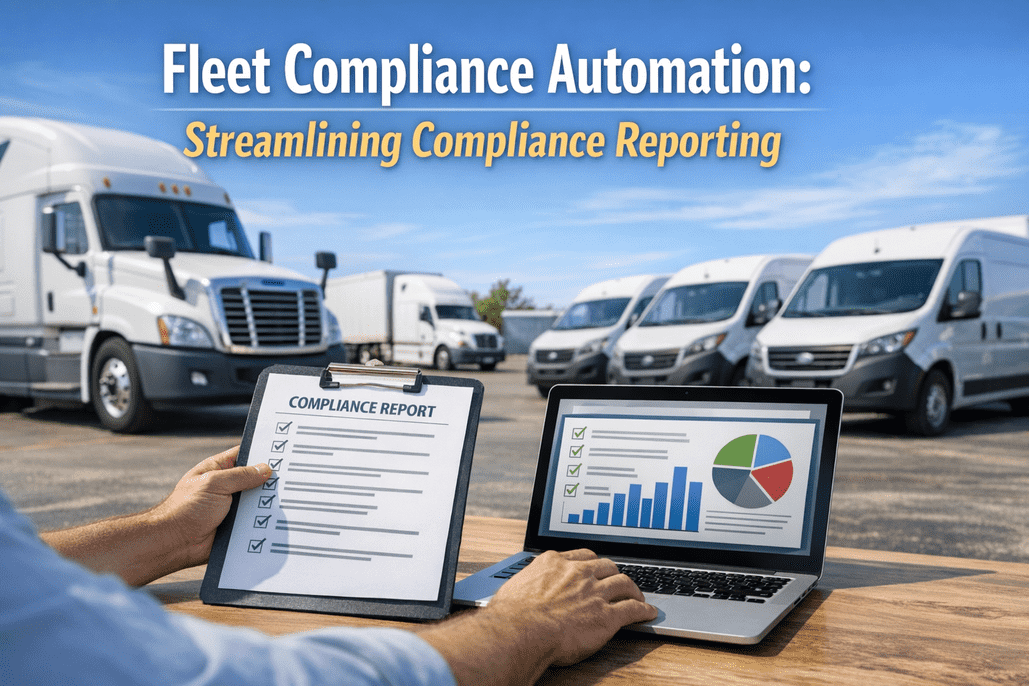
When regulators request maintenance records, export complete compliance logs instantly—every inspection, every repair, every fuel-related service with timestamps and digital accountability.
✓
Digital DVIRs with timestamps
✓
Fuel consumption history
✓
Parts replacement records
Fleet Management CMMS Best Practices
1
Tag Every Bus with QR Codes
Enable instant access to vehicle history, fuel baselines, and PM schedules. Technicians and drivers scan to report issues with full context.
2
Configure Fuel-Triggered PMs
Set maintenance alerts based on MPG deviation thresholds—not just mileage. A 10% efficiency drop triggers immediate diagnostic work order.
3
Optimize Spare Parts Planning
Stock fuel-critical components based on AI-predicted failure rates. Air filters, injectors, and sensors should never cause efficiency losses due to parts delays.
4
Integrate Telematics Data
Feed IoT sensors directly into your CMMS. Real-time fuel consumption, idle time, and engine data flow into maintenance decisions automatically.
5
Enable SLA Reporting
Track vendor performance on fuel-related repairs. First-time fix rate and turnaround time directly impact your fleet's efficiency metrics.
6
Review Analytics Weekly
Monitor fuel KPIs, identify outliers, and address negative trends before they compound. One week of poor efficiency can cost thousands.
"We were skeptical that maintenance analytics could really move the needle on fuel costs. Within 90 days of implementing Oxmaint's predictive maintenance fleet management system, our fleet-wide MPG improved from 5.4 to 6.2. That's $127,000 in annual fuel savings across 32 coaches—and we caught two injector issues before they became $8,000 repairs."
Jennifer Walsh
VP of Operations, Southeastern Coach Lines
Ready to Cut Fuel Costs with Maintenance Analytics?
Join bus and coach operators using Oxmaint for predictive maintenance, fuel efficiency tracking, and audit-ready compliance
The Cost Reality: Every 0.5 MPG improvement across a 25-bus fleet saves approximately $33,000 annually at current diesel prices. Poor maintenance doesn't just cost repair dollars—it burns fuel budget silently every mile.
The Data Advantage: Fleets using AI analytics and IoT sensors identify efficiency problems 3-4 weeks before traditional maintenance catches them. That early detection window translates to thousands in prevented fuel waste.
The Compliance Bonus: The same maintenance discipline that optimizes fuel efficiency also satisfies DOT and EPA requirements. One system, one data source, dual benefits—operational savings and regulatory peace of mind.
Start with your worst-performing vehicles. Implement the 90-day action plan. Let the fuel savings fund your fleet-wide rollout. The math works—and your competitors who ignore maintenance analytics will keep subsidizing your competitive advantage at the pump.
Frequently Asked Questions
How quickly can we see fuel savings after implementing maintenance analytics?
Most fleets see measurable improvement within 30-45 days. The first gains come from addressing obvious issues identified during baseline assessment—often 5-10% improvement. Full optimization typically takes 90 days as predictive maintenance fleet management protocols mature.
Start your free baseline assessment.
What IoT sensors deliver the best ROI for fuel efficiency monitoring?
Start with fuel flow sensors and OBD-II integration—these provide immediate MPG visibility. Add tire pressure monitoring (TPMS) next for 3-5% efficiency gains. Air filter restriction sensors and exhaust backpressure monitors round out the high-impact sensor package.
Book a demo to see sensor integration.
How does AI analytics actually improve fuel efficiency?
AI analyzes patterns across fuel consumption, maintenance history, route conditions, and driver behavior. It identifies correlations humans miss—like specific routes that cause certain vehicles to underperform, or maintenance intervals that don't match actual component degradation.
Sign up free to see AI analytics in action.
Can mobile inspections really impact fuel efficiency?
Absolutely. Drivers conducting daily mobile inspections fleet management checks catch tire pressure issues, air filter restrictions, and fluid leaks before they compound. Data shows 73% of fuel-impacting issues are detectable through proper daily inspections.
Book a demo to see mobile inspection workflows.
What's a realistic fuel efficiency target for transit buses?
Urban transit buses typically achieve 4-5 MPG; well-maintained fleets reach 5.5-6 MPG. Over-the-road coaches should target 6.5-7.5 MPG depending on route profiles. If you're below these benchmarks, there's significant opportunity through maintenance optimization.
Start tracking your fleet's efficiency.
How do compliance logs support fuel efficiency programs?
DOT-required inspections and EPA emissions records overlap significantly with fuel efficiency data. Brake drag documentation, tire condition records, and emissions system maintenance all impact MPG. Your compliance logs become fuel efficiency documentation automatically.
See how compliance and efficiency integrate.