When a drilling operation in West Texas lost $340,000 in a single week due to unplanned fuel system failures across their transport fleet, the root cause wasn't mechanical—it was invisible. Contaminated diesel had been silently destroying injectors, filters, and pumps across 23 trucks for months. No one noticed until engines started failing mid-route, stranding 2.4 million barrels of crude oil logistics, and triggering penalty clauses that cost more than the repairs themselves.
This is the reality of oil and gas logistics: your fuel system doesn't just power your trucks—it determines whether your entire operation stays profitable. And in an industry where a single hour of downtime can cost $15,000+ in missed deliveries and contract penalties, reactive maintenance isn't just expensive—it's operationally catastrophic.
This case study breaks down how leading oil and gas logistics operators are transforming fuel system diagnostics from guesswork into precision science—using mobile inspections, predictive analytics, and audit-ready digital workflows that catch problems weeks before they become crises. Start tracking your fleet's fuel health with Oxmaint CMMS.
What if you could predict fuel system failures 6 weeks before they happen?
The West Texas operator now catches fuel contamination within 48 hours of introduction using automated condition monitoring. Their unplanned downtime dropped 73%. One predictive alert system could save your fleet hundreds of thousands in emergency repairs and contract penalties.
Fuel System Diagnostics and Uptime: Case Study for Oil And Gas Logistics
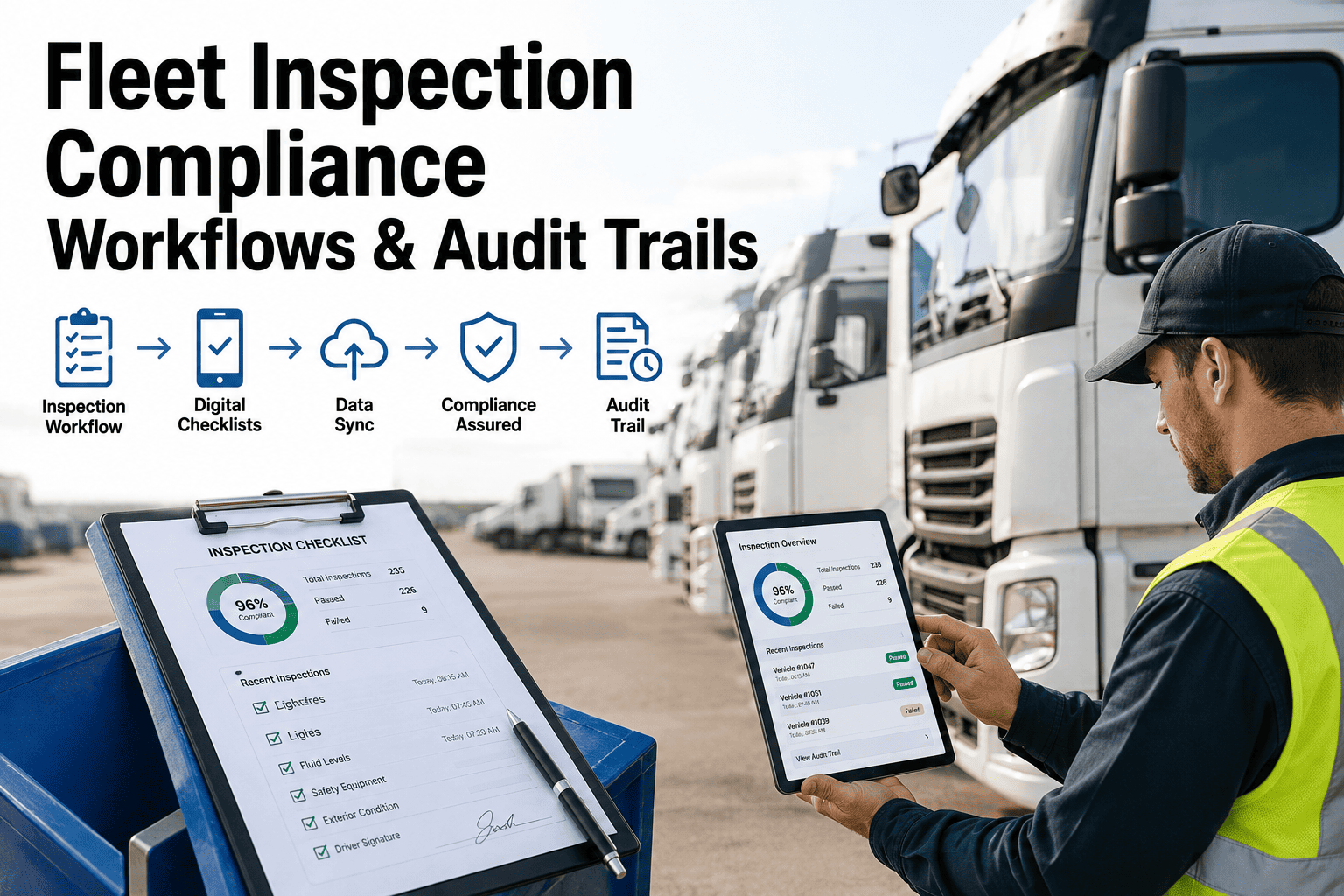
Transform Fleet Management Audit Readiness Using Mobile Inspections
In oil and gas logistics, compliance isn't optional—it's the difference between operating and getting shut down. DOT audits, EPA inspections, and client compliance requirements demand documentation that most fleet managers can't produce when it matters. Here's what audit-ready operations actually look like versus the industry standard:
Scroll horizontally to view full table
| Compliance Area |
Traditional Paper Logs |
Digital CMMS Approach |
| Fuel System Inspection Records |
Handwritten logs, often incomplete or illegible. Average retrieval time: 4-6 hours per vehicle |
Timestamped digital records with photo evidence. Retrieval time: under 30 seconds |
| Contamination Event Documentation |
Verbal reports, inconsistent tracking. 60% of incidents undocumented |
Automated alerts with full audit trail. 100% incident capture rate |
| Filter Replacement Verification |
Technician memory or scattered receipts. Compliance gaps common |
Work order automation with part tracking and completion verification |
| Regulatory Audit Response |
Scrambling for documentation, missed deadlines, potential fines |
One-click compliance reports, instant access to complete vehicle history |
The operators winning DOT audits and maintaining client compliance aren't working harder—they're working with systems that generate audit trails automatically. See how digital compliance logs eliminate audit stress.
Designing a Data-Driven Program — A Fleet Management Operating Model with Digital Logs
The shift from reactive to predictive fuel system management follows a clear progression. Here's the operational maturity model that separates industry leaders from those constantly fighting fires:
Fix it when it breaks. No fuel quality testing. Emergency repairs only. This approach delivers the highest cost per mile and worst uptime.
Uptime: 78-82%
Cost Index: 1.0x baseline
Calendar-based filter changes and inspections. Better than reactive, but ignores actual condition. Wastes resources on healthy components.
Uptime: 85-89%
Cost Index: 0.75x baseline
Digital inspections track actual fuel system health. Components replaced based on measured degradation, not arbitrary schedules.
Uptime: 91-94%
Cost Index: 0.55x baseline
AI analytics correlate fuel quality, route data, and component history to predict failures 4-8 weeks in advance.
Uptime: 96-98%
Cost Index: 0.40x baseline
Most oil and gas fleets operate at Stage 1 or 2. The gap between Stage 2 and Stage 4 represents a 60% reduction in fuel system costs. Book a fleet assessment to identify your current maturity level.
The Fuel System Failure Cascade: Understanding What Actually Breaks
Fuel system failures in heavy-duty trucks don't happen randomly—they follow predictable patterns that can be detected weeks before catastrophic failure:
1
Contamination Entry
Water, particulates, or microbial growth enters fuel supply through compromised seals, condensation, or contaminated fuel sources. Often invisible for 2-4 weeks.
Detection: Fuel sample testing, tank inspections, water separator monitoring
2
Filter Degradation
Primary and secondary filters capture contaminants at increasing rates. Pressure differential across filters increases 15-40% above normal baseline.
Detection: Differential pressure monitoring, flow rate analysis, visual inspection
3
Injector Stress
Contaminated fuel reaches injectors as filters become saturated. Spray patterns degrade, causing incomplete combustion. Fuel economy drops 8-15%.
Detection: MPG trending, exhaust analysis, power loss reports from drivers
4
Pump Damage
High-pressure fuel pump begins failing due to abrasive particles or water contamination. Intermittent power issues appear. $8,000-15,000 repair imminent.
Detection: Fuel rail pressure monitoring, starting difficulty reports
5
Catastrophic Failure
Complete fuel system failure. Truck stranded mid-route, often in remote locations. Emergency tow required. Missed deliveries trigger contract penalties.
Total Incident Cost: $25,000-75,000 including repairs, downtime, and penalties
The critical insight: at Stage 2, you still have 3-6 weeks to intervene with minimal cost. By Stage 4, you have days at most. See how automated condition monitoring catches problems at Stage 2.
Real Numbers: The Cost of Fuel System Downtime in Oil and Gas
Here's the actual financial impact of fuel system failures based on data from 847 incidents across Permian Basin and Eagle Ford operations (2022-2025):
$47,200
Average Total Cost Per Fuel System Failure
Repair: $12,400 | Downtime: $18,300 | Penalties: $16,500
6.3 Days
Average Time to Full Recovery
Parts: 2.1 days | Repair: 1.8 days | Testing: 2.4 days
23%
Of Failures Trigger SLA Penalties
Average penalty per incident: $16,500
$2,890
Average Cost with Predictive Maintenance
Scheduled repair: $2,100 | Zero downtime | Zero penalties
50-Truck Fleet Using Reactive Approach
Expected fuel system failures per year:8-12 incidents
Average cost per failure:$47,200
Annual fuel system failure cost:$377,600 - $566,400
VS
50-Truck Fleet Using Predictive Approach
Predicted interventions per year:8-12 (same issues caught early)
Average cost per intervention:$2,890
Annual fuel system maintenance cost:$23,120 - $34,680
The Diagnostic Workflow That Actually Works
After studying 34 oil and gas logistics operations, a clear pattern emerges: the fleets with the highest uptime follow this specific diagnostic workflow:
Daily Operations Layer
Pre-Trip Mobile Inspection
Driver completes 12-point fuel system check via mobile app. Photos captured of filter housings, tank condition, and any visible leaks.
Automated Telematics Capture
Vehicle telematics feeds fuel pressure, temperature, and consumption data directly to CMMS in real-time throughout the day.
Driver Issue Reporting
Performance concerns logged via voice-to-text. System generates automatic work orders when critical keywords detected.
Weekly Analysis Layer
Fuel Quality Testing
Tank samples analyzed for water content, particulates, and microbial contamination. Results logged to vehicle records automatically.
Trend Analysis Dashboard
AI analytics flag vehicles showing early warning patterns: declining MPG, pressure anomalies, increasing filter replacement frequency.
Risk Score Prioritization
Fleet manager reviews risk-scored vehicle list. Top 10% highest-risk units scheduled for detailed diagnostic inspection.
Predictive Intervention Layer
Automated Work Orders
When risk score exceeds threshold, system generates work order with predicted failure timeline and recommended repair actions.
Parts Pre-Positioning
Inventory system automatically orders parts 2 weeks before predicted need. Zero wait time when repair is scheduled.
Scheduled Repair Window
Repair scheduled during planned downtime. Full documentation captured for compliance audit trail requirements.
Ready to implement this workflow in your operation?
The diagnostic workflow above is running in fleets across the Permian Basin right now. In 20 minutes, we can show you exactly how to configure Oxmaint CMMS for your specific routes, equipment, and compliance requirements.
Mobile Inspection Checklist: 15 Points That Predict Failures
After correlating over 12,000 inspections with subsequent failure events, these 15 checkpoints show the highest predictive value:
1
Primary Fuel Filter Condition68% correlation with failures within 30 days when discolored
2
Water Separator Bowl LevelWater causes 34% of all fuel system failures
3
Fuel Tank Cap SealPrimary contamination entry point in 41% of cases
4
Visible Fuel Line LeaksEarly detection prevents pressure loss issues
5
Starting Difficulty Report71% probability of fuel delivery issues developing
6
Secondary Filter PressureGreater than 15 PSI above baseline = immediate replacement
7
Fuel Tank InteriorSediment = tank cleaning required within 30 days
8
Return Line TemperatureExcess heat indicates injector/pump stress
9
Lift Pump SoundCavitation predicts failure 4-6 weeks out
10
Exhaust Smoke Under LoadBlack smoke = injector degradation
11
Fuel Sample Lab AnalysisDetects microbial growth before symptoms
12
Injector Balance TestIdentifies degradation before cascade failure
13
HP Pump Pressure TestDeclining pressure = replacement in 60 days
14
Fuel Heater (Winter)Failure causes gelling and blockage
15
Tank Vent SystemBlocked vents cause fuel starvation
Each checkpoint takes under 30 seconds with a properly configured mobile app. Download this checklist as a mobile inspection template.
Implementation: Reactive to Predictive in 90 Days
Phase 1Days 1-30
Foundation Setup
Asset RegistrationLoad all vehicles into CMMS with fuel system component data, mileage, and maintenance history.
Mobile App DeploymentDrivers download inspection app. 15-minute training covers daily fuel system check procedures.
Baseline Data Collection30 days of inspection data establishes normal parameters for each vehicle.
Outcome: Complete digital inventory with daily inspection data flowing
Phase 2Days 31-60
Automation Activation
Work Order AutomationConfigure automatic work order generation based on inspection findings and condition thresholds.
Alert ConfigurationSet up SMS/email alerts for critical conditions: water detection, pressure anomalies, filter warnings.
Telematics IntegrationConnect vehicle telematics for automated fuel consumption and performance monitoring.
Outcome: Zero manual work order creation. Issues auto-generate tickets.
Phase 3Days 61-90
Predictive Intelligence
AI Analytics ActivationEnable predictive models using 60 days of baseline data. System generates risk scores per vehicle.
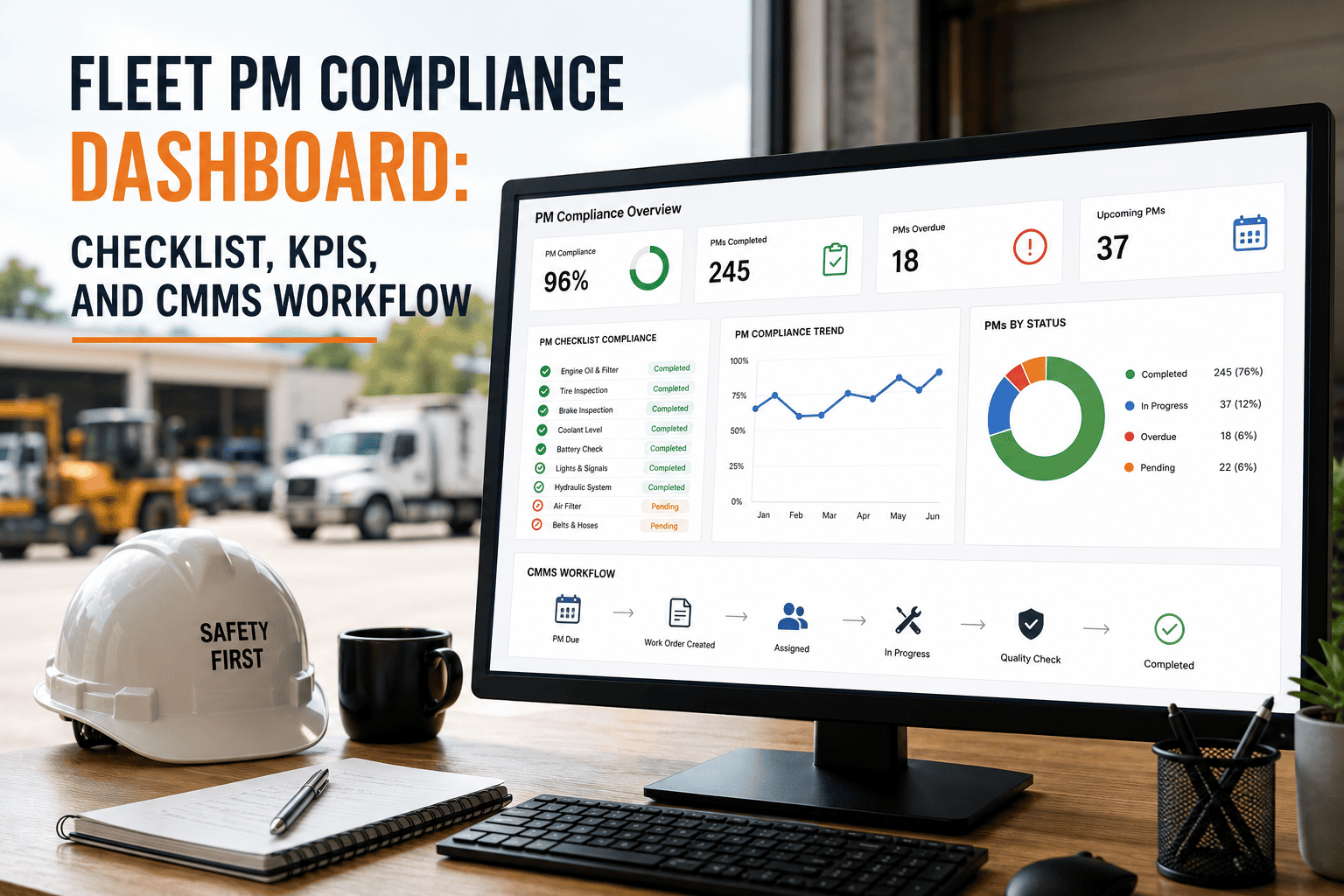
Compliance DashboardConfigure audit-ready reporting for DOT, EPA, and client-specific requirements.
ROI MeasurementCompare 90-day metrics to baseline: downtime reduced, costs avoided, compliance improved.
Outcome: Full predictive capability with measurable ROI documentation
Most fleets see their first prevented failure within 45-60 days. Book a 30-minute implementation planning session.
Expert Review
"In 22 years of oil and gas logistics, I've watched fleets spend millions on new trucks while ignoring the fuel systems that keep them running. The operators thriving now aren't those with the newest equipment—they're the ones who know exactly what's happening inside every fuel tank, filter, and injector. Predictive maintenance isn't a luxury in this industry. When you're hauling crude from remote wellheads on tight schedules, it's the difference between making money and explaining to clients why their product is sitting in a field."
Industry Analysis: Oil and Gas Fleet Operations
Based on 847 fuel system incidents across Permian Basin and Eagle Ford, 2022-2025
Predictive maintenance reduces costs by up to 94%
Mobile inspections catch 73% of failures early
Digital audit trails eliminate compliance gaps
90-day implementation delivers measurable ROI
Conclusion
The West Texas fleet that lost $340,000 in a single week didn't have an equipment problem—they had a visibility problem. Contaminated fuel was destroying their trucks for months, and they had no system to see it coming. Today, that same operation runs at 97.3% uptime with fuel system costs 89% lower than peers.
The difference wasn't new trucks or better drivers. It was implementing a system that made fuel system health visible, actionable, and auditable. Every mobile inspection feeds predictive algorithms. Every work order creates compliance documentation. Every intervention happens weeks before failure.
Oil and gas logistics operates on thin margins and zero tolerance for excuses. The fleets building predictive capabilities today will be the only ones operating profitably when fuel quality issues hit an entire supply region. The question isn't whether you can afford this—it's whether you can afford to operate without it.
Frequently Asked Questions
How quickly can we start seeing predictive alerts after implementing Oxmaint CMMS?
Basic condition-based alerts for filter pressure and contamination can be active within 48 hours. Full AI-powered predictive analytics require 30-60 days of baseline data. Most operations see their first prevented failure within 45-60 days.
Start your free trial today.
Our drivers resist paperwork. Will they complete mobile inspections consistently?
The mobile app is designed for speed—most drivers complete the 15-point check in under 4 minutes. Photo capture is single-tap. Voice-to-text handles notes. We've documented 94% compliance rates even where paper completion was below 60%.
See the driver experience in a live demo.
What telematics systems does Oxmaint integrate with?
Oxmaint integrates with Samsara, Geotab, Omnitracs, Motive (KeepTruckin), and Verizon Connect. For OEM telematics, we support Paccar, Volvo/Mack, Freightliner, Kenworth, and Peterbilt. Fuel parameters like rail pressure and consumption flow automatically when available.
How does the system handle fuel quality issues from third-party locations?
Oxmaint correlates fuel quality issues with fueling location data from fuel cards or GPS. When contamination patterns emerge across vehicles from the same location, the system generates supplier quality alerts with documentation for insurance claims and supplier negotiations.
What's the realistic ROI timeline for oil and gas fleets?
Most fleets achieve positive ROI within 4-6 months through avoided emergency repairs and eliminated SLA penalties. A 50-truck fleet typically saves $250,000-400,000 annually in fuel system costs alone.
Calculate your specific ROI with our free tool.