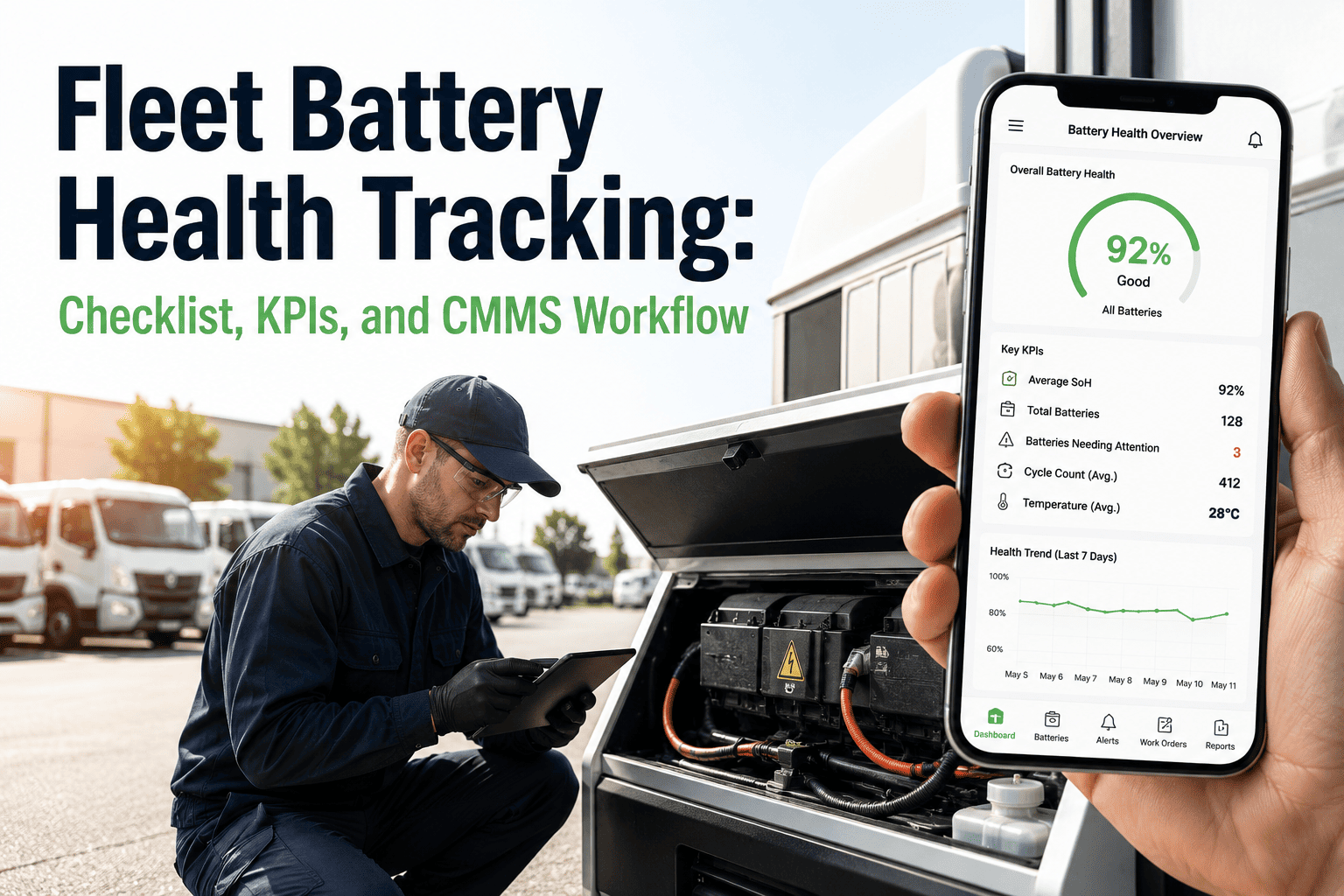
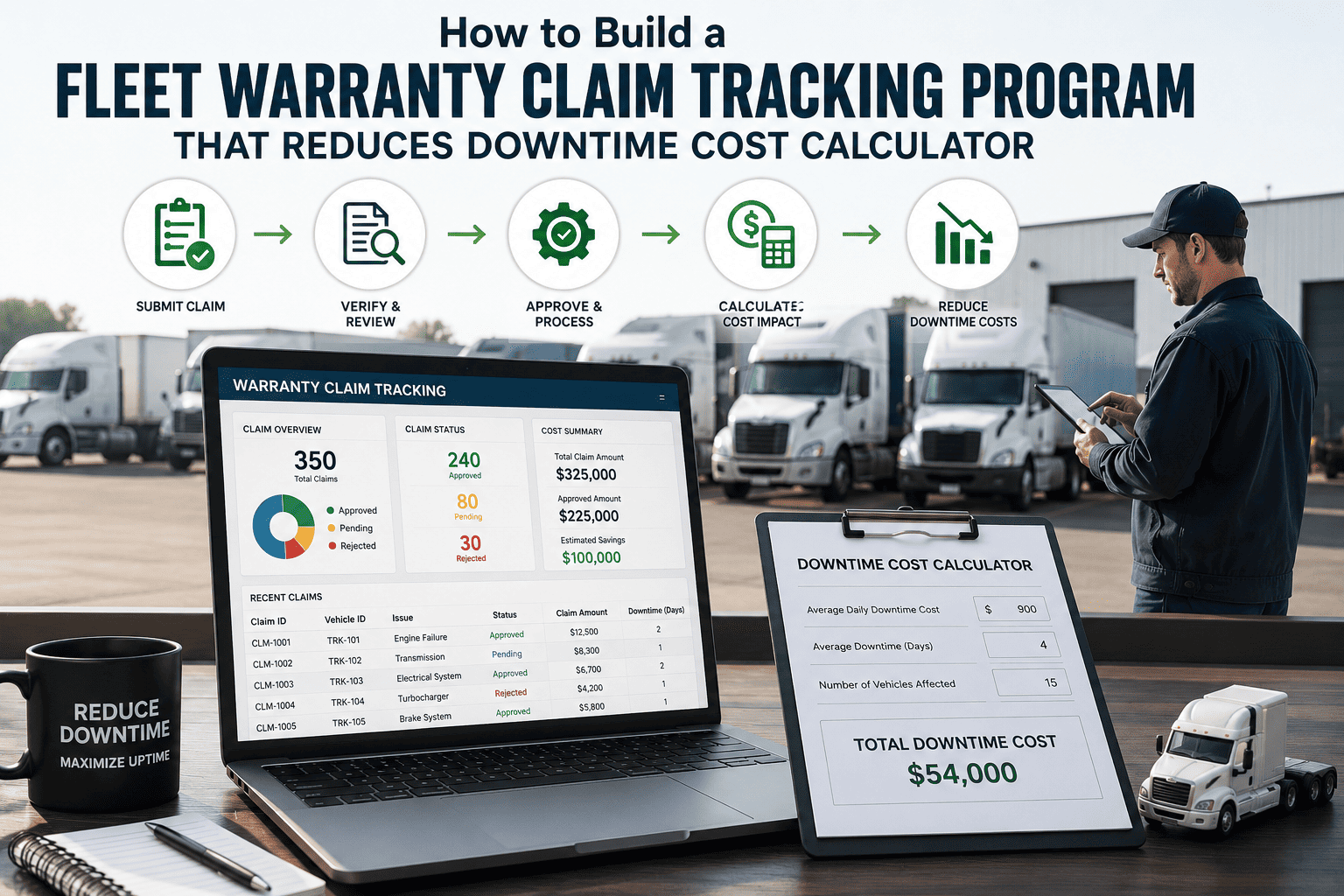
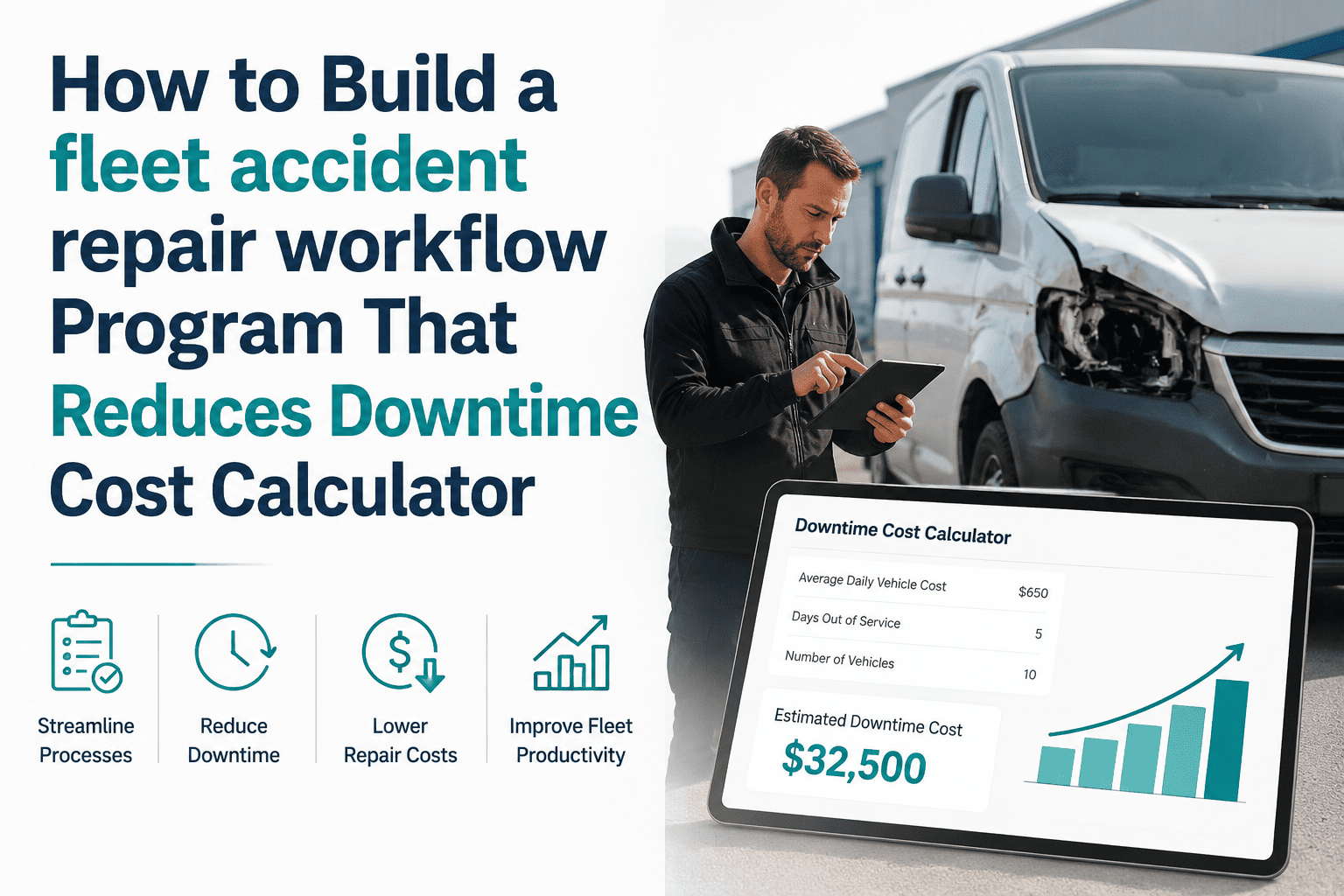
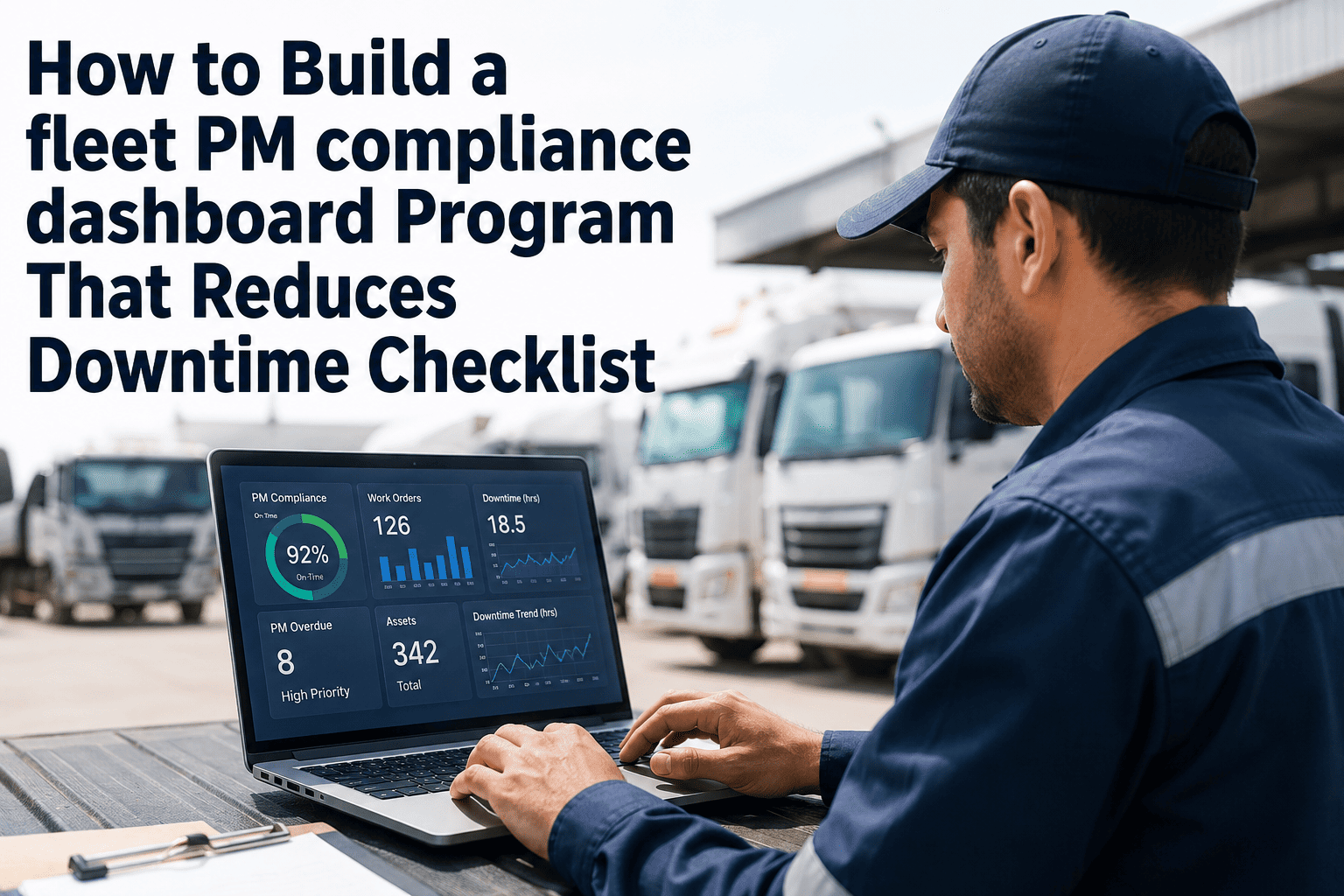
Most fleets do not fail at battery health tracking because they lack data. They fail because the data lives in a telematics portal that nobody opens unless a vehicle has already stranded itself. A program is different from a dashboard — a program has thresholds, owners, and a work order waiting on the other side of every alert. Building that program does not require new hardware or a long rollout. It requires connecting the data you already have to a maintenance workflow that actually acts on it. Start a free trial to see how OxMaint structures this from day one.
Program Guide · Battery Maintenance · 2026
A Battery Health Tracking Program, Not Just a Battery Dashboard
Dashboards show data. Programs reduce downtime. The difference is whether a threshold breach automatically becomes a work order, or just another notification nobody opens.
Why Programs Stall
The Three Ways Battery Tracking Programs Quietly Fail
01
Data Has No Destination
Battery telemetry flows into a telematics portal that is separate from the maintenance system, so degradation alerts sit unread until a vehicle physically underperforms.
02
No One Owns the Threshold
Without a named owner for each alert type, a state-of-health warning becomes everyone's responsibility and therefore no one's — it gets seen and forgotten.
03
ICE and EV Live in Different Systems
When diesel PM schedules and EV battery alerts run in separate tools, fleet managers lose the single view needed to prioritize across the whole operation.
The Build-Out
Four Phases to a Battery Health Program That Sticks
Phase 1
Connect the Data Source
Link your EV telematics provider through API so state-of-health, charge cycle, and thermal data flow into one platform alongside diesel engine data. No hardware installation needed — most fleets see historical data populate within a day.
Phase 2
Set Thresholds Per Vehicle Class
Define the state-of-health percentage, thermal limit, and degradation rate that should trigger action — different van models and duty cycles will not share the same safe thresholds.
Phase 3
Automate the Work Order
Every threshold breach should generate a work order automatically, with the vehicle's degradation history attached, assigned to a named technician with a priority level — not just a flag in a dashboard.
Phase 4
Review the Fleet-Wide Forecast Monthly
Once individual vehicles are tracked, roll degradation curves up into a fleet-wide replacement forecast and review it monthly with finance — turning battery health into a budget line, not a surprise.
OxMaint Program Setup
OxMaint runs all four phases inside one platform — telematics connection, threshold configuration, automated work orders, and forecast reporting, without separate tools for diesel and electric.
The Downtime Math
What Downtime Actually Costs When Battery Issues Go Untracked
$80K–$120K
Accelerated replacement cost per vehicle when degradation runs four years ahead of schedule, unmonitored
25–40%
Lower routine maintenance cost for EVs versus diesel — a savings only realized if battery issues do not erase it
12–18 mo
Advance warning a properly tracked degradation curve gives before a battery crosses its replacement threshold
3+ hrs
Daily dispatcher time lost to manual charge and range coordination in fleets without automated battery alerts
Program Checklist
What a Working Battery Health Program Actually Includes
| Program Component | Without OxMaint | With OxMaint |
|---|---|---|
| Battery data location | Separate telematics portal | Inside the maintenance platform |
| Threshold breach response | Manual review, if noticed | Automatic work order creation |
| ICE and EV visibility | Two disconnected systems | One unified vehicle record |
| Replacement planning | Reactive, after range drops | Forecasted 12 to 18 months ahead |
| Setup time | Weeks of integration work | Same-day telematics connection |
Common Questions
Building a Battery Health Program — What Fleet Managers Ask
How long does it take to launch a battery health program with OxMaint?
Most fleets complete telematics connection and threshold setup within a few days, with automated work orders active from the first threshold breach. Start a free trial to begin setup.
Do we need different thresholds for different vehicle models?
Yes, and OxMaint supports threshold configuration per vehicle class, since duty cycle, battery chemistry, and usage pattern all affect what counts as a safe degradation rate.
Can this program run alongside our existing diesel PM schedules?
Yes. Diesel preventive maintenance schedules and EV battery thresholds run on the same platform, so a maintenance manager sees both vehicle types in one prioritized queue.
Who should own battery health alerts on a maintenance team?
OxMaint assigns each automated work order to a named technician with a priority level, removing the ambiguity that causes alerts to go unaddressed in shared inboxes.
How does a battery health program actually reduce downtime?
By converting silent degradation into a scheduled, planned event instead of an unplanned breakdown — replacement happens on a timeline you set, not one a stranded vehicle forces on you. Book a demo to see it in action.
OxMaint · Battery Health Program
A Program Outlasts a Dashboard. Build the One That Actually Reduces Downtime.
OxMaint turns battery telemetry into a structured program — connected data, configured thresholds, automated work orders, and a monthly forecast finance teams can actually plan around.