Fleet managers running 200+ vehicles lose an average of $4,800 per vehicle annually to unplanned breakdowns — totaling nearly $1M in avoidable costs for a mid-size fleet. The root cause is almost always the same: maintenance scheduled by calendar instead of condition. A preventive maintenance program built on AI-driven condition monitoring, OBD integration, and automated scheduling reduces unplanned downtime by 45–60% in the first 12 months. Start scheduling smarter with OxMaint — free.
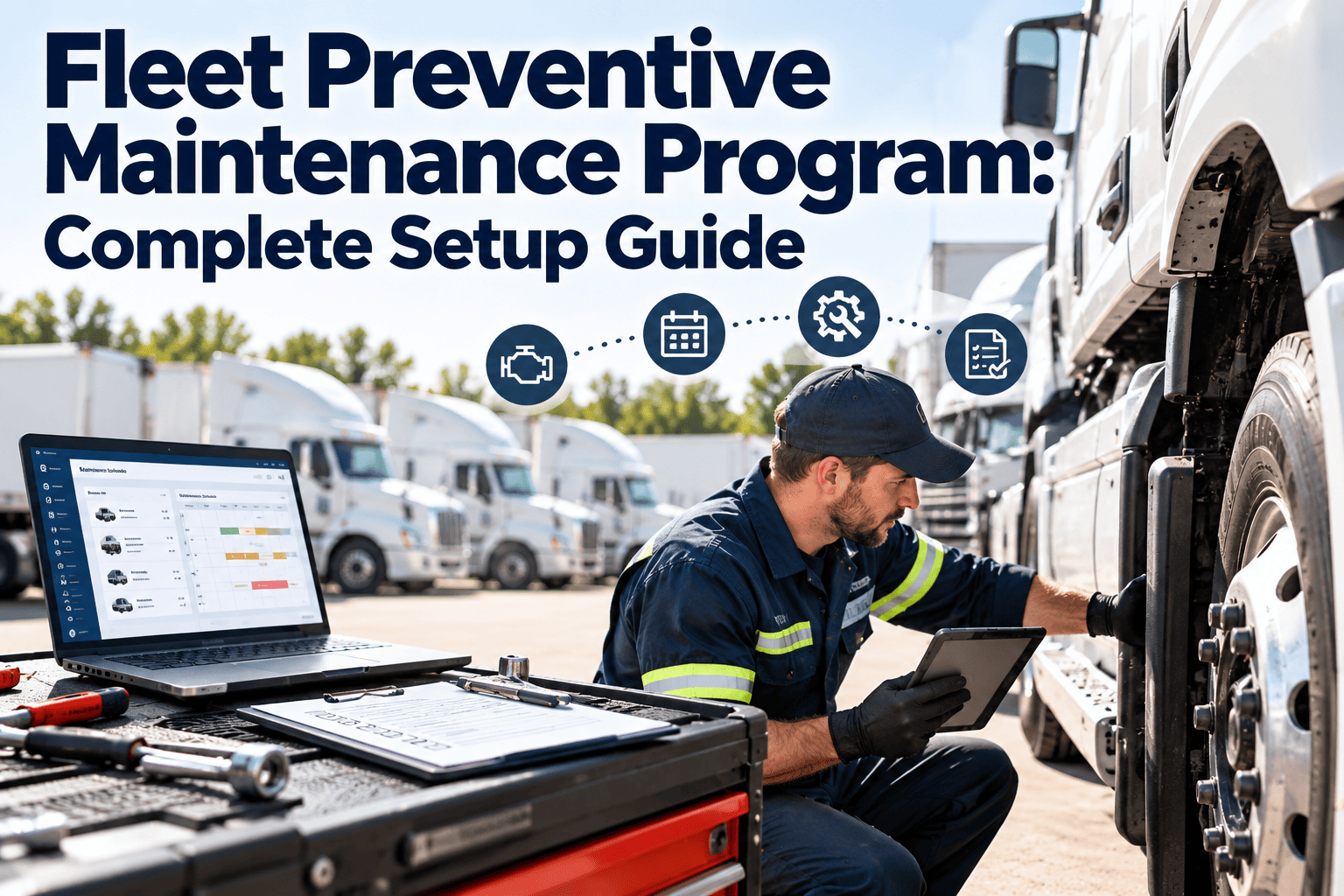
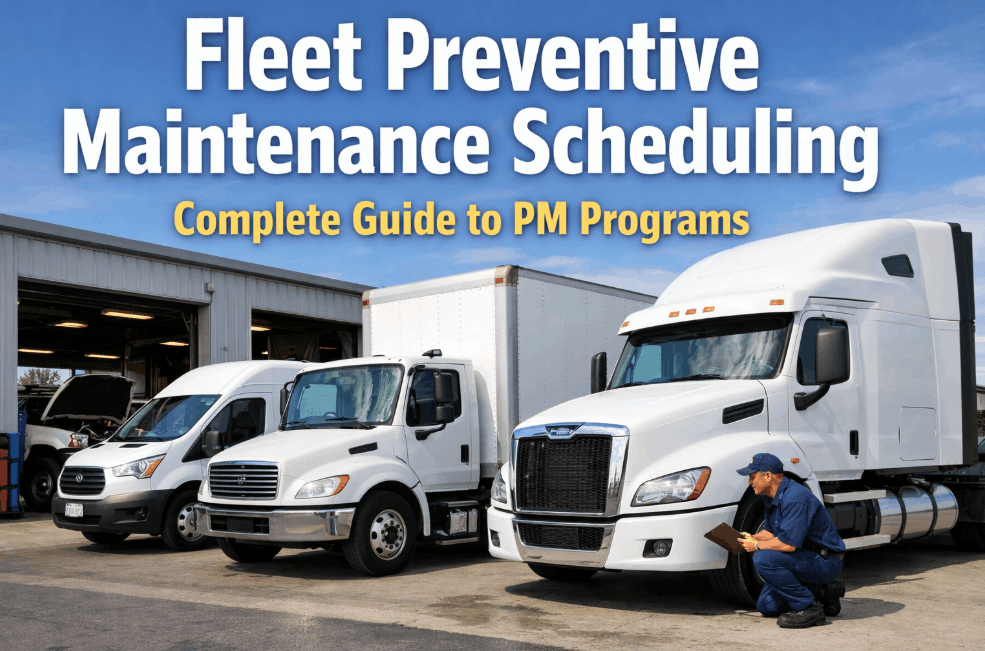
Fleet Preventive Maintenance Scheduling: The Complete AI-Powered Guide
Move from fixed-interval PM to condition-based, AI-optimized scheduling — reduce breakdowns, extend asset life, and cut maintenance costs by 30–40% across your entire fleet.
Why Calendar-Based PM Fails Modern Fleets
Calendar-based preventive maintenance treats every vehicle identically — a delivery truck running 180 miles daily in stop-and-go city traffic gets the same 90-day oil change interval as a highway courier averaging 400 miles of steady-state driving. The result is either over-maintenance that wastes parts and labor, or under-maintenance that leads to catastrophic failures on the road.
OBD-II and telematics data now make it possible to schedule maintenance based on actual engine hours, fuel consumption patterns, and fault code trends — not arbitrary dates. When combined with AI pattern recognition, fleets can predict component degradation 3–6 weeks before failure and schedule service during planned downtime windows. See how OxMaint connects OBD data to PM scheduling.
AI and Integration Technologies That Power Smart PM
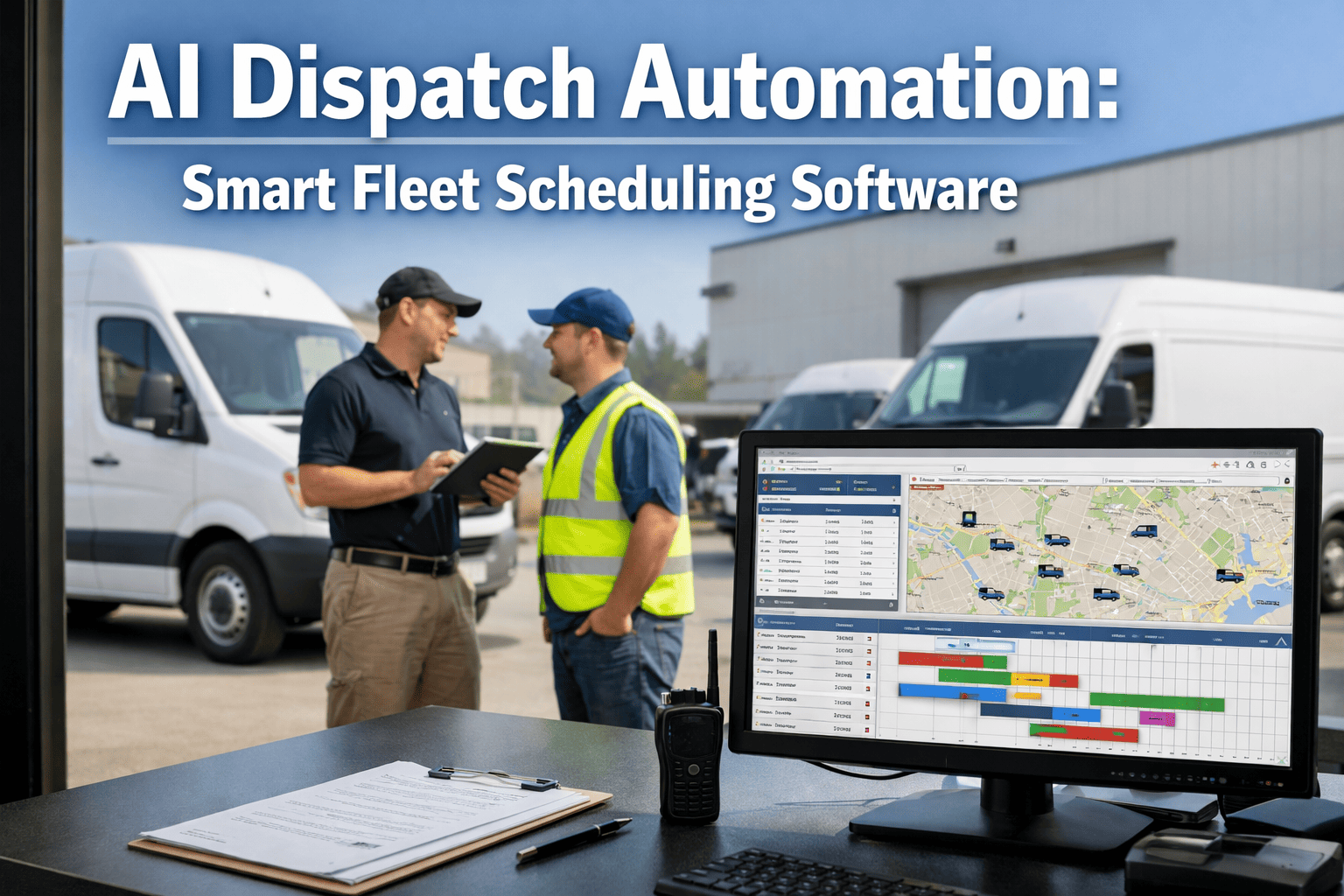
Modern fleet PM scheduling is no longer a standalone calendar — it is a connected system that pulls data from OBD-II ports, telematics platforms, PLC-controlled shop equipment, and ERP systems like SAP. AI camera vision systems now detect exterior damage, tire wear, and fluid leaks during automated check-ins. Digital twin models simulate component degradation under actual operating conditions, predicting failures weeks before they occur.
Condition-Based PM Intervals — What Changes
When your PM scheduling shifts from calendar to condition-based, every major maintenance category gets a smarter interval. OxMaint uses OBD engine hours, oil analysis results, telematics vibration data, and AI degradation models to calculate optimal service timing for each individual vehicle — not a fleet-wide average. The table below shows how AI-optimized intervals compare to traditional fixed schedules across common fleet PM tasks.
| PM Task | Calendar Interval | AI-Optimized Interval | Cost Impact | Failure Risk |
|---|---|---|---|---|
| Engine Oil Change | Every 90 days | Based on oil analysis + engine hours | 35% parts saving | Near-zero engine wear risk |
| Brake Inspection | Every 60 days | Vibration + pad thickness sensor data | 28% labor saving | Failure predicted 4 weeks early |
| Transmission Service | Every 12 months | Shift pattern analysis + fluid condition | 40% fewer premature replacements | Degradation caught 6 weeks early |
| Cooling System | Every 6 months | Temp sensor trend + coolant analysis | 22% cost reduction | Overheating prevented 3 weeks early |
| Tire Rotation | Every 10,000 miles | Tread depth + alignment + load data | 18% longer tire life | Blowout risk eliminated |
| Air Filter | Every 6 months | Airflow restriction + operating environment | 45% fewer unnecessary changes | Engine efficiency maintained |
The Cost of Reactive vs. Preventive — By the Numbers
The financial case for AI-optimized preventive maintenance is straightforward. Reactive maintenance costs 3–5x more than planned service — and that multiplier does not include lost revenue from vehicle downtime, emergency towing, or driver overtime. Here is how a 200-vehicle fleet's annual maintenance economics shift when moving from reactive to AI-driven PM with OxMaint's fleet CMMS.
Fleet PM Program Essentials — Implementation Checklist
Building a high-performing fleet PM program requires more than scheduling software — it requires a complete system connecting assets, technicians, parts, and data. Use this checklist to benchmark your current program against best-in-class fleet operations.
Fleet Manager Perspective
We switched from 90-day fixed intervals to OxMaint condition-based scheduling. First year: breakdowns dropped 52%, maintenance spend came down $336K, and our DOT compliance went from stressful to automatic. The AI caught a transmission pattern across our Freightliner fleet that would have cost us $180K if we had missed it.
Fleet Director, 220 Vehicles — Regional Logistics, TexasFrequently Asked Questions
Stop Scheduling Maintenance by Calendar. Start Scheduling by Condition.
OxMaint connects your fleet data to AI-optimized PM schedules — live in 3–5 days, free to start.