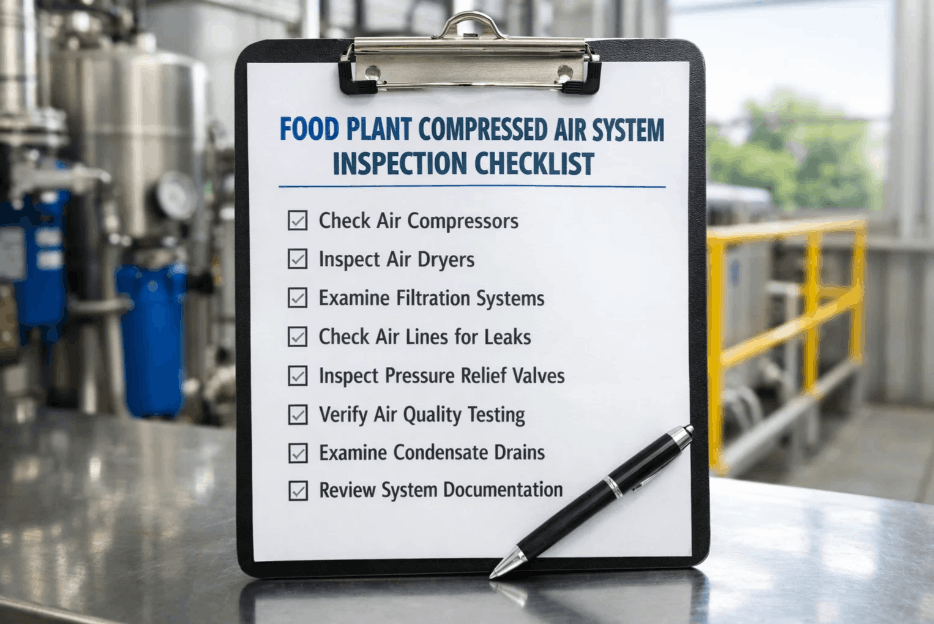
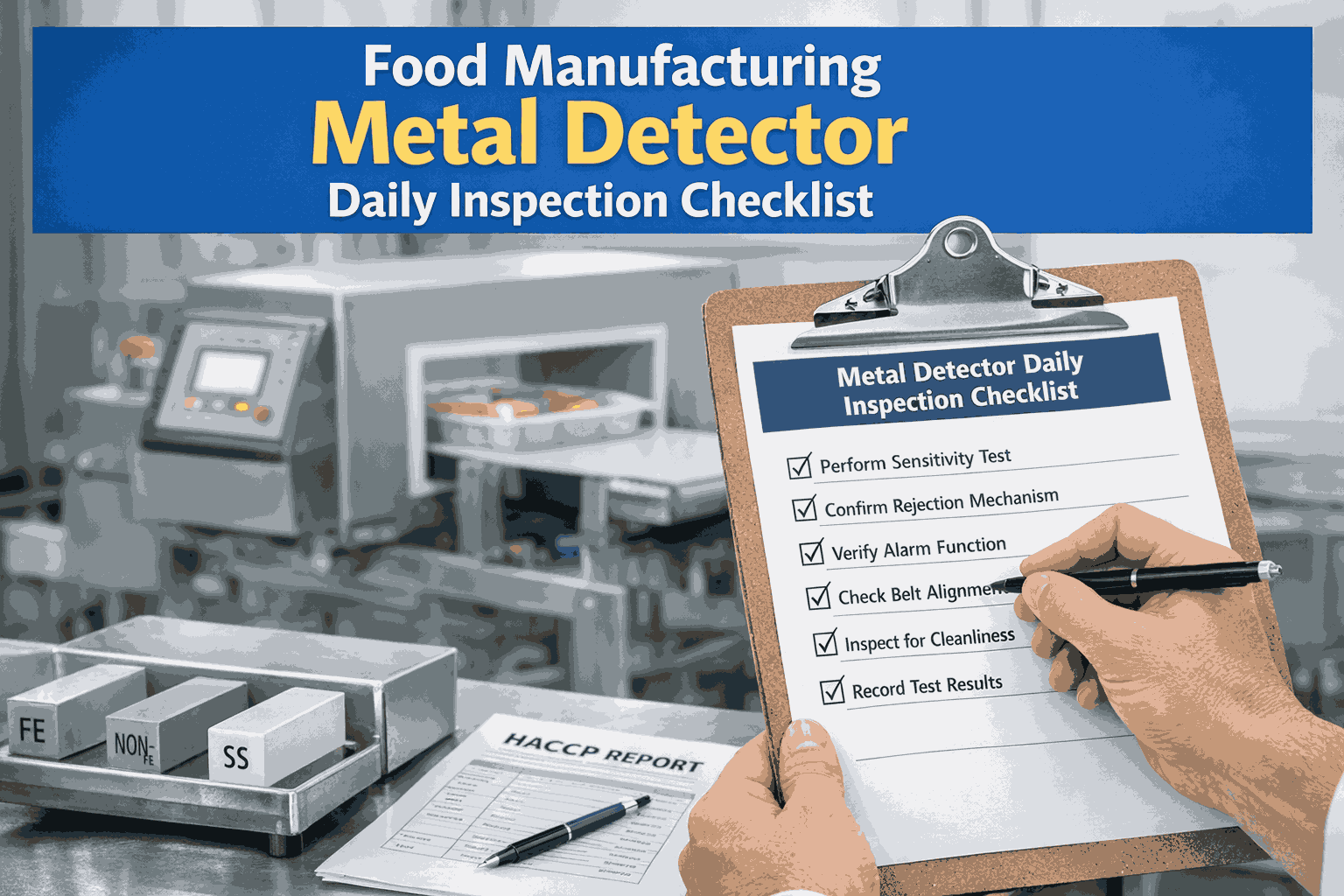
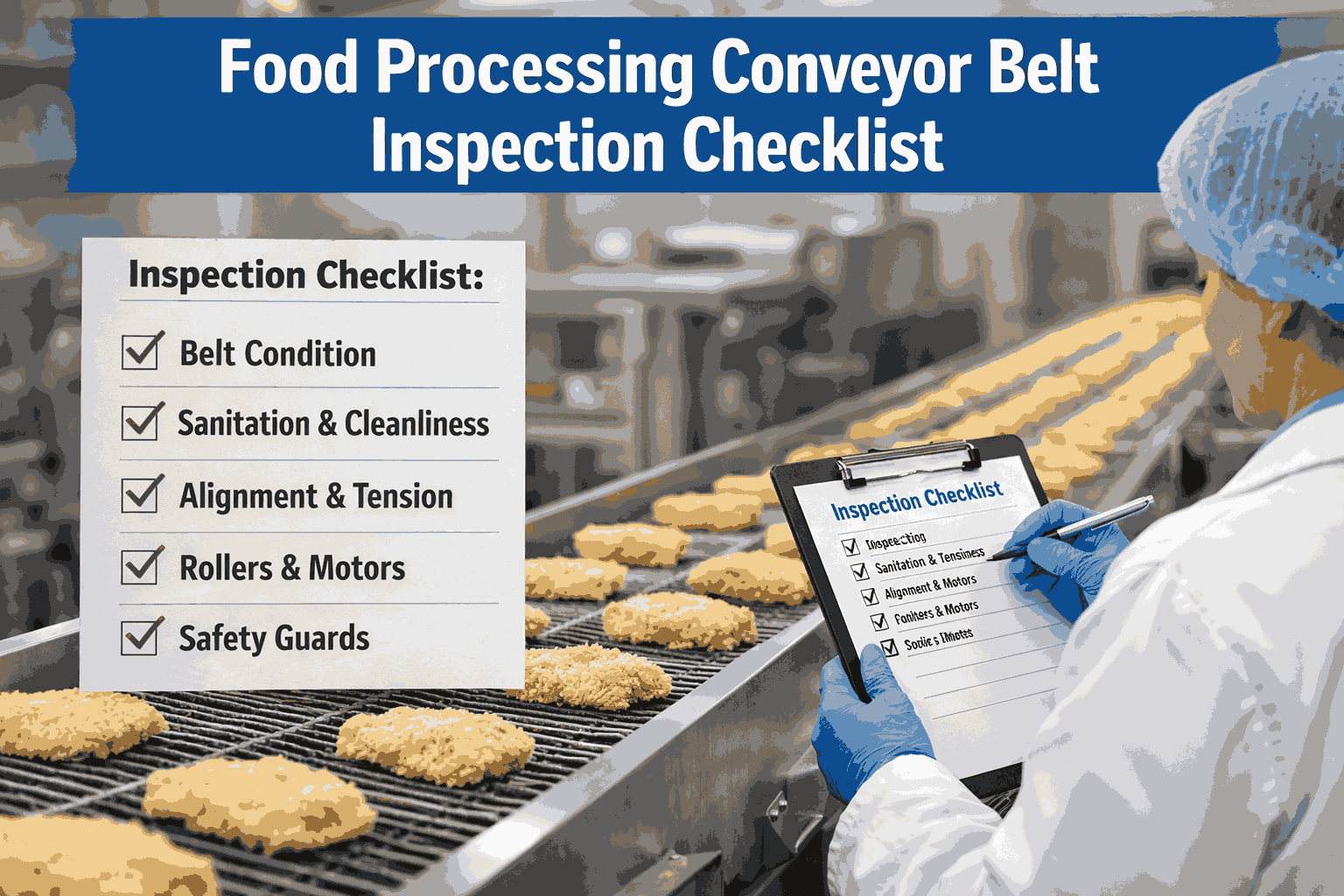
Last month, a beverage bottling plant in Wisconsin lost 14 hours of production—not because of a major breakdown, but because nobody checked the air compressor inspection checklist items that week. The culprit? A clogged coalescing filter that allowed 0.8 mg/m³ of oil mist into the pneumatic system. That's 80 times the acceptable limit for food-grade air. The result: contaminated packaging lines, 23,000 bottles quarantined, and a scramble to pass the FDA audit scheduled for the following Tuesday.
Your compressed air system runs 8,760 hours per year—powering packaging machines, actuating valves, cleaning equipment, and in many cases, directly contacting your product. A single contamination event can trigger recalls, regulatory action, and brand damage that takes years to repair. But here's the reality: 92% of air quality failures trace back to missed inspections. Not equipment defects. Not design flaws. Just overlooked checklist items.
Sign up for specialized maintainance
Inspection Checklist
Air Compressor Inspection Checklist for Food & Beverage Utilities
Systematic inspections that protect your product, your equipment, and your audit readiness.
Failures From Missed Inspections
Caused by Moisture Issues
Downtime Reduction with PM
$18K
average cost
Per Contamination Event
Why Air Compressor Inspections Matter in Food Manufacturing
Compressed air is the "fourth utility" in food plants—as essential as electricity, water, and gas. But unlike those utilities, air quality is entirely your responsibility. Municipal water gets treated before it reaches you. Electricity arrives at consistent voltage. But compressed air? Every contaminant in your compressor room ends up in your air stream unless you actively prevent it.
In food and beverage manufacturing, compressed air directly contacts products during packaging, powers pneumatic conveyors that move ingredients, operates filling valves, and drives cleaning systems. A single compressor running without proper filtration can introduce oil aerosols, moisture, bacteria, and particulates into your entire production environment.
8,760
Hours per year your compressor runs—each hour generating opportunities for contamination if inspections slip.
Don't let contamination surprise you. Schedule a 30-minute walkthrough and see how facilities automate their inspection compliance.
Daily Inspection Checklist: 5 Minutes That Prevent Disasters
Daily checks are your first line of defense. These aren't deep dives—they're quick sensory inspections that catch problems before they escalate. A trained operator can complete all daily items in under 5 minutes per compressor.
Check Pressure Gauges
Verify operating pressure is within spec (typically 100-125 PSI). Note any fluctuations or drops from baseline.
Catches: Leaks, demand issues, valve problems
Listen for Unusual Sounds
Stand near the unit for 30 seconds. Knocking, grinding, or hissing sounds indicate developing problems.
Catches: Bearing wear, valve issues, air leaks
Verify Drain Operation
Confirm automatic drains are cycling and discharging moisture. Manual drains should be opened briefly.
Catches: Moisture buildup, drain failures
Inspect for Visible Leaks
Look for oil puddles, water accumulation, or air hissing from fittings around the compressor and receiver tank.
Catches: Oil leaks, fitting failures, contamination
Check Temperature Readings
Discharge temperature should be under 200°F for rotary screw units. Higher temps indicate cooling or oil issues.
Catches: Cooling failures, oil degradation
Log Operating Hours
Record hour meter reading to track run time for service intervals. Note load/unload cycle frequency.
Catches: Overrunning, inefficient cycling
Want to prevent common failures?Sign in or create an account to understand what these daily checks are designed to catch.
Weekly Inspection Checklist: The Critical Deep Dive
Weekly inspections go beyond sensory checks. These tasks require opening panels, checking fluids, and measuring performance. Schedule 20-30 minutes per compressor, ideally during a low-demand period when you can safely work around the equipment.
Inspect Intake Filters
Remove and visually inspect air intake filters. Check for debris, damage, or excessive contamination. Clean or replace if dirty.
Impact: Dirty filters reduce efficiency 10-15%
Check Oil Level & Condition
Verify oil is at proper level on sight glass. Check color—dark or milky oil indicates degradation or moisture contamination.
Impact: Low oil causes bearing failure
Test Condensate Drains
Manually activate automatic drains to verify function. Check for proper discharge volume. Clean any clogged drain lines.
Impact: Failed drains allow moisture into system
Check Filter Differential Pressure
Read differential pressure gauges across coalescing and particulate filters. Replace when ΔP exceeds manufacturer spec (typically 8-10 PSI).
Impact: High ΔP wastes energy, risks breakthrough
Inspect Belt Condition
Check drive belts for cracks, glazing, or fraying. Verify proper tension—belts should deflect ½" per foot of span.
Impact: Worn belts cause efficiency loss, failure
Clean Cooler Surfaces
Blow out or wash aftercooler and oil cooler fins. Blocked cooling surfaces cause overheating and oil breakdown.
Impact: Dirty coolers increase discharge temp 20-40°F
Get the Complete Digital Checklist
Download our mobile-ready air compressor inspection checklist with automated reminders, photo documentation, and instant compliance reports.
Monthly Inspection Checklist: System Performance Review
Monthly inspections focus on system-level performance and safety verification. These tasks often require the compressor to be shut down and locked out. Plan for 1-2 hours and coordinate with production scheduling.
Test Safety Relief Valves
Manually lift safety valves to verify they open and reseat properly. Document test date and result. Replace valves that don't reseat.
Compliance: Required by ASME/OSHA
Verify Motor Amperage
Measure motor current during loaded operation. Compare to nameplate FLA. High amps indicate mechanical issues or voltage problems.
Catches: Bearing wear, electrical faults
Inspect Separator Element
Check oil/air separator differential pressure. High ΔP (>10 PSI) indicates element saturation. Inspect element if accessible.
Impact: Failed separators cause oil carryover
Check Coupling Alignment
Verify motor-to-compressor coupling alignment using straightedge or laser. Misalignment causes vibration and premature bearing failure.
Catches: Vibration issues, bearing wear
Review Control Settings
Verify pressure setpoints, load/unload parameters, and sequencing logic match operational requirements. Adjust for seasonal demand changes.
Impact: Wrong settings waste 20-30% energy
Leak Detection Survey
Use ultrasonic leak detector to survey piping, fittings, and point-of-use connections. Document and tag all leaks for repair.
Impact: Leaks waste 20-30% of compressed air
Track inspection trends over time. Sign in because our systems automatically flags when readings drift from baseline—so you catch problems before they become failures.
Annual Inspection: Professional Assessment & Compliance
Annual inspections require professional assessment and specialized testing. These verify food safety compliance, validate air quality, and satisfy regulatory requirements. Budget for professional service costs and potential downtime.
Required
Air Quality Testing
Test for oil content, particulates, and moisture per ISO 8573-1. Food contact applications require Class 1.2.1 or better.
Required
Vibration Analysis
Professional vibration analysis to detect bearing wear, imbalance, and misalignment before catastrophic failure.
Required
Electrical Inspection
Thermographic scan of electrical connections. Megohm test of motor windings. Verify starter and protection device function.
Required
Pressure Vessel Inspection
Internal inspection of receiver tanks per jurisdiction requirements. Document wall thickness and corrosion status.
⚠️ FDA & GFSI Audit Requirement: Maintain documented air quality test results and inspection records. Auditors verify compliance history going back 12-24 months.
Start building your compliance record →
Food Safety-Specific Inspection Points
In food and beverage facilities, standard compressor inspections aren't enough. You need additional checks that address contamination risks specific to food production environments. These items should be integrated into your weekly and monthly routines.
Oil Carryover Testing
Use oil indicator tubes or electronic monitors downstream of filters. Food-grade air must contain <0.01 mg/m³ oil for direct product contact.
Frequency: Weekly
Dew Point Verification
Measure pressure dew point downstream of dryer. Target -40°F PDP for food applications to prevent microbial growth in lines.
Frequency: Weekly
Microbial Sampling
Collect air samples at point-of-use for bacterial and fungal testing. Required for direct food contact applications per BCAS guidelines.
Frequency: Monthly
Filter Integrity Testing
Verify sterile filter integrity using bubble point or pressure decay testing. Failed filters allow bacteria into clean air streams.
Frequency: Monthly
Food-Grade Lubricant Verification
Confirm only NSF H1 registered lubricants are used in compressors where oil carryover could contact food or packaging.
Frequency: Each oil change
Compressor Room Cleanliness
Inspect compressor room for dust, debris, and contamination sources. Intake air quality directly affects output quality.
Frequency: Weekly
Turn This Checklist Into Automated Workflows
Oxmaint digitizes your inspection checklist with mobile apps, automated scheduling, photo documentation, and real-time compliance dashboards. Never miss an inspection again.
Frequently Asked Questions
How often should air compressors be inspected in food manufacturing?
Air compressors in food manufacturing require daily visual checks (5 minutes), weekly filter and drain inspections (20-30 minutes), monthly comprehensive reviews (1-2 hours), and annual professional assessments. FDA and GFSI guidelines recommend documented inspections at each interval to ensure food-grade air quality and audit readiness.
What are the most critical air compressor inspection points for food safety?
The most critical inspection points are oil carryover testing (must be <0.01 mg/m³), moisture content monitoring (target -40°F pressure dew point), particulate filtration verification, and microbial contamination checks. These directly impact product safety when compressed air contacts food or packaging.
What causes most air compressor failures in food plants?
Moisture accumulation causes 40% of failures, followed by inadequate filtration (25%), oil contamination (20%), and overheating from blocked cooling systems (15%). Regular inspection catches these issues 2-4 weeks before they cause downtime or contamination events.
How do I know if my compressed air meets food-grade standards?
Food-grade compressed air must meet ISO 8573-1 Class 1.2.1 or better for direct food contact applications. This requires testing for oil content (<0.01 mg/m³), moisture (pressure dew point -40°C), and particulates (<0.1 micron). Quarterly testing with documented results is recommended for compliance.
What documentation is required for air compressor inspections in food facilities?
FDA and GFSI auditors require timestamped inspection records, corrective action logs, filter change documentation, air quality test results, and maintenance history. Digital CMMS systems like Oxmaint automatically generate audit-ready documentation with photo evidence and electronic signatures.
→ Start documenting inspections now