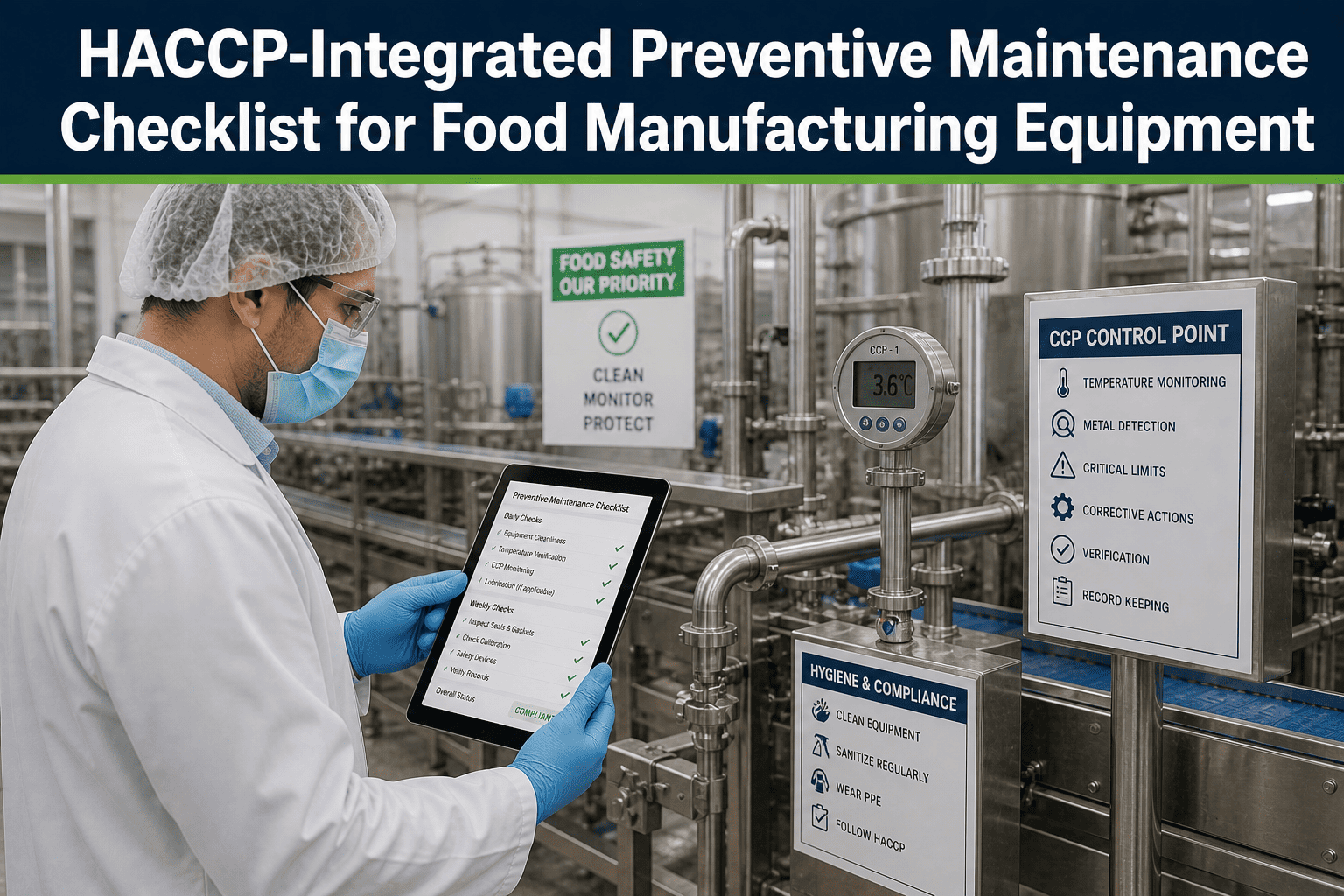
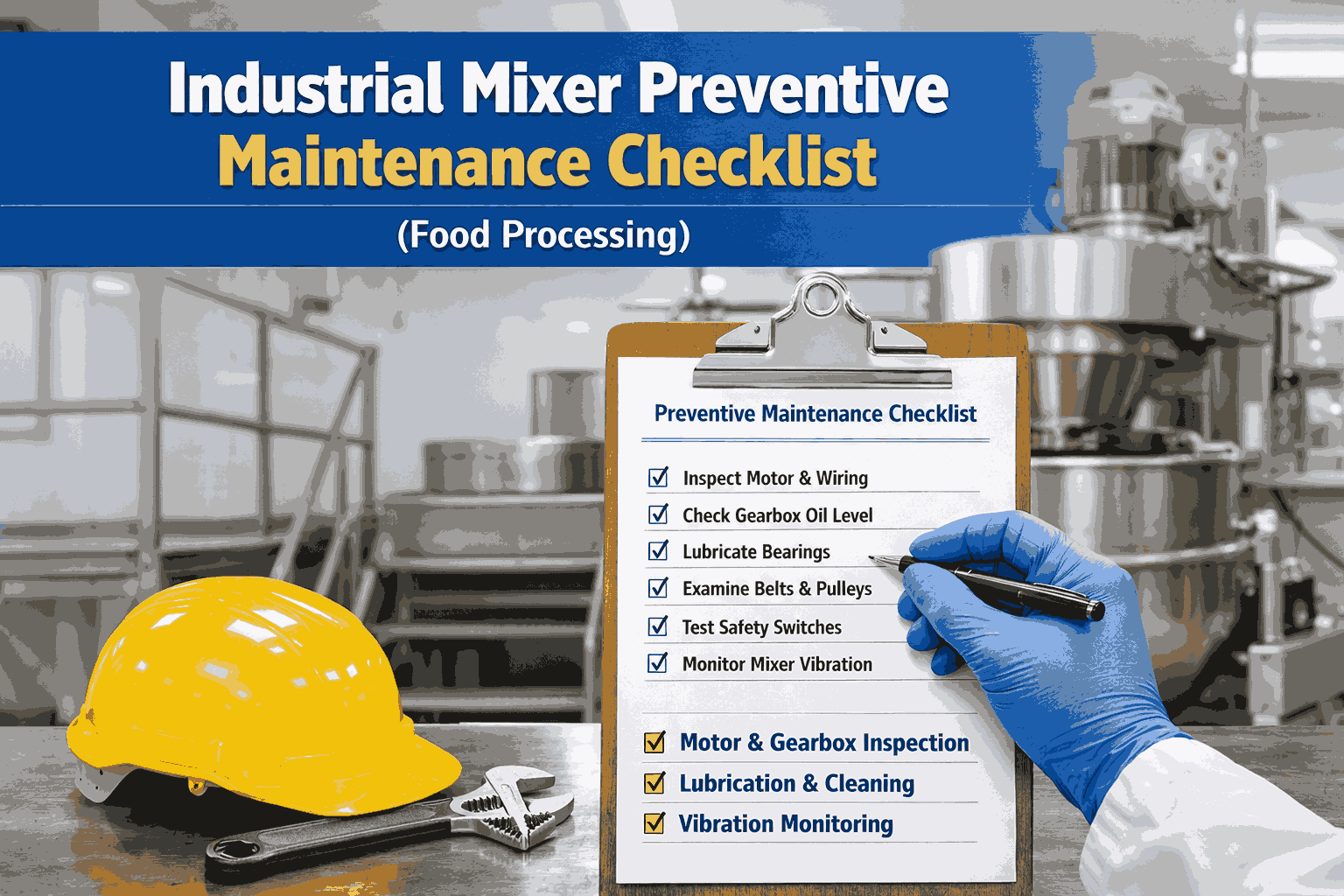
A frozen pizza manufacturer in Indiana lost 42,000 pounds of product when their blast freezer failed during a weekend shift—the compressor had been showing warning signs for weeks, but without systematic inspection records, nobody connected the dots until ice cream sandwiches started thawing. The emergency repair cost $28,000; the product loss exceeded $180,000. Facilities using by Signing Up to Oxmaint for digital maintenance checklists catch these warning signs early, tracking trends that predict failures before they destroy inventory.
Blast freezers operate under extreme conditions—rapidly dropping product temperatures from ambient to -18°C or below within hours. This thermal stress, combined with constant defrost cycles and heavy production loads, accelerates wear on compressors, evaporators, and control systems. A structured maintenance checklist ensures your rapid freezing equipment delivers consistent performance, energy efficiency, and food safety compliance. Book a demo to see how Oxmaint's Inspection Checklists digitize your freezer maintenance program.
Maintenance Checklist / Refrigeration
Blast Freezer Maintenance Checklist
Comprehensive inspection protocols for rapid freezing equipment in food manufacturing facilities.
Target Missed Inspections
Daily Inspection Checklist
Complete these checks at the start of each production shift. Document any anomalies immediately and report to maintenance. Start free with Oxmaint to digitize daily inspections.
Weekly Maintenance Checklist
Schedule weekly inspections during planned downtime or sanitation periods. These checks prevent minor issues from becoming major failures.
Digitize Your Freezer Inspections
Oxmaint's mobile checklists capture timestamps, photos, and readings automatically—creating audit-ready documentation.
Monthly Maintenance Checklist
Monthly tasks require more time and may need coordination with refrigeration technicians. Schedule during extended maintenance windows.
Quarterly & Annual Service
These tasks typically require certified refrigeration technicians. Coordinate with your service provider and maintain documentation for compliance.
Refrigerant leak detection scan
Compressor vibration analysis
Electrical amp draw measurement
Expansion valve inspection
Oil acid test
Control system firmware updates
Complete refrigerant charge verification
Compressor valve inspection
Motor insulation resistance test
Full control system calibration
Structural integrity inspection
Energy efficiency assessment
Common Failure Warning Signs
Train operators to recognize these indicators. Early detection prevents product loss and reduces repair costs.
TMP
Temperature Fluctuations
Temperature swings beyond normal defrost cycles indicate refrigerant issues, control problems, or compressor degradation.
Action: Check refrigerant pressures and defrost settings immediately
ICE
Excessive Ice Buildup
Heavy frost on evaporator coils beyond normal operation suggests defrost failure, door seal leaks, or refrigerant undercharge.
Action: Verify defrost cycle operation and door seal integrity
SND
Unusual Noises
Grinding, squealing, or knocking sounds indicate bearing wear, loose components, or compressor valve problems.
Action: Identify source and schedule service before failure
CYC
Short Cycling
Compressor starting and stopping frequently indicates pressure switch issues, refrigerant problems, or electrical faults.
Action: Check pressures and electrical components immediately
Troubleshooting Quick Reference
Use this table for initial diagnosis. Complex issues require certified refrigeration technicians.
Unit not cooling
Power failure, thermostat setting, compressor fault
Check power, verify setpoint, listen for compressor
Insufficient cooling
Low refrigerant, dirty coils, door seal leak
Clean coils, check door seals, call tech for refrigerant
Ice on evaporator
Defrost failure, low airflow, door left open
Initiate manual defrost, check fan operation
High energy bills
Dirty condenser, refrigerant leak, door seal failure
Clean condenser, inspect seals, schedule efficiency audit
Water on floor
Blocked drain, excessive humidity, door seal leak
Clear drain line, check door seals
Track Maintenance History Automatically
Oxmaint records every inspection, links findings to work orders, and generates compliance reports for auditors.
Documentation Requirements
Maintain these records for food safety compliance and equipment warranty protection. Sign Up to Oxmaint and store records digitally with automatic backup and instant retrieval.
Temperature Logs
Continuous or periodic temperature recordings with timestamps. Required for FSMA compliance and customer audits.
Retain: 2+ years
Maintenance Records
All PM completions, repairs, and service calls with technician notes and parts used.
Retain: Equipment life + 2 years
Refrigerant Tracking
EPA-required logs for refrigerant additions, recoveries, and leak repairs (Section 608).
Retain: 3 years minimum
Calibration Records
Documentation of temperature sensor and control calibration with reference standards.
Retain: 2+ years
Frequently Asked Questions
How often should blast freezers be serviced?
Daily operator checks, weekly inspections, monthly deep cleaning, and quarterly professional service is the recommended schedule. High-volume operations may need more frequent attention.
Book a consultation to develop a schedule for your operation.
What temperature should a blast freezer maintain?
Blast freezers typically operate at -30°C to -40°C (-22°F to -40°F) air temperature to achieve rapid product freezing. Final product temperature targets are usually -18°C (0°F) or below within the specified freezing time.
How do I know if my blast freezer needs refrigerant?
Signs include longer freeze times, higher than normal suction pressure, lower than normal discharge pressure, and ice forming only on part of the evaporator. Only certified technicians should handle refrigerant—EPA regulations require proper certification and documentation.
Can maintenance checklists be completed on mobile devices?
Yes—Oxmaint's mobile app works in freezer environments with offline capability. Technicians complete checklists on smartphones or tablets, with automatic syncing when connectivity returns.
Prevent Freezer Failures Before They Happen
Oxmaint helps food manufacturers maintain blast freezers with digital checklists, automated scheduling, and compliance documentation.