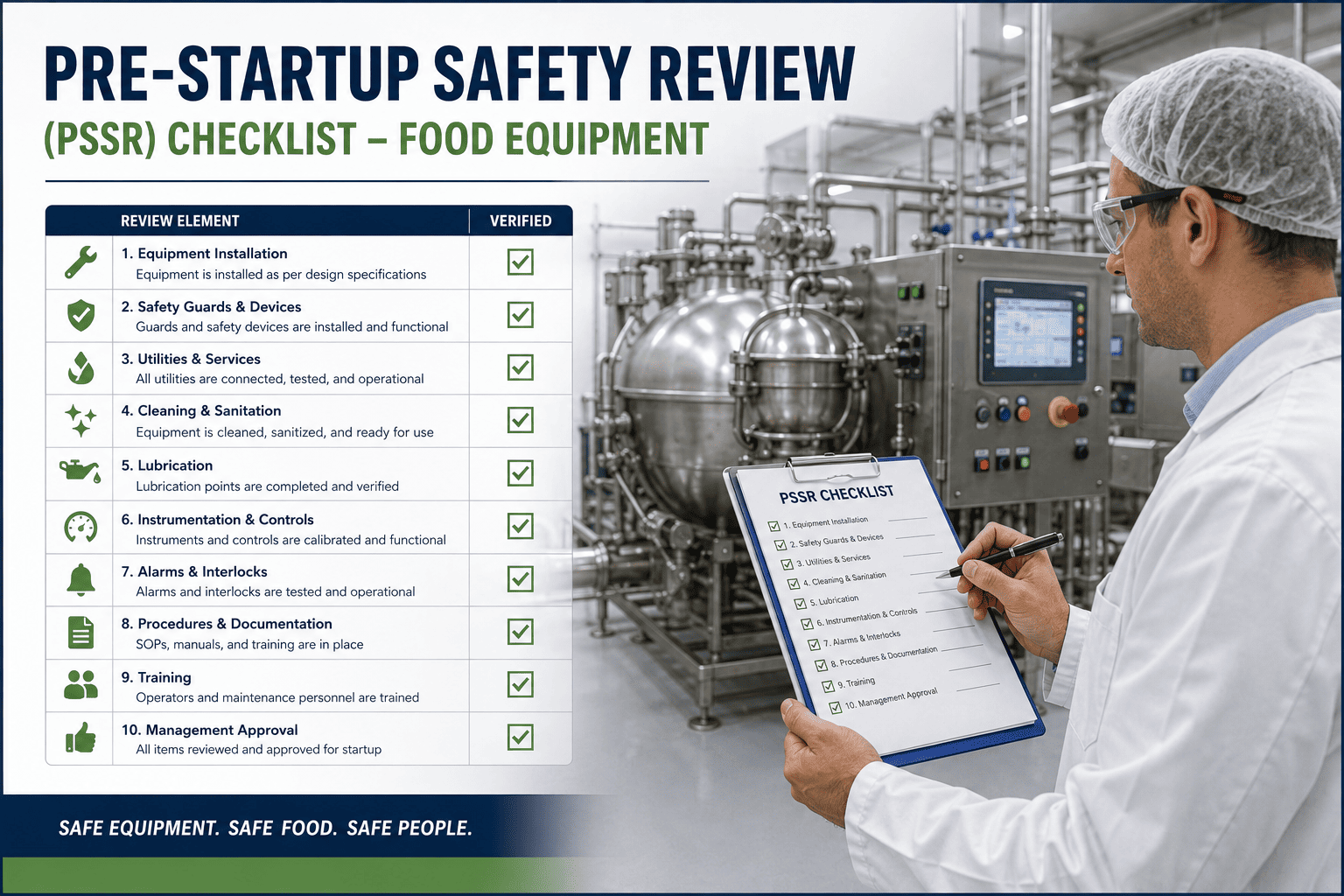
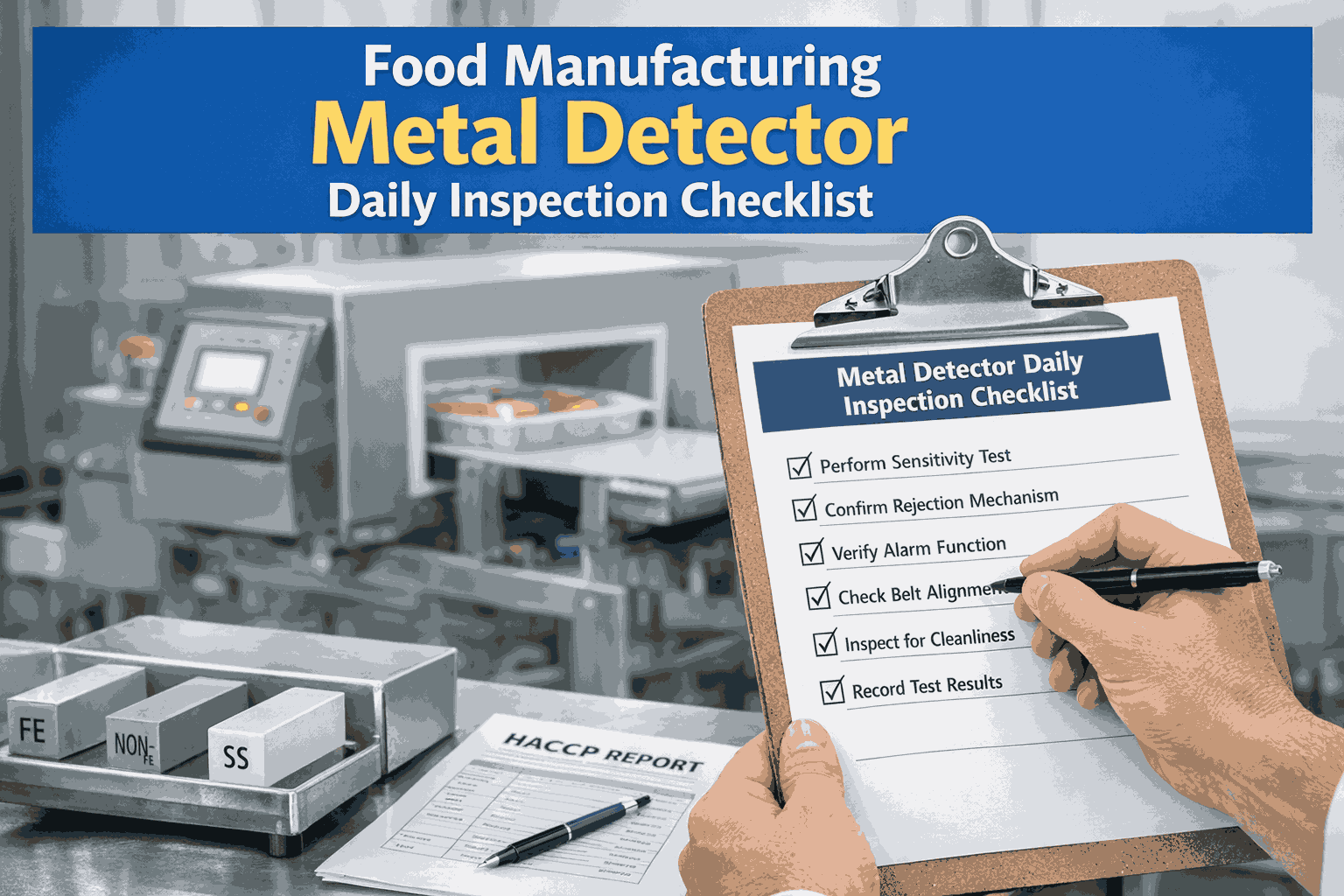
An FDA auditor requested filling line maintenance records during an unannounced inspection at a dairy processing facility in Wisconsin. The maintenance manager produced a collection of documents from multiple sources: handwritten notes from operators, calibration certificates filed separately in the quality office, and work orders stored in a different system. After three hours of document assembly, the auditor noted significant gaps in the inspection history. Fill valve inspections showed inconsistent frequency. Conveyor alignment records existed for only eight of twelve months. Sensor calibration documentation lacked the detail required to verify accuracy. The resulting observations required a formal corrective action response and consumed four months of management attention. Facilities implementing structured filling line inspection programs with standardized report templates maintain audit-ready documentation that demonstrates systematic control over equipment critical to product quality and food safety.
Filling lines require comprehensive inspection programs covering mechanical components, sensors, sanitary surfaces, and safety systems. Each subsystem has different inspection requirements and frequencies based on wear characteristics, failure modes, and regulatory expectations. Without structured inspection procedures, critical components receive inconsistent attention, documentation varies between inspectors, and audit preparation becomes a scramble to assemble records that may not exist.
Sign up to implement structured filling line inspection programs or book a demo to see how digital inspection templates ensure consistent, audit-ready documentation.
Inspection Program
Filling Line Inspection Guide & Report Template
Comprehensive inspection procedures and standardized documentation templates for food and beverage filling line maintenance compliance.
Of Facilities Lack Systematic Filling Line Inspection Programs
Reduction in Unplanned Downtime with Structured Inspection
Of Audit Findings Relate to Inspection Documentation Gaps
94%
success rate
First-Pass Audit Success with Standardized Reports
Building an Effective Filling Line Inspection Program
Effective inspection programs balance thoroughness with practicality. Inspecting everything at maximum frequency creates unsustainable workload. Inspecting too infrequently allows problems to develop between checks. The key is matching inspection frequency to each component's failure characteristics and criticality to product quality and safety.
A well-designed program defines what to inspect, how often to inspect, what acceptance criteria apply, and how to document findings. Standardized report templates ensure inspectors capture required information consistently, enabling trend analysis and demonstrating systematic control to auditors. The program should cover mechanical systems, sanitary surfaces, sensors and instruments, safety devices, and supporting utilities.
41%
of food safety audit findings involve inspection documentation deficiencies. Common citations include missing inspection records, inconsistent documentation formats, lack of defined acceptance criteria, findings without corrective action documentation, and inability to demonstrate management review. Standardized inspection programs with proper templates address these common findings.
The inspection procedures and templates in this guide provide a starting framework. Customize frequencies and acceptance criteria based on your specific equipment, product characteristics, and regulatory requirements. Document the rationale for your program design to demonstrate the systematic approach auditors expect.
Sign up for Oxmaint to implement digital inspection templates with automatic scheduling and trend analysis.
Filling Line Inspection Frequency Matrix
This matrix defines recommended inspection frequencies for filling line components. Adjust frequencies based on equipment age, failure history, and criticality to your specific operation.
Fill Valves/Nozzles
Visual
Function
Detailed
--
Rebuild
Level Sensors
Verify
Calibration Check
Full Calibration
--
Replacement Review
Conveyor Systems
Visual
Alignment
Detailed
Belt/Chain
Overhaul
Star Wheels/Timing Screws
Visual
Wear Check
Measurement
--
Replacement Review
Capper/Sealer
Visual
Torque Check
Detailed
Wear Parts
Overhaul
Safety Interlocks
Function Test
--
Detailed Test
Full Audit
--
Reject Systems
Function Test
Performance
Detailed
--
Overhaul
Sanitary Surfaces
Visual
ATP/Swab
Detailed
--
Surface Condition
Drive Systems
Visual
Lubrication
Vibration
Oil Analysis
Overhaul
Electrical Systems
--
Visual
Connections
Thermal Scan
Full Inspection
Get Digital Inspection Templates
Get ready-to-use filling line inspection templates with automatic scheduling, photo documentation, and trend analysis capabilities.
Component-Specific Inspection Procedures
Detailed inspection procedures ensure consistent evaluation regardless of which technician performs the inspection. Each procedure defines what to examine, how to evaluate condition, and when to reject or escalate findings.
Visual Inspection Points
Valve body for cracks, corrosion, or damage
Sealing surfaces for wear, scoring, or buildup
Product contact surfaces for pitting or residue
Mounting hardware for looseness
Actuator condition and air line connections
Functional Verification
Valve opens and closes smoothly
No leakage when closed
Fill volume within specification
Response time consistent
Rejection Criteria
Any visible cracking, seal wear greater than 50%, fill volume variance exceeding +/- 2%, leakage when closed, or slow/erratic response
Visual Inspection Points
Belt/chain condition and tension
Tracking alignment center of conveyor
Guide rail condition and spacing
Wear strip condition
Drive sprockets/pulleys for wear
Functional Verification
Belt tracks consistently without wandering
Speed matches setpoint
No unusual vibration or noise
Containers flow smoothly without tipping
Rejection Criteria
Belt fraying or cracking, tracking deviation greater than 1/4", worn sprocket teeth, guide rail wear creating pinch points, or excessive vibration
Visual Inspection Points
Pocket wear patterns and depth
Timing screw flight condition
Bearing play and noise
Mounting security and alignment
Timing mark alignment
Measurement Requirements
Pocket depth at multiple points
Timing screw pitch consistency
Clearance to fixed guides
Rejection Criteria
Pocket depth worn more than 2mm from original, visible timing screw flight wear, detectable bearing play, or timing drift from reference marks
Visual Inspection Points
Capping head condition and wear
Gripper mechanism operation
Cap chute alignment and condition
Centering mechanism components
Torque spindle condition
Functional Verification
Application torque within specification
Removal torque within specification
Cap orientation correct
Seal integrity verified
Rejection Criteria
Torque variance exceeding +/- 10%, damaged capping heads, worn grippers not maintaining grip, or cross-threading rate exceeding 0.5%
Visual Inspection Points
Sensor face cleanliness
Cable and connector condition
Mounting security and alignment
Indicator light function
Calibration Verification
Compare reading to known reference
Verify response to targets
Check calibration due date
Document as-found readings
Rejection Criteria
Reading deviation exceeding tolerance, erratic or unstable output, physical damage, past calibration due date, or failed response test
Visual Inspection Points
Product contact surface condition
Weld quality and smoothness
Gasket condition and seating
Absence of cracks, pits, or crevices
Fastener condition (no rust, proper material)
Cleanliness Verification
Visual absence of residue
ATP swab test results
No biofilm development
Rejection Criteria
Surface roughness exceeding Ra 0.8 μm, visible pitting or corrosion, damaged gaskets, ATP reading exceeding limit, or evidence of biofilm
Digital Inspection Reports with Automatic Trend Analysis
Oxmaint converts inspection data into actionable insights, identifying patterns that guide proactive maintenance decisions.
Frequently Asked Questions: Filling Line Inspection
How do we determine appropriate inspection frequencies?
Base inspection frequencies on manufacturer recommendations, equipment failure history, criticality to product quality and safety, and regulatory requirements. Start with conservative frequencies for new equipment, then adjust based on findings. Components showing no issues over multiple cycles may have frequencies extended. Components showing repeated findings need more frequent inspection.
Who should perform filling line inspections?
Daily operational inspections can be performed by trained operators. Weekly and monthly detailed inspections typically require maintenance technicians with equipment-specific training. Specialized inspections (electrical, calibration) may require qualified specialists. Document training requirements for each inspection type and maintain training records for all inspectors.
How do we handle findings that can't be immediately corrected?
Document the finding with clear description and severity classification.
Sign up for Oxmaint to automatically generate work orders from inspection findings with target completion dates. Implement interim controls if needed to mitigate risk. Track the open corrective action until complete and verify effectiveness through subsequent inspection.
What level of detail should inspection reports contain?
Reports should contain sufficient detail for another qualified person to understand what was inspected, what was found, and what action was taken. Include specific equipment identification, quantitative measurements where applicable, clear pass/fail determinations, and description of any anomalies. Avoid vague terms like "looked OK" - instead document specific observations.
How do we demonstrate management oversight of the inspection program?
Document regular management review of inspection program performance. This includes reviewing completion rates, examining finding trends, ensuring corrective actions close on time, and making decisions about program improvements. Keep meeting minutes documenting what was reviewed and decisions made. This evidence satisfies auditor expectations for management involvement.
Audit-Ready Filling Line Inspection Documentation
Oxmaint provides the complete inspection program framework: digital templates, automated scheduling, finding tracking, and trend analysis that demonstrates systematic control to auditors.