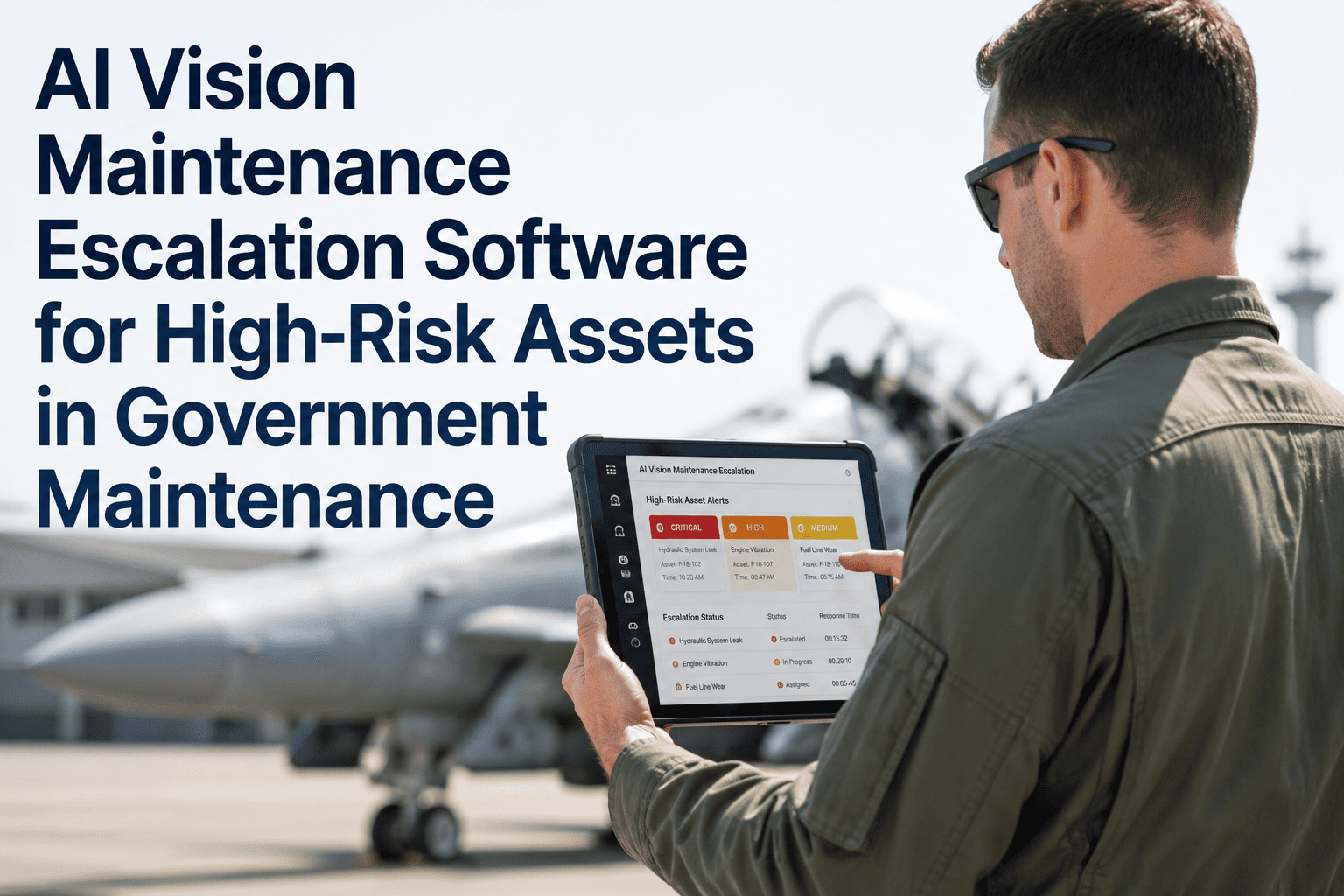
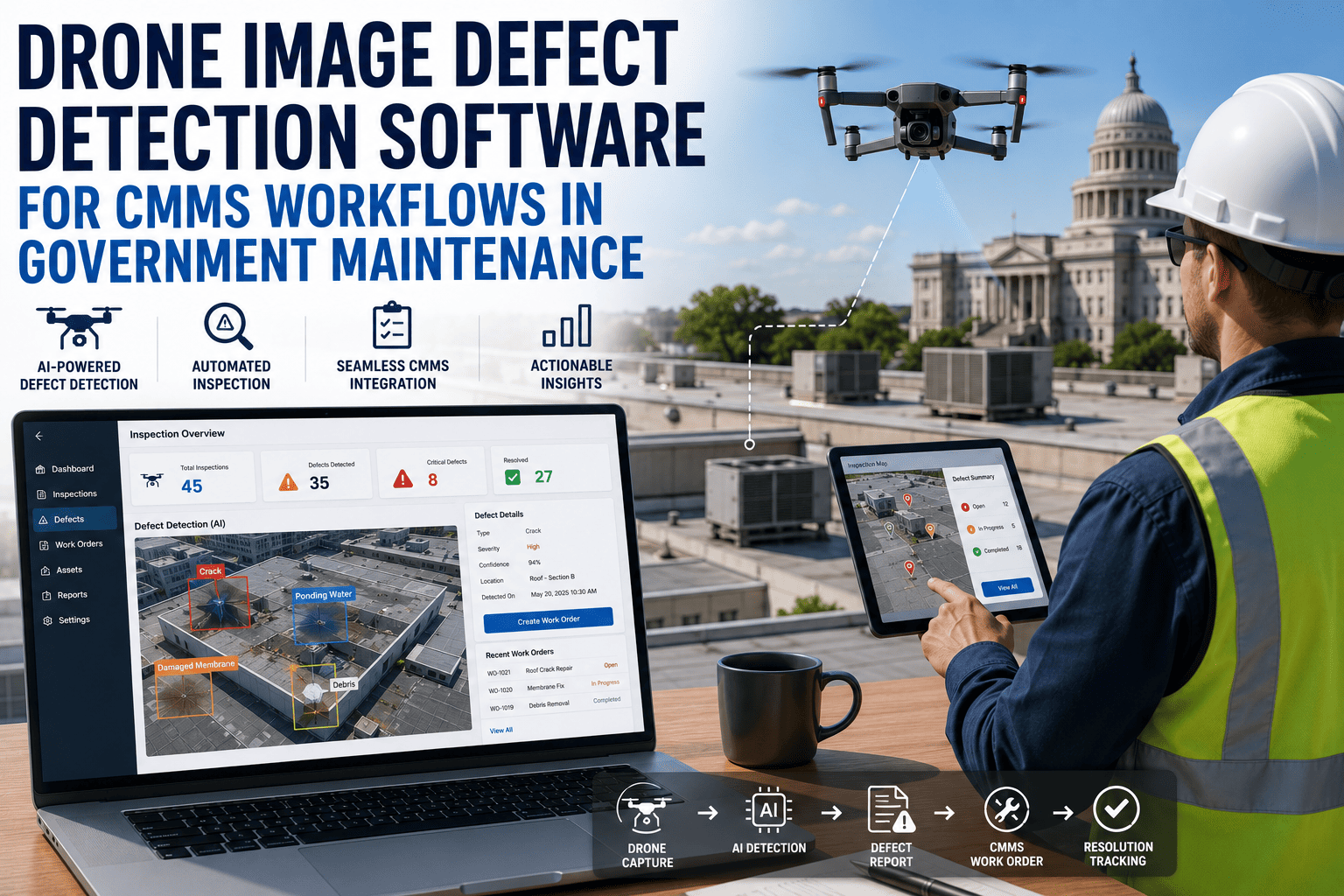
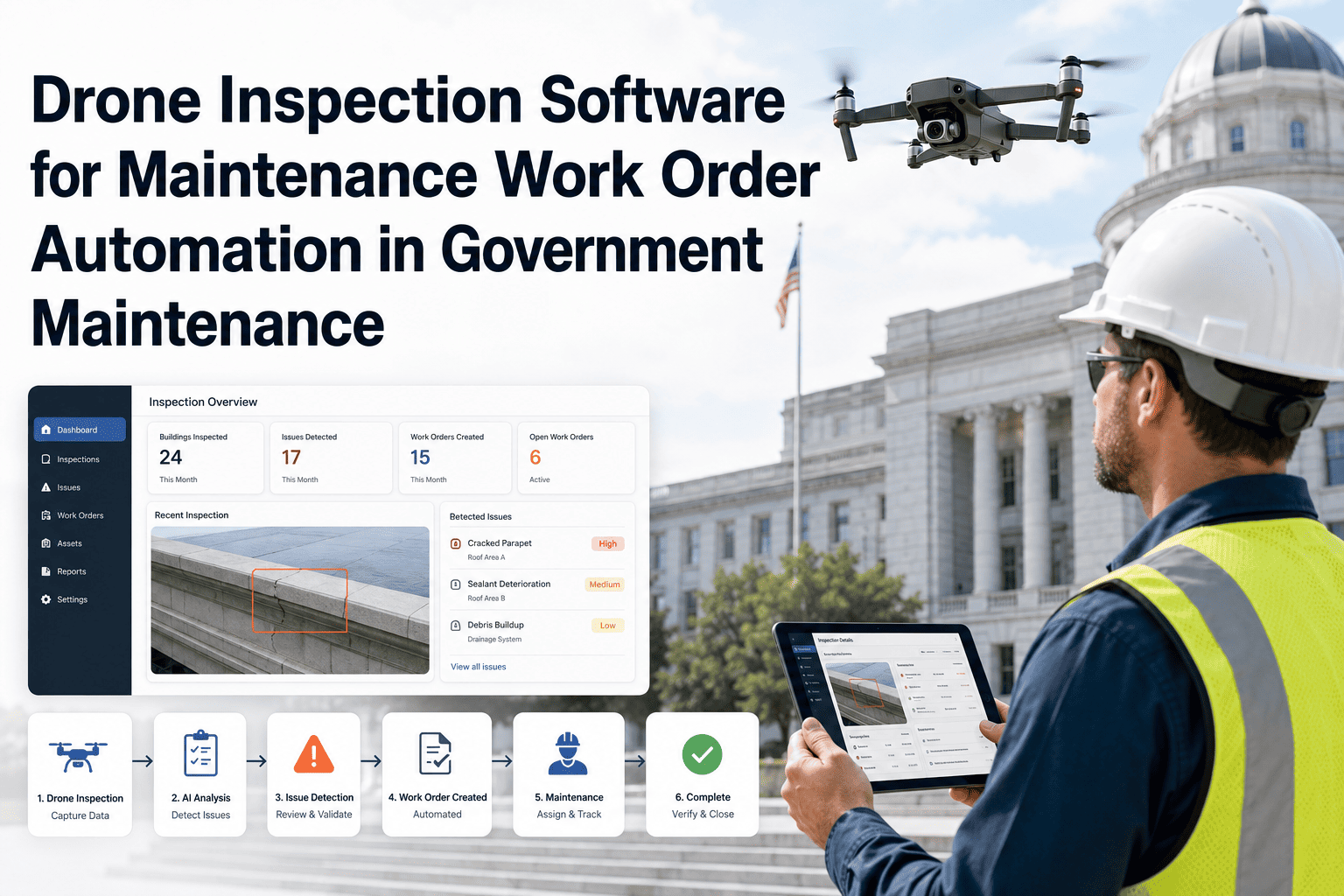
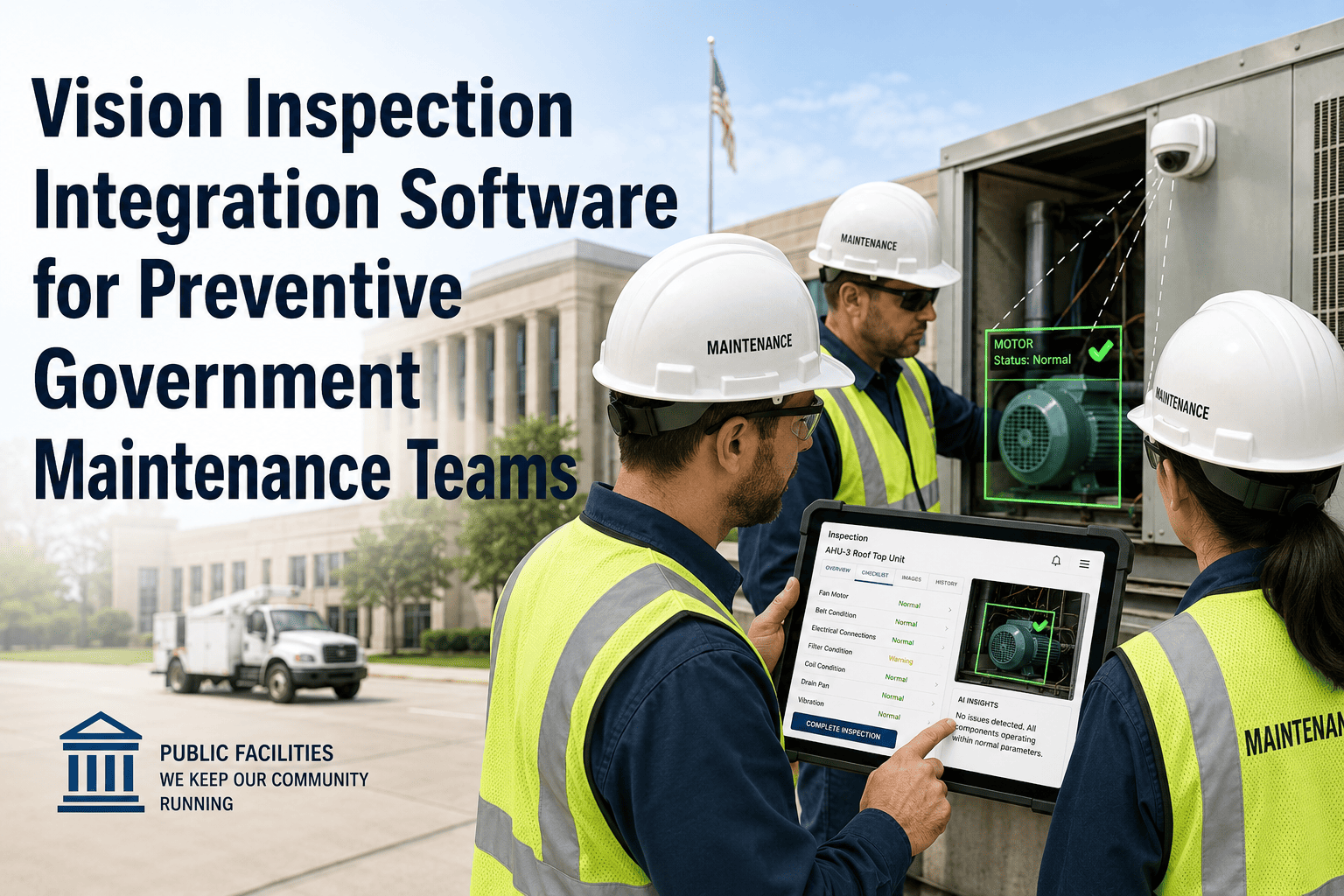
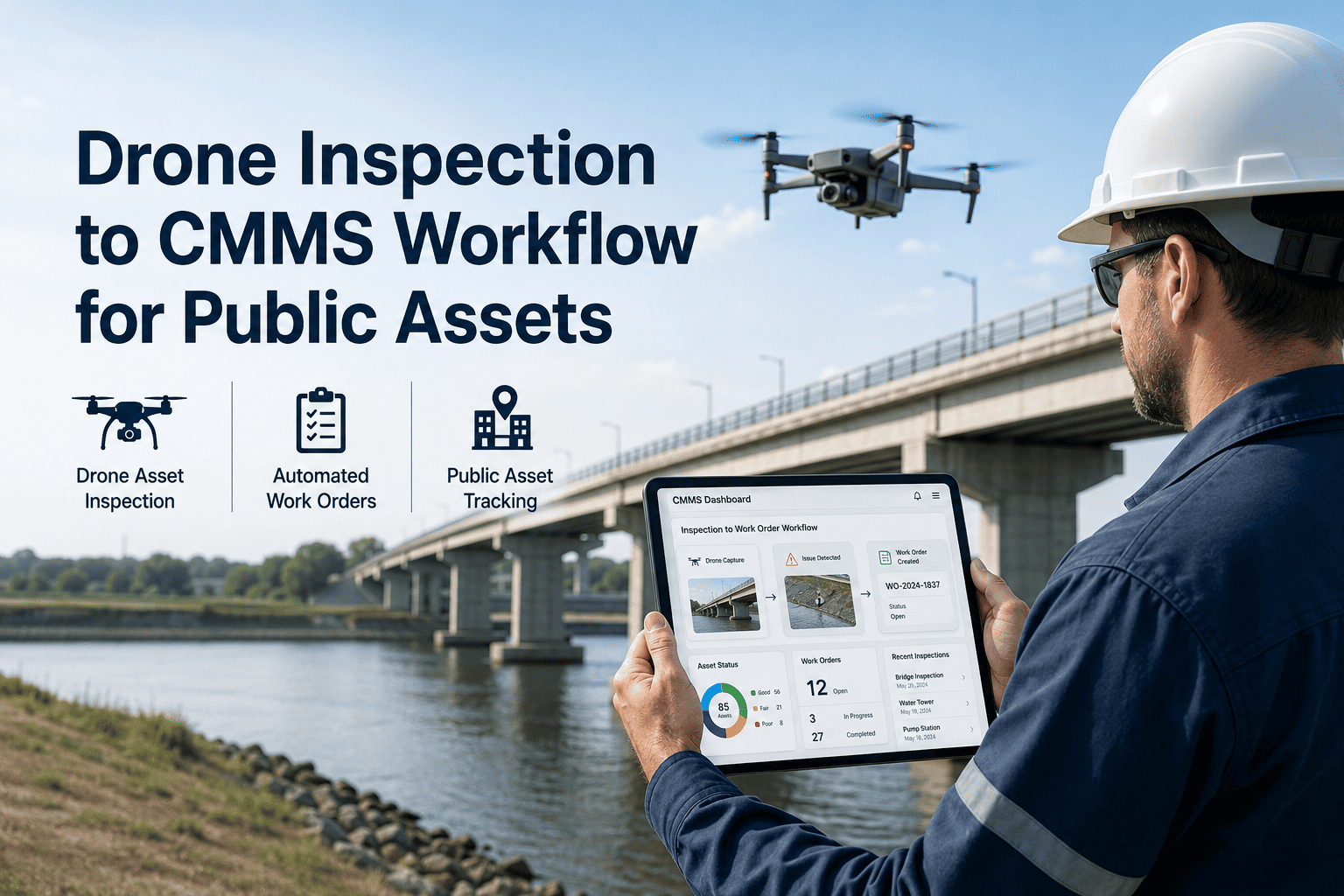
High-risk government assets — electrical substations, water treatment equipment, emergency backup generators, structural bridges carrying daily traffic — do not tolerate the lag that exists in standard maintenance escalation workflows. When a camera detects a critical condition on one of these assets, the time between detection and the right person receiving that information is the difference between a controlled response and an emergency. Most government maintenance teams rely on inspection reports filed at end of shift, email chains that may not be read for hours, and phone trees that depend on whoever picks up. OxMaint AI Vision Maintenance Escalation Software replaces that chain with an automated, rules-based escalation system that routes the right alert to the right person in under two minutes — with photographic evidence, asset history, and recommended action already included. No manual step required between detection and notification. Start a free trial and configure your first high-risk asset escalation rule today.
AI Vision · High-Risk Assets · Escalation Automation · Government
Critical Asset Alert. Right Person. Under 2 Minutes.
OxMaint AI Vision detects high-risk conditions on government's most critical infrastructure assets and routes escalation alerts — with evidence, context, and recommended action — to the correct contact automatically, before a manual escalation chain would even start.
High-Risk Asset Coverage
Government Assets Where Escalation Speed Is Non-Negotiable
Electrical Infrastructure
Failure consequence: Power outage, safety hazard, shutdown of critical services
OxMaint detects: Panel heat signatures, arc flash indicators, door open on live panel, moisture ingress
Water Treatment Systems
Failure consequence: Supply contamination, regulatory violation, public health risk
OxMaint detects: Pump seal failure, tank overflow indicators, chemical storage anomalies, valve position
Bridges and Structures
Failure consequence: Traffic safety incident, emergency closure, liability
OxMaint detects: Crack propagation, spalling at bearing points, scour indicator damage, corrosion zones
Emergency Generators
Failure consequence: EOC/hospital power loss during disaster, life-safety impact
OxMaint detects: Fuel level critical, cooling system staining, corrosion at fuel lines, battery condition
Escalation Logic
How OxMaint Routes High-Risk Asset Alerts
| Alert Tier |
Detection Trigger |
Notified Immediately |
Automated Action |
Response SLA |
| Critical |
Arc flash / Panel heat / Structural crack active |
Shift supervisor + Safety officer + Department head |
Urgent WO + Shutdown request flag + Evidence bundle |
< 2 min |
| High |
Seal failure / Fluid leak near electrical / Spalling |
Site maintenance manager + Facilities lead |
Priority WO + Alert notification + Asset flagged |
< 15 min |
| Medium |
Surface corrosion / Filter clog / Low fuel level |
Maintenance planner |
Scheduled WO + Next PM window assigned |
< 4 hrs |
| Watch |
Minor wear / Early corrosion / Trending upward |
Added to planner queue |
Monitoring WO — review in next inspection cycle |
Next cycle |
OxMaint · High-Risk Asset Escalation · Government Infrastructure
Configure Your High-Risk Asset Escalation Rules in a Live Demo
A 30-minute demo walks through detection threshold setup, escalation contact configuration by asset and shift, alert notification content, and work order creation for your department's specific critical asset types.
Escalation Speed Comparison
Manual vs AI Escalation — Time to Right Contact, High-Risk Assets
Inspector detects condition — writes inspection note
↓ 15–30 min
End-of-shift report submitted to supervisor
↓ 1–3 hours
Supervisor reads report — decides to escalate
↓ 30–60 min
Phone call to maintenance manager — often missed
↓ Variable
Manager receives information — without photo evidence
Total: 3 to 6+ hours average
AI camera detects condition on high-risk asset
↓ Instant
OxMaint classifies severity and matches escalation rule
↓ < 30 sec
Alert sent to correct contact — with photo, asset history, and recommended action
↓ < 90 sec
Work order created in CMMS — ready to act on
Total: Under 2 minutes — every time
NK
Naveen Kumar
Head of Infrastructure Safety · Public Works Department, Rajasthan · 20 years · Certified Safety Auditor (NEBOSH)
"
High-risk asset failures in government infrastructure are rarely caused by conditions that were invisible — they are caused by conditions that were visible and not escalated in time. AI vision escalation removes the decision and communication steps that create that delay. The system detects, classifies, and notifies. The maintenance manager receives a complete evidence package in under two minutes and can act immediately rather than trying to reconstruct what happened from a written report filed hours later.
Frequently Asked Questions
AI Vision Escalation for High-Risk Assets — Questions from Government Teams
Can escalation rules be set differently for the same asset type across different government sites?
Yes. OxMaint supports site-specific escalation rules — a critical detection on an electrical panel at a water treatment facility can route to a different contact and follow a different response protocol than the same detection at a road maintenance depot. Each site is configured independently within the same OxMaint account, with shared visibility for department-level management.
Book a demo to review multi-site escalation configuration for your department.
What happens if the primary escalation contact does not acknowledge an alert?
OxMaint supports escalation acknowledgment requirements and automatic secondary contact notification for Critical-tier alerts. If the primary contact does not acknowledge a Critical alert within a set time window (e.g., 5 minutes), OxMaint automatically sends the same alert to the secondary escalation contact — and logs the failed acknowledgment for the audit trail. This ensures no critical alert is silently missed because the primary contact was unavailable.
Start a free trial and test the acknowledgment and failover workflow.
How does OxMaint manage escalation during shift changes at government facilities?
OxMaint's escalation routing can be configured with shift-based contact schedules — day shift, night shift, and on-call rosters can each have their own escalation contacts per asset type and severity tier. The system automatically applies the correct contact set based on the time of detection, so an off-hours critical alert goes to the on-call safety officer rather than the day-shift manager's phone at 2 AM.
Does OxMaint provide a complete escalation record for each high-risk alert for compliance purposes?
Yes. Every escalation event is logged with detection timestamp, AI classification, alert content, notification delivery confirmation, acknowledgment time, work order reference, and resolution record — all stored against the asset record. This provides the complete chain-of-custody documentation required for government infrastructure compliance audits, incident investigations, and insurance reporting.
Ask about escalation audit trail exports in your demo session.
OxMaint · High-Risk Asset Escalation · Free to Start
High-Risk Assets Demand Escalation That Does Not Depend on Who Is Paying Attention
OxMaint AI Vision detects, classifies, and escalates critical conditions on your government's highest-risk infrastructure assets automatically — in under two minutes, with evidence, context, and action already prepared for the responder.