A 23-park water district in Texas discovered their inspection vendor wasn't just ineffective—they were creating a false sense of security. After implementing blind re-inspections across 12 facilities over 6 months, they uncovered a dangerous pattern: their certified vendor had marked "compliant" on surface depths that measured 4.2 inches—less than half the required 9-inch minimum. The vendor's inspection reports looked thorough on paper, but re-measurements revealed critical failures at 7 of 12 sites. The instability continued until they implemented data-driven vendor scorecards. Root cause: paper-based inspections with no verification couldn't respond to vendors who estimated compliance instead of measuring it. An accountability system with mobile inspections would have caught the pattern 8 months earlier and prevented the $340,000 in settlements. Cost: emergency playground closures during peak season + community trust crisis + legal fees. Playgrounds are water district's most visible public safety responsibility—when inspection vendors fail, the district pays.
Water districts managing recreational facilities face an invisible threat: inspections that look compliant on paper but miss life-threatening hazards in the field. The fundamental problem isn't that certified playground safety inspectors (CPSI) lack knowledge—it's that districts have no systematic way to verify whether that knowledge translates into thorough field work.
A vendor can hold proper certifications, carry adequate insurance, and submit timely reports while consistently missing critical hazards. Without performance data, districts renew contracts based on price and convenience rather than actual protection delivered.
Why Traditional Inspection Contracts Fail
Most municipal playground inspection contracts focus on inputs rather than outcomes. They specify inspection frequency (quarterly, annual), require CPSI certification, and mandate written reports. What they don't measure: whether the inspector actually catches hazards before children encounter them.
The most commonly missed hazards include:
Entrapment Hazards: Every opening between 3.5-9 inches must be measured. Time-consuming process vendors skip by checking only "obvious" gaps.
Protrusion Inspection: Small protruding bolts (>0.375 inches) are easily overlooked during walk-throughs without tactile inspection.
Use Zone Clearance: Vendors assume 6+ foot clearance visually instead of measuring for encroachment from wear or landscaping changes.
These aren't hypothetical failures—they represent the most common inspection gaps found in legal discovery after playground injuries. The pattern is consistent: vendors submit reports certifying compliance while systematic measurement reveals they never actually measured critical dimensions.
Harden government & public works energy performance using mobile inspections
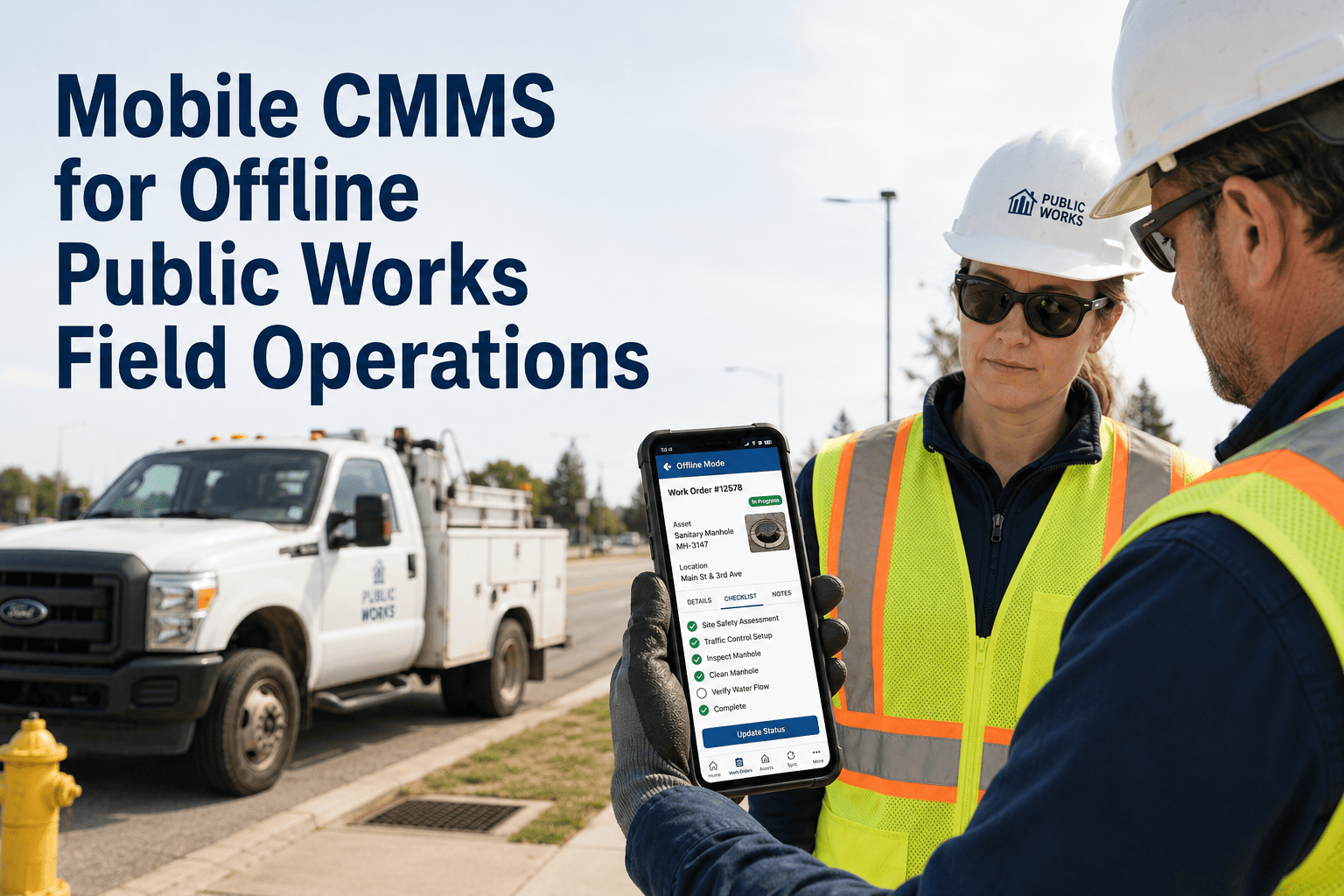
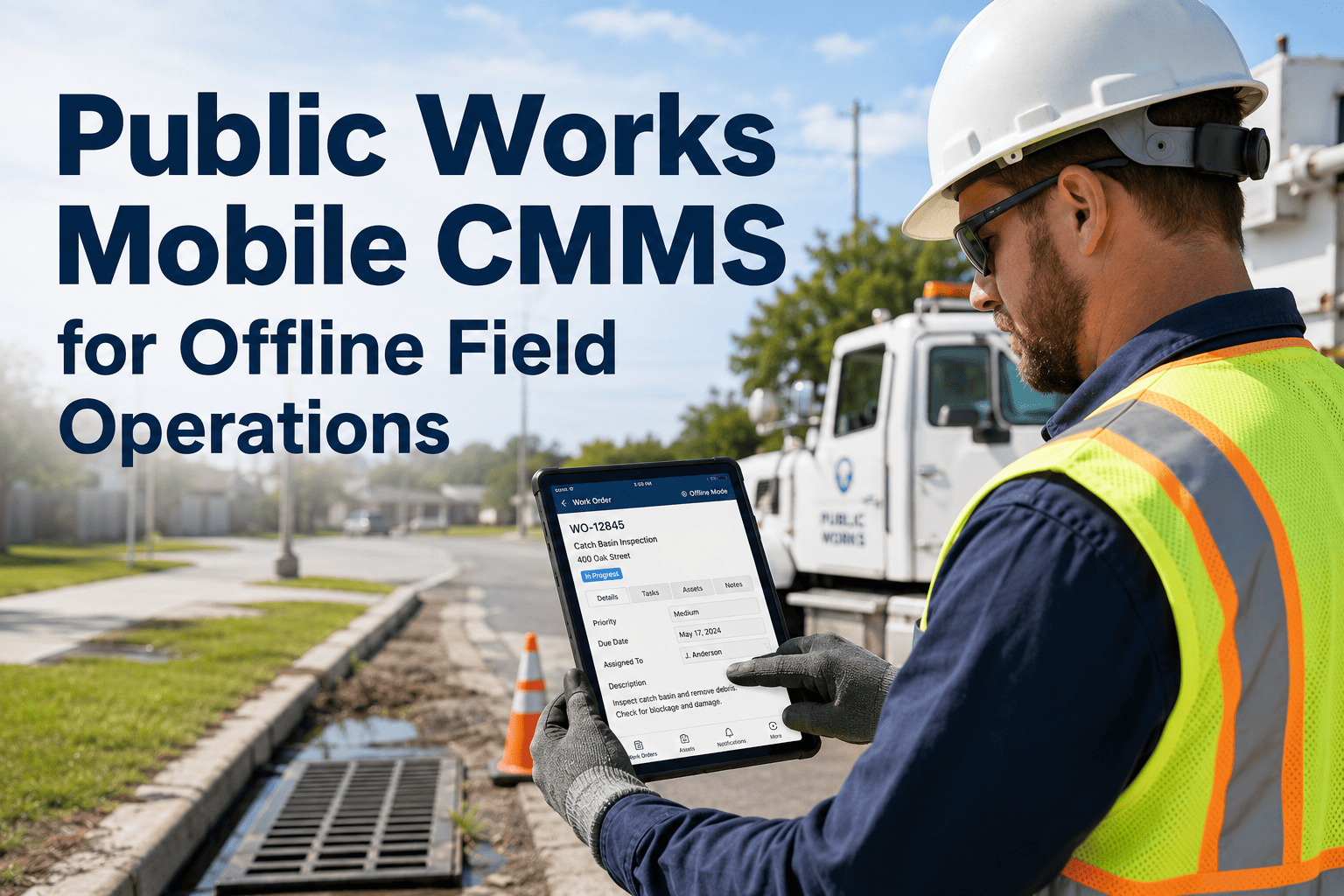
Digital transformation in playground safety creates verification systems that prove inspectors did what they claim. Mobile inspection platforms accomplish three critical objectives:
1. GPS-Stamped Evidence: Every inspection action is timestamped and geolocated. When a vendor marks "compliant," the system requires a photo showing the actual measurement at that location.
2. Forced Completeness: Digital checklists prevent partial inspections. Inspectors cannot submit reports with incomplete sections—every measurement point requires data entry.
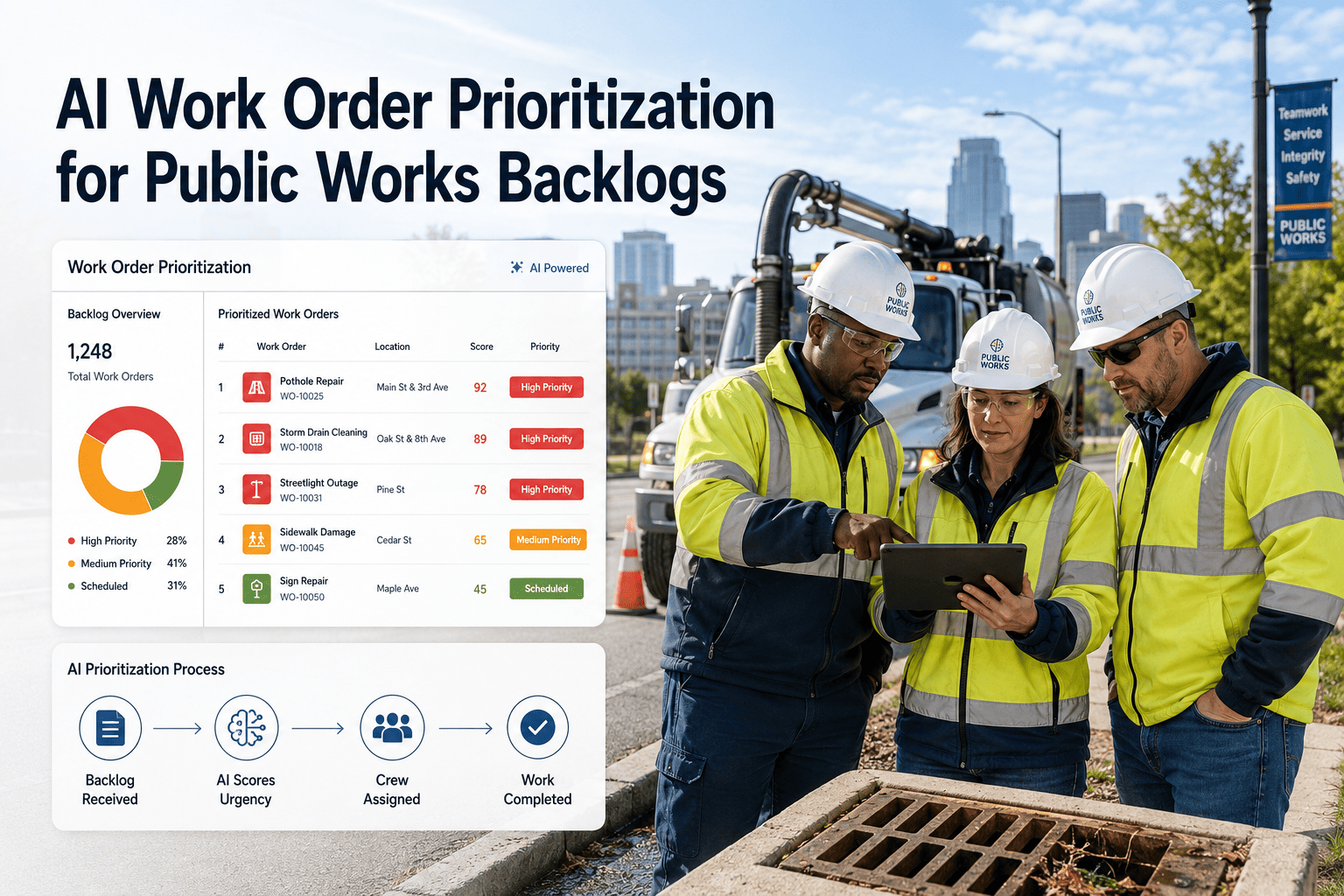
3. Automated Work Orders: When hazards are identified, the platform instantly creates prioritized work orders with finding photos attached.
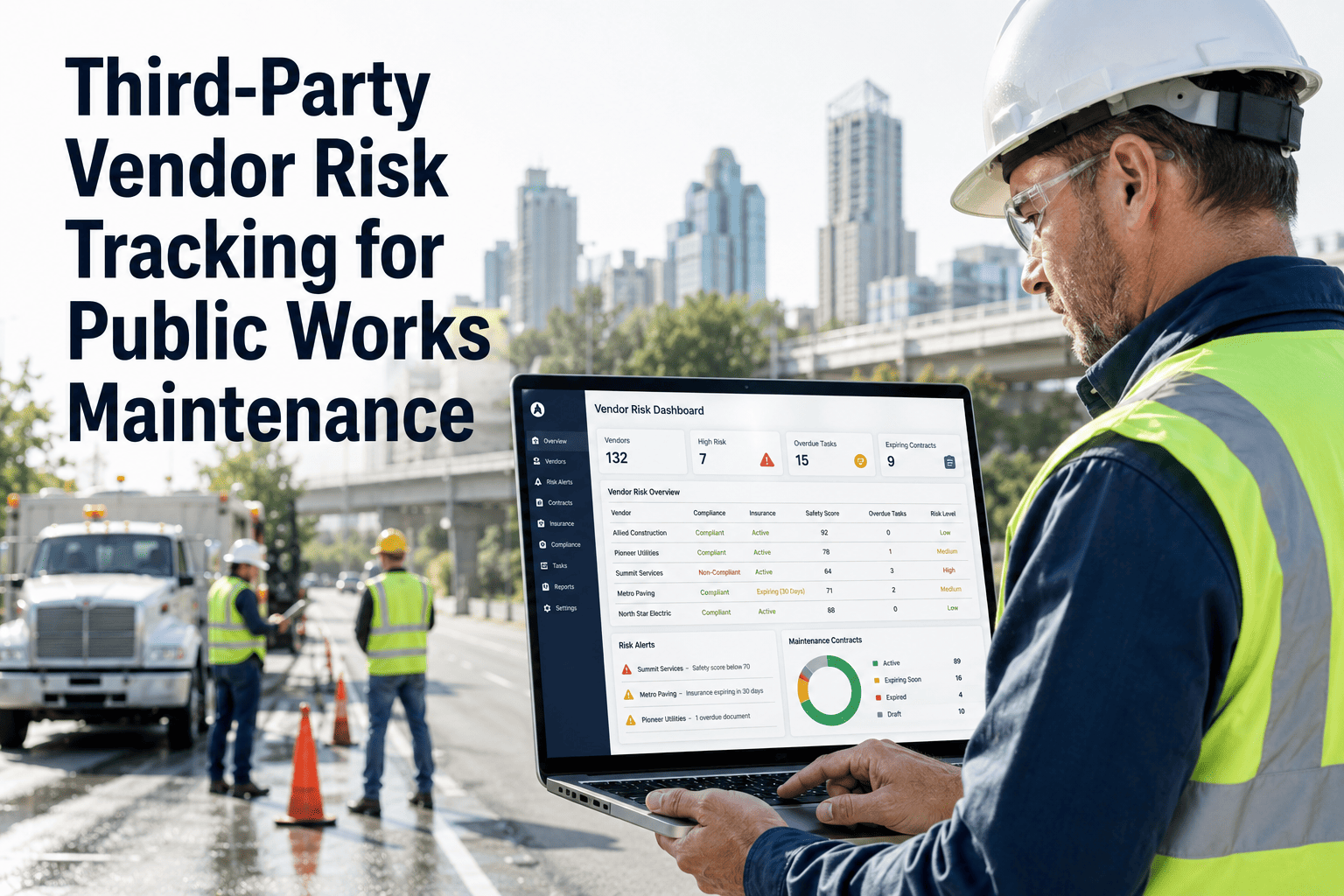
The 5-Dimension Vendor Performance Scorecard
Effective vendor evaluation measures what determines liability protection: not whether inspections happened, but whether they identified hazards before injuries occurred.
The scorecard becomes powerful when populated with actual data rather than subjective impressions. Oxmaint CMMS automates data collection: turnaround time from timestamps, comeback rate from repeat repair tracking, cost efficiency from historical averages. Start your free account and build evaluation baselines over 90 days before conducting formal vendor reviews.
Real Vendor Performance Comparison
| Metric | Vendor A | Vendor B | Vendor C | Target |
|---|---|---|---|---|
| Critical Hazards Missed | 4 instances | 0 instances | 1 instance | Zero |
| Photo Documentation | 78% | 100% | 97% | 100% |
| Audit Match Rate | 71% | 98% | 89% | 95%+ |
| Time On-Site | 28 min | 87 min | 52 min | 60+ min |
| Cost Per Inspection | $245 | $385 | $310 | $300-400 |
| Overall Score | 58/100 | 96/100 | 81/100 | 85+ |
Making audits painless — a government & public works governance model with IoT
Multi-site water districts need consistent inspection quality across facilities in different municipalities with varying use intensity. IoT-enabled governance creates standardization where every playground feeds safety data to central command regardless of which vendor performed the inspection.
This answers the critical question: Is Park A's higher incident rate due to worse vendor performance, older equipment, or simply higher use intensity? Without standardized data, you're comparing apples to oranges. With it, you identify whether specific vendors consistently miss hazards or whether certain facilities need more frequent inspections.
Districts can schedule a demo focused on multi-site coordination to see how real-time dashboards aggregate vendor performance across territories.
Implementation Path: From Paper to Data-Driven Safety
Inspection vendor performance determines playground safety reliability—and until now, it's been invisible for most districts. Scorecard-based vendor management transforms safety from a compliance checkbox into a strategic capability managed by evidence.
The implementation path is straightforward:
Month 1-3: Collect baseline data across current vendors using mobile inspections. Build 90-day performance trends before formal reviews.
Month 4: Conduct first quarterly vendor scorecard review presenting objective data. Establish improvement targets with vendors scoring below 85/100.
Ongoing: Automated dashboards track vendor performance in real-time. Critical findings trigger instant alerts to prevent incidents before they occur.
Within one inspection cycle, you'll have objective evidence of which vendors protect your district and which create hidden liability—evidence that changes contracts, improves detection quality, and ultimately prevents injuries. Book a consultation to design your specific implementation timeline with expert guidance.