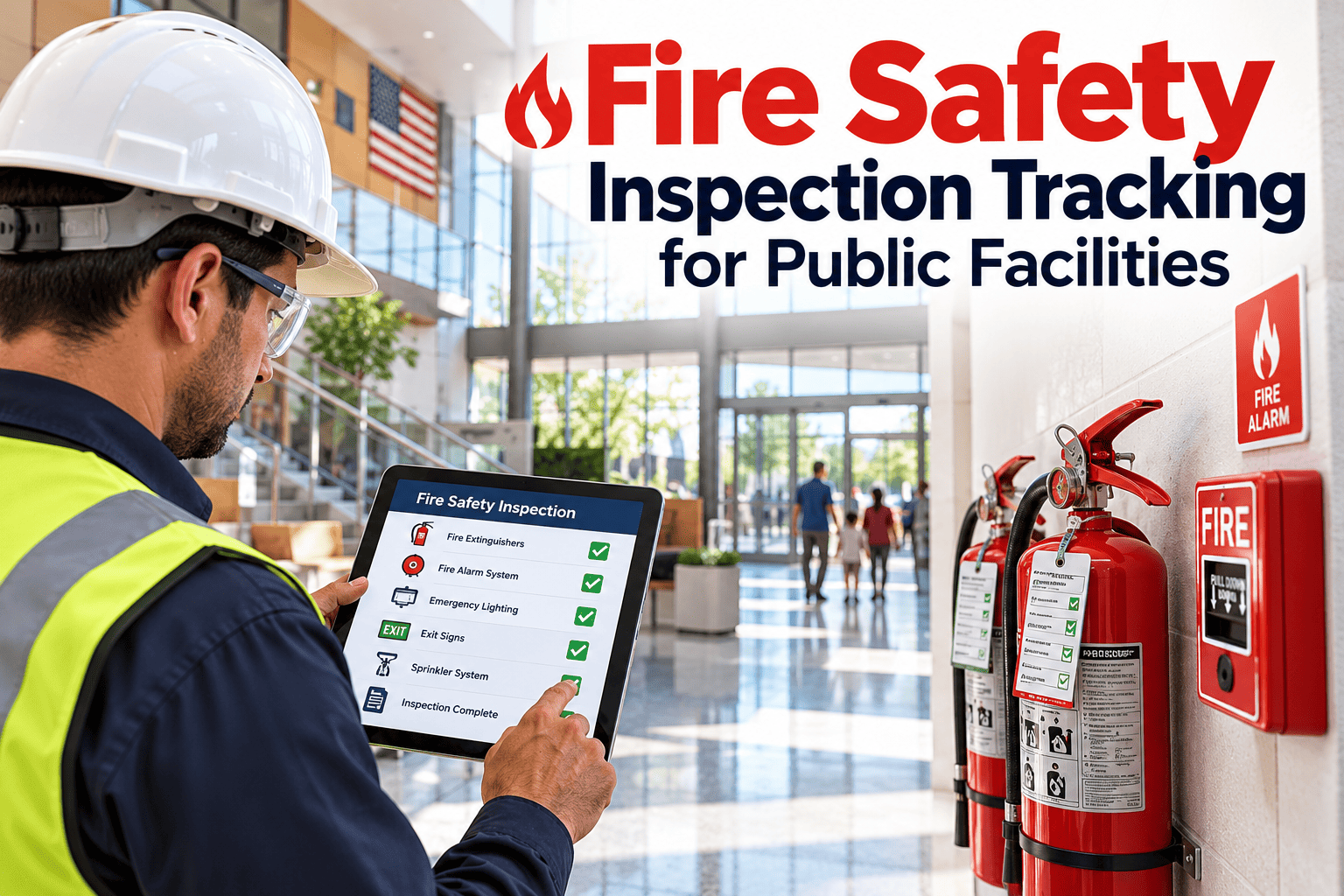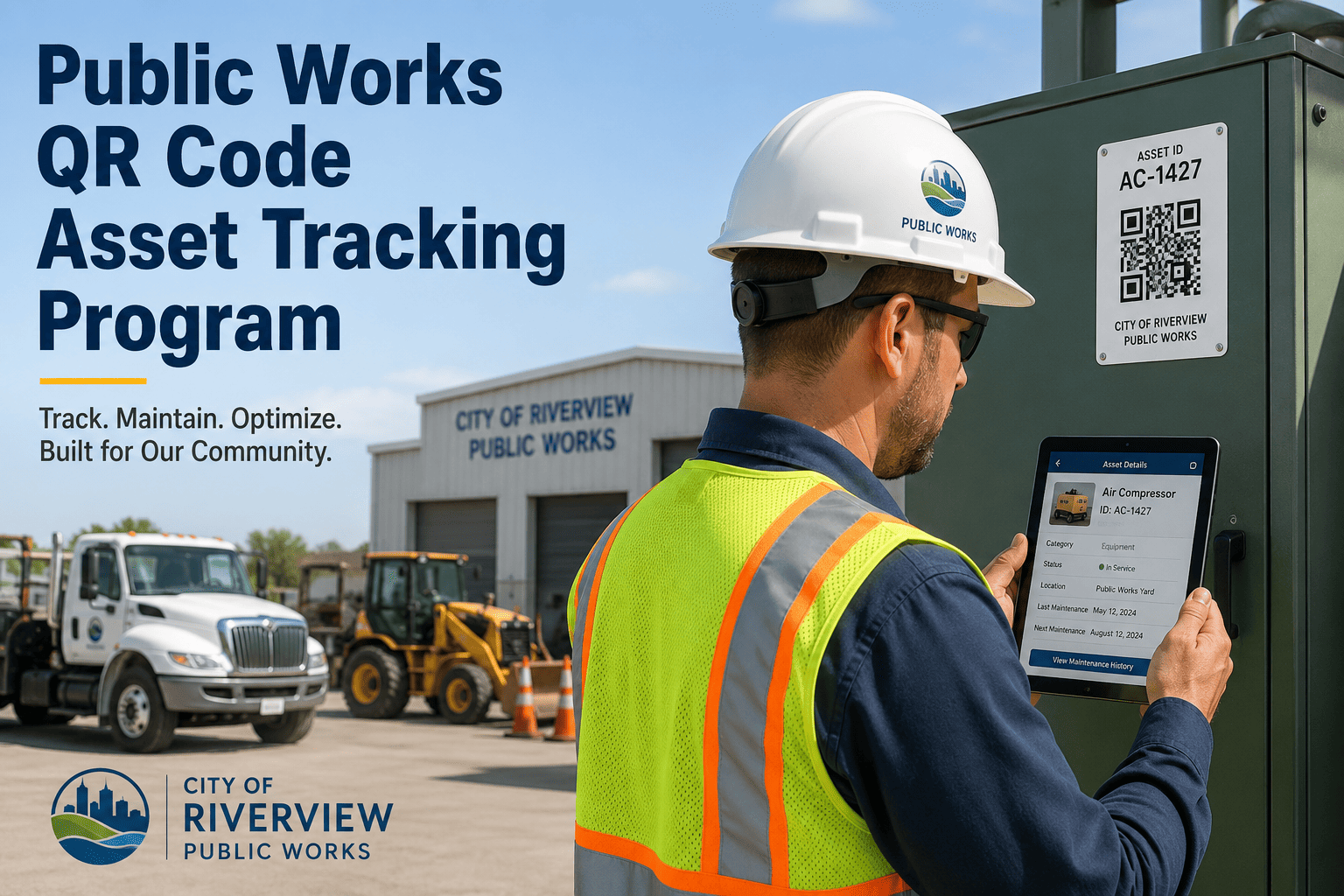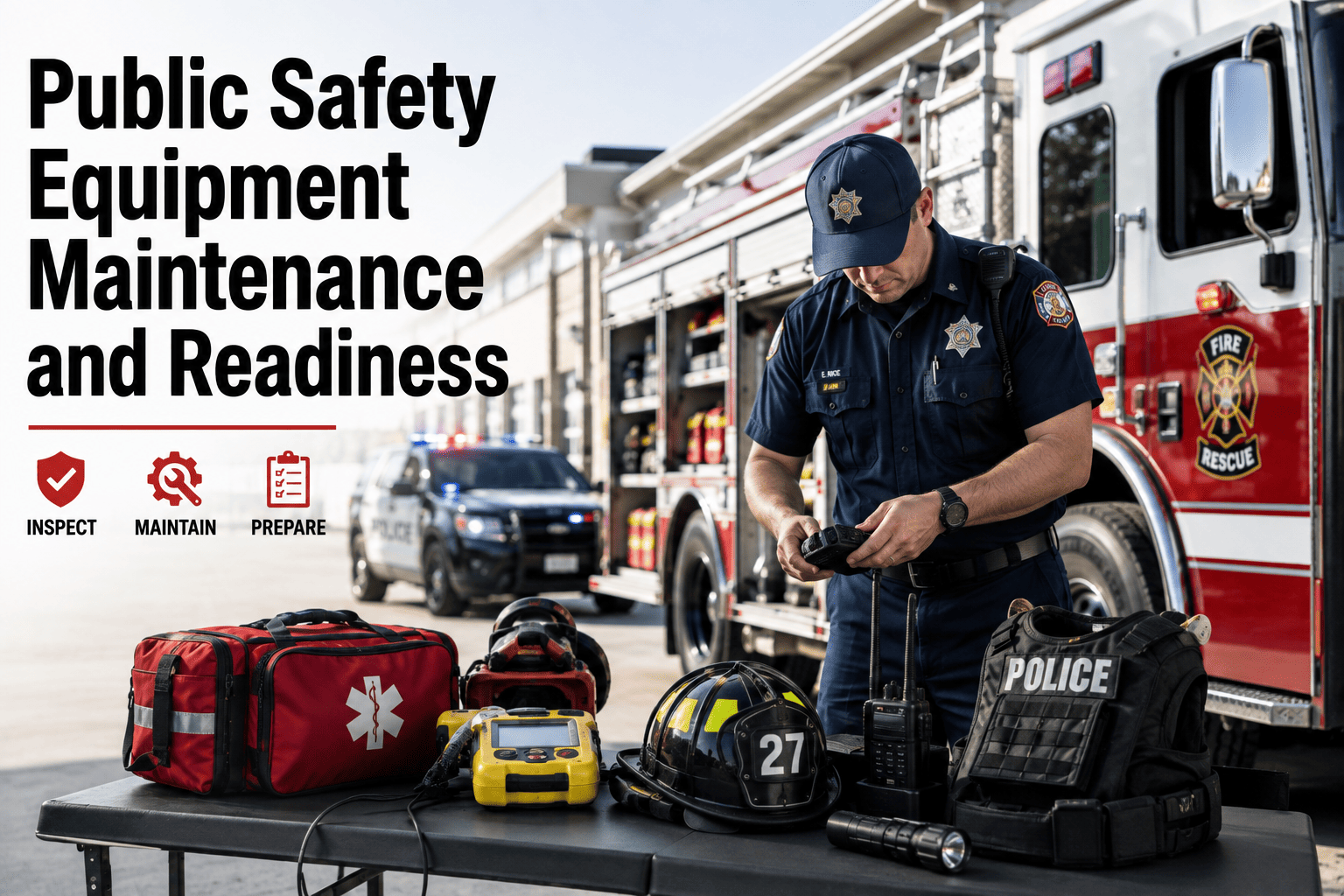
Public safety equipment maintenance is the disciplined practice of inspecting, testing, servicing, and tracking fire, EMS, and police apparatus so that every piece of gear performs flawlessly the moment a life depends on it. When emergency equipment readiness degrades, response times increase and the risk of catastrophic failure skyrockets. A modern public safety equipment program aligns your maintenance operations with NFPA standards, OEM specifications, and local compliance mandates. By transitioning from fragmented spreadsheets to a centralized CMMS, agencies eliminate blind spots and ensure every SCBA, hydraulic rescue tool, and medical device is mission-ready. See how OxMaint can transform your readiness—Start Free Trial today.
Life-Safety Compliance & Readiness
Is Your Department Confident That Every Piece of Life-Safety Equipment Will Work the First Time, Every Time?
Lives depend on the reliability of your SCBA, fire hose, EMS gear, and apparatus. Transition from reactive, paper-based logs to an AI-driven public safety equipment maintenance system that guarantees compliance and operational readiness.
The True Cost of Readiness Gaps
Why Fire & EMS Equipment Maintenance Programs Fail
Most public safety equipment management failures don't happen in the field—they happen months earlier, when a routine inspection was skipped, a paper log was lost, or a preventive maintenance cycle was forgotten. The cost of these gaps is measured in both budget and lives.
A mid-sized municipal department managing 180 assets—including SCBA packs, defibrillators, and hydraulic rescue tools—can easily lose over $42,000 annually to emergency replacements and unnecessary downtime. Relying on memory or clipboards for fire safety equipment maintenance is a liability. Centralizing your emergency equipment maintenance program within an AI-powered CMMS ensures nothing falls through the cracks and provides instant, verifiable compliance data for ISO ratings and NFPA audits.
Standards & Compliance
NFPA-Driven Public Safety Gear Maintenance Requirements
A robust public safety apparatus maintenance program must align directly with stringent regulatory standards. Missing these intervals isn't just a compliance failure—it is a direct threat to firefighter safety and operational readiness.
| Equipment Category | Governing Standard | Required Maintenance Interval | Critical Testing Action |
|---|---|---|---|
| SCBA Cylinders & Facepieces | NFPA 1852 | Weekly / Monthly / Annual | Flow test, hydrostatic test, functional check |
| Fire Hose & Nozzles | NFPA 1962 | Annually / 3 Years | Pressure test, physical condition inspection |
| Fire Apparatus & Pumps | NFPA 1911 | Weekly / Annually | Pump pressure test, chassis fluid analysis |
| EMS Medical Equipment (AEDs) | Manufacturer / FDA | Daily / Monthly | Battery check, pad expiration tracking |
| Public Fire Hydrants | NFPA 291 / AWWA | Annually | Flow testing, lubrication, cap inspection |
Operational Readiness
Public Safety Equipment Readiness Checklist
Use this actionable checklist to evaluate your current emergency equipment maintenance program. If you cannot confidently verify every item below, your agency is carrying hidden operational risk.
Inventory & Condition Tracking
Every SCBA, radio, and medical device has a digital QR code tag. Location, serial number, and current condition are visible in real-time.
Automated Testing Schedules
NFPA-required flow tests, pump tests, and hydrostatic tests trigger automated work orders ahead of their expiration dates.
Spare Parts & Inventory Parity
Critical spare parts (regulators, mask straps, batteries) have minimum stock thresholds that trigger automatic reordering.
Verifiable Audit Readiness
Digital logs capture who inspected what, when, and with what result—ready for ISO and NFPA compliance reviews instantly.
CMMS Impact
How OxMaint Powers Your Public Safety Equipment Program
OxMaint replaces clipboards, whiteboards, and isolated spreadsheets with a centralized, AI-powered EAM platform built for the exacting demands of safety equipment maintenance. These are the measurable outcomes departments achieve after implementation.
AI-driven predictive maintenance analyzes engine hours and fluid condition to forecast pump failures before they happen, keeping fire apparatus in service.
Mobile work orders allow responders to complete inspections on the apparatus floor, instantly syncing SCBA and gear status to the cloud.
Generate comprehensive NFPA compliance reports in seconds. Prove to inspectors that every piece of equipment is maintained on schedule.
Proactive lifecycle tracking extends the usable life of expensive EMS equipment and rescue tools by preventing minor wear from becoming major damage.
Don't Wait for an Equipment Failure to Expose a Readiness Gap
See how OxMaint brings total visibility, compliance, and reliability to your fire and EMS asset maintenance operations.
Frequently Asked Questions
Public Safety Equipment Maintenance FAQs
What is a public safety equipment maintenance program?
It is a structured system of inspections, testing, and preventive maintenance designed to ensure that fire, EMS, and police apparatus are always mission-ready. A modern program uses a CMMS like OxMaint to automate NFPA-driven schedules, track asset conditions digitally, and maintain verifiable compliance logs for audits.
How often should SCBA and fire hose be tested?
Under NFPA 1852, SCBA units require weekly operational checks and annual flow testing, with hydrostatic testing for cylinders every 3 to 5 years depending on the material. Fire hose testing falls under NFPA 1962, requiring physical inspections annually and pressure testing every three years. You can automate these exact schedules by configuring them inside OxMaint.
Why should our department switch from paper logs to a CMMS for safety equipment maintenance?
Paper logs are easily lost, damaged, or incompletely filled out, leading to failed ISO audits and undiscovered equipment faults. A CMMS provides instant visibility into asset history, sends automated alerts for upcoming maintenance, and ensures that life-saving gear is always compliant and ready for deployment.
Can a CMMS help with NFPA and ISO compliance reporting?
Yes. A CMMS digitally records every inspection, test, and repair, tying them directly to specific asset serial numbers and personnel. During an ISO audit or NFPA review, you can generate a complete, time-stamped history of your public safety gear maintenance in seconds rather than searching through filing cabinets.
How long does it take to implement a public safety equipment management system?
Implementation typically takes a few weeks, depending on the size of your fleet and the amount of historical data being migrated. OxMaint is designed for rapid deployment, allowing you to import existing asset inventories, set up automated PM schedules, and start logging inspections immediately. To map out your timeline, book a demo with our team.
Guarantee the Readiness Your Community Expects
Join the leading departments using OxMaint to eliminate reactive maintenance, pass audits flawlessly, and keep their responders safe.
Free 14-day trial · No credit card required