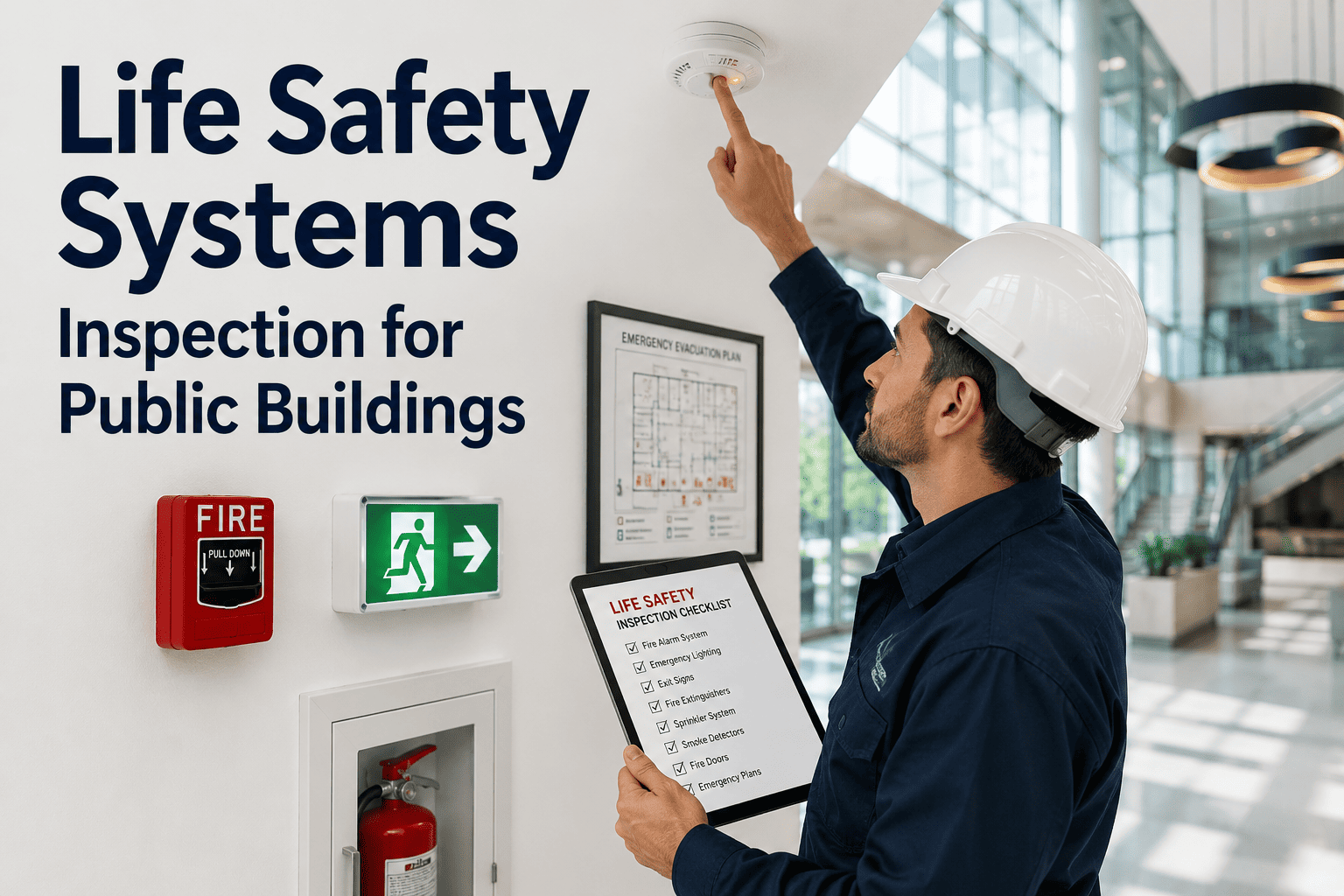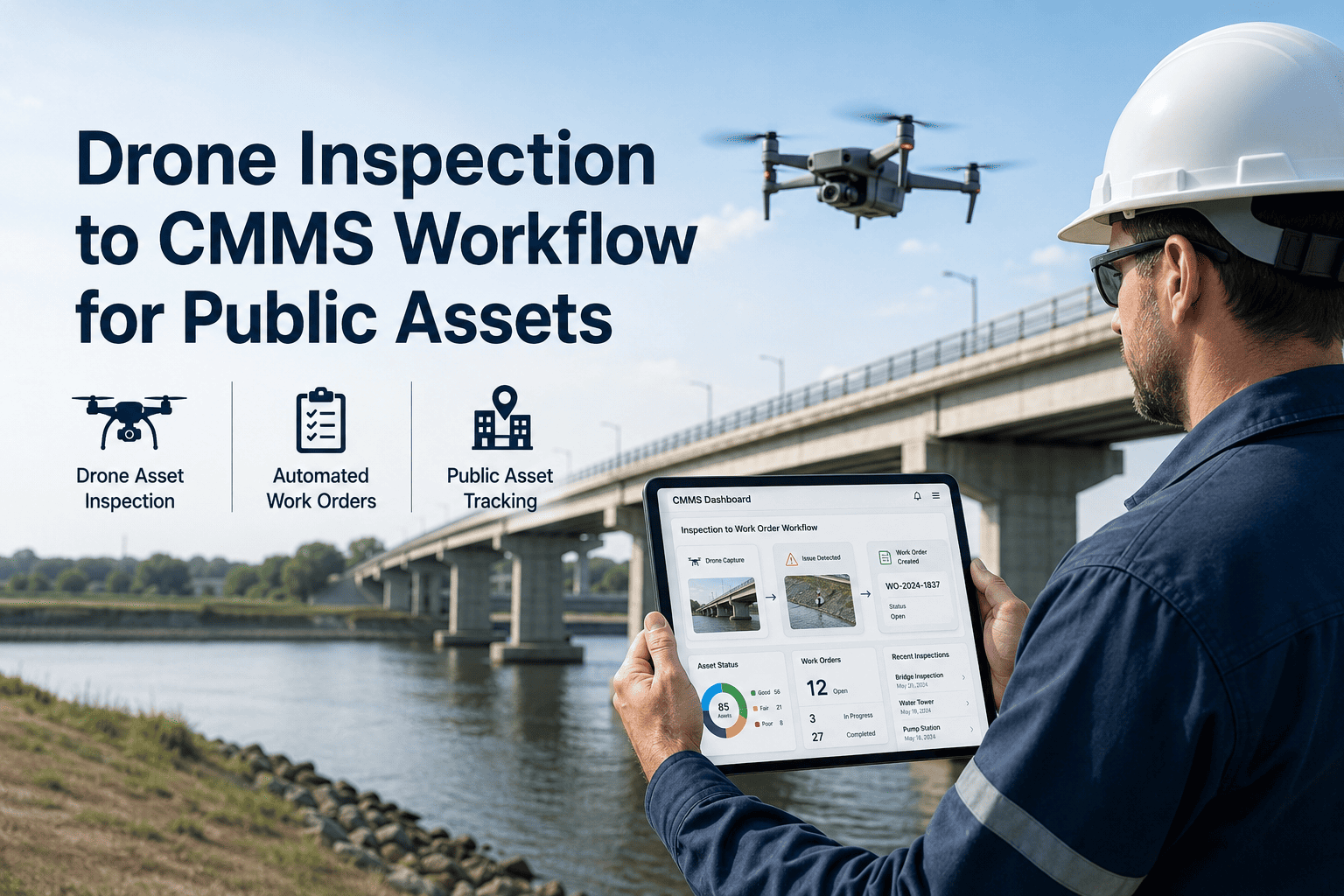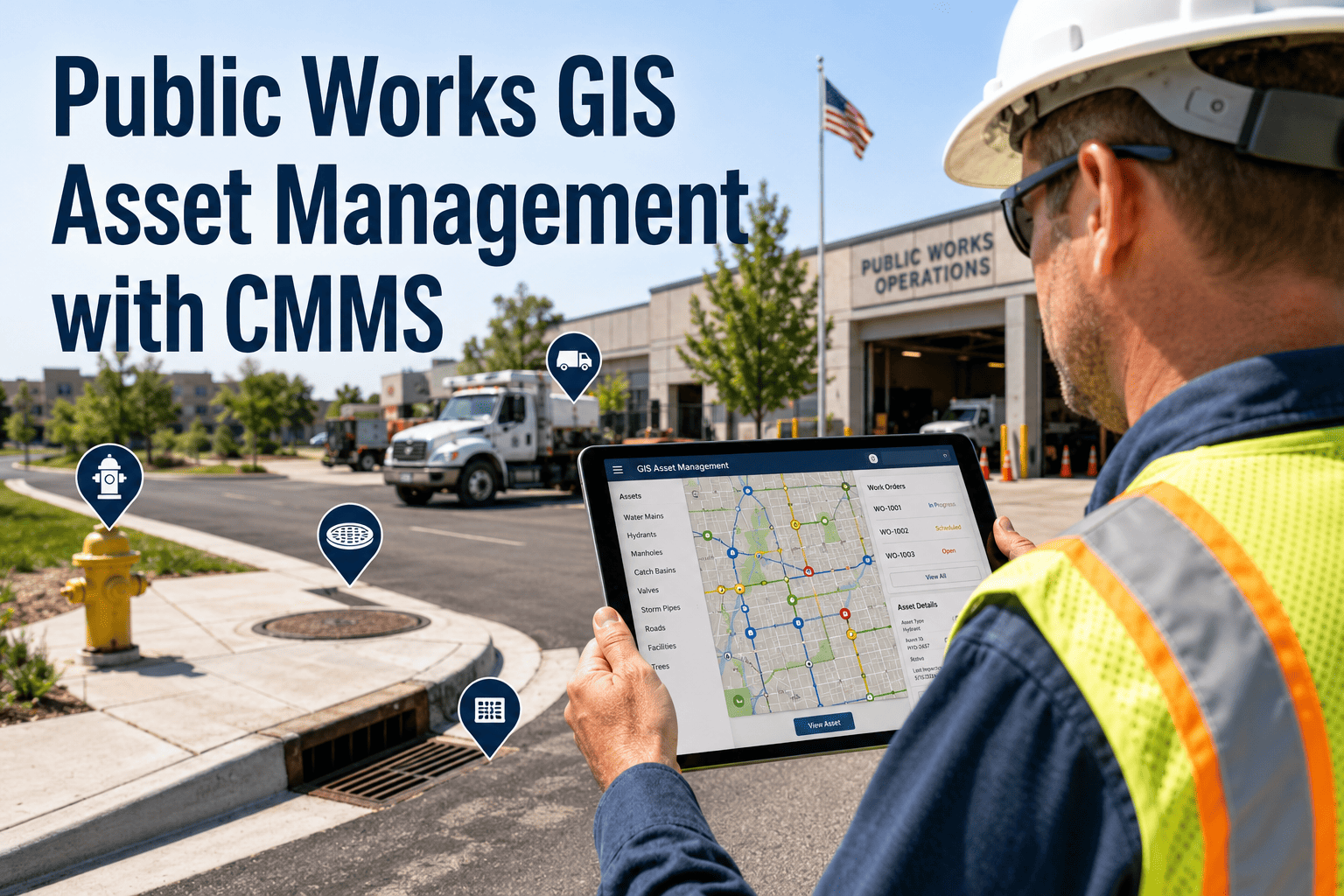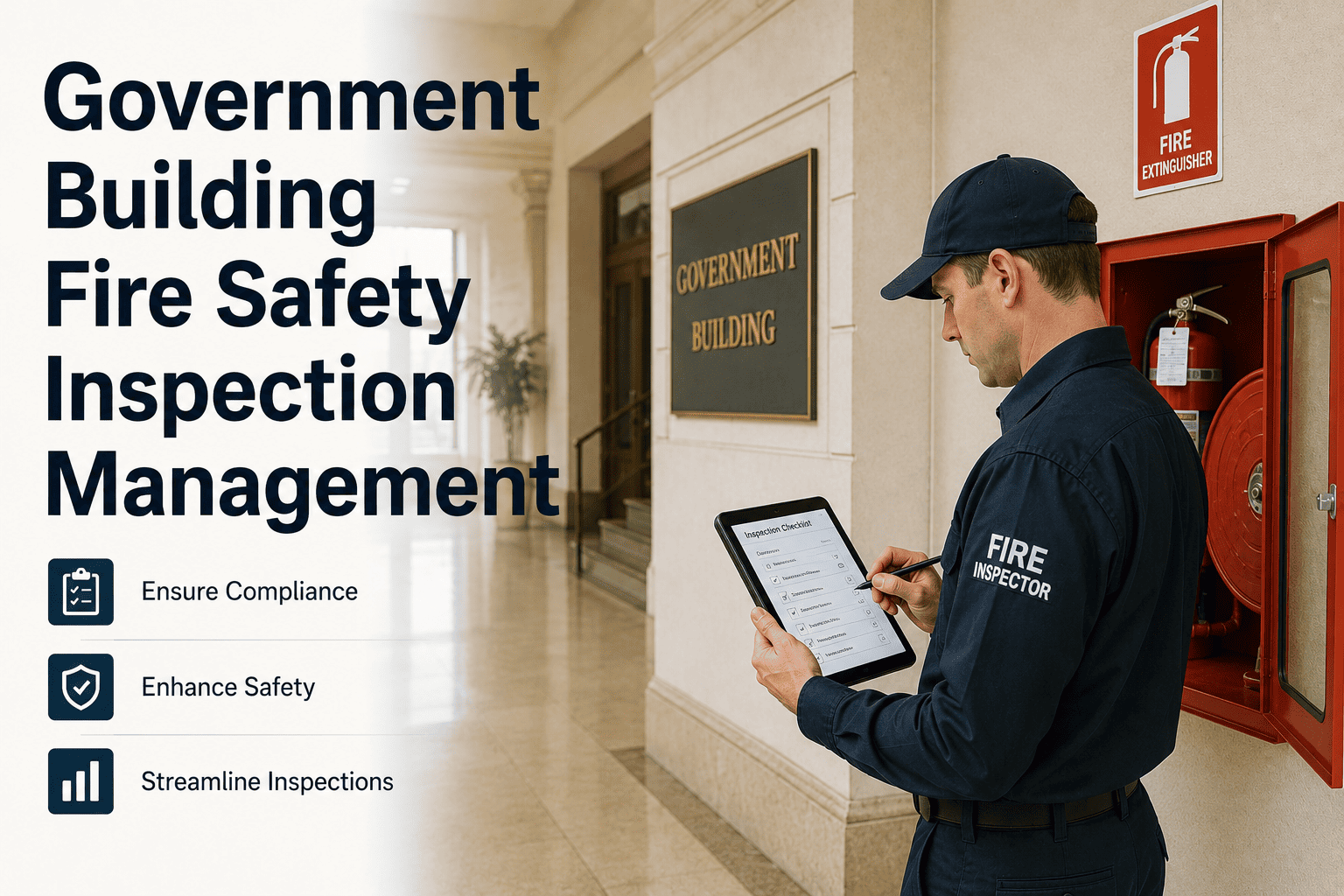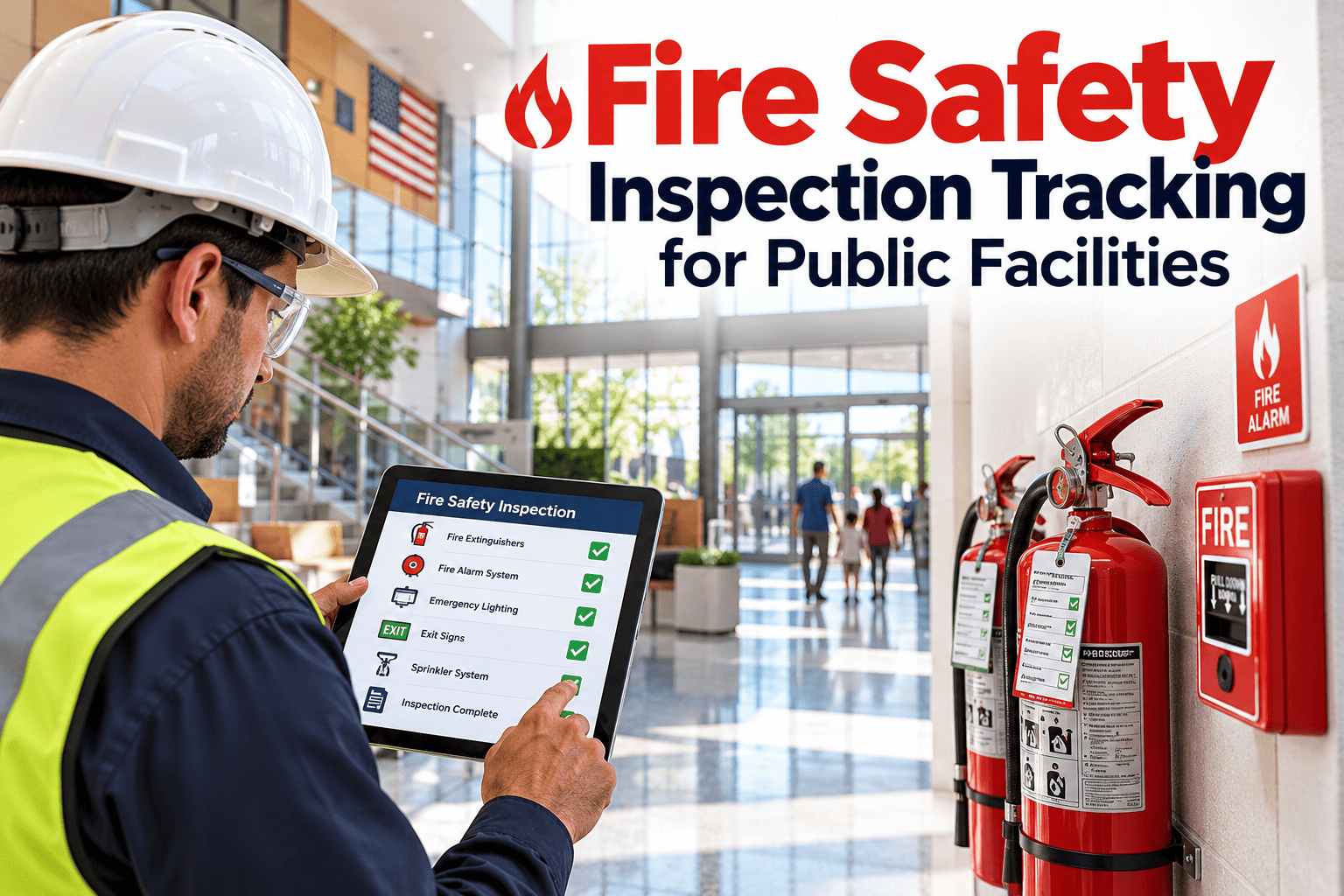
Libraries, community centers, city halls and public works buildings all carry the same life-safety duties: alarms that sound, sprinklers that flow, extinguishers that work and exits that stay lit. Each system has its own inspection interval, and each interval lives on a different calendar, vendor contract or technician's memory. When one slips, the building is exposed long before anyone notices. This guide explains how to track fire safety inspections across a portfolio of public facilities, and how Oxmaint can schedule recurring tasks and keep dated records ready for the fire marshal.
Fire Safety Inspection Tracking for Public Facilities
Keep alarms, sprinklers, extinguishers and exit lighting on schedule across every building, with overdue items visible before an inspector finds them.
Where public facility inspection programs slip
Overdue and invisible
Inspections tied to vendor visits or personal reminders have no owner when staff change.
Deficiencies without follow-up
A report lists a blocked exit or impaired valve, but nobody confirms the correction.
Scattered records
Tags, vendor reports and logs live in different places, so proof takes days to assemble.
Portfolio complexity
Dozens of buildings with different occupancies make a single calendar unmanageable.
Systems to track and the standards behind them
| System | Common reference | What to schedule and record |
|---|---|---|
| Fire alarm and detection | NFPA 72 | Inspection and test dates, devices tested, deficiencies, panel status |
| Sprinklers, standpipes and pumps | NFPA 25 | Gauge, valve and flow checks, main drain results, impairments |
| Portable extinguishers | NFPA 10 | Monthly checks, annual maintenance, internal service and pressure test dates |
| Exit signs and emergency lighting | NFPA 101 | Short monthly functional test and longer annual duration test results |
| Fire doors and egress paths | NFPA 80 and 101 | Door operation, latching, clear paths, blocked or propped doors |
| Kitchen suppression and hoods | NFPA 96 and 17A | Semiannual service, cleaning records, fusible link replacement |
Building an inspection calendar that cannot be forgotten
The life of a deficiency
See every building's inspection status on one screen
Review how recurring inspections, overdue alerts and deficiency work orders fit a public facility portfolio.
Manual tracking versus a maintenance system
- Due dates depend on one person's calendar
- Vendor reports arrive as separate files
- Overdue items found during the inspection itself
- Deficiency follow-up tracked by email
- Records assembled by hand for each request
- Recurring tasks generate automatically by asset
- Reports attach to the equipment record
- Overdue lists sorted by building and severity
- Deficiencies become work orders with owners
- Dated history exported for audits in minutes
How Oxmaint supports life safety tracking
Assets
Register panels, risers, pumps, extinguishers and lights by building and location.
Schedules
Preventive tasks repeat on the interval you set for each system.
Inspections
Mobile checklists capture results, notes and photos at the device.
Work orders
Failed items open corrective jobs with priority and assignment.
Reporting
Compliance history and overdue summaries support fire marshal requests.
Audit readiness checklist
- Dated results for each system and building
- Technician or vendor identity and credentials
- Retention period confirmed with local rules
- Every deficiency linked to a work order
- Impairments communicated and tracked to closure
- Retest evidence attached
- No building missing from the schedule
- Equipment inventory matches the field
- Vendor contract dates visible
Measures that show the program is healthy
Fire safety inspection tracking FAQs
Who sets the inspection intervals?
The adopted fire code and your fire marshal do. NFPA standards are common references, but local amendments apply.
Can staff handle some inspections in-house?
Often for visual checks like extinguishers and exit paths. Licensed contractors usually handle alarm and sprinkler testing.
How do we track vendor inspections?
Schedule them as recurring tasks and attach the vendor report to the asset. A demo shows the workflow.
What if a system is impaired?
Follow your impairment procedure and notify required parties. Record the impairment and restoration on a work order.
Where should we start?
Load your highest-risk buildings first, then sign up and add recurring inspections system by system.
Never find an overdue inspection during the inspection
Bring every public building's life safety schedule and records into one maintenance system.