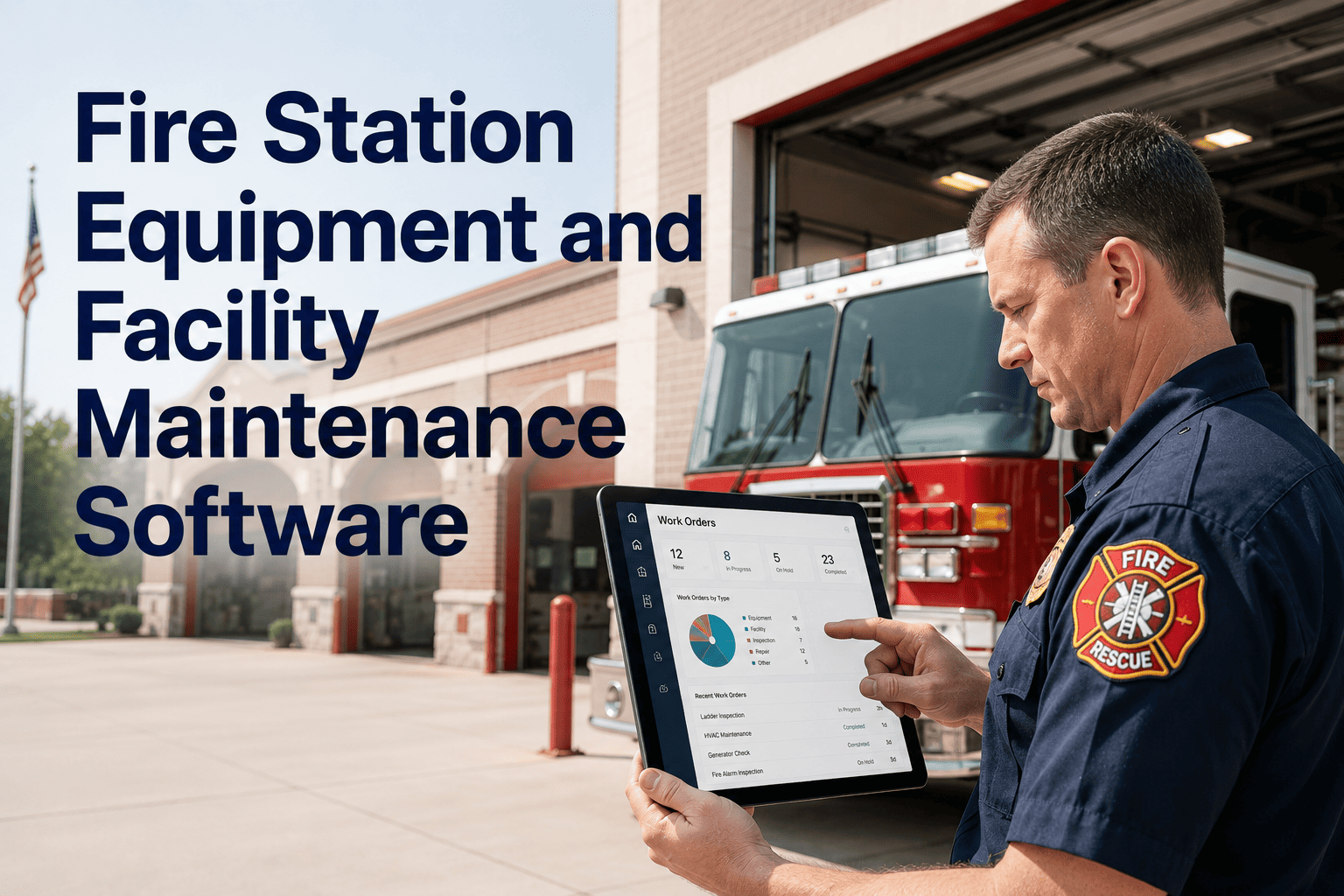
When a category five hurricane is making landfall, the last thing a city manager wants to hear is that the backup generator at the primary 911 dispatch center failed to start. Public safety facilities—police stations, fire stations, and emergency operations centers—are the absolute last line of defense in a crisis. Unlike standard municipal buildings, these structures must operate 24/7/365 without a single second of interruption. A jammed garage door in a fire apparatus bay can increase response times during a critical incident; a failed HVAC unit in an evidence room can compromise years of police work. In 2026, an integrated platform of smart IoT sensors and predictive CMMS is transforming how government infrastructure agencies monitor, maintain, and protect these mission-critical environments. Oxmaint AI integrates sensor telemetry and advanced analytics to automate inspections, ensure generator readiness, and keep first responders safe. Talk to our team about deploying automated maintenance workflows to find, monitor, and document facility health with zero risk of unplanned downtime.
Mission-Critical Infrastructure — 2026 Edition
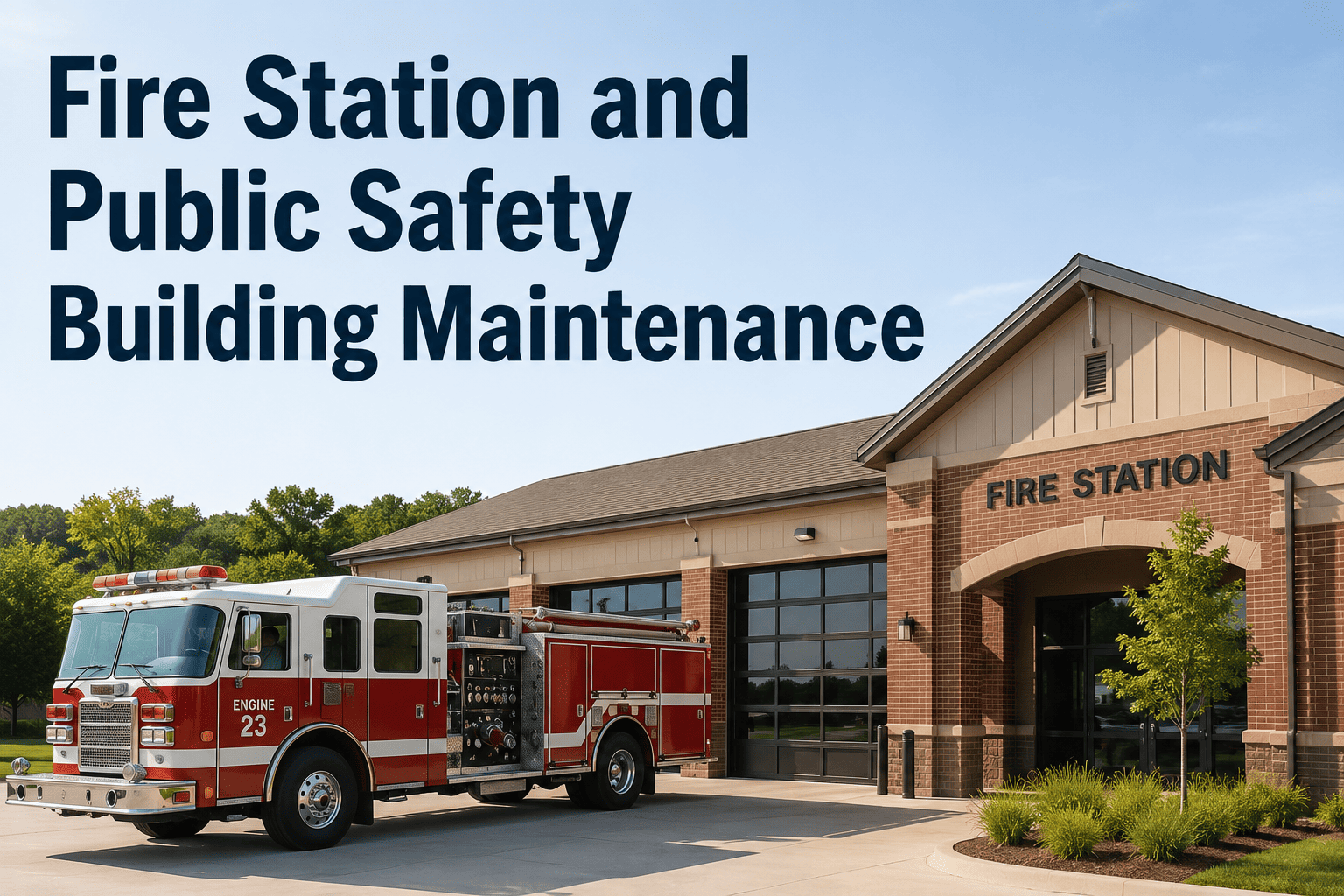
Public Safety Facility Maintenance: Police Stations, Fire Stations, and 911 Centers
IoT sensors and AI analytics deliver safer, more comprehensive emergency center maintenance with real-time anomaly detection and work order automation for your first responder facility.
Power Resilience
Generator & ATS monitoring
Environmental Control
HVAC monitoring in evidence rooms
Secure Access
Detention & apparatus bay doors
CMMS Integration
Automated public safety CMMS workflows
0
Unplanned facility downtime
24/7
IoT monitoring via asset dashboard
3x
Faster incident response
100%
NFPA compliance documentation
The Limitations of Manual Facility Inspections
A public safety facility demands rigorous oversight, but manual maintenance routines are inherently flawed. Facility managers rely on clipboard inspections for backup generators, visual checks of complex HVAC systems, and reactive repairs when bay doors jam. Because these operations are tedious and prone to human error, critical warning signs are often missed. When data relies on visual estimates and handwritten logs, predictive maintenance is impossible. The result: mission-critical deterioration goes unnoticed until it becomes an emergency that threatens police facility management and emergency operations maintenance. Book a Demo.
Common Public Safety Maintenance Failures
Generator Neglect
High
Infrequent manual load testing leaves fuel systems and batteries vulnerable to hidden failures.
Risk: Total power loss during crises
HVAC Drift
80%
Temperature fluctuations in server rooms and evidence lockers go unnoticed until damage occurs.
Risk: Evidence contamination
Door Failures
Costly
Fire apparatus bay doors jam due to lack of preventative lubrication and sensor alignment checks.
Risk: Delayed response times
Manual Logs
Loss
Inspection records for detention facility maintenance are easily lost, leading to compliance failures.
Risk: Failed safety audits
Reactive Habits
Critical
Without continuous IoT sensor ingestion, public safety buildings react only after a failure event.
Risk: Mission-critical breakdown
How Integrated Public Safety Facility Management Works
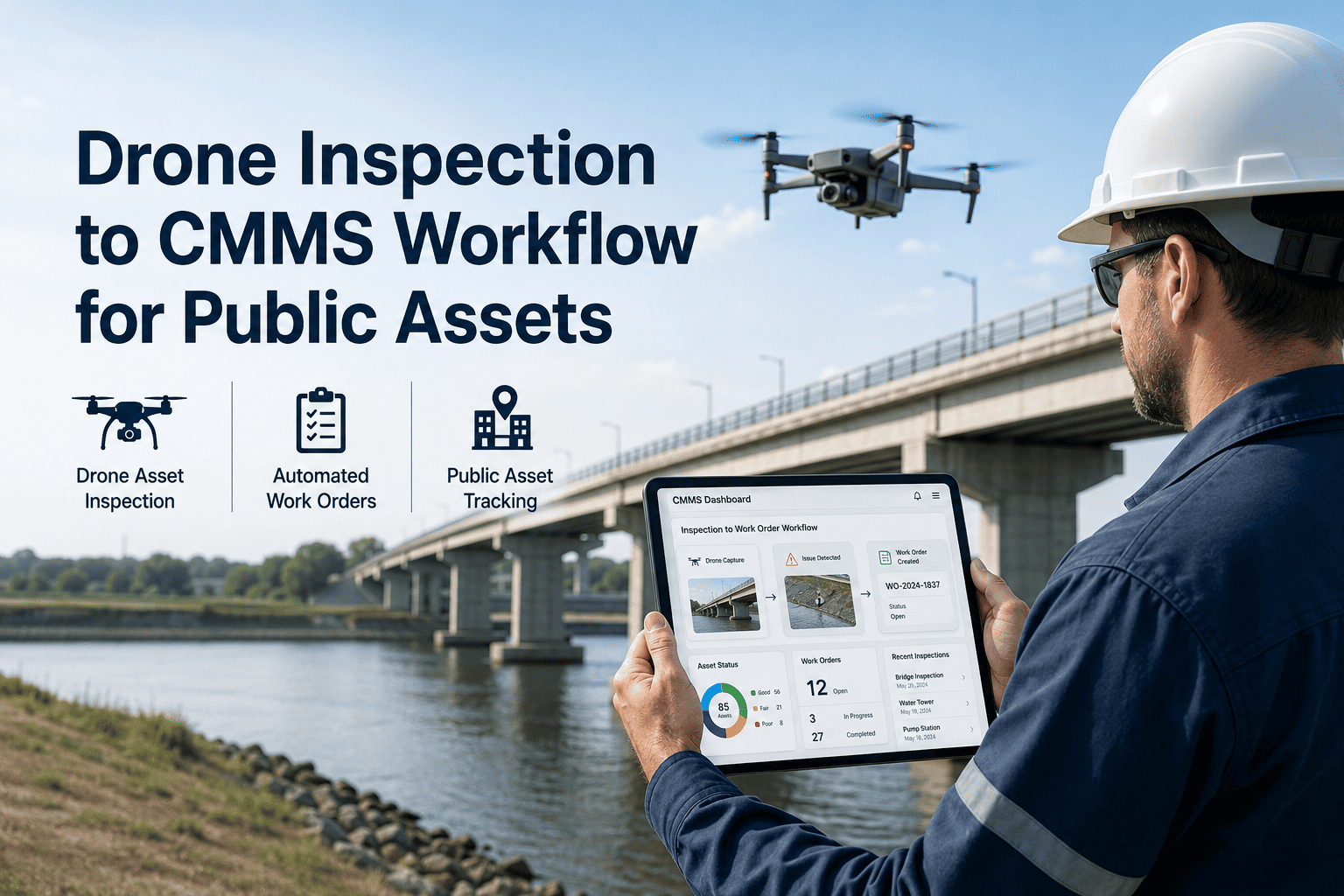
Automated public safety CMMS operations represent a complete rethinking of asset management. By combining IoT sensors, automated PM schedules, and predictive algorithms, municipalities can safely and continuously monitor facility integrity. Understanding this integrated workflow reveals why a digital approach is essential for dispatch center maintenance.
Integrated Inspection & Monitoring Process
IoT Sensor Ingestion
Real-Time Facility Telemetry
✓ Wireless sensors track generator block heaters, fuel levels, and battery health.
✓ Environmental probes monitor server room humidity and evidence locker temperatures.
✓ Operations utilize automated thresholds to detect anomalies instantly.
Continuous IoT monitoring bridges the gap between manual inspections, ensuring 24/7 oversight.
Real-Time Anomaly Detection
AI & Predictive Analytics
✓ AI processes telemetry data to identify failing HVAC components before breakdown.
✓ Access control logs are monitored to detect doors failing to secure properly.
✓ Predictive algorithms forecast degradation rates across the public safety building.
AI analytics transform raw building data into actionable insights on the asset health dashboard.
Automated PM Scheduling
Compliance & Readiness Checklists
✓ Pre-programmed preventative maintenance for fire apparatus bays and exhaust extraction.
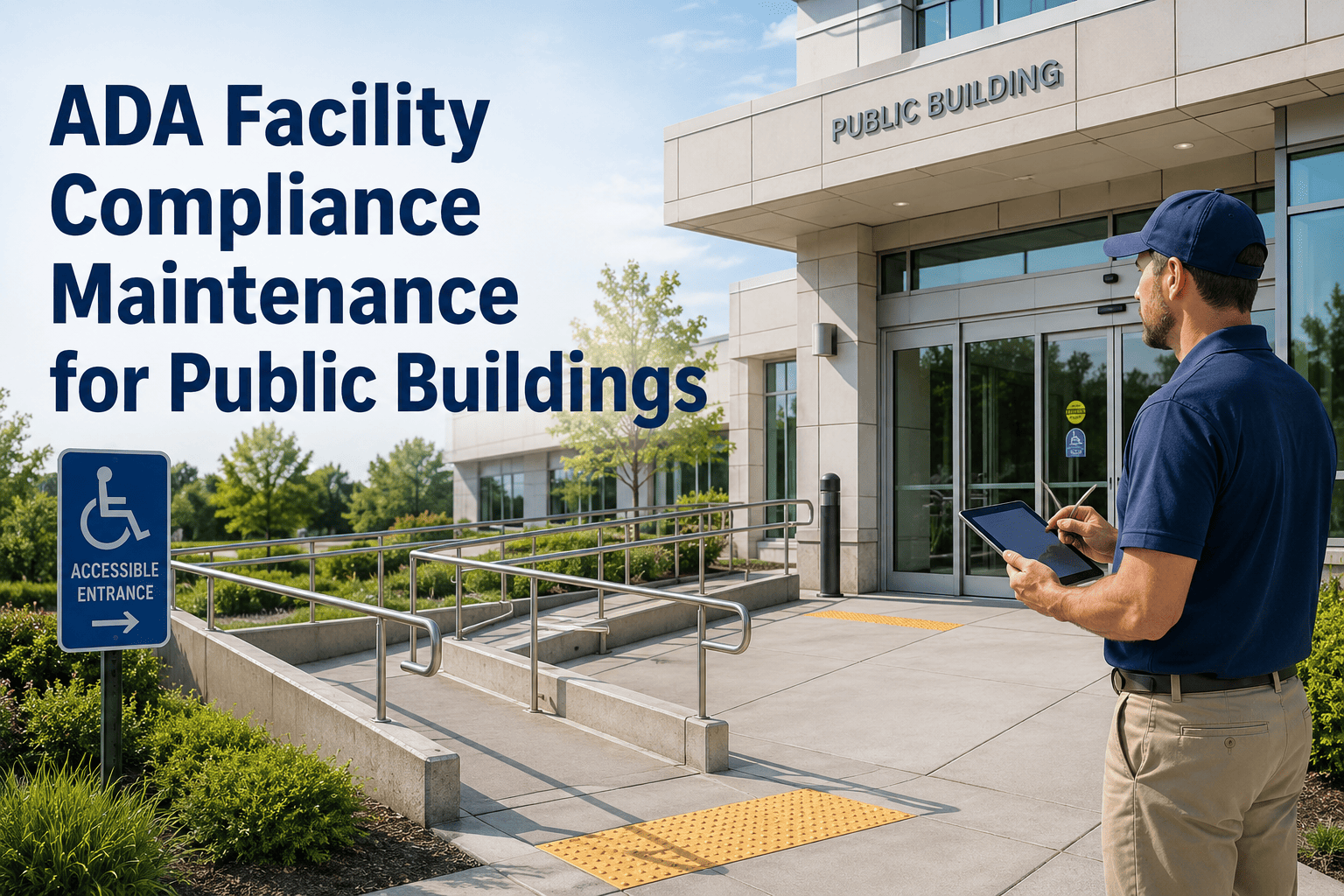
✓ Digital compliance logs for NFPA life safety inspections and fire extinguisher checks.
✓ Routine scheduling for deep cleaning and sanitation in detention facility maintenance.
Structured PM routines keep first responder facility assets in a state of perpetual readiness.
CMMS Integration
Work Order Automation
✓ Detected anomalies automatically trigger emergency work orders in the Oxmaint CMMS.
✓ Technicians are routed with specific locations, parts lists, and safety protocols.
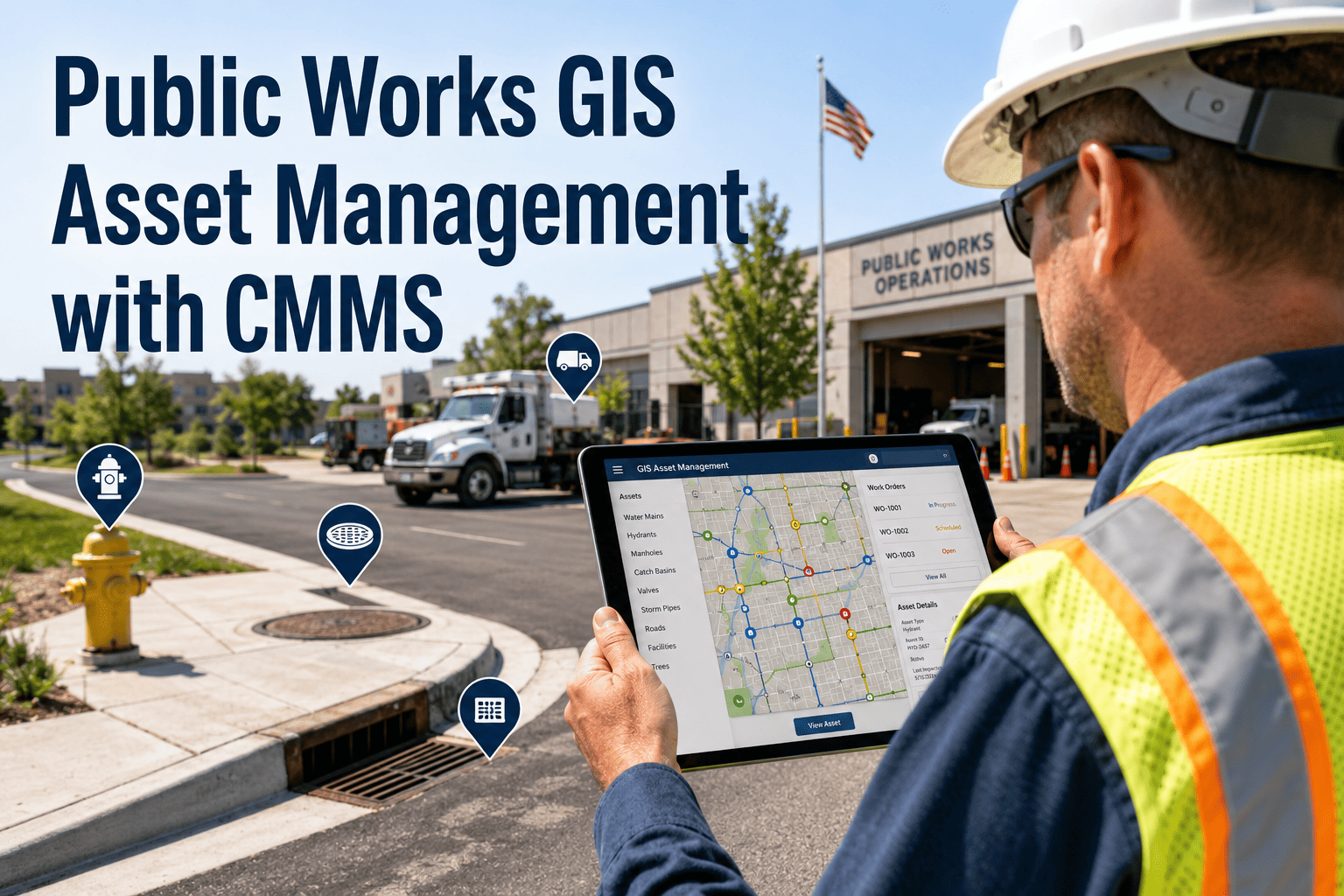
✓ Centralized asset management streamlines budget planning for public infrastructure.
Seamless CMMS integration ensures that critical data immediately initiates required maintenance actions.
Unify Sensors, Compliance, and Maintenance
Oxmaint AI integrates IoT monitoring streams, automated checklists, and predictive analytics directly into your CMMS. Automate work orders to ensure your 911 center maintenance remains flawless.
Transforming Asset Management: Mission-Critical Subsystems
The true power of a public safety CMMS lies in the synthesis of multiple operational streams. When fire station maintenance, police station maintenance, and 911 center upkeep are centralized, public agencies transition from reactive repairs to true predictive maintenance. Book a Demo.
Mission-Critical Subsystem Maintenance Profiles
Emergency Generators
Capabilities:
Continuous IoT fuel and battery monitoring
Automated ATS (transfer switch) test logs
Block heater temperature tracking
Engine vibration and performance analysis
CMMS Impact:
Triggers emergency alerts before power loss
Maintains auditable readiness records
Target: 100% failover success during grid outages.
HVAC & Environmental Control
Capabilities:
Server room temperature/humidity tracking
Evidence room environmental logging
Air handler filter replacement schedules
Exhaust extraction (Plymovent) maintenance
CMMS Impact:
Prevents IT downtime in dispatch centers
Proteents chain-of-custody in evidence storage
Target: Precise climate control for sensitive operations.
Apparatus Bays & Access
Capabilities:
High-speed garage door motor lubrication
Detention cell lock and hinge inspections
Perimeter gate access control checks
Security camera and lighting PMs
CMMS Impact:
Auto-generates work orders on access failure
Ensures zero delay for emergency vehicle egress
Target: Flawless physical security and rapid response.
Deployment Lifecycle: Securing First Responder Facilities
Implementing an autonomous oversight program for a public safety building requires a structured approach. Facility directors must establish baselines, integrate sensors, and tune PM schedules to ensure seamless CMMS integration.
Facility Deployment Lifecycle
From manual checks to an AI-driven asset health dashboard
01
Asset Baseline
Conduct a comprehensive audit of all HVAC, backup power, and security assets. Map the entire public safety facility to serve as the baseline for all future CMMS operations.
Planning
02
Preventative Maintenance Setup
Digitize all standard operating procedures for fire station maintenance and police facility management. Establish calendar-based routines for life-safety systems.
Active
03
IoT Sensor Integration
Deploy structural and environmental sensors across the facility. Establish network connections for reliable IoT sensor ingestion, defining initial condition thresholds for emergency alerts.
Ongoing
04
Compliance Automation
Integrate NFPA and local code requirements into the CMMS. Configure automated reporting so that detention facility maintenance and generator logs are constantly audit-ready.
Growth
05
Predictive CMMS Operations
Fully enable CMMS analytics. Achieve work order automation where the asset health dashboard directly issues repair tasks based on predictive maintenance insights, optimizing government budgets.
Advanced
Real-Time Asset Health Dashboard
Visualize the condition of your 911 center maintenance program in real-time. Oxmaint aggregates IoT monitoring data and automated checklists to provide facility directors with a single source of truth.
Expert Perspective: Protecting the Protectors
"
Managing a public safety building is entirely different from an office space. If the AC goes down in City Hall, people are uncomfortable. If the cooling fails in our 911 center maintenance hub, emergency dispatch servers overheat and lives are on the line. By transitioning to a public safety CMMS powered by IoT, we fundamentally changed our risk profile. Continuous monitoring provides real-time feedback on our backup generators and fire apparatus bay doors. When the AI detected an anomaly in the fuel pressure of our primary generator, the CMMS integration automatically generated a work order before the next storm hit. We've eliminated reactive emergencies and achieved true predictive maintenance. This is the only way to manage a first responder facility.
— Chief Facilities Officer, Metro Public Safety
100%
Elimination of undocumented manual inspections
4x
Increase in preventative maintenance completion
Real-Time
Condition thresholds and alerts
Automated
Work order automation via CMMS
Public works agencies that deploy automated police station maintenance and emergency center maintenance are not just upgrading tools—they are ensuring the safety of their communities through proactive asset management. The technology provides unparalleled real time anomaly detection and operational efficiency. Start your free trial today.
Secure Your Infrastructure with Oxmaint
Oxmaint delivers the ultimate platform for modern police facility management—unifying preventative checklists, IoT monitoring, and work order automation into a comprehensive asset health dashboard for public safety.
Frequently Asked Questions
What makes public safety facility maintenance different from standard building maintenance?
A public safety facility operates under strict 24/7/365 uptime requirements. Asset failures in a dispatch center maintenance environment or a fire station maintenance scenario directly impact emergency response capabilities. The CMMS must prioritize generator readiness, secure access controls, and critical HVAC cooling for servers above standard comfort maintenance.
How does IoT monitoring enhance emergency center maintenance?
IoT monitoring provides continuous telemetry from sensors embedded in critical assets, such as fuel levels in emergency generators or humidity levels in evidence rooms. This IoT sensor ingestion operates 24/7. If readings exceed predefined condition thresholds and alerts, the system immediately notifies engineers, bridging the gap between scheduled preventative maintenance tasks.
What role does AI play in 911 center maintenance?
AI analytics process historical and real-time data to identify subtle degradation patterns in mission-critical equipment. For example, the AI automatically detects when a cooling unit in a 911 server room begins drawing excess amperage, enabling real time anomaly detection and allowing facilities teams to intervene long before a catastrophic failure occurs.
How does CMMS integration automate police facility management?
When the AI or IoT sensors detect an anomaly, the system leverages CMMS integration to achieve work order automation. It instantly generates a maintenance task within the Oxmaint platform, attaching the precise location, severity rating, and compliance checklist. This streamlines police station maintenance and ensures rapid response to critical issues.
Can the platform handle specialized detention facility maintenance?
Yes. Detention facility maintenance involves specialized security hardware and stringent compliance logging. The public safety CMMS manages recurring inspections for cell locks, hinges, and cameras, ensuring that every task requires verifiable sign-offs, preserving the security and legal compliance of the facility.