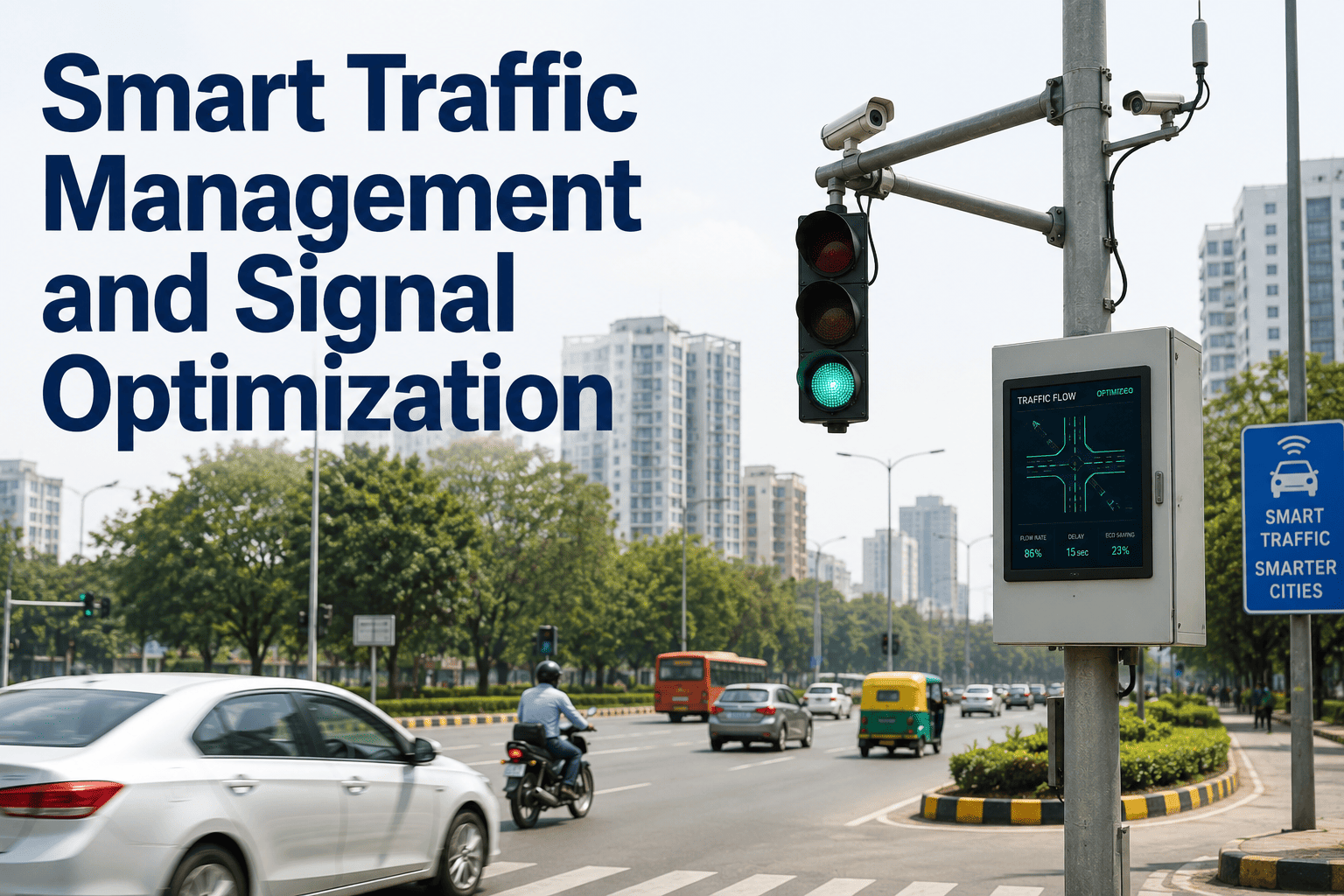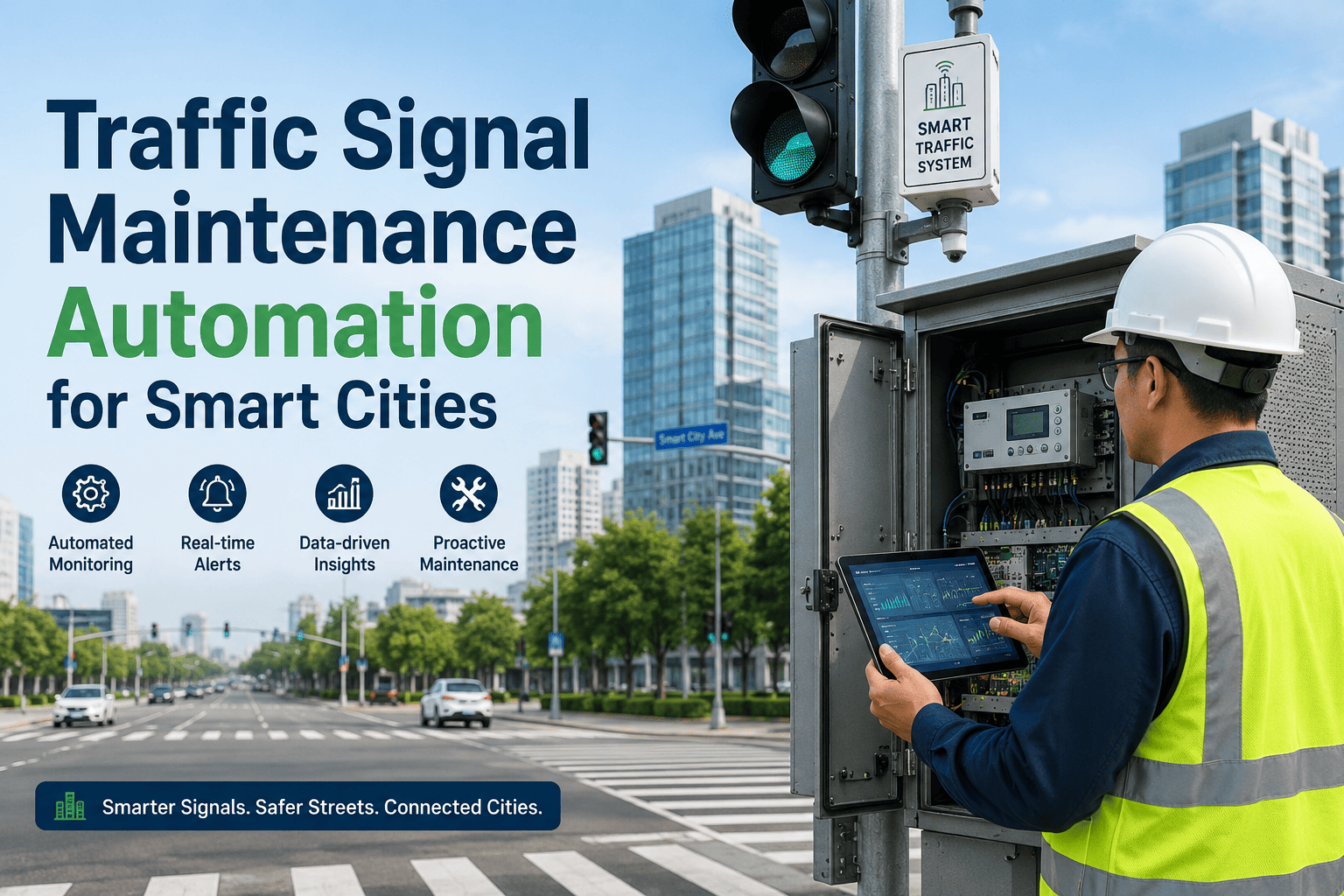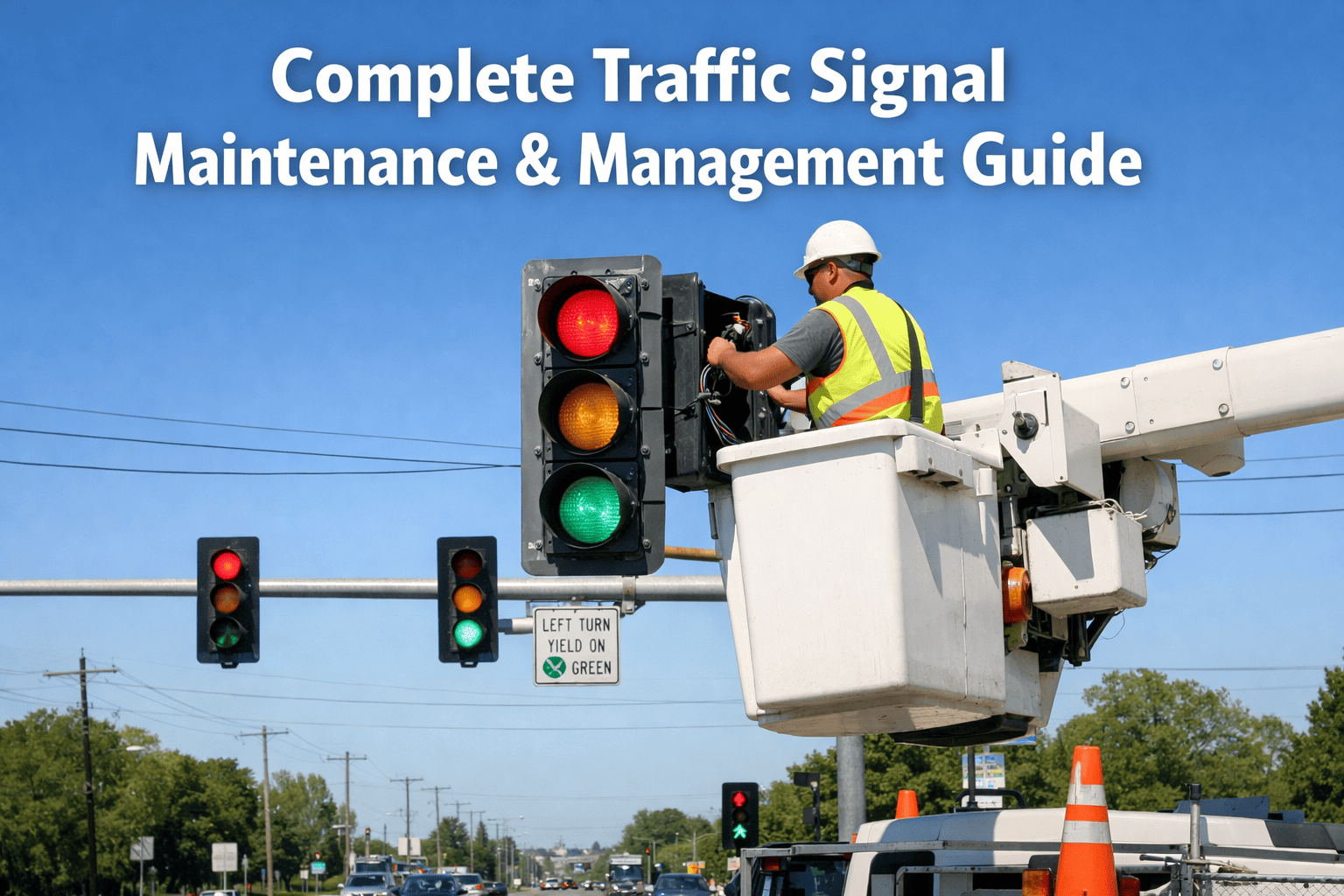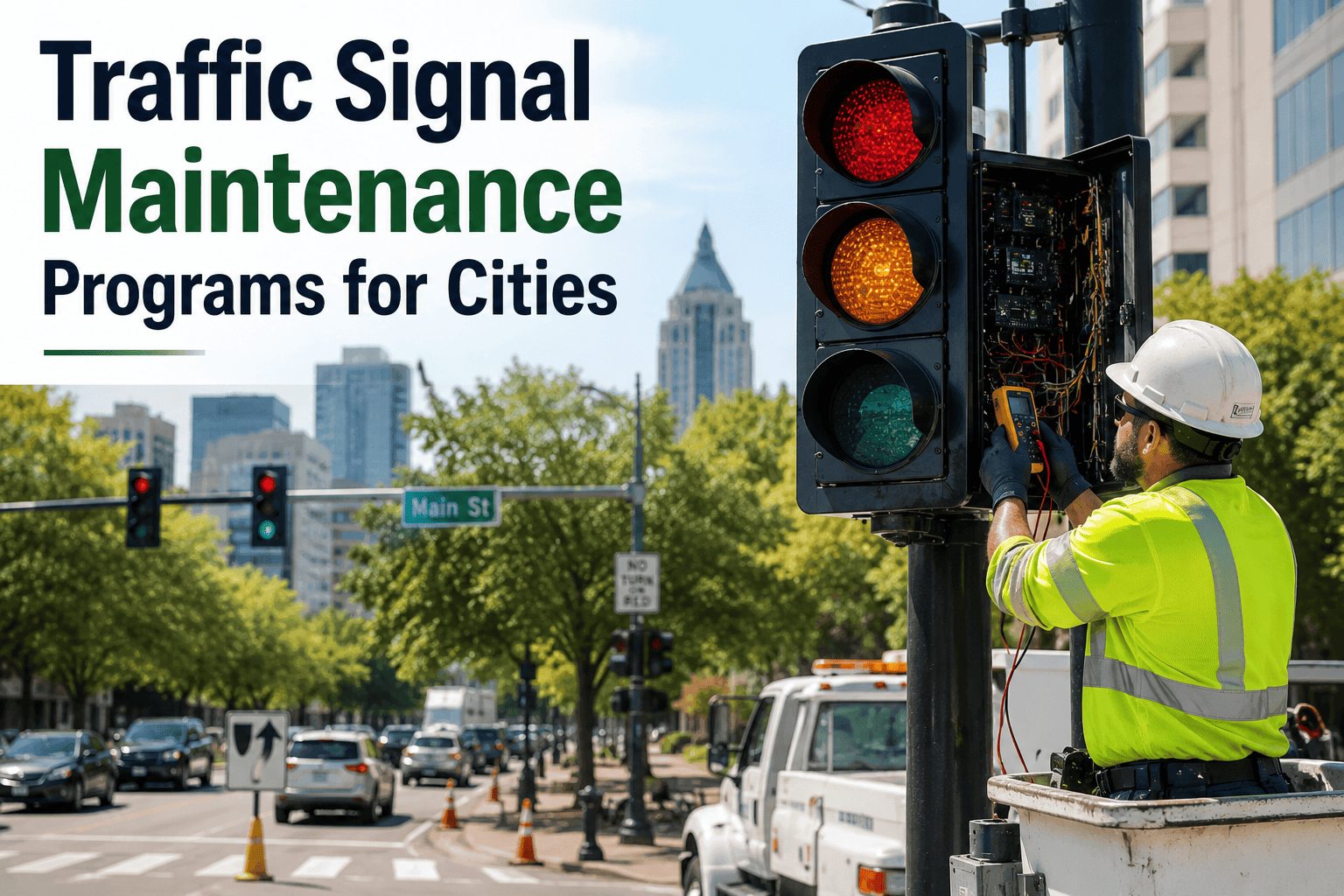
A failed traffic signal is a safety and liability event — not an inconvenience. Cities without a structured traffic signal maintenance program absorb millions each year in crash settlements, federal compliance penalties, and emergency repair costs. For transportation managers operating aging cabinets, fading detection systems, and shrinking field crews, an ad-hoc repair strategy is no longer defensible. A formal maintenance program transforms reactive calls into scheduled work, extends controller life by years, and builds the audit-ready documentation trail that protects municipalities during litigation and federal reviews. Build yours in 30 days — start a free trial or book a demo with Oxmaint today.
Build a Traffic Signal Maintenance Program That Reduces Emergency Callouts by 40%
Reactive cities pay 4.2x more per signal emergency than planned-maintenance cities. A structured program built on intersection inventory, MUTCD-aligned inspection intervals, technician workflows, and CMMS tracking closes that gap — systematically, measurably, and starting in week one.
A Signal Maintenance Program Is an Operational Decision — Not an IT Project
The barrier to building a traffic signal maintenance program is not technology — it is the decision to stop tolerating reactive callouts as normal. Oxmaint gives transportation managers a structured 30-day build path: intersection asset register in week one, MUTCD-aligned inspection schedules in week two, technician routing and checklists in week three, and KPI reporting in week four. No 6-month implementation, no consultant dependency, no data migration project.
The 5-Step Process to Build a Traffic Signal Maintenance Program from Scratch
Each step below is sequential — you cannot set inspection intervals before you know what assets you have, and you cannot measure PM compliance before you have scheduled work orders to track. The 30-day timeline assumes a municipal agency operating 100 to 500 signalized intersections with 3 to 8 field technicians.
Document every signalized intersection with: intersection ID, cross streets, district, controller make/model/firmware, cabinet type, detection technology, signal head count, pedestrian signals, preemption systems, and UPS backup. Include poles, mast arms, span wire, and pull boxes as linked assets. This register is the foundation — PM schedules, work orders, and cost tracking all attach to it.
Different components age at different rates. LED signal heads last 7-12 years but intensity degrades measurably in 3-5. Inductive loop detectors fail unpredictably. Controllers accumulate dust, humidity, and connector corrosion. Define intervals per component using MUTCD Section 4B.31 and ITE guidance as baselines, then adjust for coastal salt, freeze-thaw cycles, and high-volume corridors.
Every PM event — monthly visual, quarterly functional, annual MUTCD audit — needs a standardized checklist completed on a mobile device at the cabinet door. Checklists eliminate technician variation, create the documentation trail that defends the city during litigation, and ensure silent failures like a dim LED or degraded detector are caught before they become crash causes.
Signal maintenance is a routing problem. Technicians should not drive past one failing intersection to perform scheduled PM at another. Oxmaint sequences PM work orders geographically and aligns them with emergency callouts. Align storeroom inventory to PM consumption: lamps, detectors, controller cards, fuses, and pushbuttons by intersection cluster. Parts stockouts during PM visits are the leading cause of deferrals that turn into emergencies.
A signal maintenance program without KPI tracking quietly reverts to reactive. Track PM compliance rate weekly, emergency callout ratio monthly, mean time between failures quarterly, and crash rate at signalized intersections annually. Use deficiency data from checklists to identify cabinets and controllers approaching end-of-life — and feed capital replacement decisions with evidence, not age-based assumptions.
Recommended PM Intervals by Signal Component — 2026 MUTCD Reference
| Component | Inspection Type | Frequency | Reference Standard |
|---|---|---|---|
| Controller & Cabinet | Visual + functional | Monthly | MUTCD Sec 4B.31 |
| Controller & Cabinet | Comprehensive diagnostics | Annual | ITE Mgmt Handbook |
| Loop / Video / Radar Detection | Functional test | Monthly | OEM Spec |
| Signal Heads (LED) | Visual + intensity | Biannual | ITE Std 12 |
| Pedestrian Signal (APS) | Pushbutton + tone test | Quarterly | PROWAG |
| Preemption Systems | Operational test | Quarterly | ITE Preemption |
| Poles, Mast Arms, Span Wire | Structural inspection | Annual | AASHTO LTS-6 |
| Battery Backup (UPS) | Load test | Semiannual | NFPA 110 |
| Conflict Monitor | Function test | Monthly | ITE TM 2.06 |
| Communications Backhaul | Link health test | Monthly | Local Spec |
How Oxmaint Configures Your Signal Maintenance Program in 30 Days
Oxmaint is built to make the 30-day program build achievable without a dedicated IT project or an implementation consultant. The platform follows the same 5-step framework above — and every configuration decision is retained as an operational record that improves as your intersection data accumulates. Teams ready to start can start a free trial or book a demo to walk through the configuration for their specific intersection count.
Import your entire signal network via CSV or scan QR codes at each cabinet with the Oxmaint mobile app. Controller, cabinet, and detector details captured in one step. Agencies running 200+ intersections complete initial onboarding in under 30 days.
Configure each component class with whichever-comes-first triggers — calendar days, traffic count, or event-based. PM work orders generate automatically when any trigger fires. No manual scheduling, no missed intervals from delayed field reports.
Pre-built checklists for monthly visual, quarterly functional, annual MUTCD audit, and post-storm assessments — configured to MUTCD 4B.31 and PROWAG requirements. Technicians complete on mobile with pass/fail, photos, and digital signature. Records audit-ready in seconds.
Each PM type carries a preferred parts list — lamp type, detector part numbers, fuse ratings — that cross-references storeroom inventory when the work order is dispatched. Out-of-stock parts trigger procurement alerts before the technician arrives at the cabinet.
The Oxmaint KPI dashboard shows PM compliance rate, emergency-to-planned ratio, MTBF by component class, and crash rate at signalized intersections — updated in real time. Weekly automated reports reach traffic managers every Monday morning without manual compilation.
Checklist deficiency data accumulates into condition scores for each cabinet and controller. Assets trending toward end-of-life surface in the capital planning module with estimated replacement cost and projected failure timeline — defensible CapEx forecasting based on condition data, not install age.
Reactive Signal Operations vs. Structured PM Program Results
What Transportation Managers Measure After Building a Structured Program
Preventive work replacing reactive repairs, parts stocked at planned pricing, and warranty captures that reactive programs miss entirely
Controllers, cabinets, and detection systems operating years longer with documented PM than with ad-hoc repair cycles
Auto-generated work orders with escalation alerts achieve compliance rates manual scheduling programs cannot sustain past Q1
Asset register, schedules, technician workflows, and KPI dashboard — operational in 30 days without consultants or IT projects
Frequently Asked Questions
How do we start when our city has no existing signal inventory?
What is the right inspection interval for legacy NEMA cabinets vs. modern ATC controllers?
How do we get technician buy-in for digital inspection workflows?
When should we involve the CFO and city council in maintenance ROI reporting?
How does Oxmaint handle ADA and APS pedestrian signal compliance?
Your Signal Maintenance Program Starts This Week — Not Next Quarter
Every week without a structured PM program is a week where 40% of your preventable emergency callouts are not being prevented. Oxmaint builds your intersection register, MUTCD-aligned inspection schedules, and KPI dashboard in 30 days — no implementation project, no consultant dependency, first PM work orders in week one.