
In healthcare environments, biomedical equipment alarms serve as critical safety mechanisms that alert staff to potential equipment malfunctions, patient status changes, or system failures. When alarm faults occur, they can compromise patient safety, disrupt clinical workflows, and lead to costly equipment downtime. Healthcare facilities managing hundreds of medical devices need a systematic approach to identify, troubleshoot, and resolve alarm faults before they escalate into critical failures. This comprehensive checklist provides biomedical engineering teams with a structured framework to diagnose alarm malfunctions across various medical equipment types. By implementing regular alarm fault assessments, facilities can reduce false alarms by up to 60%, minimize emergency repairs, and maintain continuous equipment availability. Whether you're managing ventilators, patient monitors, infusion pumps, or dialysis machines, this checklist ensures your team follows best practices for alarm system verification and maintenance. Sign up with OxMaint to digitize your biomedical equipment maintenance workflows and implement AI-powered predictive alarm fault detection that identifies potential failures before they impact patient care.
Comprehensive Alarm Fault Inspection Checklist
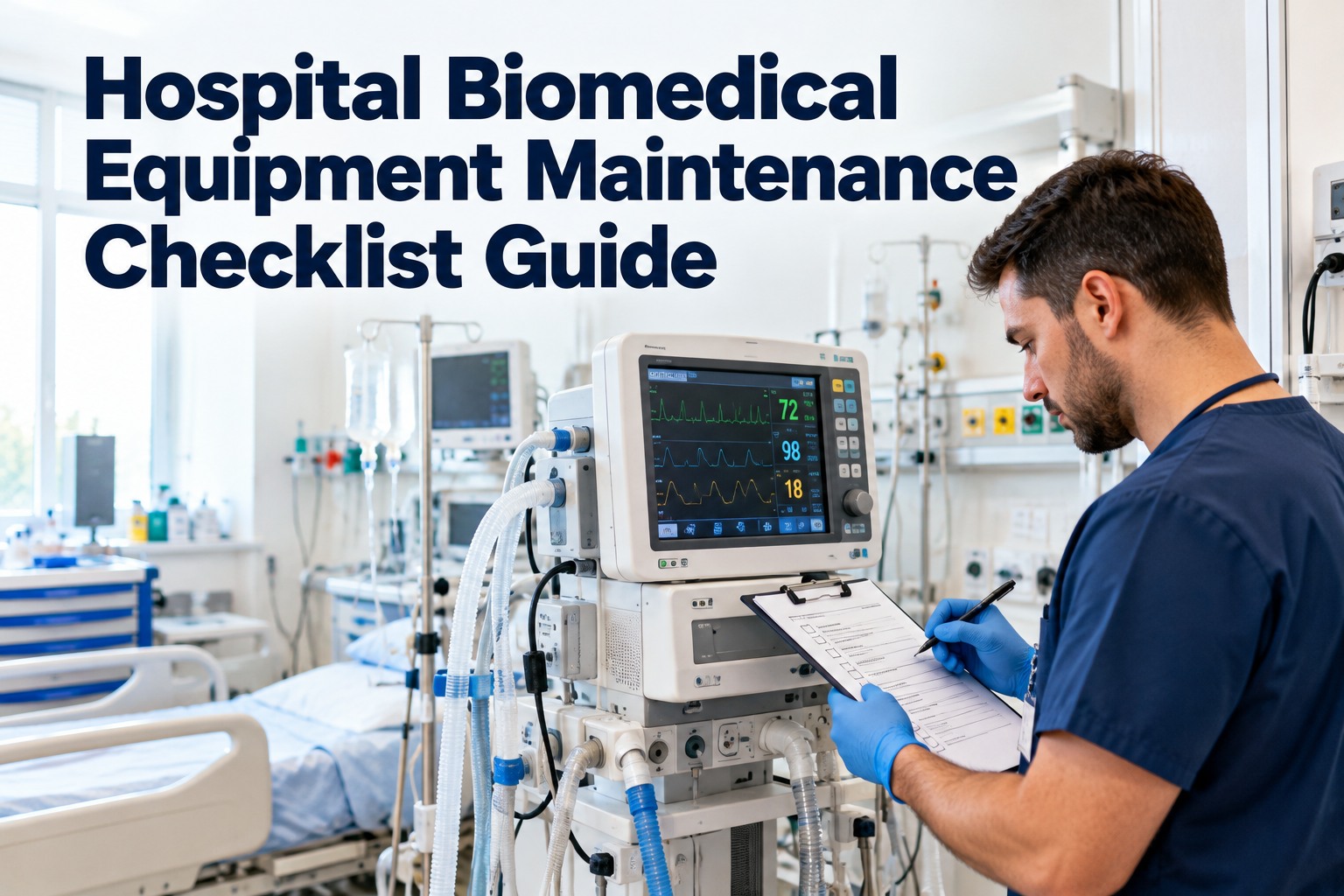
Follow this systematic checklist to identify and resolve alarm faults across your biomedical equipment inventory. Each category addresses common failure points that clinical engineering teams encounter during routine maintenance and emergency troubleshooting.
Power Supply and Battery Verification
- Verify AC power connection and outlet functionality using a multimeter
- Test battery backup system under simulated power failure conditions
- Check battery charge levels and document voltage readings
- Inspect power cords for damage, fraying, or loose connections
- Validate UPS integration and automatic switchover functionality
- Review battery replacement schedule and service history records
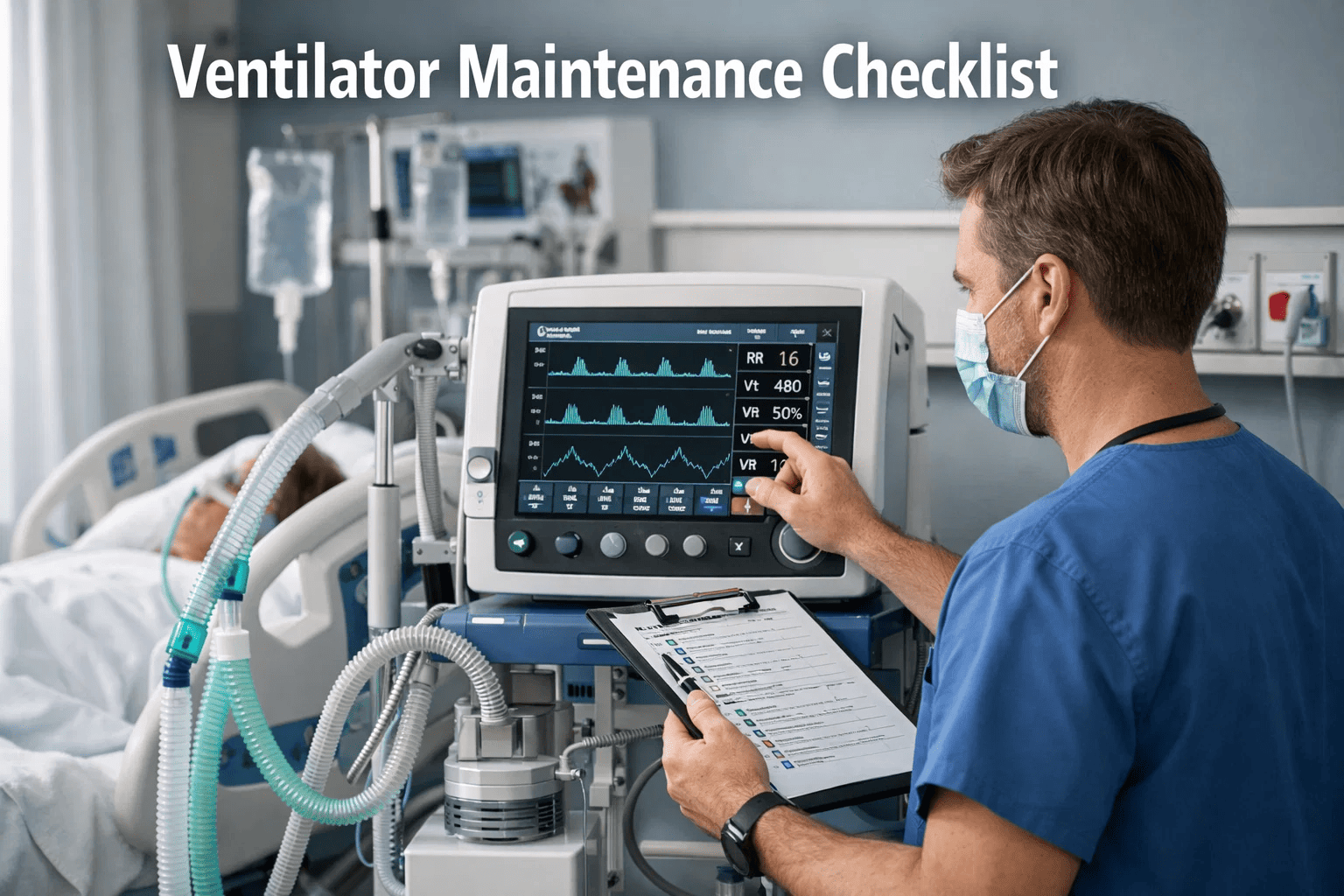
Alarm System Functionality Testing
- Test all alarm priority levels (high, medium, low) for audible output
- Verify alarm volume settings meet hospital standards (45-85 dBA)
- Check visual alarm indicators (LEDs, display messages) for proper illumination
- Validate alarm silencing and reset functions operate correctly
- Test remote alarm notification systems and nurse call integration
- Confirm alarm escalation protocols activate after designated time delays
Sensor and Transducer Calibration
- Calibrate pressure sensors against certified reference standards
- Verify temperature sensor accuracy using calibrated thermometers
- Test flow sensors with known flow rates and document deviations
- Inspect sensor cable connections for corrosion or wear
- Validate sensor response time meets manufacturer specifications
- Check for electromagnetic interference affecting sensor readings
Software and Firmware Updates
- Review current firmware version against manufacturer update bulletins
- Check for pending software patches addressing alarm-related bugs
- Verify alarm parameter settings retained after software updates
- Test alarm functionality post-update using simulation modes
- Document all configuration changes and version control information
- Validate network connectivity for cloud-enabled alarm systems
Documentation and Compliance Verification
- Record all alarm fault findings in equipment maintenance logs
- Verify compliance with IEC 60601-1-8 alarm system standards
- Update asset management system with inspection results and timestamps
- Attach calibration certificates and test result documentation
- Generate work orders for identified deficiencies requiring repair
- Review manufacturer service bulletins and safety notices
Safety and Environmental Assessment
- Evaluate ambient noise levels affecting alarm audibility in clinical areas
- Check for physical obstructions blocking visual alarm indicators
- Assess equipment placement relative to staff workstations and patient beds
- Verify alarm systems function properly in extreme temperature conditions
- Test backup alarm mechanisms during primary system failures
- Confirm proper grounding and electrical safety for alarm components
Transform Your Biomedical Equipment Maintenance
Stop managing alarm faults reactively. OxMaint's AI-powered predictive maintenance platform helps healthcare facilities proactively identify equipment issues before they trigger alarms or cause failures. Our comprehensive asset management system tracks every inspection, maintains complete service histories, and uses machine learning to predict when biomedical equipment needs attention. Book a demo to see how leading healthcare systems are reducing equipment downtime by 40% and extending asset lifecycles with intelligent maintenance workflows.
Why Healthcare Facilities Choose OxMaint
AI-Powered Fault Detection
Machine learning algorithms analyze equipment performance patterns to predict alarm faults before they occur, reducing emergency repairs by up to 65%. Start your free trial to experience predictive maintenance.
Digital Checklist Management
Replace paper checklists with mobile-optimized digital forms that auto-populate equipment data, capture photos, and sync instantly to your CMMS. See it in action.
Real-Time Asset Tracking
Monitor equipment status, maintenance schedules, and alarm history across your entire biomedical inventory from a unified dashboard. Get started today.
Comprehensive Reporting
Generate compliance reports, track KPIs, and demonstrate regulatory adherence with automated documentation and audit trails. Request a demo to see reporting features.
Team Collaboration
Coordinate maintenance activities across biomedical engineering teams with task assignments, notifications, and knowledge sharing. Sign up now to enable team collaboration.
HIPAA-Compliant Security
Enterprise-grade security with encrypted data storage, role-based access controls, and full compliance with healthcare privacy regulations. Learn more about security.
Streamlined Alarm Fault Resolution Process
Automated Detection
OxMaint's sensors and integrations continuously monitor biomedical equipment performance, detecting anomalies that could lead to alarm faults.
Intelligent Alerting
When potential issues are identified, the system generates prioritized work orders and notifies the appropriate biomedical technicians via mobile app or email.
Guided Troubleshooting
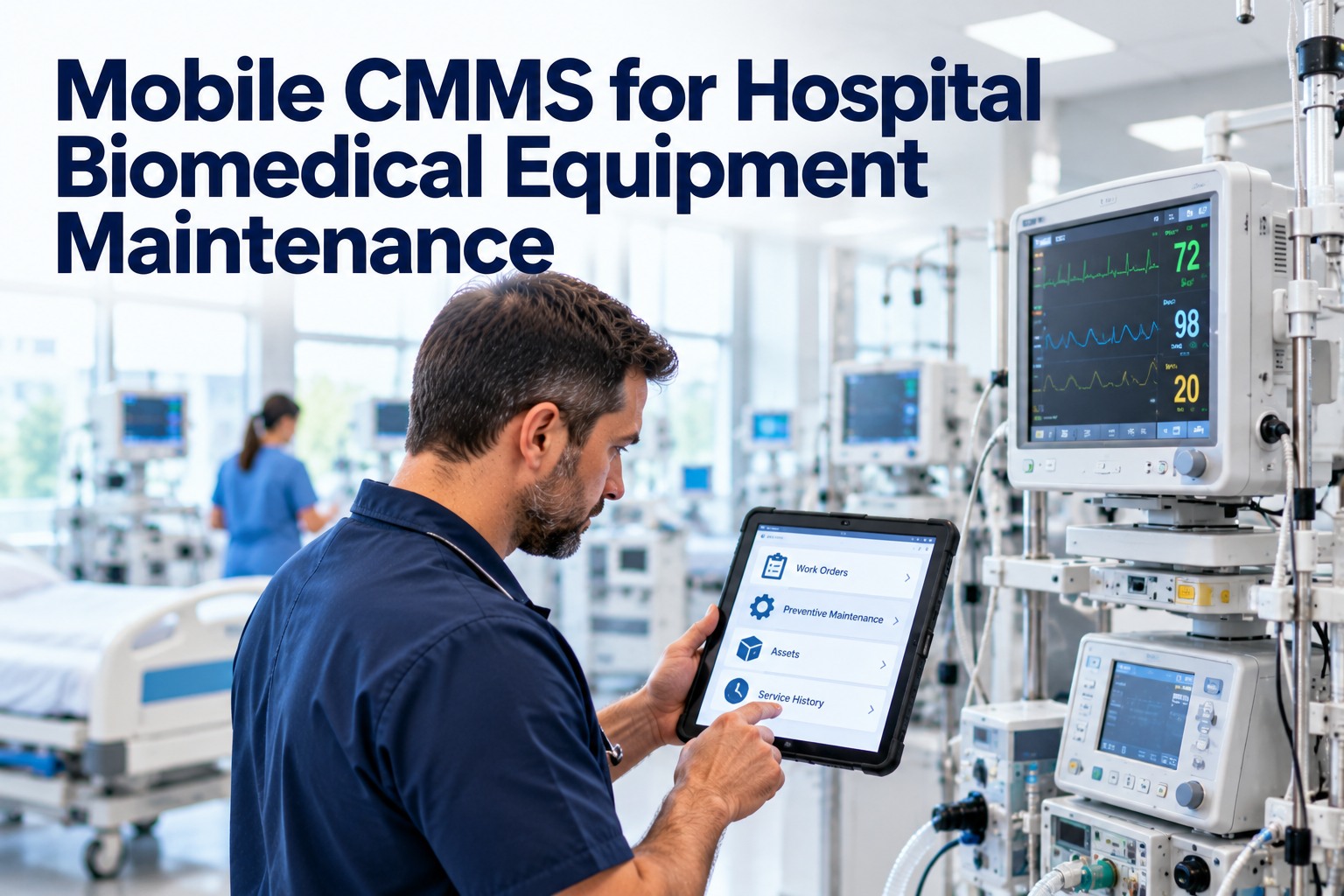
Technicians access equipment-specific checklists, maintenance histories, and troubleshooting guides directly from their mobile devices at the point of care.
Documentation & Analysis
All inspection findings, repairs, and parts used are automatically logged, creating a comprehensive maintenance record that feeds into predictive analytics.
Frequently Asked Questions
How often should biomedical equipment alarm systems be tested?
The frequency of alarm system testing depends on equipment type, criticality, and regulatory requirements. Critical care equipment like ventilators and patient monitors should have alarm functionality tested during each preventive maintenance cycle, typically every 6-12 months. High-use equipment may require quarterly testing. Additionally, alarms should be verified after any software updates, repairs, or configuration changes. The Joint Commission and FDA recommend that healthcare facilities establish documented testing protocols based on manufacturer recommendations and risk assessments. Try OxMaint's automated scheduling to ensure compliance.
What are the most common causes of biomedical equipment alarm faults?
The most frequent alarm fault causes include depleted or failed backup batteries, sensor calibration drift, loose cable connections, software glitches, excessive ambient noise masking alarms, and improper alarm parameter settings. Power supply issues account for approximately 30% of alarm faults, while sensor and transducer problems represent another 25%. Environmental factors like temperature extremes, humidity, and electromagnetic interference can also contribute to alarm system failures. Regular preventive maintenance following this checklist helps identify these issues before they result in clinical alarm failures. See how OxMaint predicts these failures.
How can healthcare facilities reduce false alarms from biomedical equipment?
Reducing false alarms requires a multi-faceted approach: customizing alarm parameters to patient-specific conditions, ensuring proper sensor placement and connection, maintaining equipment according to manufacturer specifications, providing staff training on alarm management, and implementing alarm fatigue reduction protocols. Studies show that standardizing alarm settings across similar equipment types can reduce false alarms by 40%. OxMaint's predictive maintenance platform analyzes alarm patterns to identify equipment requiring recalibration or adjustment, helping facilities proactively address false alarm sources before they impact clinical care. Start reducing false alarms today.
What documentation is required for biomedical equipment alarm testing?
Comprehensive alarm testing documentation should include equipment identification details (serial number, model, location), date and time of testing, technician name and credentials, specific tests performed, measured values for alarm volume and response times, any deficiencies identified, corrective actions taken, and verification of proper function post-repair. Documentation must demonstrate compliance with IEC 60601-1-8 standards and facility policies. This information should be retained in the equipment's maintenance history for regulatory inspections, accreditation surveys, and trending analysis. Digital documentation systems like OxMaint automatically capture and organize this data, ensuring nothing is missed. See automated documentation in action.
Can OxMaint integrate with existing hospital CMMS and EMR systems?
Yes, OxMaint is designed to integrate seamlessly with major healthcare information systems including Epic, Cerner, Meditech, and leading CMMS platforms. Our API-driven architecture enables bidirectional data exchange, allowing maintenance data to flow into your existing systems while pulling equipment and asset information from your CMMS. This integration eliminates duplicate data entry, ensures consistency across platforms, and provides a unified view of asset performance. Our implementation team works with your IT department to configure integrations that meet your facility's specific workflows and security requirements while maintaining HIPAA compliance. Discuss integration options.
How does predictive maintenance differ from traditional preventive maintenance for alarm systems?
Traditional preventive maintenance follows fixed schedules regardless of equipment condition, which can result in unnecessary maintenance or missed early failure indicators. Predictive maintenance uses real-time data from sensors, historical performance patterns, and machine learning algorithms to predict when equipment components are likely to fail. For alarm systems, this means identifying battery degradation trends, sensor drift patterns, or software anomalies before they cause alarm faults. OxMaint's AI analyzes thousands of data points to determine optimal maintenance timing, reducing maintenance costs by 25-35% while improving equipment reliability. This transition from calendar-based to condition-based maintenance is transforming healthcare asset management. Experience predictive maintenance.
Ready to Elevate Your Biomedical Equipment Management?
Join hundreds of healthcare facilities that trust OxMaint to maintain their critical biomedical equipment. Our platform combines intuitive checklist management, AI-powered predictive analytics, and comprehensive asset tracking to help you prevent alarm faults, reduce downtime, and ensure patient safety. Start your free trial today or schedule a personalized demonstration to see how OxMaint can transform your clinical engineering operations.


.jpg)
